Lisa Mariana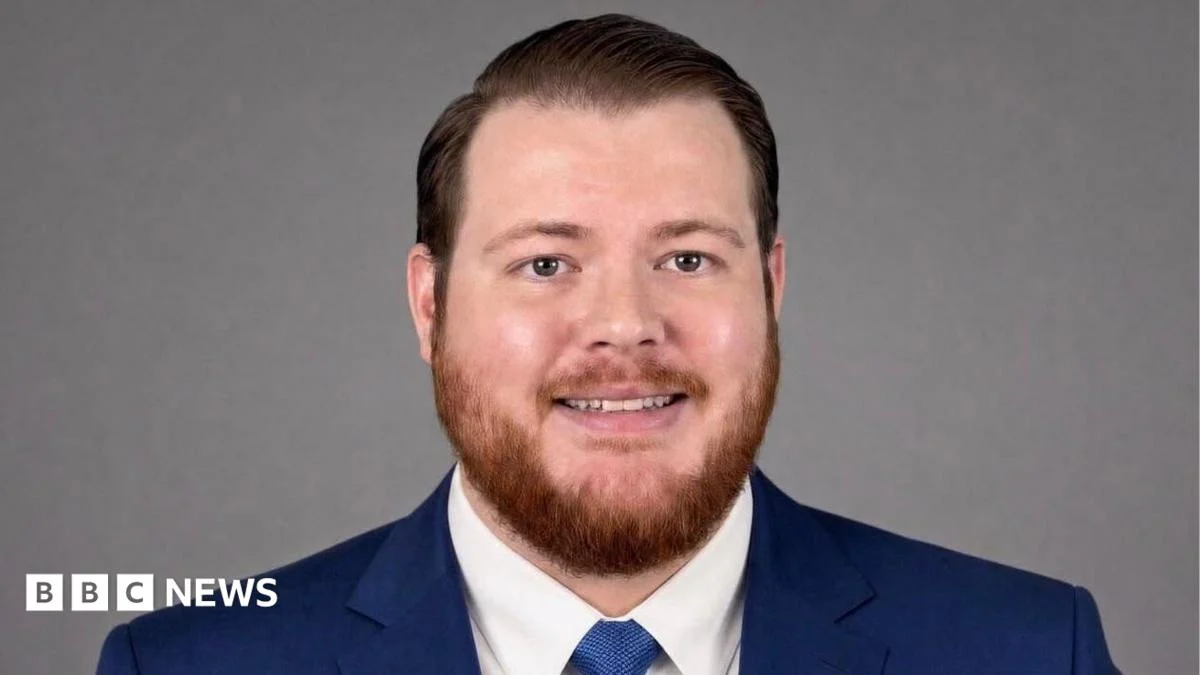
The Conservative Party’s decision to endorse a candidate previously imprisoned for severe antisemitic harassment, including against a prominent Jewish parliamentarian, has ignited a profound national controversy, raising critical questions about political vetting processes, the limits of rehabilitation, and the requisite standards for holding public office. Joshua Bonehill-Paine, a former neo-Nazi who served time for racially harassing Baroness Luciana Berger, a Labour peer, has been selected to contest a local election seat, a move that has drawn widespread condemnation from across the political spectrum and from leading Jewish representative bodies.
The core of the dispute revolves around the tension between the principle of individual rehabilitation and the imperative to uphold public trust and protect communities from the propagation of hate. Baroness Berger, the victim of Bonehill-Paine’s sustained abuse, has vehemently argued that his past actions disqualify him from ever holding public office, asserting that a clear ethical threshold must exist. Conversely, senior Conservative figures, including Business Secretary Kemi Badenoch, have defended the selection, positing that denying individuals who claim to have reformed a path back into civic life undermines the very concept of rehabilitation and hinders efforts to combat extremism from within.
Bonehill-Paine’s documented history of antisemitic and extremist activities is extensive and deeply disturbing. In 2015, he received a prison sentence for disseminating antisemitic material in advance of a planned neo-Nazi gathering. The following year, while still incarcerated, he was convicted of racially aggravated harassment targeting Luciana Berger, then a Member of Parliament. This campaign of abuse involved the widespread dissemination of vile and extreme antisemitic content, which Baroness Berger described as profoundly impacting her life due to its sheer volume and shocking nature.
During the 2016 trial at the Old Bailey, Baroness Berger provided compelling evidence of the trauma inflicted by Bonehill-Paine’s actions. Her accounts, detailed in a subsequent Substack article, paint a grim picture of his lack of remorse, noting that he "performed a full Nazi salute to his supporters in the public gallery" and exhibited "utter contempt" for his victims. The presiding judge, in his sentencing remarks, characterized the case as an exceptionally severe instance of racially aggravated harassment, observing Bonehill-Paine’s "smirking throughout the trial" and his evident enjoyment of Ms. Berger’s discomfort. Beyond these grave antisemitic offenses, Bonehill-Paine also holds previous convictions for assaulting a police officer, burglary of a police station, and malicious communications, further illustrating a pattern of unlawful and disruptive behaviour.
Baroness Berger’s opposition to Bonehill-Paine’s candidacy is rooted not only in her personal experience but also in a broader conviction about the integrity of public service. Having previously resigned from the Labour Party in 2019 over its handling of antisemitism allegations before rejoining in 2023 after receiving an apology from Sir Keir Starmer, her stance is informed by a deep understanding of the insidious nature of antisemitism and the critical importance of robust leadership in confronting it. She contends that allowing an individual with such a history to stand for election sends a dangerous message, effectively lowering the bar for ethical conduct in public life. For Baroness Berger, the severity and calculated nature of Bonehill-Paine’s past crimes, coupled with his behaviour during his trial, unequivocally demonstrate that he falls far short of the moral and ethical standards required of an elected representative.
The Conservative Party’s justification for Bonehill-Paine’s selection rests primarily on his claims of profound personal transformation. Bonehill-Paine himself has publicly disavowed his past views as "indefensible" and expressed regret for the "profound pain" they caused, particularly within the Jewish community. In an article published on the Conservative Home blog, he acknowledged the ongoing hurt caused by his past actions. He attributes his change of heart to an "epiphany" experienced while reading the Bible in a segregation cell during his incarceration, describing it as the moment his "hatred finally began to lose its hold." Since his release in 2018, he claims to have undertaken a de-radicalisation programme and now delivers counter-extremism sessions across the UK, striving to "give back" to a community that he says supported him through his reform. He has also founded The Crewkerne Gazette, a satirical X page known for publishing deepfake AI-generated videos of politicians.
Kemi Badenoch, a senior cabinet minister, has emerged as a key defender of Bonehill-Paine’s candidacy. While acknowledging the "appalling" nature of his past crimes, Badenoch emphasized his purported rehabilitation, stating her belief that he has served his sentence, demonstrated contrition, and is now genuinely committed to combating antisemitism. Her argument is framed around the idea that if society genuinely believes in rehabilitation, it must offer pathways for individuals who have demonstrably changed to reintegrate and contribute positively. To perpetually label such individuals as "untouchable," she suggests, undermines the very principle of reform and limits the potential for former extremists to become powerful voices against the hatred they once espoused.
However, this defence has failed to assuage the profound concerns of Jewish communal organizations. The Board of Deputies of British Jews, the largest representative body for the UK’s Jewish community, issued a scathing critique, calling on the Conservatives to rescind Bonehill-Paine’s selection and demanding a comprehensive review of the party’s vetting procedures. Its Vice President, Karen Newman, stated that the selection "beggars belief," highlighting the deep unease within the community. In a significant act of protest, the Board of Deputies, along with the Jewish Leadership Council and Chief Rabbi Sir Ephraim Mirvis, declined an invitation from the Conservative Party to meet with Bonehill-Paine directly. This collective refusal underscores a fundamental lack of trust and a rejection of the premise that a direct meeting with the candidate would address their profound concerns, indicating that the issue extends beyond individual interactions to the integrity of the party’s judgment and its commitment to combating antisemitism.
The controversy has also drawn sharp criticism from other political parties, amplifying the cross-party consensus against Bonehill-Paine’s selection. Liberal Democrat MP Adam Dance questioned the Conservative Party’s rationale for deeming such a candidate fit for public service, while a Labour Party spokesperson unequivocally labeled his selection a "total disgrace." This broad disapproval highlights a widespread perception that, regardless of claims of rehabilitation, certain past actions create an insurmountable barrier to holding public office, particularly when those actions involve hate crimes against specific communities.
From an analytical perspective, this case illuminates the inherent complexities in balancing the societal goals of rehabilitation and forgiveness with the imperative of safeguarding public trust and upholding rigorous ethical standards for those who seek to govern. While the concept of a "second chance" is fundamental to many justice systems, its application to individuals seeking elected office, especially after committing hate crimes, presents unique challenges. What constitutes genuine, verifiable rehabilitation in such cases? Is it merely the passage of time, or must it involve a sustained, public, and unequivocal demonstration of commitment to opposing the very ideologies one once espoused, coupled with profound and consistent remorse?
Furthermore, the episode casts a spotlight on the vetting processes within political parties. The selection of Bonehill-Paine, despite his notorious past and extensive criminal record, raises serious questions about the thoroughness and judgment applied during candidate selection. It prompts scrutiny into whether the Conservative Party’s internal mechanisms adequately weigh the potential damage to its reputation and its relationship with minority communities against the abstract principle of rehabilitation.
The implications of this controversy are multifaceted. For the Conservative Party, the decision risks alienating Jewish voters and undermining its stated commitment to fighting antisemitism, particularly at a time when antisemitic incidents remain a significant concern across the UK. It could also set a problematic precedent, suggesting a potential relaxation of standards for candidates with contentious pasts. For the broader political landscape, the debate reignites discussions about the moral prerequisites for public service and the societal responsibility to protect vulnerable communities from individuals who have historically propagated hatred. As the local election in Crewkerne South in 2027 approaches, the selection of Joshua Bonehill-Paine ensures that the contest will be overshadowed by a profound ethical debate, forcing voters and political observers alike to grapple with the intricate interplay of justice, forgiveness, and accountability in the realm of public life. The long-term ramifications of this controversial decision will likely resonate far beyond the confines of a single local council seat, shaping future discourse on extremism, rehabilitation, and the enduring standards of political integrity.



 Aura Kasih
 Safa Marwah
 Ayu Aulia