
 Aura Kasih
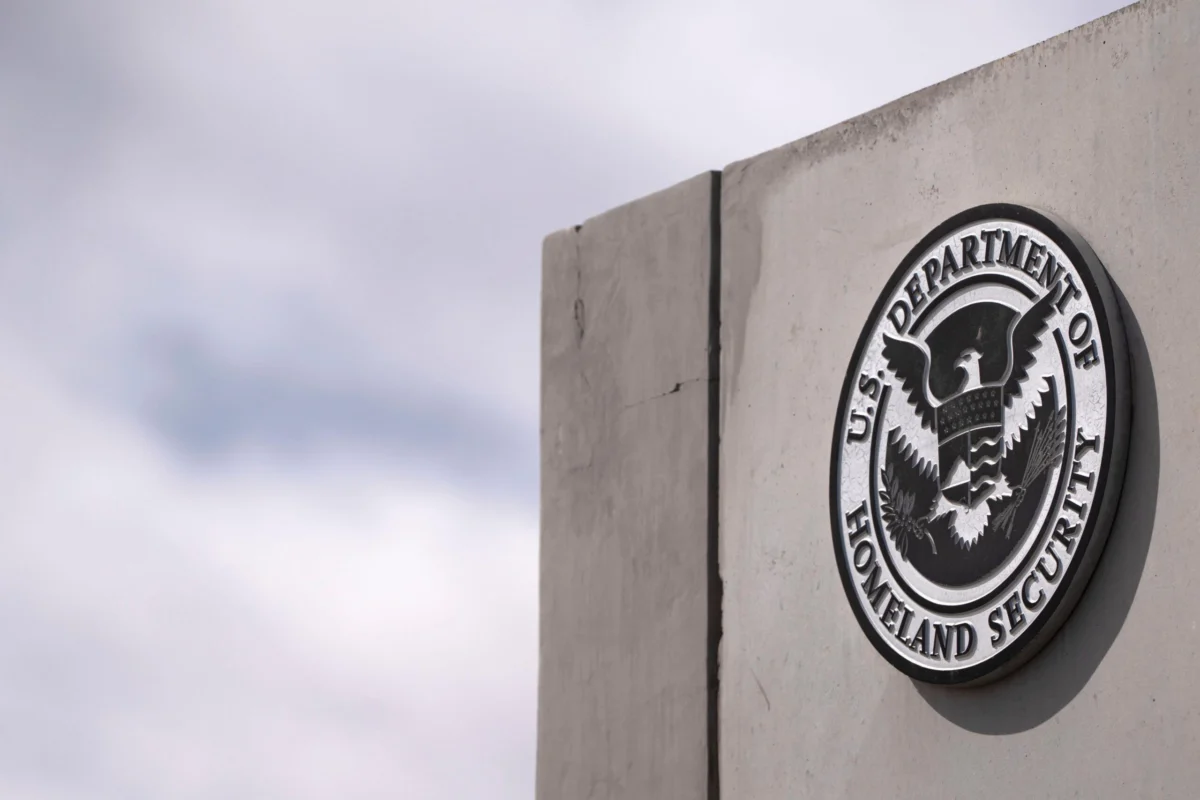
A significant cybersecurity incident has resulted in the compromise of sensitive personal data belonging to more than 40,000 employees of the U.S. Department of Homeland Security (DHS), encompassing individuals from critical agencies like U.S. Immigration and Customs Enforcement (ICE) and U.S. Customs and Border Protection (CBP). The breach, allegedly orchestrated by a hacker operating under the moniker "Department of Peace," has not only exposed employee identifiers but also linked these agencies to specific surveillance technologies.
This alarming data exfiltration, first brought to light by investigative tech journalism outlets, has sent ripples of concern through national security and privacy advocacy circles. The compromised information reportedly includes full names, professional designations, direct telephone numbers, electronic mail addresses, and assigned office locations for a substantial portion of the DHS workforce. The implications of such a broad exposure are multifaceted, ranging from immediate personal security risks for the affected individuals to broader strategic vulnerabilities for the department.
The alleged perpetrator, "Department of Peace," claims the breach was facilitated through a vulnerability within Okta, a widely adopted identity and access management platform utilized by the DHS. This access point allowed for the extraction of a substantial volume of data, with preliminary reports indicating that approximately 21,000 records are associated with CBP personnel and nearly 7,000 with ICE staff. The scope of the leak extends beyond these two prominent agencies, also impacting employees of the Cybersecurity and Infrastructure Security Agency (CISA), U.S. Citizenship and Immigration Services (USCIS), and Homeland Security Investigations (HSI). The sheer volume and distribution of the compromised data underscore the interconnectedness of DHS operations and the potential for a single point of failure to cascade across multiple entities.
This incident arrives at a particularly sensitive juncture, given the DHS’s ongoing efforts to maintain a degree of anonymity for its agents, especially those within CBP and ICE. These agencies have been at the forefront of controversial immigration enforcement actions, including widespread anti-immigration raids across the United States, and have also engaged in efforts to identify and counter online critics. The hacker’s stated motivation, "They have our information, so it’s only fair that we have theirs," suggests a retaliatory motive, potentially stemming from perceived imbalances in information control and public exposure. This sentiment, while attributed to the hacker, highlights a growing tension between government transparency, operational security, and individual privacy in the digital age.
Furthermore, the timing of this DHS breach is noteworthy. It follows closely on the heels of a separate, significant data theft incident involving the Federal Bureau of Investigation (FBI), which saw the compromise of employee and applicant information. The recurrence of such large-scale breaches targeting federal law enforcement and security agencies raises serious questions about the robustness of cybersecurity protocols and the efficacy of threat mitigation strategies within the U.S. government. The parallel nature of these events suggests a potential pattern of targeted attacks against agencies responsible for national security and law enforcement, indicating a sophisticated and persistent threat actor or actors.
The leaked DHS data, according to reports, was channeled to cybersecurity researcher maia arson crimew, who subsequently shared it with Distributed Denial of Secrets (DDoSecrets), a non-profit organization dedicated to the dissemination of publicly relevant leaked information. DDoSecrets is reportedly hosting the compromised data under the designation "Icepick." Crucially, the leak is not limited to employee personal details. It is also alleged to contain information pertaining to specific DHS units that have access to advanced surveillance capabilities. This includes details about tools such as Mobile Fortify, a facial recognition application, and PenLink, a system capable of aggregating and analyzing data from mobile devices and various online services. The inclusion of this information is particularly concerning, as it could potentially reveal the extent of government surveillance capabilities and the methods employed to gather intelligence, thereby posing a risk to individuals whose data might be subjected to such tools.

The implications of this breach extend far beyond the immediate inconvenience or potential for identity theft faced by the affected DHS employees. The exposure of internal agency structures, personnel assignments, and particularly the linkage to surveillance technologies, could provide adversaries with valuable intelligence. This intelligence could be leveraged to understand operational vulnerabilities, identify key personnel for targeted disruption, or even anticipate future enforcement actions. For individuals who have been subjected to scrutiny or enforcement by ICE or CBP, the knowledge that their personal information might be in the hands of a malicious actor, or that the agencies they interact with have been similarly compromised, could foster a climate of heightened fear and distrust.
From a national security perspective, the breach represents a significant setback. It potentially compromises the operational integrity of agencies tasked with protecting critical infrastructure, enforcing immigration laws, and combating domestic and international threats. The revelation of surveillance tool access could also lead to increased public scrutiny and legal challenges regarding the scope and legality of such technologies. The ethical considerations surrounding the collection and use of personal data by government agencies, coupled with the potential for misuse or exploitation by unauthorized parties, are brought into sharp focus by this incident.
The cybersecurity landscape for government agencies is perpetually challenging. The DHS, as a vast and multifaceted organization, faces a complex threat environment. Its mission encompasses a broad spectrum of responsibilities, from border security and counterterrorism to cybersecurity and disaster response. Each of these areas involves the handling of sensitive information and the deployment of advanced technologies, creating numerous potential attack vectors. The reliance on third-party vendors, such as Okta, while often necessary for efficiency and specialized expertise, introduces an additional layer of risk, as vulnerabilities within these external systems can have direct and significant impacts on government data.
In the aftermath of such a breach, a thorough and transparent investigation is paramount. Understanding the precise nature of the exploited vulnerability, the full extent of the data exfiltrated, and the identity and motives of the perpetrator are critical steps. Furthermore, a comprehensive review of the DHS’s cybersecurity posture, including its access control mechanisms, data protection protocols, and incident response capabilities, is essential. This review should not be limited to internal assessments but should ideally involve independent cybersecurity experts to ensure objectivity and thoroughness.
The long-term consequences of this breach could include a heightened demand for greater transparency and accountability in government data handling practices. Civil liberties organizations are likely to intensify their calls for stricter regulations on government surveillance technologies and more robust protections for personal information. The breach could also spur increased investment in cybersecurity defenses, both in terms of technological infrastructure and personnel training, across all federal agencies. The ability of agencies like ICE and CBP to conduct their operations effectively while respecting individual privacy and security rights will undoubtedly be a subject of ongoing debate and legislative action.
Looking ahead, the DHS faces the dual challenge of rebuilding trust and fortifying its digital defenses. The reputational damage from such a significant data compromise can be substantial, potentially eroding public confidence in the agency’s ability to safeguard sensitive information. Proactive communication with affected employees, offering robust support and mitigation strategies, will be crucial in addressing immediate concerns. Simultaneously, a strategic overhaul of cybersecurity practices, incorporating advanced threat detection, data encryption, and continuous vulnerability assessments, will be necessary to prevent future incidents. The interconnected nature of government systems means that security must be a holistic endeavor, encompassing not only internal systems but also the entire supply chain of technology and services upon which these agencies rely. The "Icepick" dataset, now publicly accessible, serves as a stark reminder of the persistent and evolving threats that challenge the digital security of even the most critical government institutions.




 Ayu Aulia

 Lisa Mariana

