Aura Kasih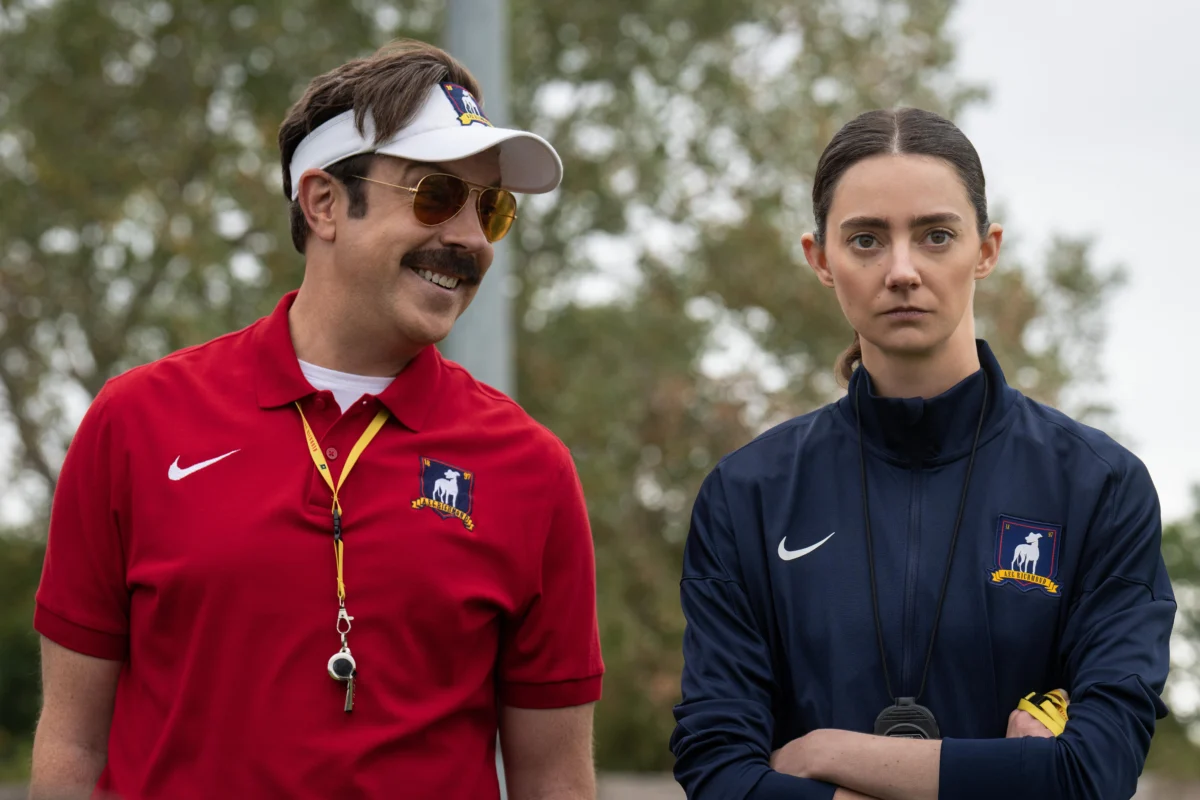
As Apple TV+ navigates an increasingly competitive streaming landscape, the much-anticipated revival of its flagship comedy, "Ted Lasso," arrives not merely as a beloved fan-favorite’s comeback, but as a pivotal strategic maneuver for the platform’s future growth and content dominance. With a slate of promising new productions and the continued development of established hits like "Silo" and "Sugar," the platform is poised for a significant year in 2026. However, it is the return of this optimistic, feel-good sports sitcom that carries the weight of solidifying Apple TV+’s position against its more entrenched rivals, marking a crucial juncture in its ongoing quest to capture a larger share of the global streaming market.
The conclusion of "Ted Lasso’s" third season in 2023, subtitled "So Long, Farewell," presented a seemingly definitive and emotionally resonant wrap-up for many of its central characters. Ted Lasso, the perpetually positive American football coach, was depicted embarking on a journey back to his native United States to reconnect with his son. Roy Kent, the gruff but lovable former player, had ascended to the role of head coach for AFC Richmond. Coach Beard found himself celebrating a wedding amidst the ancient grandeur of Stonehenge, while the formidable leadership trio of Rebecca Welton, Keeley Jones, and Leslie Higgins contemplated the ambitious launch of a women’s football team. This carefully crafted finale exuded the characteristic warmth and closure of a traditional sitcom ending, leaving many to believe the story had reached its natural conclusion. Yet, it is precisely this nascent women’s team initiative that has served as the catalyst for the show’s unexpected resurgence.
The premiere episode of the fourth season initiates a profound narrative shift, immediately distinguishing itself from its predecessors through a change in geographical setting and thematic focus. Initially, Ted Lasso is shown working a part-time position at a grocery store, a deliberate choice to prioritize his parental responsibilities. Simultaneously, Rebecca, Keeley, and Higgins travel to Kansas City with a singular objective: to persuade Ted to assume the coaching duties for their newly established women’s team. This initial segment functions as a poignant reunion, offering viewers an opportunity to witness these familiar characters reconnecting after a significant period, thereby bridging the temporal gap and providing crucial context for their individual journeys. The extended period dedicated to Ted’s deliberation and eventual acceptance of this new role serves as a deliberate narrative device, extending the emotional arc of his decision across the entire episode.

The visual language and thematic underpinnings of the season’s opening acts distinctly signal a departure from the established aesthetic and narrative rhythm of prior seasons. The narrative deliberately places Ted in an unfamiliar environment, underscoring his personal evolution and his commitment to a more grounded existence. This relocation not only serves to highlight Ted’s character development but also establishes a unique thematic resonance for the series moving forward. The ensemble’s presence in Kansas City allows for a re-establishment of the core relationships while simultaneously laying the groundwork for the introduction of new dynamics and challenges. This deliberate pacing in the premiere ensures that the audience is fully immersed in the changed circumstances before the narrative transitions back to England, where the familiar elements of AFC Richmond will be recontextualized within the framework of the women’s team.
Upon returning to England, the series adopts a more recognizable tone, yet it is infused with significant alterations that underscore its evolution. A key element contributing to the perception of Season 4 as a soft reboot is the fundamental shift in the team’s composition. While Ted and the majority of the coaching staff, alongside key club management figures, remain integral to the narrative, the actual playing squad is entirely new. This implies that fan-favorite characters such as Jamie Tartt, Sam Obisanya, and Dani Rojas, while potentially referenced or appearing in brief cameos, are not central to the immediate plot. Their absence, at least within the initial five episodes provided for preview, creates a vacuum filled by a roster of emerging talents and a new assistant coach, Alice, whose more pragmatic approach offers a compelling counterpoint to Ted’s unwavering optimism.
The strategic decision to foreground a new cohort of characters at the expense of established fan favorites represents a calculated risk within the television industry. However, the early installments of "Ted Lasso’s" fourth season demonstrate a remarkable ability to recapture the essence of the show’s original appeal, albeit within a fresh narrative context. The players comprising Richmond’s women’s side are not portrayed as pampered athletes but rather as dedicated individuals striving to carve out a niche in a sport that, even in this fictionalized setting, faces persistent underfunding and a lack of comprehensive support structures. A particularly commendable aspect of the new season is its unflinching portrayal of the multifaceted challenges inherent in women’s professional football. This includes the often-limited media coverage, the disparities in facilities, and the concerning prevalence of debilitating injuries that can prematurely truncate athletic careers. These realities provide fertile ground for Ted’s signature brand of homespun wisdom and offer a platform for the diverse ensemble of new cast members to embody the complexities of this demanding professional landscape. The introduction of a formidable goalkeeper who eschews gloves due to past experiences with larger clubs, a mother who joins the team after a spontaneous tryout, and a star striker adeptly balancing her athletic ambitions with the pursuit of a law degree, all contribute to a rich tapestry of relatable and compelling new characters.
The inherent difficulty in precisely replicating the unique magic that propelled "Ted Lasso" to phenomenon status in its initial seasons is undeniable. Furthermore, the current premiere of the new season coincides with a significantly altered landscape for Apple TV+. Since its debut in 2020, the streaming service has witnessed the emergence of critically acclaimed and audience-defining series such as "Severance" and "Pluribus," solidifying its reputation for producing high-quality original content. These developments, however, are largely advantageous for "Ted Lasso’s" return. Apple TV+ appears to be on a discernible upward trajectory, bolstered by a recent, albeit controversial, men’s World Cup that has demonstrably reignited global interest in football, particularly within the United States. Concurrently, the upcoming FIFA Women’s World Cup is poised to capture further attention, creating an opportune moment for the series’ impactful reappearance. These converging factors suggest a highly favorable environment for the renewed adventures of Ted and his team. While the show itself has undergone a metamorphosis, its significance to Apple’s streaming ambitions remains undiminished, representing a crucial asset in its ongoing battle for market relevance and subscriber engagement. The strategic alignment of the show’s narrative themes with the growing global enthusiasm for women’s football further amplifies its potential to resonate with a broad and engaged audience, reinforcing its status as a cornerstone of Apple TV+’s content strategy.




 Safa Marwah
 Ayu Aulia