Safa Marwah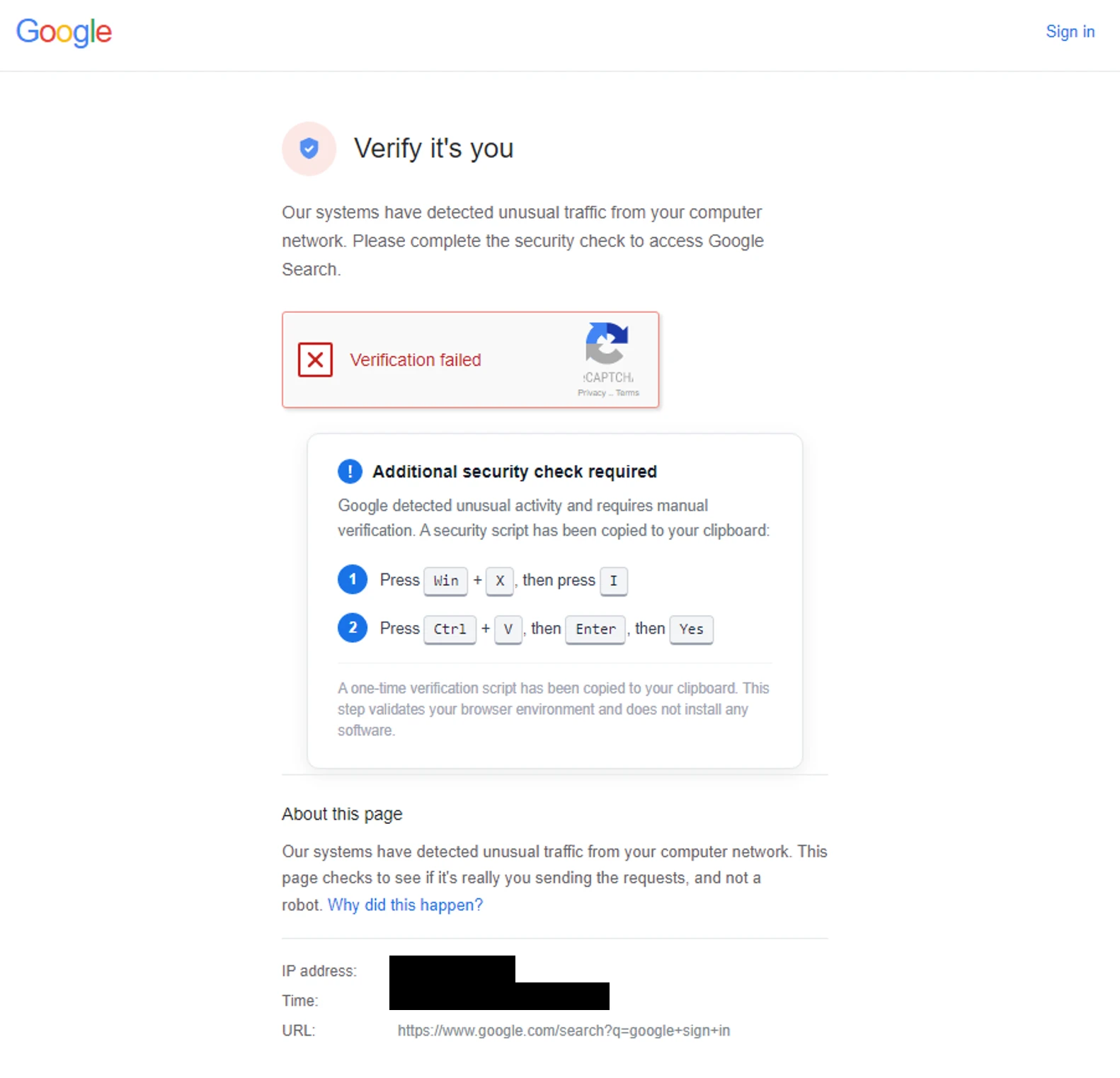
A state-sponsored cyber espionage group, identified as Midnight Blizzard and its sub-cluster Storm-2945, has been systematically exploiting vulnerabilities within hospitality sector Wi-Fi infrastructure worldwide to facilitate advanced credential theft and deploy bespoke malware, primarily targeting Microsoft 365 user accounts and sensitive data. This extensive campaign, dubbed "CaptiveCrunch" by cybersecurity researchers, represents a significant escalation in the tactics employed by highly capable nation-state actors to gain persistent access to high-value targets, including corporate executives, government officials, and other frequent travelers. The operation leverages a multi-stage attack chain that manipulates network traffic, redirects users to sophisticated phishing pages, and delivers custom-built remote access Trojans and credential stealers to compromise victim systems.
The Adversary: Midnight Blizzard’s Persistent Threat
Midnight Blizzard, a prominent Russian state-sponsored threat actor also known as APT29 or Nobelium, has a long and well-documented history of targeting governmental organizations, diplomatic entities, critical infrastructure, and research institutions across the globe. This group is widely believed to be affiliated with Russia’s Foreign Intelligence Service (SVR) and is renowned for its sophisticated tradecraft, patient reconnaissance, and ability to adapt its methods to bypass conventional security measures. The designation "Storm-2945" by Microsoft indicates a specific sub-cluster or operational arm within the broader Midnight Blizzard framework, focusing on this particular campaign. Their objectives typically revolve around intelligence gathering, intellectual property theft, and strategic reconnaissance, aligning with the observed focus on high-value individuals traveling internationally. The CaptiveCrunch campaign, active since at least early May, with related phishing activities dating back to February, underscores Midnight Blizzard’s strategic pivot towards exploiting the transient and often less secure nature of public Wi-Fi environments.
The Attack Vector: Exploiting Hospitality Network Weaknesses
The core of the CaptiveCrunch operation lies in compromising and manipulating the Wi-Fi networks found in hotels, conference centers, and other hospitality venues. These locations are frequented by individuals carrying corporate devices and accessing sensitive information, making them attractive targets for espionage. While the precise initial access vector into the hospitality networks remains under investigation, evidence suggests breaches in shared infrastructure rather than isolated devices, hinting at potential supply chain compromises, exploitation of known vulnerabilities in networking equipment, or even insider threats.
Once inside, the attackers focused on manipulating Domain Name System (DNS) settings and HTTP traffic flows on devices serving captive portal Wi-Fi networks. Captive portals are common in public Wi-Fi, requiring users to authenticate or agree to terms before gaining internet access. By altering DNS configurations, Midnight Blizzard could redirect users attempting to access legitimate services, such as Microsoft 365, to attacker-controlled infrastructure. This fundamental network manipulation forms the foundation for the subsequent stages of the attack, allowing for both credential harvesting and malware delivery.
Multi-Faceted Phishing and Malware Delivery Mechanisms
The CaptiveCrunch campaign employs several highly effective techniques to compromise victim accounts and devices:
- Impersonated Microsoft 365 Login Portals: Upon connecting to a compromised Wi-Fi network, users might be redirected to a meticulously crafted phishing page that mimics the legitimate Microsoft 365 login portal. Unsuspecting users, accustomed to such authentication prompts in public Wi-Fi environments, would then input their corporate credentials directly into the attacker’s control.
- Abuse of Microsoft Entra ID Device Code Authentication Flows: A more sophisticated phishing technique observed since July involves exploiting Microsoft Entra ID (formerly Azure Active Directory) device code authentication. This method typically allows users to log in on devices without full browser capabilities by entering a code on a separate, authenticated device. Attackers present victims with fake device code phishing pages, prompting them to authorize a seemingly legitimate application, thereby granting the threat actor unauthorized access to their Microsoft 365 accounts. This method can bypass some multi-factor authentication (MFA) implementations if not configured for phishing resistance.
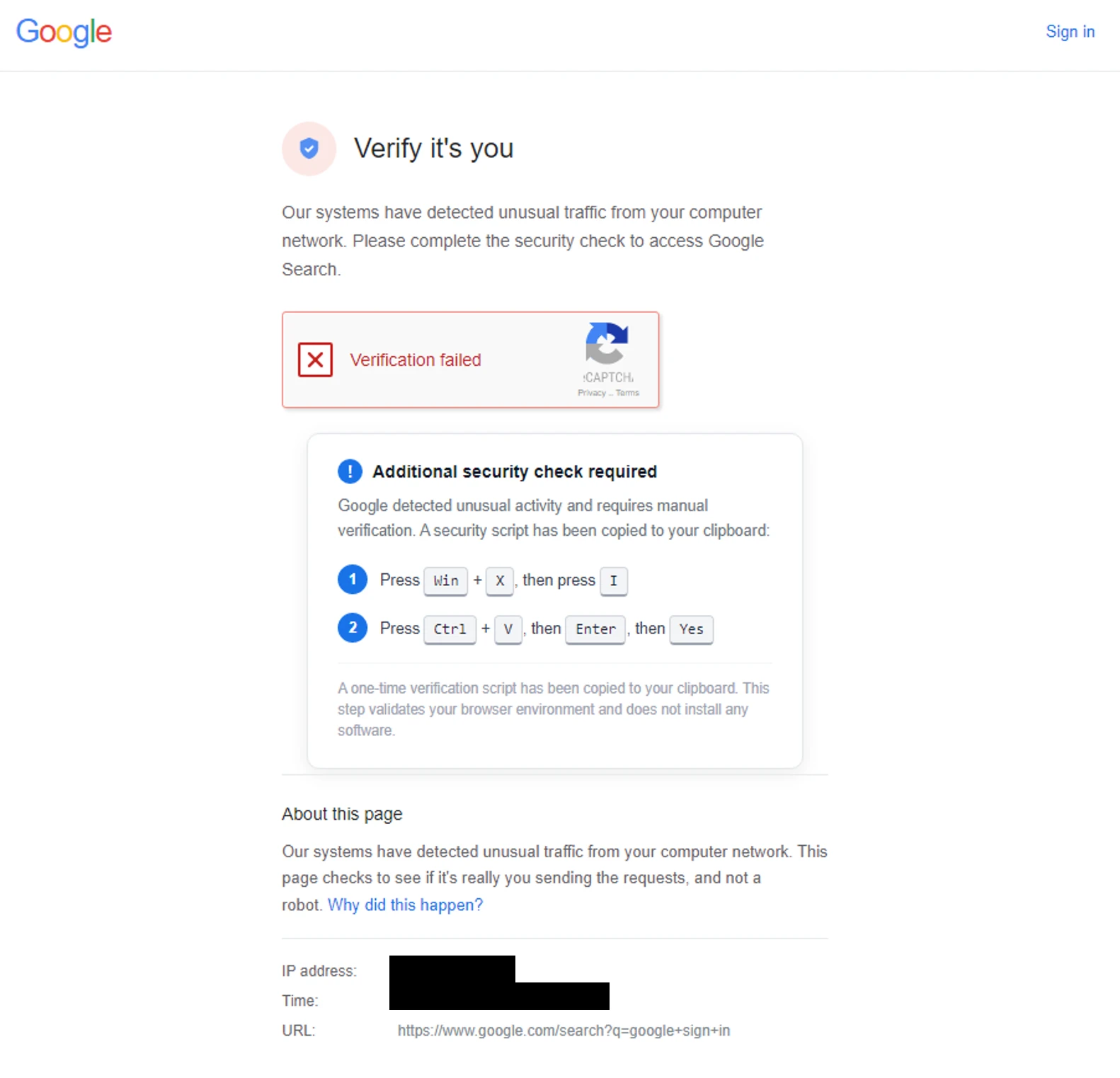
- Malware Delivery via Fake System Updates: A particularly insidious aspect of the campaign involves redirecting victims to counterfeit browser or operating system update pages. These pages are designed to trick users into downloading and executing malicious payloads under the guise of essential software updates. The attackers utilized "ClickFix" prompts, a social engineering technique that simulates system notifications or repair utilities, to coax users into verifying and installing the malware. This method targets Windows devices, delivering two distinct malware families: CornFlake and ChocoShell. Furthermore, evidence suggests the campaign also targets Android devices, with the delivery of malicious Android Package Kit (APK) files through similar deceptive update prompts.
Deep Dive into Custom Malware: CornFlake and ChocoShell
Microsoft’s analysis unveiled two new, purpose-built malware families central to the CaptiveCrunch operation:
CornFlake: The Versatile Go-Based Remote Access Trojan
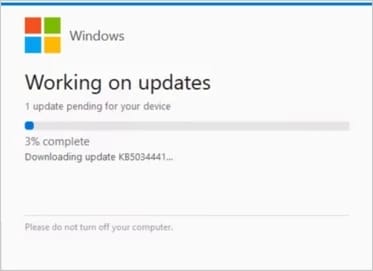
CornFlake is a highly capable Remote Access Trojan (RAT) developed in Go, a programming language increasingly favored by threat actors for its cross-platform compatibility, performance, and the difficulty it presents to reverse engineers. Upon execution, CornFlake attempts to distract the user with a deceptive progress window, designed to mimic various legitimate system processes. These fake windows can appear as:
- A Windows update screen, instilling a sense of urgency and necessity.
- A Microsoft Defender virus scan, leveraging trust in security software.
- A disk optimization utility, appearing as routine system maintenance.
- A network diagnostics tool, seemingly resolving connectivity issues.
- A browser update prompt, a common and often accepted software update.
- A document viewer installer, masquerading as a utility for accessing content.
While this distraction plays out, CornFlake stealthily copies itself to the %AppData% directory and establishes multiple persistence mechanisms on the host system. It masquerades as a legitimate Windows component named "Cloud Sync Service" to evade detection. Its persistence tactics include registering itself as a Windows service, creating registry run keys, scheduling named tasks, and implementing a sophisticated watchdog routine. This watchdog ensures that if any persistence mechanism is removed or disabled, it will be automatically restored, making the malware exceptionally resilient against removal attempts. CornFlake’s broad range of capabilities includes persistent access, comprehensive surveillance, credential theft, data exfiltration, and the execution of arbitrary commands, granting the attackers extensive control over compromised systems.
ChocoShell: The In-Memory PowerShell Credential Stealer
The second payload, ChocoShell, is a PowerShell-based credential stealer. Its choice of PowerShell, a legitimate system administration tool, allows it to operate "living off the land," making it harder for traditional antivirus solutions to detect. ChocoShell operates primarily in-memory, further reducing its forensic footprint. Its primary function is to harvest a wide array of sensitive credentials, including:
- Browser cookies, which can be used to bypass login prompts and maintain authenticated sessions.
- Saved passwords from web browsers and other applications.
- Microsoft 365 and Azure AD tokens, enabling unauthorized access to cloud services without requiring passwords.
- Wi-Fi credentials, potentially providing access to other networks the victim has previously connected to.
The combination of CornFlake’s persistent access and ChocoShell’s efficient credential harvesting provides Midnight Blizzard with a powerful toolkit for deep penetration and lateral movement within target environments.
The Role of AI in Malware Development and Operational Security Lapses
A notable observation made by researchers was the extensive and detailed commenting within the malware code of both CornFlake and ChocoShell. This level of verbosity, often uncharacteristic of human-written malicious code, led to the assessment that artificial intelligence (AI) tools were likely utilized in the development of these malware families. This signals a concerning trend where AI can accelerate malware creation, potentially lowering the barrier to entry for less skilled actors or significantly enhancing the capabilities and speed of sophisticated groups. The use of AI in this context could allow for faster iteration, more complex obfuscation, and potentially novel attack techniques.
Ironically, despite the sophistication of their attack chain and malware, the threat actor exhibited an operational security lapse. Researchers discovered an unprotected web-based management panel, dubbed "FruitStone," which Midnight Blizzard used to control and interact with infected systems. This panel offered comprehensive capabilities, including browsing victim files, executing PowerShell commands, capturing screenshots, and logging keystrokes. The discovery of FruitStone provided invaluable insight into the adversary’s post-exploitation activities and command-and-control infrastructure, aiding in further attribution and understanding of their modus operandi.
Strategic Implications and Mitigating the Threat
The CaptiveCrunch campaign highlights the persistent and evolving threat posed by state-sponsored cyber actors and the critical need for enhanced cybersecurity measures, particularly in an increasingly mobile and interconnected world. The targeting of hospitality Wi-Fi is a strategic move, allowing Midnight Blizzard to compromise individuals who are often outside their organization’s direct network perimeter, potentially carrying corporate devices that are less protected than when within the office.
To counter such sophisticated threats, a multi-layered defense strategy is imperative for both individuals and organizations:
Recommendations for Individuals:
- Assume Public Wi-Fi is Untrusted: Always treat hotel and conference Wi-Fi networks as inherently insecure. Avoid conducting sensitive work or accessing critical accounts while connected to them.
- Prioritize Secure Connections: Whenever possible, utilize private cellular data networks or a trusted Virtual Private Network (VPN) for all internet traffic, especially when handling sensitive information.
- Exercise Caution with Updates: Never accept software updates or download tools prompted through captive portals or unexpected pop-ups on public Wi-Fi. Always go directly to the vendor’s official website for updates.
- Phishing-Resistant Multi-Factor Authentication (MFA): Implement and enforce phishing-resistant MFA methods, such as hardware security keys (e.g., FIDO2/WebAuthn), which are far more difficult for attackers to bypass than SMS or authenticator app codes.
- Separate Credentials: Avoid using corporate credentials to register for guest Wi-Fi networks or any non-corporate services while traveling.
- Device Hygiene: Ensure personal and corporate devices are fully patched, run up-to-date antivirus software, and have host-based firewalls enabled.
Recommendations for Organizations:
- Zero Trust Architecture: Adopt a Zero Trust security model, which assumes no user or device is inherently trustworthy, regardless of location. Continuously verify identity and device posture for every access request.
- Network Segmentation and Access Control: Implement strict network segmentation and granular access controls to limit lateral movement if a device is compromised.
- Disable Unnecessary Authentication Flows: Review and disable Microsoft Entra ID device code authentication flows if they are not actively required for business operations.
- Enhanced Monitoring and Detection: Deploy advanced endpoint detection and response (EDR) and security information and event management (SIEM) solutions to detect anomalous behavior, unusual login patterns (e.g., impossible travel, new device logins), and malicious activity.
- Employee Training and Awareness: Conduct regular and comprehensive training for employees on social engineering tactics, identifying phishing attempts, and best practices for secure remote work and travel.
- Secure Remote Access: Mandate the use of corporate-managed VPNs or secure access service edge (SASE) solutions for all corporate resource access when outside the office network.
- Supply Chain Security: Conduct thorough due diligence on third-party vendors, especially those providing network infrastructure or services to hospitality venues, to mitigate supply chain risks.
The CaptiveCrunch campaign serves as a stark reminder that cyber adversaries are constantly innovating and seeking new avenues to compromise their targets. The convergence of sophisticated nation-state capabilities, custom malware, and opportunistic exploitation of public infrastructure necessitates a proactive, adaptive, and comprehensive cybersecurity posture across all sectors. As travel and remote work continue to be prevalent, securing transient networks and educating users will remain critical challenges in the ongoing battle against advanced persistent threats.


 Aura Kasih
 Ayu Aulia