Safa Marwah
A highly advanced cybercriminal enterprise, operating under the moniker "Greatness," has significantly escalated its attack methodologies, now deploying adversary-in-the-middle (AiTM) and device-code phishing techniques, specifically targeting Microsoft 365 accounts through the deceptive spoofing of the RingCentral communications platform. This evolution signifies a critical shift in the threat landscape, demonstrating how threat actors are increasingly leveraging established enterprise services and sophisticated evasion tactics to bypass traditional security controls and achieve deep organizational compromise.
The Greatness platform, a prominent phishing-as-a-service (PhaaS) provider, has been a persistent threat since its operational footprint was first documented in the latter half of 2022. Initially focused on broad credential harvesting, its capabilities have matured rapidly, embracing more complex attack vectors designed to circumvent modern authentication mechanisms like multi-factor authentication (MFA). The service caters to a global illicit market, with identified targets predominantly residing in the United States, Canada, the United Kingdom, Australia, and South Africa, reflecting its wide-ranging reach and the universal appeal of its malicious offerings. Beyond Microsoft 365, the platform’s versatile architecture supports phishing campaigns against other major digital ecosystems, including iCloud, Yahoo, and Google Workspace, highlighting its comprehensive targeting strategy across various personal and corporate cloud services. This accessibility for cybercriminals, facilitated through a subscription model priced at approximately $289 per month and advertised via clandestine Telegram channels with thousands of subscribers, democratizes access to sophisticated attack tools, enabling a broader range of malicious actors to conduct high-impact phishing operations.

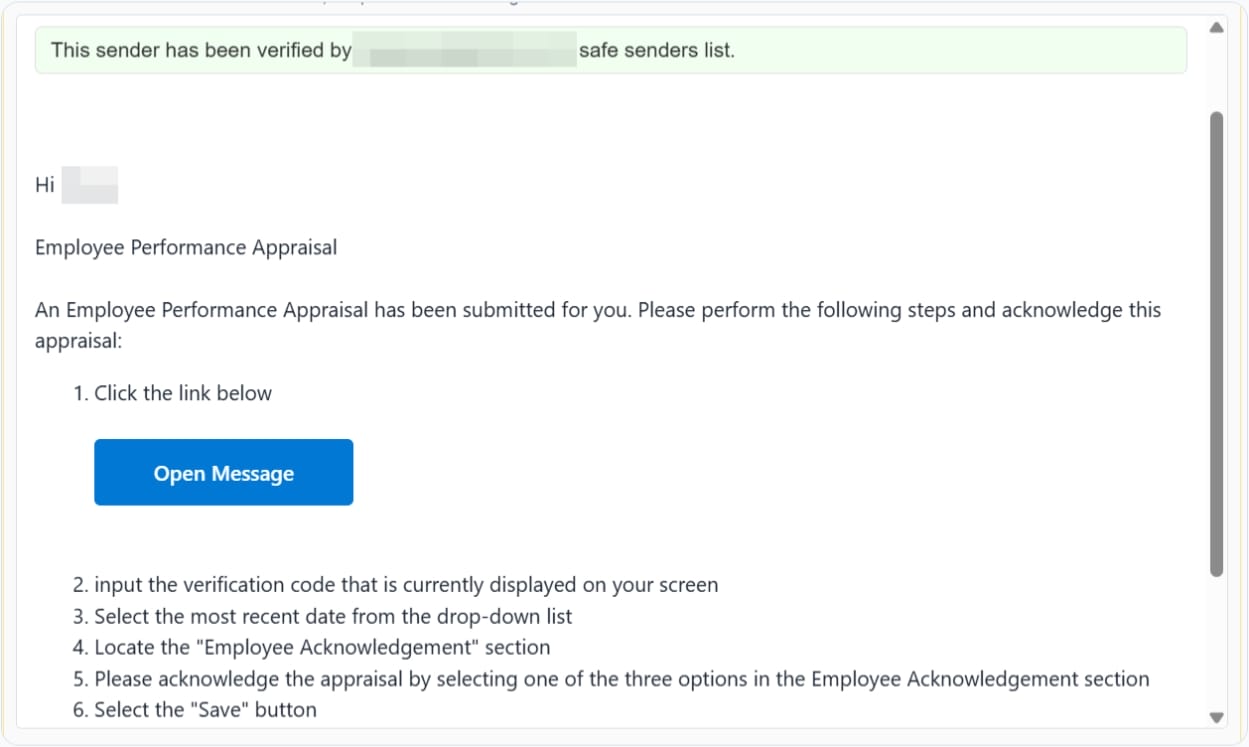
The recent campaign, meticulously analyzed by security researchers, illustrates a particularly insidious approach. Threat actors leveraging the Greatness platform meticulously impersonated the RingCentral communications service, a widely adopted business solution for cloud calling, messaging, and voicemail. By fabricating email communications that appeared to originate from "service@ringcentral[.]com," the attackers aimed to capitalize on the inherent trust associated with internal or frequently used business platforms. These deceptive messages utilized compelling social engineering lures, primarily fake voicemail notifications and performance review alerts, designed to create a sense of urgency and compel recipients to interact with the malicious content. The psychological manipulation at play is significant; employees are conditioned to respond promptly to internal communications, especially those related to voicemails or professional evaluations, making these lures exceptionally effective.
Crucially, the campaign demonstrated a sophisticated understanding of email security mechanisms and their potential vulnerabilities. Despite originating from an unidentified IONOS mail server and failing standard email authentication protocols such as SPF (Sender Policy Framework) and DMARC (Domain-based Message Authentication, Reporting, and Conformance), and lacking a DKIM (DomainKeys Identified Mail) signature, these malicious emails successfully traversed many receiving systems. The primary reason for this bypass was the pre-existing whitelisting of the RingCentral domain by targeted organizations. Enterprises often whitelist legitimate service providers to ensure critical communications are not blocked, inadvertently creating a blind spot that threat actors like Greatness are keen to exploit. Adding another layer of deception, the emails incorporated a fraudulent banner asserting that the sender had been "verified" by the recipient organization’s safe-sender list. This visual cue, designed to reduce suspicion at the human level, reinforced the illusion of legitimacy, further eroding the recipient’s natural skepticism. The technical efficacy of this strategy was evidenced by the emails achieving a Spam Confidence Level (SCL) of -1 on Microsoft Exchange, a rating typically reserved for legitimate, trusted communications, effectively allowing them to circumvent standard email filtering stages and land directly in user inboxes.

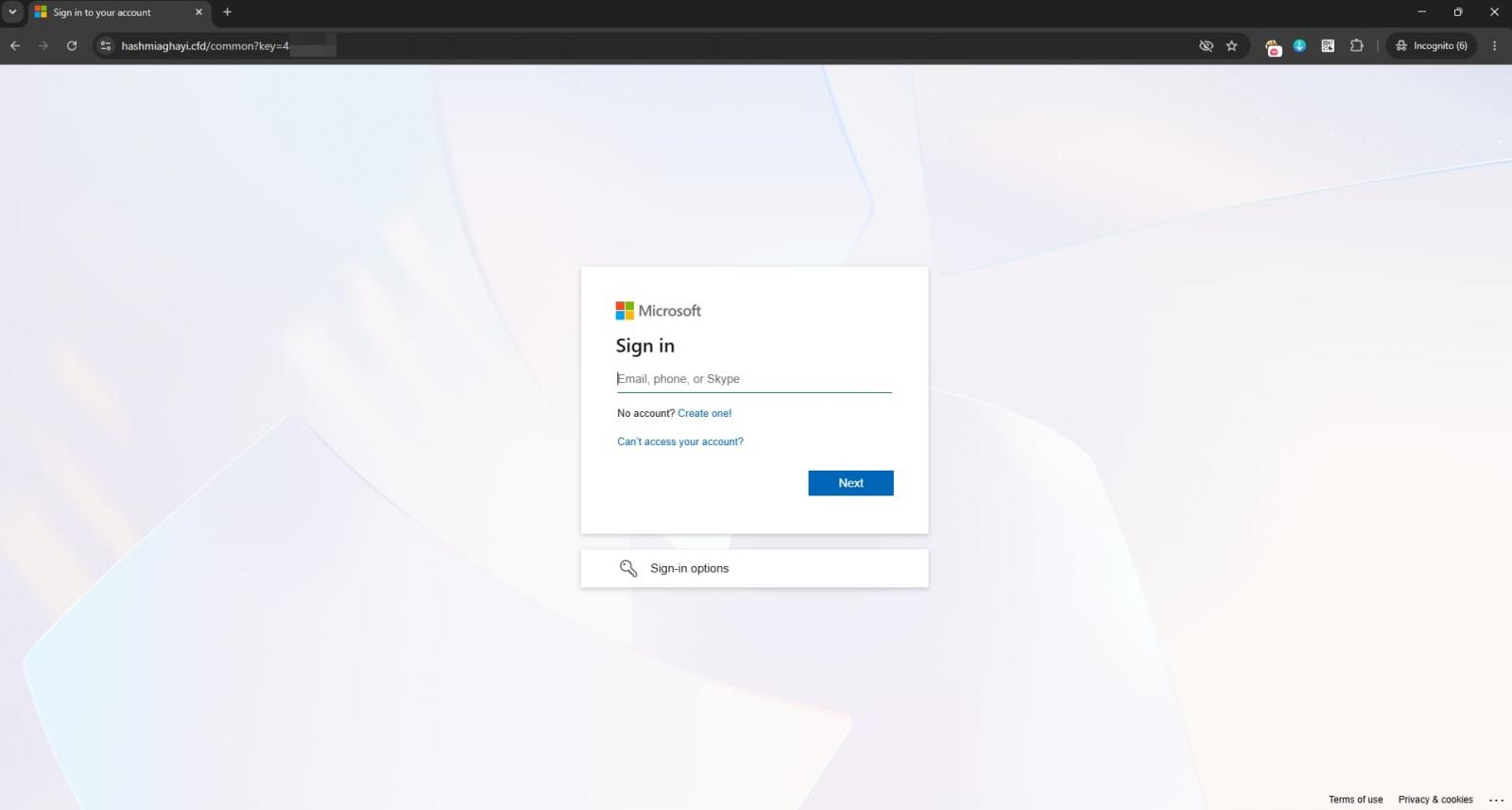
Upon clicking the embedded links within these deceptive emails, victims were seamlessly redirected to the Greatness infrastructure, which acted as a sophisticated intermediary. Here, the attack branched into two primary sophisticated phishing flows: an adversary-in-the-middle (AiTM) attack or a device-code phishing sequence. The AiTM technique, often facilitated by reverse proxy tools, is particularly potent against modern MFA solutions. In this scenario, the victim interacts with a phishing site that acts as a transparent proxy, relaying credentials and session cookies, including MFA-approved authentication tokens, directly from the legitimate service. This allows the attacker to hijack an authenticated session without ever possessing the victim’s actual password or bypassing MFA directly. The device-code phishing flow, on the other hand, exploits OAuth 2.0 device authorization grants. This method prompts users to visit a legitimate Microsoft URL and enter a unique device code displayed on the phishing page. By doing so, the user inadvertently grants the attacker’s malicious application access to their Microsoft 365 tenant, often with broad permissions, all while interacting with a seemingly legitimate Microsoft domain. Both methods represent a significant leap beyond traditional credential harvesting, enabling attackers to gain persistent, MFA-protected access to sensitive accounts.
The ramifications of a successful compromise by Greatness operators are extensive. Post-compromise, the attackers leverage the stolen Microsoft 365 authentication tokens, replaying them from virtual private server (VPS) and commercial VPN infrastructure to mask their true origin and maintain access. This allows them to systematically enumerate and exfiltrate vast amounts of sensitive organizational data. Access typically extends to Outlook mailboxes, Teams conversations, SharePoint sites, OneDrive files, contact lists, and calendars. Furthermore, the attackers can identify and exploit registered applications through Microsoft Graph, potentially leading to further lateral movement within the compromised environment or the establishment of backdoors. The persistence observed in some instances, lasting for more than two weeks, underscores the depth of compromise and the extensive window available to threat actors for reconnaissance, data exfiltration, and the establishment of enduring access mechanisms. This prolonged access poses a severe risk for intellectual property theft, business email compromise (BEC) fraud, and the planting of further malware.
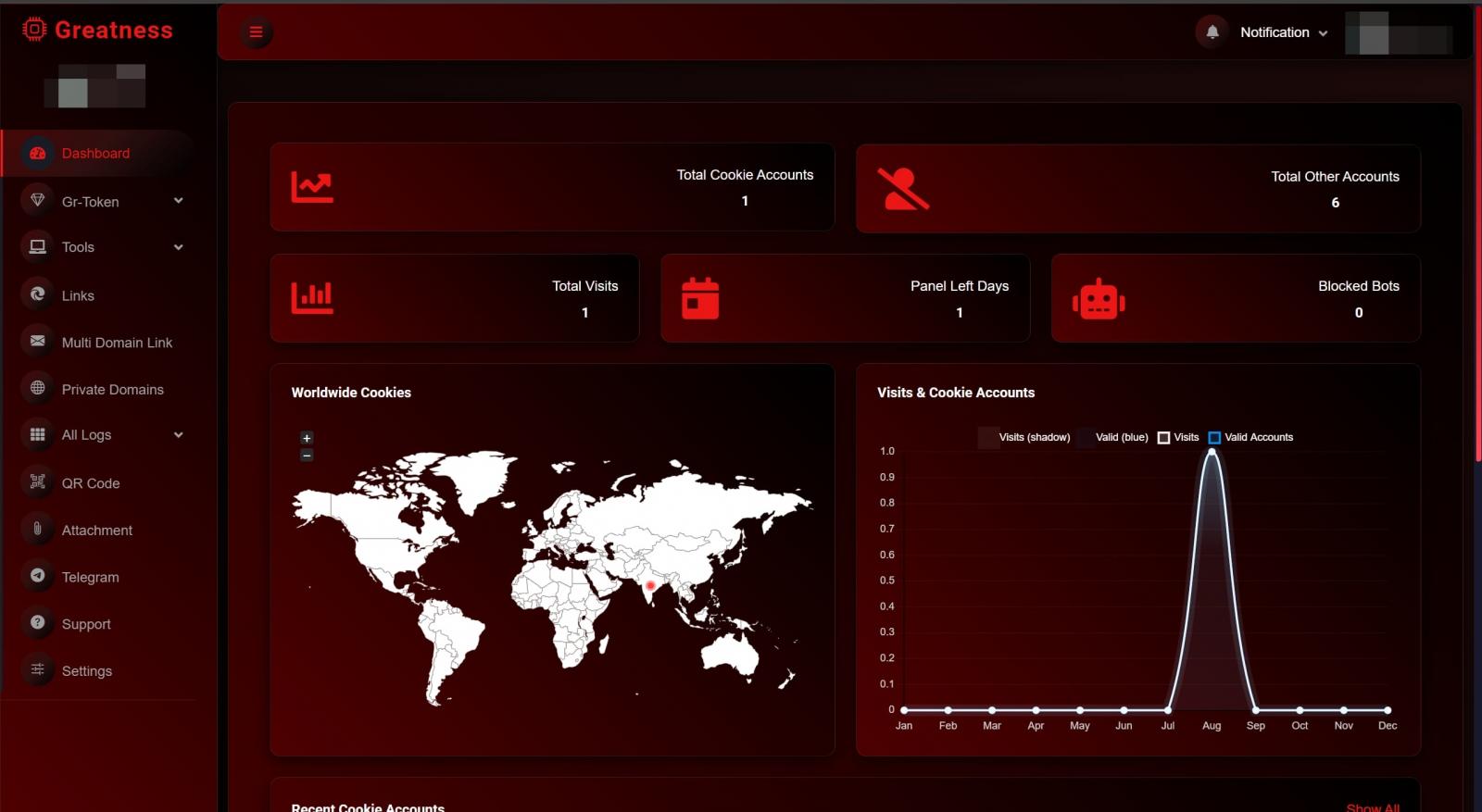
A critical aspect of the Greatness campaign against RingCentral users potentially lies in its opportunistic timing. RingCentral recently disclosed a data breach incident, publicly acknowledged on July 28, which was attributed to the notorious threat actor group ShinyHunters. While RingCentral stated the incident affected a "limited portion" of its customers, the confluence of events raises a significant hypothesis: it is plausible that cybercriminals operating Greatness acquired a list of valid RingCentral users from this breach. Such a list would provide a goldmine of pre-validated targets, significantly enhancing the efficacy of their social engineering efforts by ensuring that their spoofed emails reached actual users of the platform. Although a definitive, confident connection between the two incidents cannot be empirically established at this stage, the potential for such a linkage highlights the interconnected nature of cybercrime and how data from one breach can fuel subsequent, more targeted attacks, creating a cascading effect of vulnerability across the digital ecosystem. This illustrates the broader implications of supply chain risks, where a compromise at one vendor can expose their customer base to subsequent, sophisticated attacks.
In light of these escalating threats, robust and multi-layered defensive strategies are imperative for organizations utilizing cloud services like Microsoft 365. Security experts strongly recommend a comprehensive overhaul of email security configurations. This includes rigorously auditing safe-sender lists and migrating away from blanket domain exclusions towards more granular rules that mandate valid email authentication (SPF, DMARC, DKIM) for all incoming mail, even from trusted partners. Implementing strict DMARC policies set to ‘reject’ can significantly reduce the delivery of spoofed emails. Organizations should also deploy advanced threat protection (ATP) solutions that utilize artificial intelligence and machine learning to detect anomalies in email traffic and identify sophisticated phishing attempts that bypass traditional signature-based filters.
Beyond email, strengthening identity and access management (IAM) frameworks is paramount. This involves moving beyond less secure forms of multi-factor authentication, such as SMS-based codes, to more robust methods like hardware tokens, FIDO2 security keys, or app-based push notifications with number matching. The implementation of conditional access policies is crucial, enforcing stricter requirements for access based on user location, device compliance, and application context. Continuous monitoring of authentication logs for anomalous sign-in patterns—such as access from unusual geographic locations, multiple failed login attempts, or the detection of token replay activities from hosting or VPN infrastructure—is vital for early detection of compromise. Endpoint Detection and Response (EDR) and Extended Detection and Response (XDR) solutions should be deployed across all endpoints to provide real-time visibility and enable rapid response to post-compromise activities.
In the event of suspected compromise, administrators must initiate a swift and decisive incident response protocol. This includes immediately revoking all access and refresh tokens for the compromised accounts, conducting a thorough review of OAuth consent grants to identify any unauthorized application permissions, and meticulously auditing Microsoft Graph activity logs for suspicious API calls or data access patterns. Furthermore, organizations must invest in continuous security awareness training for their employees, educating them not just on basic phishing indicators but also on advanced tactics like AiTM and device-code phishing, emphasizing the critical importance of scrutinizing URLs, verifying sender identities, and reporting any suspicious communications. Simulated phishing exercises can also help fortify human defenses against these evolving threats.
The Greatness PhaaS platform and its exploitation of RingCentral trust underscore the dynamic and increasingly sophisticated nature of the cyber threat landscape. As threat actors continue to refine their methodologies and leverage readily available, advanced tools, organizations face a persistent challenge in securing their digital perimeters. The interconnectedness of breaches, where data from one compromise fuels subsequent targeted attacks, creates a complex web of vulnerabilities. Consequently, a proactive, adaptive, and multi-faceted security posture, combining robust technical controls with continuous vigilance and comprehensive user education, remains the only viable defense against such pervasive and evolving threats.



 Aura Kasih
 Ayu Aulia