Aura Kasih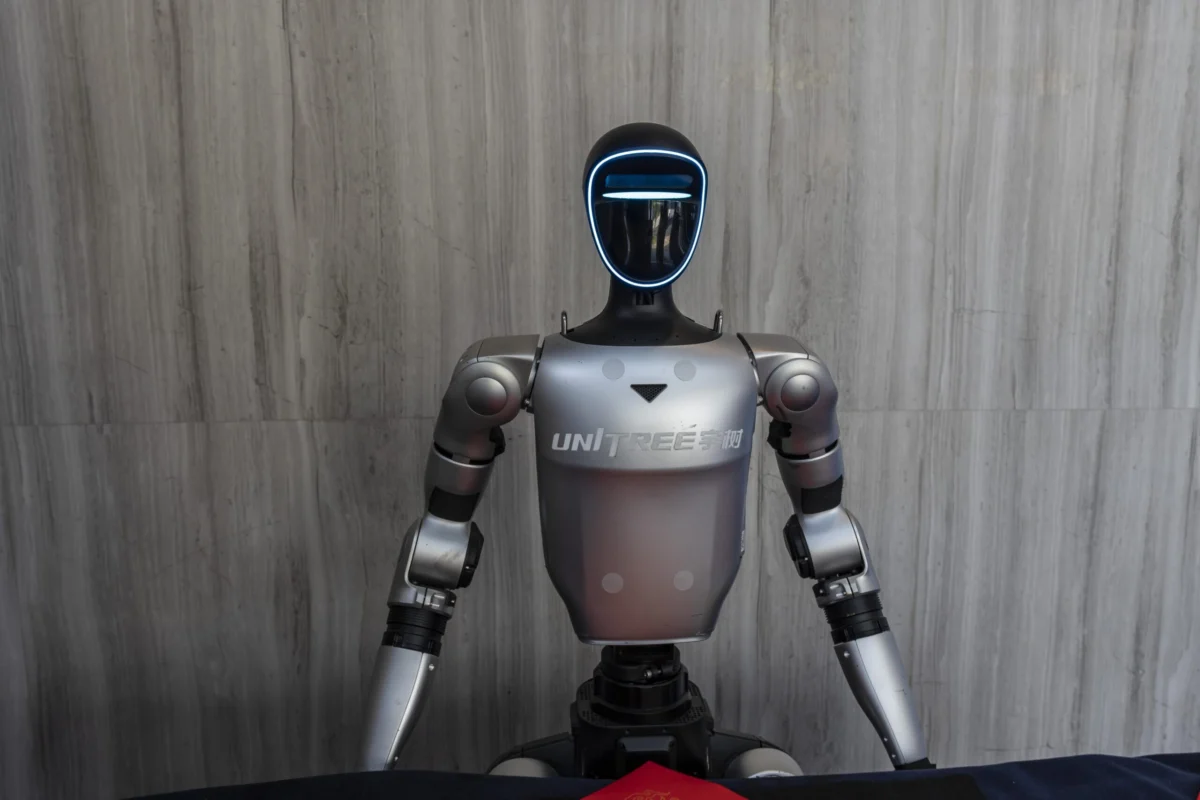
In a significant move signaling a strategic pivot in its technological and national security posture, the United States has enacted a broad prohibition on the importation of advanced robotic devices and power inverters originating from foreign nations. This directive, disseminated by the Federal Communications Commission (FCC), aims to bolster domestic technological development and mitigate perceived security vulnerabilities associated with reliance on overseas manufacturing for critical infrastructure components. The ban specifically targets devices capable of autonomous locomotion and environmental interaction, alongside essential components for renewable energy systems, with a clear emphasis on safeguarding the burgeoning artificial intelligence and clean energy sectors within the United States.
The FCC’s announcement, a culmination of ongoing governmental scrutiny into the provenance of advanced technologies, casts a wide net, encompassing "mobile" robotic systems. This designation is not confined to anthropomorphic or quadrupedal robots, but extends to any automated machine exhibiting sophisticated capabilities. While the FCC maintains that the policy is not country-specific, the timing and scope of the ban inevitably draw attention to China, a global leader in the rapid advancement and production of humanoid robotics. This emerging sector, characterized by viral demonstrations of impressive, albeit sometimes imperfect, robotic performances in diverse public arenas, is now directly impacted by this regulatory action. Concurrently, the domestic landscape sees American companies like Tesla reportedly reallocating resources from established vehicle lines to accelerate the development and production of their own advanced robotics platforms, underscoring the growing emphasis on indigenous innovation.
Beyond the realm of robotics, the ban also directly addresses the critical segment of power inverters, a foundational element for solar photovoltaic systems and other renewable energy infrastructure. China currently dominates the global market for these devices, hosting key manufacturers such as Sungrow and the previously sanctioned Huawei. The FCC’s justification for this comprehensive embargo rests on the assertion of "unacceptable risks to the national security of the United States or the safety and security of United States persons." This rationale highlights a growing concern within national security circles regarding the potential for foreign-sourced technology to harbor covert vulnerabilities or to be susceptible to external influence, thereby compromising critical infrastructure and sensitive data.
Further elaborating on the scope of the robotics ban, the FCC has provided a detailed definition of an "advanced robotic device." This definition centers on a machine’s capacity for autonomous movement, including locomotion, obstacle avoidance, and navigation across terrestrial surfaces. Crucially, these devices must incorporate environmental sensing capabilities and possess integrated network connectivity via a dedicated chip. The threshold for classification as an "advanced robotic device" is set at a weight exceeding 4.4 pounds, inclusive of any associated docking station. This broad definition suggests that even consumer-oriented devices, such as sophisticated robot vacuums, could fall under the purview of the ban unless they secure specific exemptions. The FCC’s accompanying National Security Determination explicitly references prior reporting on the security deficiencies found in certain consumer robots, indicating a pattern of concern regarding the cybersecurity posture of foreign-manufactured automated systems.
The regulatory framework established by this ban mirrors previous actions taken by the U.S. government, such as the prohibition on foreign-made routers, which aimed to secure telecommunications networks. Companies seeking to import new robotic devices or power inverters that fall under the restricted categories are now required to apply for waivers. However, the current waiver application process does not stipulate requirements for enhancing the inherent security features of the devices themselves. Existing robotic systems and power inverters already deployed within the United States are exempt from this prohibition, allowing individuals and organizations to continue utilizing their current equipment without interruption.
A central tenet of the waiver application process appears to be a directive towards relocating the design and manufacturing base of these technologies to the United States. Industry sources suggest that the FCC is poised to grant exemptions to a significant number of non-Chinese suppliers, indicating a nuanced approach that prioritizes diversification of supply chains and encourages domestic production. This strategy aligns with broader governmental objectives to foster reshoring initiatives and reduce dependence on geopolitical rivals for critical technological components.
The FCC has also issued an additional waiver to allow for the continued provision of security and compatibility updates for all affected robots and power inverters until January 1, 2029. However, the agency’s explanation of how these updates will be managed has been met with scrutiny, particularly given that companies are not presently mandated to report the deployment of security patches to the FCC. This suggests a potential disconnect between the regulatory intent and the practical implementation of update management, raising questions about the long-term efficacy of ensuring the continued security of these devices.
Broader Implications and Strategic Foresight
The U.S. government’s proactive stance on banning foreign-made advanced robotics and power inverters represents a significant escalation in the ongoing technological competition, particularly with China. This move is not merely a reactive measure to perceived security threats but a strategic imperative aimed at shaping the future landscape of critical industries. By restricting the influx of certain foreign technologies, the U.S. seeks to catalyze domestic innovation, foster the growth of American companies, and establish robust, secure supply chains for technologies deemed essential for national defense and economic prosperity.
The implications for the burgeoning robotics sector are profound. The ban will likely accelerate investment in domestic research and development, spurring the creation of new startups and the expansion of existing players focused on AI-driven autonomous systems. Companies that have previously relied on foreign manufacturing will now face a critical decision: either seek waivers and commit to significant investments in U.S.-based production facilities, or pivot to developing technologies that fall outside the scope of the ban. This could lead to a diversification of the robotics market, with a greater emphasis on specialized applications and highly secure, domestically produced solutions. The emphasis on "mobile" robots, encompassing a wide array of autonomous platforms, suggests a future where automated systems are increasingly integrated into diverse sectors, from logistics and manufacturing to healthcare and public safety, all under a more controlled and secure technological ecosystem.
In the realm of renewable energy, the ban on foreign power inverters carries substantial weight. As the United States intensifies its commitment to decarbonization and energy independence, the reliance on imported components for solar and other renewable energy systems has been a point of vulnerability. By encouraging domestic manufacturing of power inverters, the U.S. aims to not only enhance energy security but also to create high-skilled jobs and stimulate economic growth within the clean energy sector. This policy could foster greater collaboration between the government and private sector to develop advanced inverter technologies that meet stringent security and performance standards, potentially leading to more resilient and efficient renewable energy infrastructure.
The FCC’s definition of "advanced robotic devices" is notably broad, encompassing machines with sophisticated locomotion, environmental awareness, and network connectivity. This forward-looking definition suggests an anticipation of future robotic capabilities, moving beyond current limitations to encompass a more pervasive integration of autonomous systems into daily life and critical operations. The explicit mention of consumer robots with known security vulnerabilities indicates a clear intent to address potential attack vectors that could be exploited by foreign adversaries. The requirement for a substantial weight threshold (4.4 pounds) may serve to differentiate between simple automated devices and more complex, potentially impactful robotic systems, though the flexibility of the definition leaves room for future interpretation and expansion.
The waiver process, while offering a pathway for continued market access, inherently places the onus on foreign manufacturers to demonstrate a commitment to U.S. industrial development. The expectation that applicants will present detailed plans for establishing or expanding manufacturing within the United States signals a clear preference for a localized production model. This approach aligns with a broader national strategy to de-risk supply chains and build domestic capacity in strategically important technological sectors. The potential for exemptions for non-Chinese suppliers suggests a more targeted approach, aimed at diversifying global sourcing while still addressing specific geopolitical concerns.
The provision for continued security and compatibility updates until 2029, while offering a temporary reprieve, also highlights an ongoing challenge: ensuring the long-term security and integrity of a diverse and evolving technological landscape. The absence of mandatory reporting for security updates raises questions about the effectiveness of oversight and the ability to proactively identify and mitigate emerging threats. This aspect of the policy may require further refinement and increased transparency from manufacturers to ensure that the intended security benefits are fully realized.
Future Outlook and Technological Sovereignty
The U.S. ban on foreign robots and power inverters is a clear indicator of a global trend towards technological sovereignty, where nations are increasingly prioritizing the development and control of their own critical technologies. This policy is likely to catalyze a more intense global competition in advanced robotics and renewable energy components, with other nations potentially adopting similar protectionist measures or investing heavily in their domestic capabilities to counter U.S. initiatives.
The long-term success of this policy will hinge on several factors, including the effectiveness of the waiver process in encouraging domestic manufacturing, the pace of innovation within the U.S. robotics and energy sectors, and the government’s ability to foster a secure and resilient technological ecosystem. The emphasis on national security and safety, as articulated by the FCC, suggests a continued vigilance regarding the provenance and security of advanced technologies. As the United States endeavors to build a more robust and independent technological future, this ban represents a significant step in that direction, reshaping the global landscape of advanced manufacturing and technological interdependence. The coming years will reveal the full extent of its impact on innovation, economic development, and the strategic balance of power in the global technological arena.



 Safa Marwah
 Ayu Aulia