Aura Kasih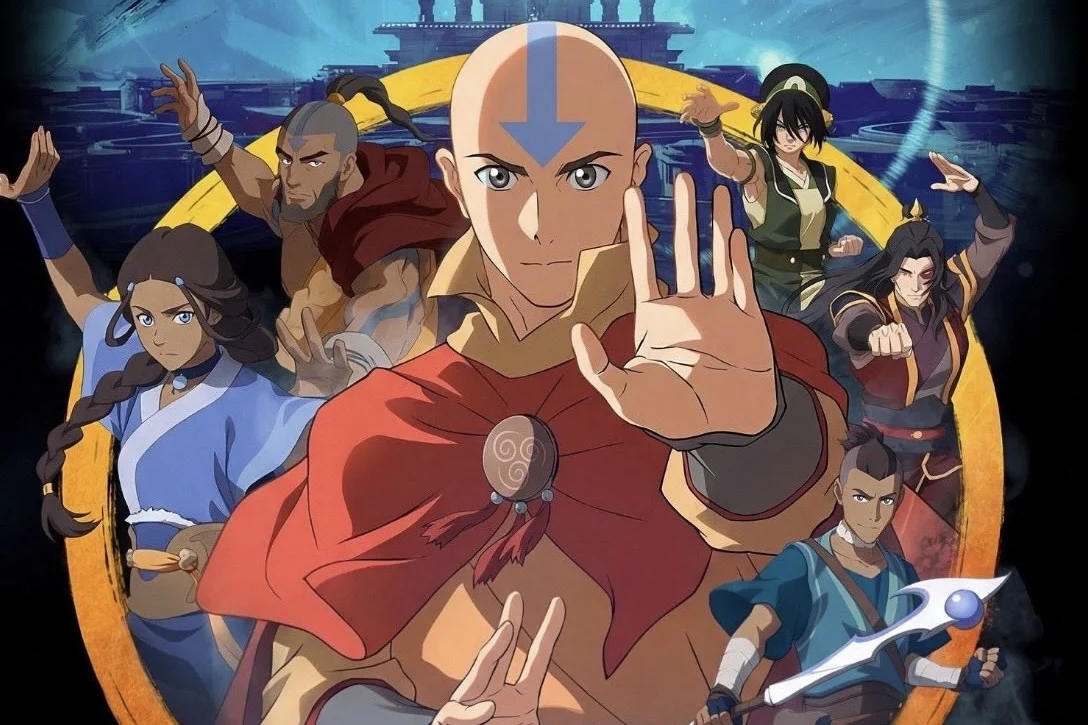
Authorities in Singapore have apprehended a 26-year-old individual in connection with the unauthorized dissemination of Paramount’s highly anticipated animated feature, "Avatar: The Last Airbender," a significant breach that prompted an intensive internal investigation by the studio.
The digital integrity of one of Hollywood’s most beloved franchises has been profoundly tested with the recent arrest of a suspect believed to be responsible for leaking the entirety of the upcoming animated film, "Avatar: The Last Airbender," onto the internet. This development follows a swift and thorough investigation launched by Paramount Skydance after the film, originally slated for a premiere on Paramount Plus, appeared online months ahead of its scheduled October 9th release. The leak, which surfaced on April 11th via an anonymous post on X (formerly Twitter), claimed the movie was accidentally emailed to the user by an individual associated with Nickelodeon, a subsidiary of Paramount Skydance. While the original post has since been removed, the leaked footage rapidly proliferated across digital platforms, causing considerable disruption and concern within the entertainment industry.
The arrested individual, whose identity has not been publicly disclosed, is alleged to have gained unauthorized access to a server hosting the film’s data. According to reports from Singaporean police, a complete copy of the unreleased movie was discovered on the suspect’s electronic devices. The legal ramifications for such an offense are severe; if convicted of unauthorized access to computer material, the suspect faces a potential jail sentence of up to ten years and a substantial fine of $50,000. This incident underscores the escalating sophistication of digital piracy and the critical need for robust cybersecurity measures within major entertainment conglomerates.
The nature of the leak initially fueled speculation about an insider job, with the anonymous X account holder alleging an accidental email transmission from within Nickelodeon. However, subsequent statements from an individual claiming to be behind the leak account, speaking to The Hollywood Reporter, suggested a different motive and source. This individual asserted an intention to "troll a little bit," ostensibly as a protest against Paramount’s decision to debut "Avatar: The Last Airbender" directly on its streaming service rather than opting for a traditional theatrical release, a departure from earlier studio announcements. Crucially, this purported leaker also claimed they did not intend to upload the entire film, having originally received it from a hacker associated with the PeggleCrew hacking collective. Paramount’s internal investigation reportedly concluded that the breach did not originate from within the company’s own personnel, suggesting a complex chain of digital infiltration.
This breach represents a particularly jarring incident in the ongoing battle against piracy, not only due to the sheer volume of leaked content – an entire high-definition feature film – but also because of its timing, surfacing months before its intended debut. For fans of the "Avatar" universe, the leak carries additional weight. "Avatar: The Last Airbender" is the first of three planned animated films and marks the return of series co-creators Bryan Konietzko and Michael Dante DiMartino to the franchise. Their involvement is highly anticipated, especially given their abrupt departure from Netflix’s live-action adaptation of the original animated series. The unauthorized release has understandably cast a shadow over this significant creative reunion.
The impact of the leak has resonated beyond the studio, with individuals closely connected to the "Avatar" franchise publicly voicing their dismay. Michaela Jill Murphy, the original voice actress for Toph Beifong, took to TikTok to implore her followers to refrain from engaging with the leaked material out of respect for the immense effort invested by the creative team. Similarly, animator Julia Schoel, who contributed to "Avatar: The Last Airbender," expressed her strong disapproval on X, directly addressing the alleged leaker’s rationale. Schoel unequivocally stated that while she understood potential dissatisfaction with Paramount’s decision to release the film directly to streaming, pirating the movie after its official release would have been a more palatable outcome. She emphasized that preemptively distributing the film was "incredibly disrespectful to all of the hard work the artists put in." This sentiment highlights the profound impact of piracy on the livelihoods and creative endeavors of the individuals who bring these beloved stories to life.
The arrest in Singapore arrives in the wake of other high-profile legal actions against content dissemination. Just days prior, a Tokyo district court sentenced an individual to prison for operating a website dedicated to distributing spoiler-filled summaries of new films and series. These concurrent events signal a hardening stance by studios and rights holders against the unauthorized distribution of their intellectual property. The entertainment industry has long grappled with the challenges posed by digital piracy, but the increasing frequency and sophistication of these breaches, coupled with decisive legal responses, suggest a potential turning point in how such violations are addressed. The "Avatar" leak, therefore, is not merely an isolated incident but a symptom of a larger, evolving struggle to safeguard creative works in the digital age.
The ramifications of this leak extend beyond immediate financial losses and damage to pre-release buzz. It raises critical questions about the security protocols employed by major studios and the vulnerabilities inherent in digital distribution pipelines. The fact that an entire feature film could be accessed and disseminated suggests potential weaknesses in access control, data transfer mechanisms, or even internal human error, despite Paramount’s assertions that the leak did not originate from within the company. This incident will likely prompt a comprehensive review of cybersecurity best practices across the industry, potentially leading to the implementation of more stringent access management systems, enhanced encryption technologies, and more robust employee vetting and monitoring processes. The incident also highlights the interconnectedness of the digital ecosystem, where a breach at one point in the supply chain can have widespread and damaging consequences.
Furthermore, the narrative surrounding the leak—the alleged motivation of protesting a streaming-exclusive release—points to a growing tension between traditional distribution models and the evolving landscape of content consumption. While direct-to-streaming releases offer convenience and accessibility to consumers, they can also alienate segments of the audience who prefer or rely on theatrical experiences, and they can be perceived by some as devaluing the artistic and cultural significance of cinema. The actions of the alleged leaker, however misguided, tap into a sentiment that may resonate with some viewers, underscoring the need for studios to carefully consider audience expectations and the potential repercussions of their distribution strategies.
The legal consequences for the arrested individual, should they be found guilty, serve as a stark warning to others contemplating similar actions. The severe penalties underscore the seriousness with which intellectual property theft is now being treated. This aggressive legal posture, coupled with technological advancements in digital rights management and content tracking, may deter some potential infringers. However, the cat-and-mouse game between copyright holders and pirates is likely to continue, with innovators on both sides constantly seeking new methods to protect and circumvent digital content.
Looking ahead, the successful apprehension of a suspect in this high-profile leak could embolden other studios to pursue similar legal avenues against individuals responsible for unauthorized content dissemination. This could lead to a more litigious environment within the entertainment industry, with a greater emphasis on prosecuting those who engage in digital piracy. The "Avatar" leak, therefore, may be a harbinger of a more aggressive era of intellectual property enforcement, signaling a clear message that the costs of such breaches are becoming increasingly untenable. The long-term implications for content creation, distribution, and consumption will undoubtedly continue to unfold as the industry navigates the complex challenges of the digital age. The resolution of this case will be closely watched as an indicator of the future direction of digital content protection and enforcement.


 Safa Marwah
 Ayu Aulia