Aura Kasih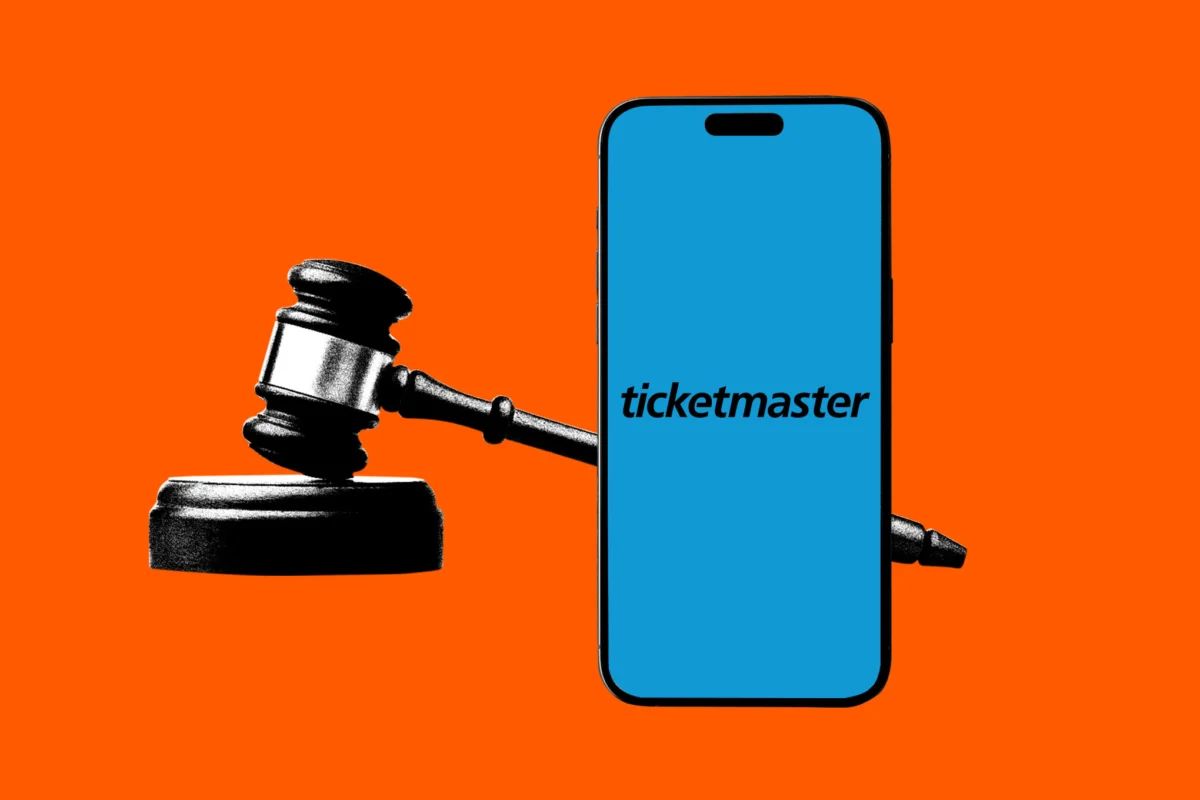
A Manhattan jury has delivered a resounding verdict, finding Live Nation Entertainment, and its subsidiary Ticketmaster, guilty of operating as an illegal monopoly. This pivotal decision, reached after extensive deliberations, affirms accusations that the entertainment giant has engaged in anticompetitive practices across multiple facets of the live event industry. The jury’s findings were conclusive on three critical fronts: the unlawful monopolization of the live event ticketing market, the monopolization of amphitheater ownership and operation, and the illegal tying of its concert promotion services to the exclusive use of its venues.
The implications of this verdict are profound, potentially reshaping the landscape of live entertainment in the United States. The jury’s determination aligns with the ultimate objective of the lawsuit initially brought forth by the Biden administration’s Department of Justice (DOJ). This objective was, and remains, the potential divestiture or breakup of the Live Nation-Ticketmaster entity. Such a drastic outcome would represent a significant escalation from a prior settlement negotiated by the Trump administration’s DOJ, which offered more limited concessions. While the ultimate remedies remain to be determined by Judge Arun Subramanian, and are likely to face protracted appeals, the jury’s finding of liability is a clear mandate for significant change. Judge Subramanian will also be tasked with quantifying the financial penalties, a task informed by the jury’s assessment that Ticketmaster overcharged consumers by approximately $1.72 per ticket.
The trial, which spanned approximately six weeks, was a complex legal battle involving a broad coalition of stakeholders. Notably, 34 out of the 40 state attorneys general who initially joined the litigation opted to pursue their claims independently after the federal government reached its settlement with Live Nation. These states sought a more comprehensive resolution than the federal agreement, which primarily mandated that Live Nation relinquish exclusive booking agreements at 13 amphitheaters and place caps on certain Ticketmaster fees. The decision by these states to continue the fight underscores a persistent concern regarding the market dominance of Live Nation-Ticketmaster and its impact on consumer choice and fair competition.
During the proceedings, the courtroom heard testimony from a diverse array of individuals and entities central to the live entertainment ecosystem. This included high-ranking executives from Live Nation, such as its Chief Executive Officer Michael Rapino, who were questioned about the company’s business strategies and market conduct. The perspectives of artists and their representatives, including Ben Lovett of Mumford & Sons and Drake’s manager Adel Nur, provided crucial insights into the practical challenges faced by performers in navigating the ticketing and venue landscape. Rival ticketing platforms, such as SeatGeek, also presented evidence detailing the competitive disadvantages they encountered. Furthermore, executives from prominent concert venues, including the former CEO of Brooklyn’s Barclays Center, offered testimony regarding the pressures and decisions they faced in their dealings with Live Nation-Ticketmaster.
The narrative presented by the coalition of states painted a picture of a company that wielded its considerable power to coerce venues into exclusive ticketing arrangements. Evidence suggested that Live Nation utilized implicit threats of withholding concerts from venues that did not exclusively utilize Ticketmaster’s services. Moreover, the sheer breadth of Live Nation’s control over a significant portion of the nation’s outdoor amphitheaters was argued to create an insurmountable barrier for artists attempting to organize nationwide tours without engaging with the company’s promotional and ticketing infrastructure. In its defense, Live Nation contended that it provides a superior service, supported by some consumer testimony, and that it operates within a fiercely competitive market, vigorously pursuing business opportunities.
The verdict has elicited strong reactions from key figures in antitrust enforcement. Acting DOJ antitrust chief Omeed Assefi characterized the outcome as a "fantastic result for the American people." He highlighted that while the DOJ and some states secured immediate relief through their settlement, the remaining states have now achieved a crucial finding of liability, paving the way for a further phase of litigation focused on remedies. Assefi emphasized that this scenario benefits all parties except Live Nation. New York Attorney General Letitia James, who spearheaded the coalition of states that pressed forward with the case, hailed the verdict as a "landmark victory."
Attorney General James articulated that the jury’s decision validates long-held suspicions that Live Nation and Ticketmaster have been operating unlawfully, to the financial detriment of consumers. She expressed pride in leading a bipartisan group of attorneys general in this endeavor and reaffirmed her commitment to holding the company accountable.
The legal community and antitrust experts have also weighed in, with several former and current enforcers sharing their perspectives. Former heads of the DOJ Antitrust Division, Gail Slater and Jonathan Kanter, offered congratulations to the state attorneys general for successfully navigating the complex litigation. Slater remarked that the state attorneys general had made antitrust history, while Kanter described the case as potentially the "most popular antitrust case ever," asserting that "the rule of law is alive and well." Their endorsements underscore the significance of this verdict within the broader context of antitrust enforcement and the ongoing efforts to ensure fair competition in the digital age.
The genesis of the current legal challenges can be traced back to a period of significant consolidation in the ticketing and live event promotion industries. In 2010, Live Nation completed its merger with Ticketmaster, creating an entity that commanded an unprecedented level of influence over the entire live entertainment value chain, from artist promotion and venue management to ticket sales. Critics argued that this vertical integration granted the combined company immense market power, allowing it to dictate terms to artists, venues, and consumers alike. The DOJ’s initial investigation into the merger itself, and subsequent actions, reflect a growing concern among regulators about the potential for such concentrated market power to stifle competition and harm consumers.
The legal framework under which this case was adjudicated is primarily rooted in the Sherman Antitrust Act, specifically Section 2, which prohibits monopolization. The core of the government’s and the states’ argument centered on demonstrating that Live Nation-Ticketmaster possesses monopoly power in relevant markets and has willfully maintained that power through exclusionary or anticompetitive conduct. The concept of "relevant market" is critical in antitrust law, defining the scope of competition. In this instance, the markets were identified as live event ticketing, concert promotion, and the operation of amphitheaters. The prosecution sought to prove that Live Nation-Ticketmaster controlled a dominant share of these markets, effectively eliminating meaningful competition.
The evidence presented during the trial likely focused on several key aspects of Live Nation-Ticketmaster’s business practices. This would include exclusive long-term contracts with venues, which limit their ability to contract with other ticketing providers. The prosecution would have aimed to demonstrate that these contracts were not the result of superior service but rather of coercive tactics or the leveraging of market power. Furthermore, the "tying" claim suggests that Live Nation leveraged its dominance in one market (e.g., concert promotion) to force customers to purchase services in another (e.g., ticketing or venue access). This practice can artificially inflate prices and reduce consumer choice.
The defense, conversely, would have sought to rebut these claims by arguing that Live Nation-Ticketmaster’s market share is a reflection of its efficiency, innovation, and the superior quality of its services. They may have argued that the live event industry is inherently competitive, with numerous players vying for market share, and that the company’s success is a result of providing value to artists, venues, and fans. The defense would also likely have challenged the definition of the relevant markets, arguing that they are broader than alleged by the prosecution, thus reducing Live Nation-Ticketmaster’s market share and demonstrating the presence of robust competition.
The jury’s verdict, finding Live Nation-Ticketmaster liable for illegal monopolization, suggests that they found the prosecution’s arguments more persuasive. This implies that the jurors were convinced that the company’s practices were not merely the result of competitive success but rather of deliberate actions to suppress competition and maintain an illegal monopoly. The finding of liability on three distinct counts provides a strong foundation for potential structural remedies, such as divestiture.
The potential breakup of Live Nation-Ticketmaster would be a monumental event in the history of antitrust enforcement in the United States. It would involve separating the ticketing operations from the concert promotion and venue management arms of the business, creating distinct entities that would then compete with each other. Such a move is intended to foster greater competition, reduce the company’s ability to engage in anticompetitive practices, and ultimately benefit consumers through lower prices, improved services, and a wider array of choices.
However, the path to a breakup is not straightforward. Judge Subramanian has considerable discretion in determining the appropriate remedies. While a breakup is the stated goal of the DOJ, alternative remedies could include more stringent behavioral commitments, such as prohibitions on certain exclusive contracts or mandatory divestitures of specific assets. The process will also be subject to appeals from Live Nation, which could prolong the legal battle for years. The final resolution will hinge on a careful balancing of the jury’s findings, legal precedent, and the practicalities of implementing effective remedies.
The financial implications for Live Nation are also significant. The jury’s finding of overcharging consumers by $1.72 per ticket, while seemingly small on a per-ticket basis, could translate into hundreds of millions of dollars in damages when aggregated across millions of tickets sold annually. The determination of the total damages owed will be a crucial next step in the legal process and will undoubtedly be a point of contention during any subsequent proceedings.
The reverberations of this verdict extend beyond the immediate legal and financial consequences for Live Nation-Ticketmaster. It serves as a powerful signal to other dominant companies across various industries that antitrust laws will be enforced vigorously. It also bolsters the confidence of state attorneys general and federal agencies in their ability to challenge large, powerful corporations that may be abusing their market positions. The case underscores the enduring relevance of antitrust law in protecting consumers and fostering a healthy, competitive marketplace, especially in sectors that are integral to public experience and enjoyment. The future of live entertainment in the United States may well be defined by the fallout from this critical jury decision.




 Lisa Mariana
 Safa Marwah
 Ayu Aulia