Aura Kasih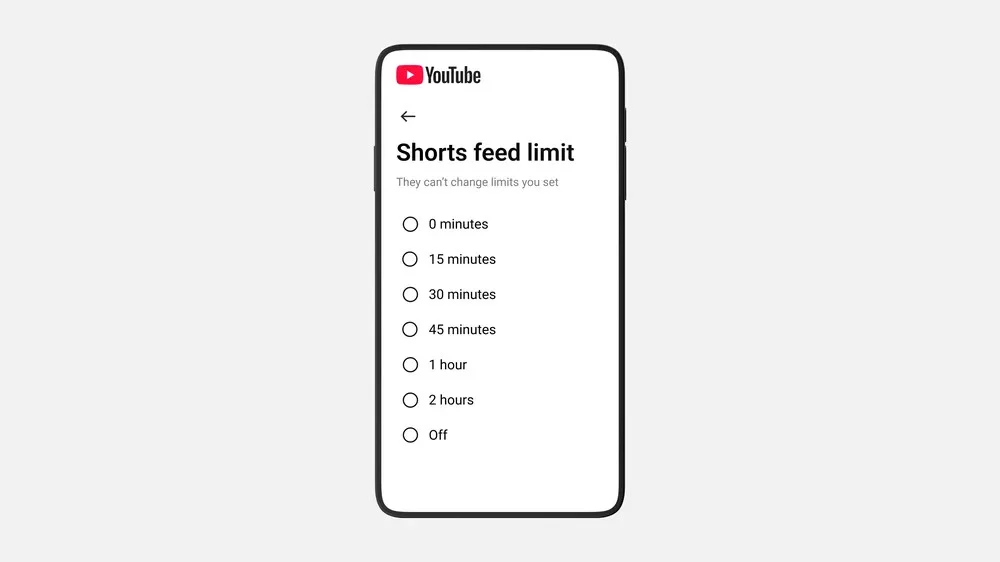
In a significant move toward user autonomy, YouTube has introduced a new setting that allows individuals to completely disable the Shorts feed, effectively removing the short-form video content from their app experience on both Android and iOS devices. This update significantly enhances YouTube’s existing time management tools, offering a previously unavailable option to set a zero-minute time limit, thereby granting users unprecedented control over their content consumption.
The digital landscape of video consumption has been dramatically reshaped by the meteoric rise of short-form content. Platforms like TikTok, and subsequently YouTube with its Shorts feature, have capitalized on the human inclination for quick, digestible entertainment. This has led to an increasingly fragmented viewing experience, where users are constantly presented with an endless stream of bite-sized videos designed to capture and hold attention. While this format has proven incredibly popular, its pervasive nature has also sparked concerns regarding time management, potential addiction, and the displacement of longer-form, more in-depth content. In response to these growing anxieties, and in an effort to cater to a diverse user base with varying content preferences, YouTube has now empowered its users with a definitive tool to opt out of this rapidly expanding segment of its platform.
This latest iteration of YouTube’s time management features builds upon earlier initiatives. Initially, the platform introduced a Shorts timer in October, allowing users to set daily limits, with the lowest available option being 15 minutes. This was a foundational step towards acknowledging the need for more conscious engagement with short-form content. The subsequent expansion of this feature in January was particularly noteworthy, as it integrated parental controls, offering guardians the ability to regulate their children’s screen time on Shorts. Crucially, this parental control update included a "coming soon" indication for a zero-minute option, a signal that the feature’s potential for complete exclusion was on the horizon.
Now, with the zero-minute time limit officially live for all users, regardless of age, YouTube is demonstrating a clear commitment to user agency. According to official statements from YouTube spokesperson Makenzie Spiller, this functionality is actively being rolled out across the platform, ensuring that both parents and general adult users can leverage this powerful new setting. This widespread availability signifies a departure from a one-size-fits-all approach to content delivery, recognizing that different users have distinct needs and preferences for their digital environments.
The implications of this development are multifaceted. For individuals who find themselves increasingly drawn into the addictive cycle of endless scrolling, the ability to simply turn off Shorts offers a tangible solution for reclaiming their time and attention. The zero-minute setting functions by rendering the dedicated Shorts tab inaccessible, displaying a simple notification that the user has "reached your Shorts feed limit." More significantly, in practical testing, setting the timer to zero also effectively removes Shorts from appearing in the main Home feed, thereby ensuring that users who wish to avoid this content entirely can do so with a single setting adjustment. This comprehensive removal addresses the concern that short-form content might still bleed into other areas of the YouTube experience, even with a time limit in place.

To access this new control, users are directed to navigate to the "Settings" menu within the YouTube application. From there, they can select "Time Management," where they will find the option to toggle on the "Shorts feed limit." Once activated, users can then choose their desired time duration, with zero minutes being the ultimate choice for complete exclusion. This streamlined process underscores YouTube’s intention to make this feature easily discoverable and usable for its vast global audience.
The introduction of the zero-minute Shorts limit can be viewed as a strategic response to several converging trends in the digital media ecosystem. Firstly, the growing awareness and concern surrounding digital well-being and screen time addiction have placed significant pressure on technology companies to provide more user-centric tools. Platforms that offer more control over content consumption are likely to foster greater user loyalty and a more positive brand perception. Secondly, the competitive landscape of video streaming is constantly evolving. While short-form content has been a major growth driver, YouTube also remains a dominant force in longer-form, educational, and entertainment content. By allowing users to opt out of Shorts, YouTube can potentially reinforce its appeal to audiences who prioritize deeper engagement with its traditional video offerings, preventing them from migrating to platforms that might offer a less intrusive short-form experience.
Furthermore, this move could signal a broader shift in how major platforms approach content curation. The traditional algorithmic approach, while effective at maximizing engagement, can sometimes lead to an overwhelming and even monotonous user experience. Providing users with the agency to curate their own digital environments, by selecting which content formats they wish to engage with, represents a more personalized and potentially more satisfying user journey. This could pave the way for future features that offer even more granular control over content types, categories, and even specific creators.
From an analytical perspective, the success of this feature will be measured not only by its adoption rate but also by its impact on overall user engagement metrics. While some might predict a decline in Shorts consumption, it’s also plausible that by reducing user frustration and promoting a more intentional viewing experience, the feature could indirectly lead to increased engagement with other aspects of YouTube. Users who feel empowered and respected by the platform are more likely to remain active and invested.
The implications for content creators are also worth considering. While this feature might reduce the organic discoverability of Shorts for users who opt out, it also means that the audience that does engage with Shorts will likely be more dedicated and receptive. Creators who focus on short-form content might need to adapt their strategies, perhaps by more effectively cross-promoting their longer-form content or by leveraging other YouTube features to reach their target audience. However, it’s important to note that this setting does not preclude creators from producing Shorts; it merely gives users the choice to not view them.
Looking ahead, this development positions YouTube as a platform that is increasingly attuned to the evolving needs and concerns of its user base. As digital habits continue to shift, and as the debate around the impact of technology on mental well-being intensifies, platforms that prioritize user control and offer robust customization options are likely to gain a significant advantage. The ability to "turn off" an entire content format, rather than just set a time limit, is a bold step that sets a new precedent for user empowerment in the digital age. It suggests a future where users are not merely passive recipients of algorithmic recommendations but active participants in shaping their own online experiences, a trend that could redefine the relationship between consumers and content platforms. This proactive approach to user control is likely to be a key differentiator in the ongoing battle for audience attention and loyalty in the crowded digital media space.




 Lisa Mariana
 Safa Marwah
 Ayu Aulia