Aura Kasih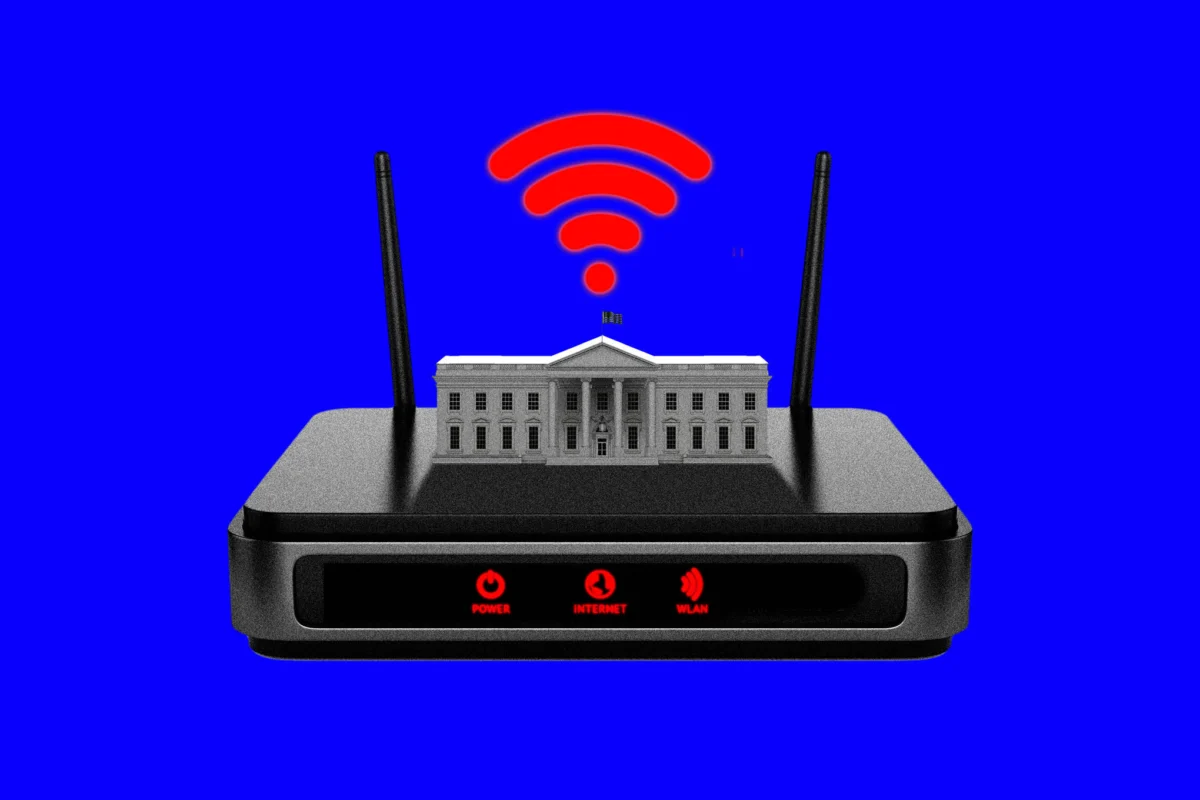
In a move that has raised eyebrows within the technology and cybersecurity sectors, the Federal Communications Commission (FCC) has granted Netgear a provisional waiver, allowing the company to continue importing a range of its consumer networking devices into the United States. This decision comes despite the FCC’s broader directive to phase out the importation of future routers manufactured by companies not adhering to specific domestic production requirements, a policy that has been in effect since March 2026. The exemption, valid until October 1, 2027, is particularly perplexing given that Netgear currently manufactures its devices in Asia and has not publicly disclosed any immediate plans to establish or expand its manufacturing footprint within the United States.
The FCC’s recent pronouncement, alongside Netgear’s own communication, offers scant explanation for this seemingly contradictory development. The official FCC statement merely indicates that the Department of Defense has issued a "specific determination" that the affected Netgear devices "do not pose risks to U.S. national security." This assertion stands in stark contrast to the initial rationale behind the FCC’s stringent import ban, which broadly framed foreign-manufactured routers as potential national security liabilities. The original justification frequently cited incidents such as the Volt Typhoon operation, a state-sponsored cyber threat actor that reportedly leveraged compromised home office routers, including those from Netgear, as part of its extensive infrastructure. Critics have argued that such vulnerabilities often stem from inadequate security practices by end-users and telecom providers, such as neglecting firmware updates and default password changes, rather than inherent flaws in the devices themselves.
Further compounding the ambiguity surrounding Netgear’s exemption is the established protocol for the FCC’s Conditional Approval process. Typically, companies seeking such waivers are required to present a "detailed, time-bound plan to establish or expand manufacturing in the United States." Netgear’s public statements thus far have conspicuously omitted any concrete commitments to domestic production. Publicly traded companies are legally obligated to disclose material information that could impact their financial standing to investors. While Netgear has filed relevant documents with the U.S. Securities and Exchange Commission (SEC), these filings do not appear to detail any significant investment in U.S.-based manufacturing. This raises questions as to whether Netgear considers its current or planned domestic manufacturing initiatives to be material enough for disclosure, or if such investments are, in fact, nonexistent.
Inquiries made to Netgear regarding the specific details of its submitted plans for U.S. manufacturing and any associated capital expenditures have not yet yielded a response. Similarly, the FCC has been asked to clarify whether Netgear provided the requisite documentation, including "a description of committed and planned capital expenditures, financing, or other investments dedicated to U.S.-based manufacturing and assembly over the next 1-5 years," which are stipulated requirements for obtaining conditional approval.
The FCC’s conditional approval specifically pertains to a defined list of Netgear product lines, including its Nighthawk series (R, RAX, RAXE, RS, MK, MR, M, and MH models), Orbi series (RBK, RBE, RBR, RBRE, LBR, LBK, and CBK models), and its cable gateways (CAX series) and modems (CM series). The scope of this approval is crucial, as the FCC’s ban targets future routers intended for import, sale, and marketing in the U.S., rather than existing devices already in circulation. The precise implications of this conditional approval for Netgear’s future product introductions and the naming conventions of its devices remain subjects of ongoing clarification with the FCC.
Moreover, Netgear’s public communications surrounding this development warrant careful examination. The company’s SEC disclosures suggest a narrative that its ability to provide software updates for existing consumer routers is contingent upon securing ongoing conditional approvals, and that without such approvals, these updates would cease by March 2027. However, the FCC’s own advisories indicate that manufacturers do not require FCC approval for software and security updates; such approval is generally reserved for modifications impacting radio frequency performance.
Furthermore, Netgear’s CEO has framed the FCC’s foreign router ban as an initiative aimed at implementing "stronger safety and security standards." This perspective is presented as aligning with Netgear’s "security-first approach" and a belief that the FCC’s actions will bolster the security of home networking products. This interpretation, however, diverges from the FCC’s stated objectives for the ban. As previously analyzed, the FCC’s criteria for granting conditional approval do not involve an assessment of safety or security standards. Instead, the primary, and arguably sole, determinant appears to be the geographical location of manufacturing.
The broader context for the FCC’s foreign router ban stems from a perceived need to mitigate potential supply chain risks and enhance the security posture of critical communication infrastructure. In an era characterized by escalating geopolitical tensions and sophisticated cyber threats, governments worldwide are increasingly scrutinizing the origins of hardware and software components integral to their national networks. The United States, in particular, has sought to reduce reliance on technology from nations deemed to be strategic adversaries, driven by concerns that such dependencies could be exploited for espionage, sabotage, or disruption. The March 2026 deadline for phasing out the importation of non-compliant routers was established to provide a transition period for manufacturers and the market to adapt to these new regulatory requirements.
The FCC’s mandate to ensure the security and reliability of communication networks is paramount. However, the implementation of broad-based bans based on country of origin, without clearly articulated and consistently applied security standards, has drawn criticism. Critics argue that such policies can lead to unintended consequences, such as stifling innovation, increasing consumer costs, and creating market distortions. The current situation with Netgear’s exemption highlights the complexity and potential for ad hoc decision-making within regulatory frameworks that are still in their nascent stages.
The rationale behind the Pentagon’s "specific determination" for Netgear warrants further investigation. Such determinations are typically based on a comprehensive security assessment, which would ideally consider factors beyond mere manufacturing origin. These could include the security architecture of the devices, the robustness of the manufacturer’s supply chain security protocols, and their track record in addressing vulnerabilities. The absence of publicly available details regarding this determination leaves room for speculation and could undermine confidence in the fairness and transparency of the regulatory process.
Looking ahead, the implications of this Netgear exemption are multifaceted. For Netgear, it provides a crucial reprieve, allowing the company to maintain its market presence in the U.S. without immediate disruption to its product pipeline. However, the temporary nature of the approval necessitates a strategic reevaluation of its manufacturing and supply chain strategies to ensure long-term compliance and market access. The company’s approach to U.S. manufacturing, whether through direct investment, partnerships, or other means, will be a key factor in its future trajectory.
For the broader industry, this event underscores the evolving landscape of regulatory compliance for networking hardware. Companies will need to remain agile and responsive to shifting geopolitical dynamics and evolving security mandates. The FCC’s conditional approval process, while intended to incentivize domestic production, appears to be subject to a degree of flexibility, potentially influenced by factors not fully disclosed. This raises questions about the predictability and consistency of regulatory enforcement.
The incident also highlights the critical importance of proactive cybersecurity measures by both manufacturers and consumers. The initial justification for the ban, linked to incidents like Volt Typhoon, points to the persistent threat posed by sophisticated actors and the need for robust security practices across the entire digital ecosystem. Manufacturers have a responsibility to design secure products, implement rigorous testing protocols, and provide timely security updates. Consumers, in turn, must adopt best practices, such as changing default passwords and keeping firmware updated, to safeguard their home networks.
The FCC’s stated objective of enhancing national security through these regulations is a laudable goal. However, the effectiveness and fairness of such policies are contingent on clear communication, consistent application, and a transparent decision-making process. The Netgear exemption, while seemingly beneficial for the company, has introduced an element of uncertainty and raised legitimate questions about the underlying rationale and future direction of U.S. router import regulations. Continued scrutiny and dialogue among industry stakeholders, regulators, and national security experts will be essential to navigating this complex and dynamic environment. The ultimate success of these regulatory efforts will be measured by their ability to genuinely enhance network security without unduly burdening innovation or consumer choice.




 Lisa Mariana
 Safa Marwah