Aura Kasih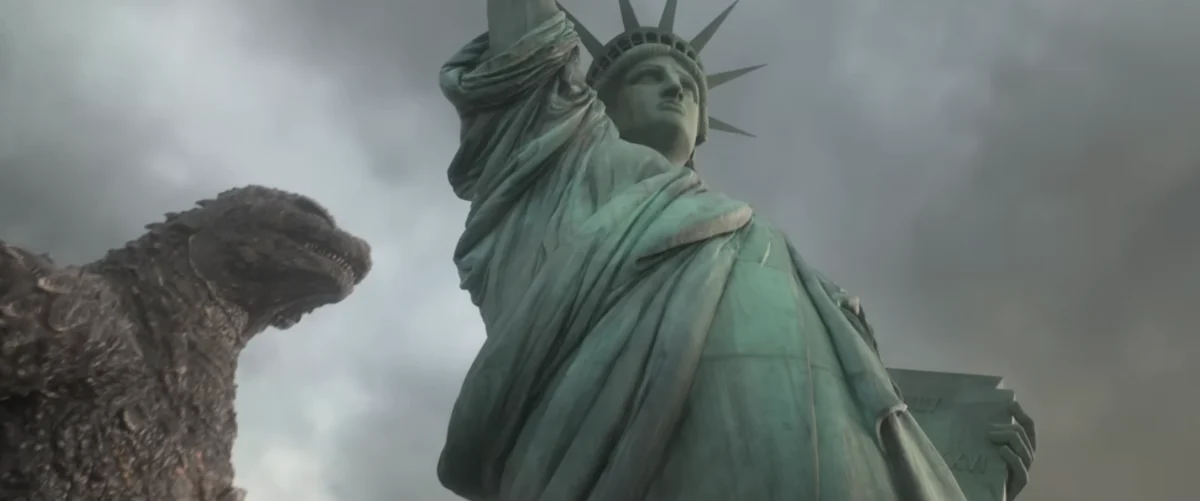
A colossal shadow has once again fallen across the global cinematic landscape, as the first electrifying teaser trailer for Godzilla Minus Zero has officially landed, signaling the imminent return of the King of the Monsters to Japanese cinema. This highly anticipated sequel to the critically acclaimed Godzilla Minus One promises to escalate the existential dread and awe-inspiring destruction that captivated audiences worldwide, this time transplanting the iconic kaiju’s destructive path to the bustling metropolis of New York City. The initial glimpse suggests a continuation of the franchise’s commitment to a more somber and grounded portrayal of Godzilla, echoing the thematic weight of the original 1954 film.
The narrative of Godzilla Minus Zero is set to unfold in 1949, a mere two years following the devastating events of its predecessor. The official synopsis reveals that the Shikishima family, survivors of the initial atomic onslaught, will once again find themselves at the epicenter of an unprecedented catastrophe. This new chapter marks a significant geographical shift, moving the stage of destruction from the familiar ruins of Tokyo to the iconic skyline of New York. The teaser trailer provides a chilling visual confirmation of this, featuring Godzilla standing imposcibly tall against the backdrop of the Statue of Liberty, a potent symbol of freedom now dwarfed by primal terror. Esteemed actors Ryunosuke Kamiki and Minami Hamabe are confirmed to reprise their roles, lending continuity and emotional depth to the unfolding saga. Directing this monumental undertaking is Takashi Yamazaki, the visionary filmmaker who previously steered Godzilla Minus One to critical and commercial success. Yamazaki is also concurrently engaged in the development of Grandgear, a separate project involving giant robots, underscoring his prolific output in the realm of large-scale spectacle. Furthermore, Godzilla Minus Zero is slated to be a pioneering effort, being the first Japanese film to be shot and presented in the IMAX format, promising an unparalleled immersive viewing experience for audiences.
The enduring global fascination with Godzilla is undeniable, and its presence in popular culture continues to expand across multiple cinematic universes and media platforms. Beyond the immediate anticipation for Godzilla Minus Zero, the King of the Monsters is also slated to appear in the next installment of Legendary Entertainment’s MonsterVerse franchise, tentatively titled Godzilla x Kong: Supernova. This cross-franchise collaboration highlights the character’s broad appeal and its ability to transcend national boundaries and production styles. Concurrently, audiences can currently witness Godzilla’s formidable presence in the Apple TV+ series Monarch: Legacy of Monsters, which delves into the intricate lore and historical impact of the kaiju within a contemporary setting. This multi-faceted presence underscores Godzilla’s status as a cultural phenomenon, capable of evolving and engaging with diverse narrative frameworks. Godzilla Minus Zero is scheduled to make its theatrical debut on November 6th, poised to deliver another chapter in the epic saga of humanity’s struggle against an awakened, ancient force.
The decision to set Godzilla Minus Zero in 1949, a mere two years after the events of Godzilla Minus One, is a deliberate narrative choice that aims to explore the lingering trauma and societal rebuilding efforts in post-war Japan. This period, still reeling from the devastation of World War II and the dawn of the nuclear age, provides fertile ground for exploring themes of survival, resilience, and the psychological scars left by conflict. The original Godzilla Minus One masterfully depicted the crushing weight of despair and the arduous process of finding hope amidst widespread destruction. By continuing this narrative thread, Minus Zero has the opportunity to delve deeper into the long-term consequences of Godzilla’s rampages and the societal infrastructure required to manage and recover from such catastrophic events. The shift to New York City in Minus Zero signifies more than just a change of scenery; it represents a significant escalation of Godzilla’s global impact. This move from the devastated but familiar landscape of Japan to the bustling, symbolic heart of Western capitalism suggests a broader narrative scope, potentially exploring how different cultures and societies would react to and contend with the presence of such an overwhelming force. The visual of Godzilla dwarfing the Statue of Liberty is particularly potent, serving as a stark metaphor for the vulnerability of even the most powerful human constructs in the face of nature’s raw, untamed power.
Takashi Yamazaki’s return to the director’s chair is a crucial element for the success of Godzilla Minus Zero. His stewardship of Godzilla Minus One was lauded for its ability to balance awe-inspiring kaiju action with deeply human drama. The film’s critical and commercial triumph can be attributed to Yamazaki’s meticulous attention to detail, his understanding of Godzilla’s symbolic weight, and his commitment to creating relatable characters who grapple with extraordinary circumstances. His dual involvement in Grandgear, a separate giant robot project, suggests a sustained exploration of large-scale mechanical and monstrous entities, hinting at a potential synergy in his creative approach to such productions. The decision to film Godzilla Minus Zero in IMAX is a significant technological and artistic statement. IMAX presentations are renowned for their immersive quality, offering a wider aspect ratio, sharper images, and more powerful sound systems. For a film featuring a creature as colossal and destructive as Godzilla, the IMAX format has the potential to amplify the sense of scale, power, and terror, allowing audiences to viscerally experience the cataclysmic events unfolding on screen. This commitment to cutting-edge presentation technology underscores the ambition of Godzilla Minus Zero to deliver a cinematic experience that is not only narratively compelling but also technologically groundbreaking.

The thematic underpinnings of the Godzilla franchise have always been rooted in its origins as an allegory for the destructive potential of nuclear weapons and the terrifying consequences of unchecked scientific advancement. The original 1954 film emerged from the shadow of Hiroshima and Nagasaki, serving as a powerful cinematic expression of post-war anxieties. Godzilla Minus One masterfully revived this thematic resonance, portraying Godzilla not merely as a monster but as a force of nature embodying humanity’s own capacity for self-destruction. The "Minus One" in the title alluded to Japan’s state of being one step below zero, a nation facing utter ruin. The transition to "Minus Zero" in the sequel suggests a more complex evolution of this concept. It could signify a return to a baseline of existential threat, a point where humanity is pushed to the brink of complete annihilation, or perhaps even an attempt to claw back from a state of being fundamentally diminished. The choice of 1949 as the setting for Minus Zero further enriches this thematic exploration. This was a period of immense geopolitical tension, with the Cold War beginning to solidify and the world grappling with the moral and ethical implications of atomic power. Godzilla, in this context, can be seen as a manifestation of these global anxieties, a monstrous embodiment of the fears that permeated the international consciousness.
The narrative shift to New York City in Godzilla Minus Zero invites a comparative analysis of societal responses to kaiju threats. While Godzilla Minus One focused on the internal struggles and collective resilience of a nation directly impacted by war and atomic devastation, Minus Zero‘s relocation to the United States presents an opportunity to examine how a different societal structure and global power would confront such an existential crisis. New York, as a global financial and cultural hub, represents a different kind of vulnerability. The visual of Godzilla standing before the Statue of Liberty is a powerful symbolic juxtaposition. The statue, representing liberty, democracy, and aspiration, is rendered insignificant and threatened by a force that transcends human ideologies and political systems. This imagery suggests that Godzilla’s threat is not confined to specific nations or political climates but is a universal existential challenge that demands a unified, albeit likely fractured, human response. The potential for intergovernmental cooperation, or conversely, the exacerbation of international tensions in the face of a common enemy, are fertile grounds for narrative exploration within Godzilla Minus Zero.
The decision to cast Ryunosuke Kamiki and Minami Hamabe in returning roles as members of the Shikishima family is crucial for maintaining narrative cohesion and emotional resonance. Their characters in Godzilla Minus One represented the human face of the kaiju threat, embodying themes of guilt, redemption, and the desperate fight for survival. Their continued presence in Minus Zero allows for the exploration of how their experiences have shaped them and how they navigate the new calamity. The psychological impact of surviving multiple kaiju encounters, especially for those who have lost loved ones, is a complex area that Yamazaki’s direction can explore with nuance and depth. The continuity of the Shikishima family’s journey ensures that Godzilla Minus Zero is not simply a standalone spectacle but a continuation of a deeply personal narrative set against a backdrop of global catastrophe.
The broader context of Godzilla’s continued presence in popular culture, as exemplified by Godzilla x Kong: Supernova and Monarch: Legacy of Monsters, underscores the enduring appeal of the character and the diverse ways in which filmmakers are engaging with his legacy. While Legendary’s MonsterVerse offers a more action-oriented, inter-monster brawling approach, Yamazaki’s Japanese productions, particularly Minus One and now Minus Zero, appear to be charting a course that prioritizes thematic depth, character-driven narratives, and a return to Godzilla’s roots as a potent symbol of atomic dread. This duality in Godzilla’s cinematic portrayal allows for a wider audience to engage with the character, catering to different tastes and expectations. However, the success of Godzilla Minus One suggests a strong audience appetite for the more serious and allegorical interpretations of the kaiju. Godzilla Minus Zero is poised to capitalize on this, offering a sophisticated and impactful cinematic experience.
The upcoming release of Godzilla Minus Zero on November 6th marks a significant event for fans of the kaiju genre and for cinematic storytelling at large. The film’s commitment to continuing the grounded, thematic approach of its predecessor, coupled with its ambitious relocation to a global icon like New York and its pioneering use of IMAX technology, suggests a production that aims to push the boundaries of the genre. As audiences eagerly await further details and trailers, the initial teaser has already ignited a fervent discussion about the potential narrative directions, thematic explorations, and visual spectacle that Godzilla Minus Zero will undoubtedly deliver. The King of the Monsters is back, and his roar is set to echo across the concrete canyons of New York, reminding humanity of its precarious place in a world still grappling with the awesome power of nature and its own destructive capabilities.



 Lisa Mariana
 Safa Marwah