Lisa Mariana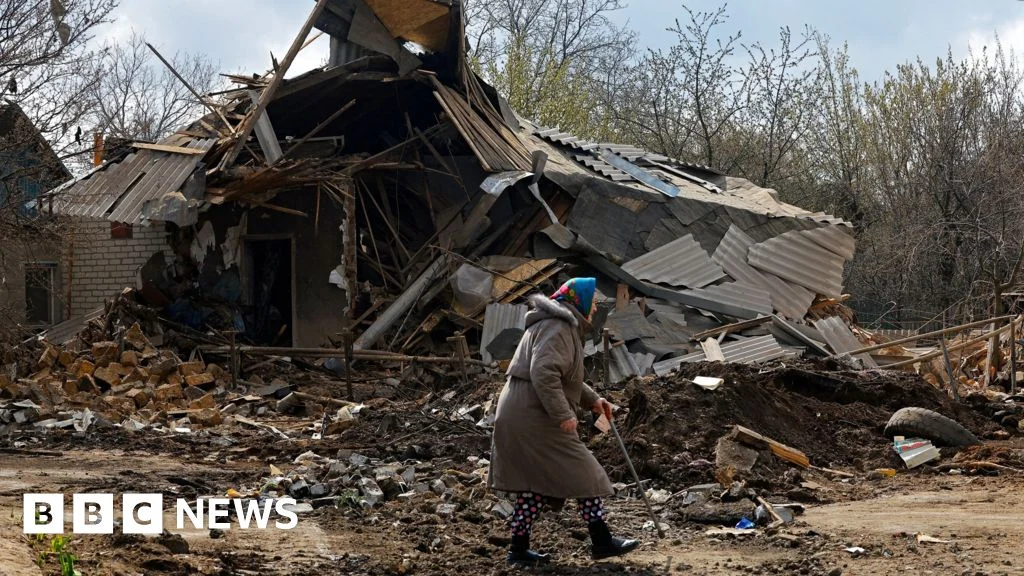
A religiously significant temporary cessation of hostilities between Ukrainian and Russian forces has been profoundly undermined by widespread accusations from both Kyiv and Moscow, each claiming thousands of breaches of the agreed truce during the Orthodox Easter period. This latest episode of alleged non-compliance highlights the deep-seated mistrust and persistent volatility that continue to plague any attempts at de-escalation in the protracted conflict. The brief pause, intended to allow for religious observance, instead became another contested battleground of claims and counter-claims, further eroding prospects for meaningful dialogue.
The Ukrainian military reported on Sunday morning that forces aligned with the Russian Federation had committed an extensive number of infractions since the ceasefire commenced on Saturday afternoon, local time. These violations, numbering well over two thousand, reportedly encompassed a range of hostile actions, including the alleged fatal shooting of four unarmed Ukrainian service members. Such an incident, if substantiated, would constitute a grave contravention of international humanitarian law, specifically concerning the treatment of combatants who have surrendered or been disarmed. Furthermore, Ukrainian authorities detailed nearly two dozen distinct engagements and approximately two thousand drone attacks, though they noted the absence of missile or bomb strikes during this specific period. The prosecutor’s office in the Kharkiv region, located in Ukraine’s northeast, specifically highlighted the alleged execution of four Ukrainian soldiers after the truce took effect, branding it a severe breach of established international conventions. An image, purportedly captured by an unmanned aerial vehicle, depicting four bodies in a clearing, was circulated by Ukrainian officials in support of these assertions. In a separate incident, a Russian drone reportedly struck an ambulance overnight in the northern Sumy region, which shares a border with Russia, causing injuries to three medical personnel.
Conversely, the Russian Ministry of Defence issued its own set of accusations, asserting that Ukrainian forces had engaged in nearly two thousand violations during the same timeframe. These alleged infractions included three attempted counter-offensives in the Dnipropetrovsk region. Moscow also claimed to have thwarted multiple attempts by Ukrainian troops to advance in both the Sumy and Donetsk areas, specifying four such efforts. Additionally, the Russian defence ministry cited three overnight attacks by Ukrainian forces on positions within the Pokrovsk area and Otradne in Dnipropetrovsk. These reciprocal allegations underscore the profound challenges in establishing and maintaining even short-term humanitarian ceasefires in an environment characterized by intense distrust and ongoing hostilities.
The very notion of a ceasefire during Orthodox Easter carried significant symbolic weight, given the shared religious heritage of both nations. Historically, such periods have sometimes offered opportunities for limited humanitarian gestures or a temporary respite from the incessant fighting. Ukrainian President Volodymyr Zelensky had previously articulated his nation’s intention to respond "symmetrically" to any Russian aggressions during the truce, emphasizing Easter as "a time of peace." He expressed a desire for the temporary cessation of hostilities to extend beyond the Easter period, hoping it could create a conducive environment for stalled peace negotiations. However, this overture was met with a categorical rejection from Moscow, which indicated that its offensive operations would recommence promptly following the conclusion of the holiday. This divergence in approaches – Kyiv seeking to leverage temporary pauses for broader diplomatic progress and Moscow viewing them as isolated, time-bound events – illustrates a fundamental chasm in their respective strategies for conflict resolution.
The decision by Russian President Vladimir Putin to declare the Easter ceasefire, earlier in the week, marked a notable shift from previous stances. For an extended period, Russia had resisted repeated calls from Ukraine and international bodies for temporary cessations of fighting, often citing Ukrainian non-compliance or strategic imperatives. There have been isolated instances of Russia acceding to external requests for temporary pauses, such as an earlier instance where Putin reportedly acquiesced to a United States request to halt strikes on energy infrastructure as Ukraine braced for the harsh winter temperatures. Such selective adherence to ceasefire proposals underscores a tactical approach, rather than a consistent commitment to de-escalation.
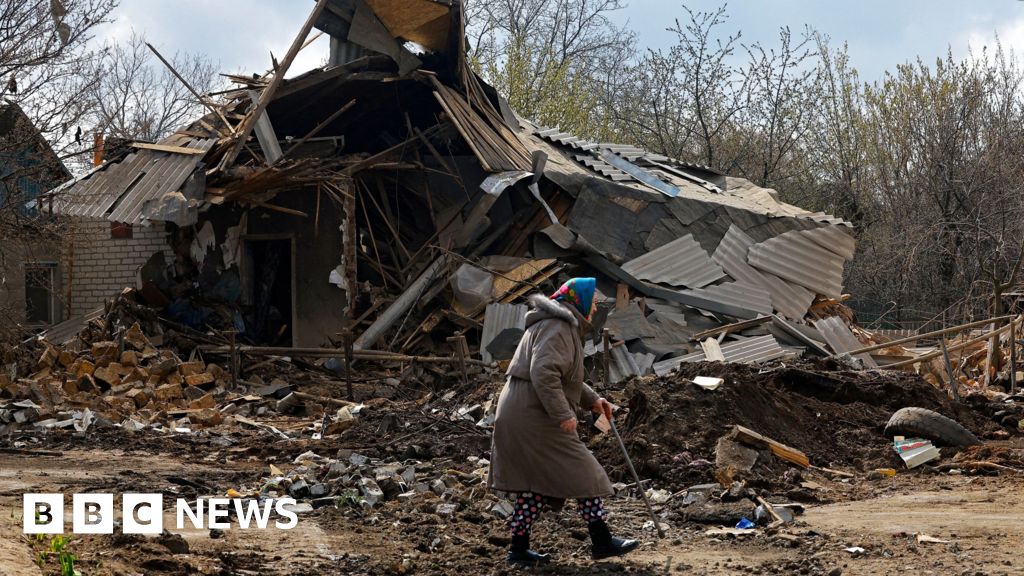
The initial hours of the truce on Saturday were characterized by limited accusations from both sides, hinting at the fragility of the agreement. However, these quickly escalated into the much larger claims of thousands of violations, confirming the widespread skepticism among observers and combatants alike regarding the efficacy of such temporary measures. Civilians residing in conflict zones and soldiers deployed on the front lines, particularly within Ukraine, have consistently expressed low expectations for the durability or impact of these short-lived ceasefires, a sentiment tragically vindicated by the recent events.
The broader diplomatic landscape surrounding the conflict remains complex and largely stagnant. Kyiv has consistently advocated for a more comprehensive and enduring ceasefire, viewing it as an indispensable prerequisite for any substantive peace negotiations aimed at a lasting resolution to the full-scale invasion. This approach is largely supported by its European allies, who also see a cessation of hostilities as the foundational step towards de-escalation and a political settlement. Conversely, Moscow has maintained that a peace deal must be agreed upon first, effectively reversing the sequence proposed by Ukraine and its partners. This fundamental disagreement on the sequencing of peace efforts has led to accusations from Kyiv that Russia is not genuinely committed to ending the fighting, but rather seeks to consolidate its gains or dictate terms under ongoing military pressure.
The persistent failure of even religiously mandated ceasefires to hold casts a long shadow over the prospects for future diplomatic breakthroughs. Each instance of alleged violation, particularly those involving civilian casualties or the mistreatment of combatants, further deepens the animosity and distrust between the warring parties. It reinforces the perception that military objectives continue to supersede humanitarian considerations, making any form of genuine reconciliation exceedingly difficult. The allegations of war crimes, such as the execution of disarmed soldiers, carry significant legal and moral weight, potentially leading to future international investigations and accountability efforts, though the immediate impact on the conflict’s trajectory is often limited.
Amidst these grim developments, a rare point of cooperation emerged on Saturday with a prisoner exchange, where both Ukrainian and Russian authorities announced the mutual release of 175 individuals, including seven civilians from each side. Such exchanges, while offering a glimmer of humanitarian progress, remain isolated incidents and do not typically signal a broader de-escalation of hostilities. They are often the result of painstaking, indirect negotiations and reflect a limited, pragmatic recognition of shared humanitarian concerns, rather than a fundamental shift in strategic intent.
The protracted nature of the conflict, which has been raging since 2022, means that temporary ceasefires, however well-intentioned, often serve more as symbolic gestures or tactical pauses rather than genuine steps towards peace. The strategic motivations behind proposing or rejecting such truces are multifaceted: they can be used to project a humanitarian image, to re-arm or reposition forces, or to test the resolve of the opposing side. The geopolitical environment, including global events such as the outbreak of conflict in the Middle East, can also indirectly influence the impetus for peace negotiations in Ukraine, either by diverting international attention and resources or by shifting the strategic calculations of key actors.
The current situation underscores the profound challenges inherent in resolving a conflict characterized by maximalist demands and deep-seated grievances on both sides. The continued failure to respect even temporary ceasefires indicates a lack of political will to genuinely de-escalate, suggesting that the immediate future will likely remain dominated by military engagements and a persistent war of attrition. Without a fundamental shift in strategic objectives or a significant intervention from international mediators capable of enforcing compliance, temporary truces, regardless of their religious or humanitarian pretexts, are likely to continue to be observed more in breach than in practice, perpetuating the cycle of violence and suffering.



 Aura Kasih
 Safa Marwah
 Ayu Aulia