Lisa Mariana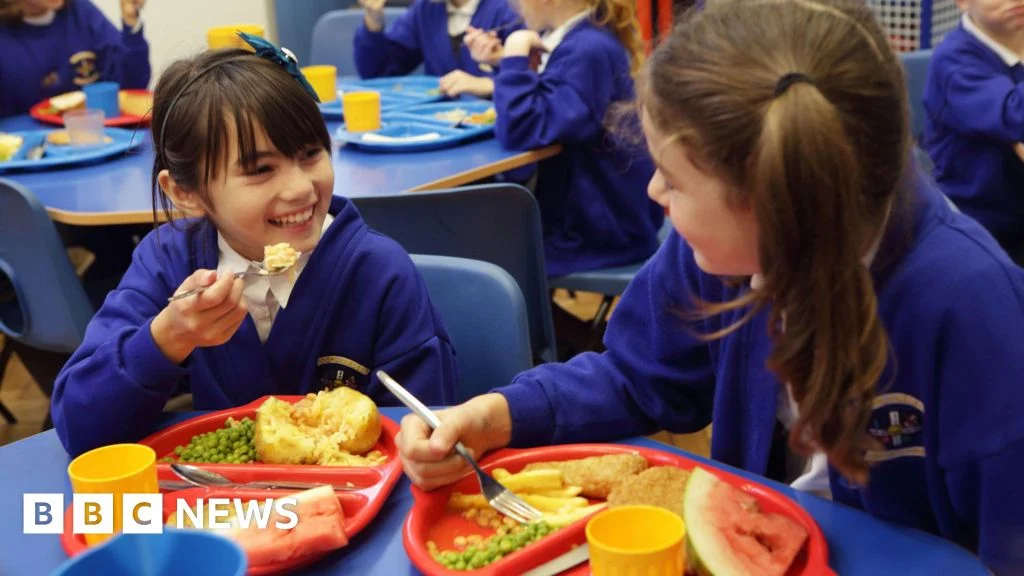
England’s educational landscape is poised for a significant transformation in its approach to child nutrition, as the Department for Education (DfE) initiates a comprehensive reform of school dinner standards, effectively prohibiting deep-fried items and severely curtailing high-sugar offerings across primary and secondary institutions. This ambitious policy, marking the first substantial update to school food guidelines in a decade, aims to fundamentally reshape the dietary habits of millions of children and address escalating public health concerns.
The recently unveiled proposals represent a pivotal shift in governmental strategy towards child health. At the core of these changes is an explicit ban on all deep-fried food products, alongside stringent restrictions on items containing elevated sugar levels. This directive extends to "grab and go" options, such as certain types of sausage rolls and pizzas, which will no longer be permissible as daily staples. Instead, the framework mandates a substantial increase in the provision of fresh fruit, slated to replace "sugar-laden treats" for the majority of the school week. Further stipulations include limiting sweetened desserts to a single instance per week and integrating a greater proportion of vegetables, fruits, and wholegrains into daily menus. These comprehensive adjustments are designed to foster a more balanced and nutritious eating environment within schools.
These reforms, which will apply uniformly to both primary and secondary educational establishments across England, are underpinned by pressing public health concerns. Data from the DfE highlights an alarming statistic: over one-third of children are classified as overweight or obese by the time they complete primary education. Furthermore, the prevalence of tooth decay, a direct consequence of high-sugar diets, has emerged as the foremost cause of hospital admissions among children aged five to nine years. The government asserts that these updated standards are critical to fostering healthier eating habits, thereby addressing these escalating health crises and ensuring millions of children receive more nutritious meals daily. The previous set of school food standards, introduced in 2015, had already aimed to address some of these issues by setting requirements for fruit and vegetable intake, limiting sugar in drinks, and promoting wholegrain alternatives. However, the current reforms represent a more assertive governmental approach, imposing outright bans and stricter limitations.
The genesis of these revisions dates back to pre-pandemic discussions, with their formal implementation delayed by the global health crisis. The government has initiated a nine-week public consultation period to gather feedback on the proposals. Following this, the definitive school food standards are anticipated to be formally announced in September of the current year, with a phased implementation strategy for secondary schools to allow for necessary adjustments in recipes, menu development, and staff training. Full enforcement across all eligible schools is scheduled to commence from September 2027. Crucially, the DfE has committed to developing a "robust" enforcement system, including comprehensive monitoring mechanisms, to ensure strict adherence to the new standards. This marks a departure from previous iterations which sometimes faced challenges in consistent application, promising a more rigorous oversight regime.
The proposed changes have elicited a mixed but generally supportive response from key educational and political stakeholders, albeit with significant caveats, particularly concerning funding and practical implementation.
The Association of School and College Leaders (ASCL) expressed unequivocal support for initiatives aimed at enhancing the nutritional quality of school meals. However, ASCL’s spokesperson, Tom Middlehurst, underscored the critical necessity of "additional funding" to facilitate the practical implementation of these changes. He emphasized that without adequate financial backing, schools, already operating under considerable budgetary constraints, would struggle to absorb the increased costs associated with sourcing healthier ingredients, updating kitchen equipment, and retraining catering staff. The implication is clear: a policy, however well-intentioned, risks being undermined by practical and financial impediments if not properly resourced. The ASCL’s position reflects a broader concern within the education sector about unfunded mandates that add pressure to already "stretched schools."
The Liberal Democrats, through their education spokesperson Munira Wilson, echoed the concerns regarding financial viability. Wilson highlighted the disparity between the government’s allocated funding for free school meals – currently £2.61 per meal in most of England – and the actual cost of providing a nutritious meal, which a 2025 survey suggested was approximately £3.45. This significant shortfall, according to Wilson, is already compelling schools to offer "smaller portion sizes and poorer quality food," directly counteracting the very goals of the proposed reforms. She stressed that "free school meals funding must match the rising costs" to ensure every child receives a "healthy and filling meal essential for their education," urging the education secretary to address this problem with urgency. The Liberal Democrats’ stance positions the issue of school meal quality firmly within the context of wider economic pressures and their impact on educational equity.
In contrast, Reform UK adopted a more critical posture, framing the government’s proposals as an instance of "trying to micromanage people’s lives." A spokesperson for the party argued that "banning foods from school menus won’t solve childhood obesity," suggesting that such measures remove choice and impose undue pressure on schools. Their alternative perspective champions "education, personal responsibility, and ensuring families can afford healthy food," rather than what they perceive as "headline-grabbing bans." This viewpoint aligns with a broader political philosophy that prioritizes individual liberty and market solutions over state intervention in personal choices.
The Green Party, while broadly welcoming the removal of unhealthy food as "long overdue," extended the discussion to advocate for more fundamental systemic changes. They called for "free healthy school meals to be offered to all primary and secondary pupils, not just infants" – a policy currently implemented in parts of the UK but not universally in England. Beyond the school gates, the Greens also emphasized the need to address the "root causes of the 14% of households facing food insecurity," citing the cost of living crisis and low wages. Their vision includes a transformative overhaul of the "food and farming system" to prioritize affordable, healthy food and ensure fair wages for agricultural workers, thereby linking school nutrition to broader issues of social justice and environmental sustainability.
While the Conservative Party’s specific comment was not available, the Department for Education’s announcement itself represents the government’s (Conservative) position, articulating the rationale and anticipated benefits of the policy.
The financial underpinning of these ambitious reforms stands as a critical determinant of their ultimate success. The existing funding model for free school meals in England provides schools with £2.61 per meal. However, this figure increasingly falls short of the actual cost of provision. A 2025 survey conducted among school meal providers indicated that the real expenditure per meal was closer to £3.45. This 80p deficit per meal, when multiplied across thousands of daily meals, represents a significant unfunded burden on school budgets. The Association of School and College Leaders (ASCL) and the School Food People’s national chair, Brad Pearce, both emphasized that such changes must be "monitored and funded appropriately."
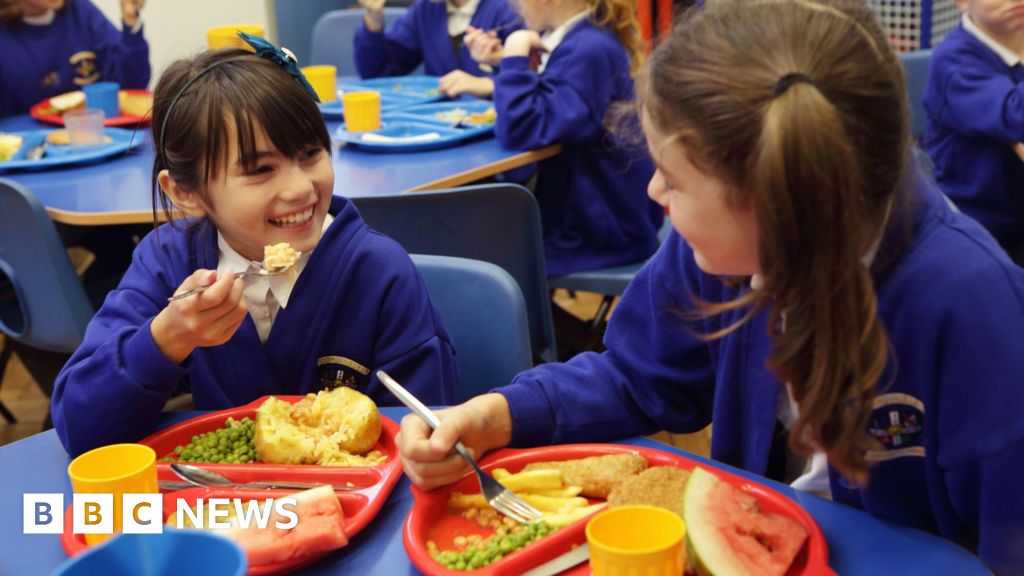
The introduction of stricter nutritional standards, which typically necessitate the procurement of fresh, high-quality, and often more expensive ingredients, is poised to exacerbate this financial strain. Schools will face increased costs for fresh produce, lean proteins, and wholegrains, alongside potential investments in new kitchen equipment suitable for baking, grilling, or steaming rather than deep-frying. Furthermore, staff training to adapt to new recipes and cooking methods will incur additional expenses. Without a corresponding increase in the per-meal funding rate, schools may be forced to make difficult choices, potentially compromising on other educational resources or, ironically, struggling to meet the new standards effectively. This financial pressure could lead to a two-tiered system where better-resourced schools can comply fully, while those in more deprived areas, already facing significant challenges, fall short.
Regional disparities in funding rates within the UK further highlight this issue. While most of England receives £2.61, schools in London benefit from a higher rate of £3.00, and those in Wales receive the most generous allocation at £3.40. These variations suggest an acknowledgment, at least in some regions, of the true cost of providing quality meals. The argument from critics, therefore, is that a nationwide policy requiring enhanced standards must be accompanied by nationwide funding that reflects the true cost of compliance, rather than relying on schools to absorb the deficit in an era of high inflation and tight public sector budgets. The recent announcement that an additional 500,000 children will become eligible for free school meals from September 2026, following a change allowing those whose parents receive Universal Credit to claim, while laudable, will further increase the total expenditure, making the per-meal funding rate even more critical. Additionally, the DfE announced over 500 new free breakfast clubs would open, further demonstrating a wider commitment to addressing food insecurity.
The current proposals are not an isolated initiative but represent the latest chapter in a long-standing national conversation about child health and nutrition, particularly within the school environment. Historically, figures like celebrity chef Jamie Oliver have played a pivotal role in raising public awareness and advocating for improvements in school meals, exposing the prevalence of processed and unhealthy food options in school canteens.
The scientific consensus increasingly underlines the profound link between a child’s nutrition, their academic performance, and their long-term health trajectory. Well-nourished children demonstrate improved concentration, better cognitive function, and higher attendance rates, directly impacting educational attainment. Conversely, poor nutrition, particularly diets high in sugar and unhealthy fats, is associated with reduced cognitive abilities, behavioral issues, and an elevated risk of chronic diseases such as type 2 diabetes, cardiovascular conditions, and certain cancers later in life. Schools, therefore, are not merely educational institutions but crucial public health settings, offering a structured environment where healthy eating habits can be instilled and sustained, particularly for children from disadvantaged backgrounds who may have limited access to nutritious food at home.
The "postcode lottery" in the provision and quality of school meals across the UK has long been a concern. While some local authorities and individual schools have proactively embraced healthier options, others have struggled due to budgetary constraints, lack of expertise, or differing priorities. The DfE’s move to impose national, more stringent standards aims to create a more equitable baseline, ensuring that all children in England, irrespective of their school’s location or financial standing, have access to healthier lunch options. This commitment is further bolstered by initiatives such as the expansion of free school meal eligibility and the launch of over 500 new free breakfast clubs, which collectively aim to tackle food insecurity and provide a nutritious start to the day for vulnerable children. These broader measures acknowledge that a child’s nutritional needs extend beyond a single meal, encompassing their entire daily food intake.
While the DfE’s new standards apply specifically to England, the provision of free school meals and the overarching approach to child nutrition varies significantly across the constituent nations of the United Kingdom, illustrating diverse policy priorities and funding models.
In England, the new standards target primary and secondary schools. Eligibility for free school meals is primarily linked to parental receipt of certain benefits, with a recent expansion ensuring that any child whose parents receive Universal Credit will qualify from September 2026. This is a targeted approach aimed at supporting lower-income families. As noted, the standard funding rate for these meals is £2.61, though this is under scrutiny.
London, as an exception within England, has taken a more expansive approach. The Mayor of London has extended the offer of universal free school meals to all primary school children up to Year 6, irrespective of parental income. This policy is supported by a higher funding rate of £3.00 per meal, reflecting an acknowledgment of the higher cost of living and, potentially, the true cost of providing a nutritious meal in the capital. This initiative aims to alleviate financial pressure on families and ensure every primary school child receives a healthy meal, irrespective of their economic background.
Wales leads the UK in its commitment to universal provision. The Welsh government has implemented a policy offering universal primary free school meals (UPFSM) to all primary school children up to Year 6. This comprehensive approach is backed by the highest funding rate across the UK, at £3.40 per meal. This higher allocation allows schools greater flexibility in sourcing quality ingredients and investing in their catering provision, aligning with the ambition to make healthy eating accessible to all young learners.
In Scotland, all children in the first five years of primary school are eligible for free school meals. Additionally, all children from families receiving the Scottish Child Payment benefit also qualify. This blends a universal offer for younger primary pupils with a targeted approach for those from low-income households, reflecting a nuanced strategy to address child poverty and nutritional needs.
Northern Ireland’s system is primarily needs-based. Parents can apply for free school meals if they receive certain benefits and their household income falls below a threshold of £15,000. This highly targeted approach focuses resources on the most financially




 Aura Kasih
 Safa Marwah
 Ayu Aulia