Ayu Aulia
A landmark investigation has elucidated the precise biological mechanisms by which the gastrointestinal immune system signals the brain to suppress appetite during states of physiological distress, a common yet previously ill-defined aspect of illness response spanning from acute infections to chronic conditions like parasitic infestations.
The phenomenon of appetite suppression, or anorexia of infection, is a universal experience when the body confronts illness. From the malaise accompanying a viral infection to the protracted debility caused by chronic parasitic helminths affecting millions globally, the instinct to consume food often diminishes significantly, even after the most acute symptoms have subsided. While this behavioral alteration has long been recognized as an adaptive component of the "sickness behavior" repertoire, its underlying molecular and cellular pathways linking the gut’s immunological vigilance directly to central nervous system regulation of hunger remained largely obscure. This profound lack of understanding has represented a significant gap in our comprehension of host-pathogen interactions and the intricate interplay between immunity and metabolism.
Recent groundbreaking research conducted by a collaborative team of scientists, published in a leading scientific journal, has meticulously mapped a novel neuro-immune pathway originating in the gut that actively orchestrates this reduction in feeding drive. This discovery moves beyond simply observing the correlation between sickness and appetite loss, providing a detailed molecular logic for how the body recruits the nervous system to modify behavior in response to internal threats. The implications of this work extend beyond parasitic infections, potentially offering critical insights into a spectrum of chronic digestive disorders, including various food sensitivities and irritable bowel syndrome (IBS).
The Gut-Brain Axis: A Sophisticated Bidirectional Communication System
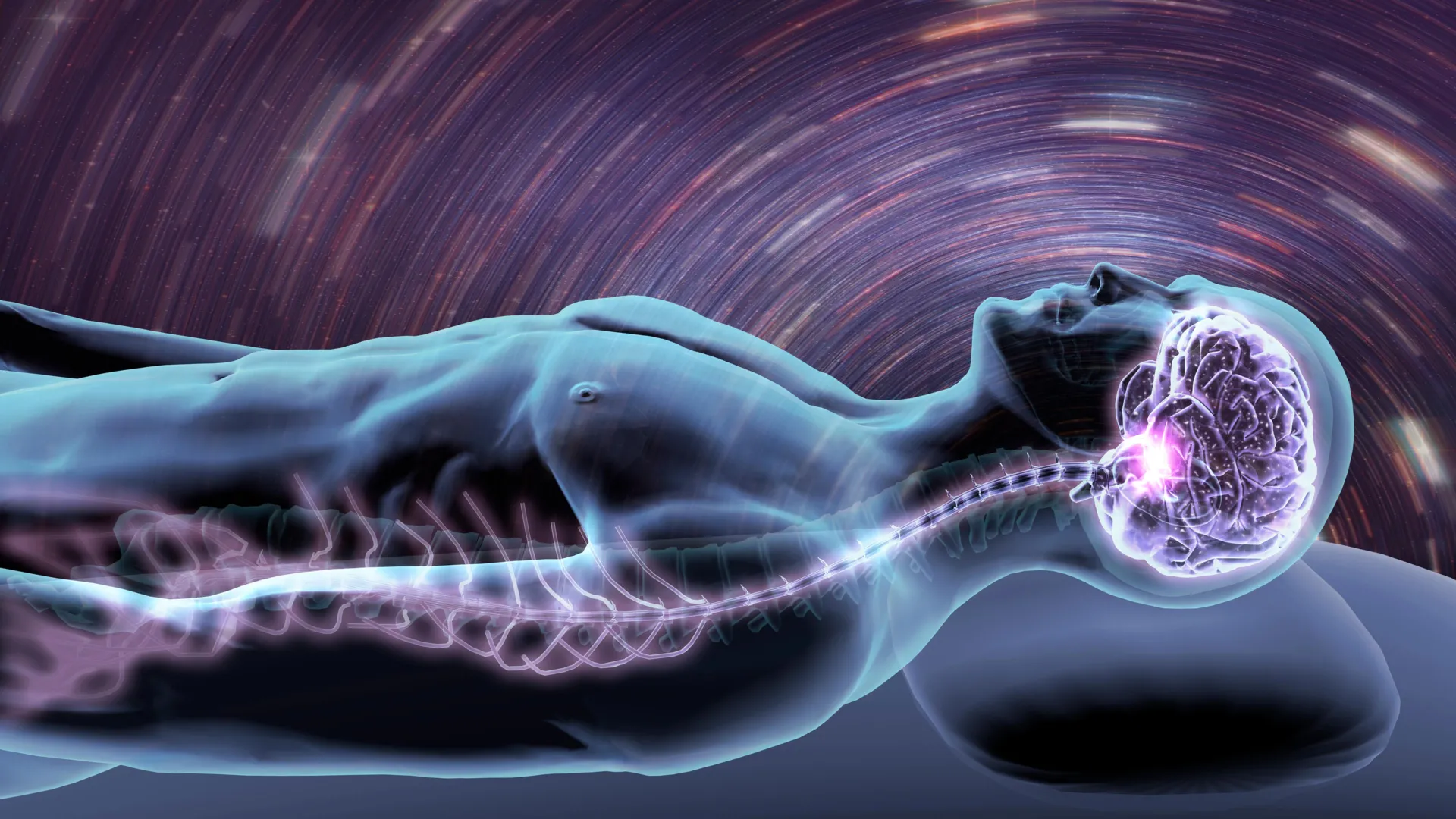
The gut and brain maintain a continuous, complex dialogue known as the gut-brain axis, a bidirectional communication network essential for maintaining homeostasis across multiple physiological systems. This axis integrates neural, endocrine, and immune signaling pathways, influencing everything from digestive motility and nutrient absorption to mood, cognition, and overall well-being. The vagus nerve serves as a primary conduit for this communication, transmitting visceral sensory information from the gut to the brain and motor commands from the brain back to the gut. While the role of gut microbiota and their metabolites in modulating this axis has garnered significant attention, the direct involvement of specific immune cells in initiating behavioral changes via neural pathways has been less clearly defined, particularly concerning appetite regulation.
The current study zeroes in on an unexpected cellular cross-talk within the gut’s mucosal lining, a critical interface for pathogen detection and immune initiation. Specifically, the investigation focused on two distinct, specialized cell types: tuft cells and enterochromaffin (EC) cells. Tuft cells, characterized by their apical tufts of microvilli, are chemosensory cells that function as frontline detectors for a variety of luminal stimuli, including specific chemical signatures associated with parasitic organisms. Upon activation, they are known to initiate localized immune responses. Enterochromaffin cells, on the other hand, are neuroendocrine cells widely distributed throughout the gastrointestinal tract, renowned for their synthesis and release of serotonin, a potent neurotransmitter that plays a pivotal role in regulating gut motility, secretion, and sensory perception, including sensations of nausea, pain, and general visceral discomfort. Prior to this research, the precise nature of the interaction between these two cell types in the context of appetite suppression remained largely speculative.
Elucidating the Molecular Dialogue: A Novel Signaling Cascade
The researchers employed sophisticated experimental methodologies to unravel the precise sequence of events. Utilizing genetically engineered sensor cells strategically positioned adjacent to tuft cells under advanced microscopic imaging, they observed a striking phenomenon: when tuft cells were exposed to succinate, a metabolic byproduct specifically released by parasitic worms, the neighboring sensor cells exhibited a clear activation signal. This indicated that tuft cells were actively secreting acetylcholine, a neurotransmitter traditionally associated with neuronal communication. This finding was particularly remarkable because tuft cells, while sensory, are not neurons and were not previously understood to employ acetylcholine in this manner.
Further experiments involved introducing acetylcholine to laboratory-cultured gut tissue containing EC cells. The response was unambiguous: the EC cells promptly reacted by releasing serotonin. This serotonin, in turn, was shown to activate vagal nerve fibers, which are the direct neural conduits transmitting information from the gut’s enteric nervous system to the brainstem. Thus, a complete communication pathway was established: parasitic cues (succinate) activate tuft cells, which release acetylcholine, prompting EC cells to release serotonin, which then stimulates the vagus nerve to transmit signals to the brain, ultimately influencing feeding behavior.
This discovery highlights a previously unappreciated facet of cellular communication, where tuft cells effectively mimic certain neuronal functions, particularly in their use of acetylcholine for intercellular signaling. However, their mechanism for releasing this neurotransmitter differs fundamentally from the intricate machinery typically employed by neurons, suggesting an elegant evolutionary adaptation for immune-driven neural modulation.
The Biphasic Signal: A Strategic Delay in Appetite Suppression
A critical aspect of the research involved the temporal dynamics of this signaling pathway, which provides a compelling explanation for the observed delay in appetite loss during an infection. The investigators discovered that tuft cells do not immediately unleash a sustained flood of acetylcholine upon detecting a threat. Instead, their release of acetylcholine occurs in two distinct phases.
Initially, upon the detection of parasitic antigens, tuft cells emit a relatively short, transient burst of acetylcholine. This initial signal is thought to be a localized alert, perhaps initiating immediate, localized immune responses. However, as the parasitic infection becomes more firmly established within the host, and as the immune response intensifies, the population of tuft cells in the affected area significantly expands. Concurrently, these proliferating tuft cells begin to produce a slower, yet sustained and robust release of acetylcholine. It is this prolonged and amplified secretion that reaches a sufficient threshold to effectively activate the EC cells, leading to their subsequent sustained release of serotonin and the continuous activation of vagal nerve fibers relaying signals to the brain.
This biphasic signaling mechanism represents a sophisticated biological safeguard. It ensures that the host’s brain does not prematurely initiate drastic behavioral changes like appetite suppression in response to every fleeting or minor microbial encounter. Instead, the gut effectively "waits" for confirmation that the threat is not only real but also persistent and growing before committing to an energy-conserving, behavior-altering response. This evolutionary strategy conserves vital resources, allowing the animal to maintain normal feeding patterns during trivial challenges while ensuring a decisive behavioral shift when a genuine and enduring threat, such as a parasitic infestation, demands it. This elegant logic explains the common human experience of feeling relatively normal at the onset of an illness, only to experience a gradual but profound loss of appetite as the infection takes hold and progresses.
Empirical Validation and Behavioral Impact
To rigorously validate the behavioral implications of this newly identified pathway, the research team conducted in vivo studies using animal models. Mice infected with parasitic worms were observed for their feeding behaviors. As anticipated, mice with intact tuft cell function and the ability to mount a normal acetylcholine-mediated response exhibited a significant reduction in food intake as their infection progressed. In stark contrast, a genetically modified cohort of mice, engineered to lack the capacity for acetylcholine production within their tuft cells, continued to consume food at normal levels despite being infected. This critical experimental evidence unequivocally confirmed that the tuft cell-EC cell-vagal nerve signaling pathway is directly responsible for driving the observed changes in appetite during parasitic infection. The findings establish a clear causal link between a specific immune-neuroendocrine axis and a complex behavioral outcome.
Broader Clinical Ramifications and Therapeutic Potential
The implications of this discovery extend far beyond the immediate context of parasitic infections, opening new avenues for understanding and potentially treating a wide array of human health conditions.
-
Parasitic Infections: Helminthic infections remain a pervasive global health challenge, particularly in developing regions, affecting billions of people and contributing to malnutrition, impaired cognitive development, and general ill-health. Understanding the precise mechanisms behind the appetite suppression associated with these infections could lead to novel strategies for managing symptoms and improving patient outcomes. While current treatments primarily focus on eradicating the parasites, interventions that modulate the downstream effects on appetite could improve nutritional status and overall recovery. Controlling the outputs of tuft cells, perhaps through pharmacological agents that block or enhance acetylcholine release or target serotonin receptors on vagal afferents, could offer targeted approaches to manage the physiological responses associated with these widespread infections.
-
Irritable Bowel Syndrome (IBS) and Food Intolerances: The discovery holds significant promise for elucidating the etiology of chronic gastrointestinal disorders like IBS, which affects a substantial portion of the global population. IBS is characterized by chronic abdominal pain, discomfort, and altered bowel habits, often without clear structural abnormalities. It is increasingly recognized as a disorder of gut-brain interaction, involving dysregulation of visceral sensitivity and motility. The tuft cell-EC cell pathway, with its direct link to vagal signaling, could represent a crucial component in the pathophysiology of IBS. Aberrant activation or heightened sensitivity of this pathway could contribute to exaggerated sensations of discomfort, nausea, or changes in appetite in response to normal luminal contents or minor inflammatory triggers. Similarly, certain food intolerances, which manifest with similar gastrointestinal distress, might involve the inappropriate activation of this immune-neural signaling cascade. Modulating this pathway could offer novel therapeutic targets for managing the debilitating symptoms of IBS and related conditions.
-
Chronic Visceral Pain: Given that EC cells are known to mediate sensations of pain and discomfort, dysregulation of this pathway could also contribute to chronic visceral pain, a challenging condition to treat effectively. Understanding how tuft cells initiate a cascade that ultimately leads to pain signals in the brain could lead to the development of analgesics specifically targeting this gut-derived neuro-immune axis.
-
Beyond the Gut: The ubiquitous presence of tuft cells in various mucosal surfaces throughout the body—including the airways, gallbladder, and reproductive system—suggests that the principles of this novel signaling pathway might apply to immune-neural interactions in other physiological contexts. For instance, similar mechanisms could be at play in modulating responses to respiratory pathogens, allergic reactions, or inflammatory conditions in other organ systems where tuft cells act as sentinels. Further research is warranted to explore these broader implications.
Future Research Trajectories
This seminal work lays a robust foundation for numerous future research endeavors. Immediate next steps will involve a deeper interrogation of the precise molecular machinery within tuft cells responsible for their unconventional acetylcholine release. Researchers will also seek to identify other endogenous or exogenous stimuli, beyond parasitic succinate, that can activate this pathway, potentially uncovering its role in bacterial infections, viral illnesses, or even non-infectious inflammatory conditions. Furthermore, exploring the specific brain regions and neural circuits that receive and interpret these vagal signals, and how they translate into the complex behavior of appetite suppression, will be crucial. Translating these findings into human studies will be a significant challenge, requiring sophisticated imaging and biomarker approaches to confirm the existence and functional relevance of this pathway in human physiology and pathology. Ultimately, this research promises to unlock new therapeutic strategies, not only for parasitic infections but also for a broader spectrum of gastrointestinal and systemic disorders characterized by altered appetite and visceral sensation. The detailed understanding of this gut-brain communication axis represents a pivotal advancement in our understanding of host defense and behavioral regulation.



 Lisa Mariana
 Aura Kasih
 Safa Marwah