Aura Kasih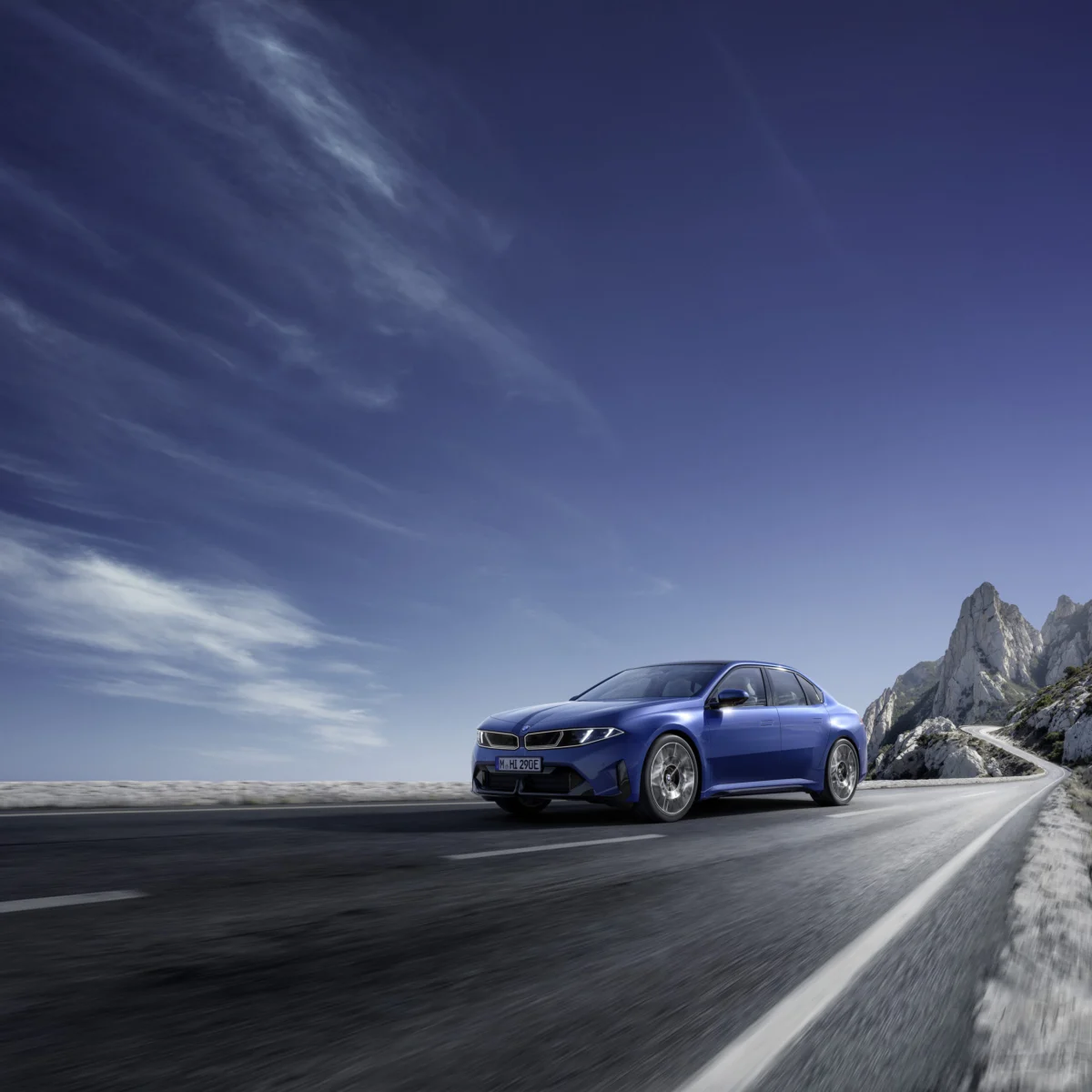
BMW has unveiled a significant expansion of its electric vehicle offensive, introducing the all-new i3 sedan, a vehicle poised to redefine the premium electric sedan segment. Building upon the foundation laid by the iX3 SUV and the groundbreaking Neue Klasse electric vehicle architecture, this new i3 represents a bold stride forward for the German automaker, blending familiar BMW driving dynamics with cutting-edge electric propulsion and advanced digital integration. This reimagining of the i3 nameplate, while sharing the moniker with its beloved, unconventional hatchback predecessor, marks a distinct evolutionary leap, focusing on a more traditional yet dynamically potent sedan silhouette that has long been synonymous with the BMW brand.
The genesis of BMW’s electric future lies in its meticulously engineered Neue Klasse platform, a revolutionary architecture designed from the ground up to optimize electric vehicle performance, efficiency, and packaging. While the iX3 SUV was the vanguard of this new era, it was always understood that this sophisticated platform would underpin a broader range of electrified offerings. The i3 sedan is the second significant product to emerge from this transformative initiative, showcasing the platform’s versatility and BMW’s commitment to electrifying its core product segments. This new i3 harnesses the same advanced powertrain and battery technology developed for the iX3, meticulously integrated into a sleek, four-door sedan body that echoes BMW’s heritage in crafting driver-focused sedans.
Visually, the new i3 presents a distinct character compared to its SUV sibling, despite sharing fundamental design DNA. According to Sebastian Kroes, BMW’s Head of Interior Design for the Neue Klasse vehicles, the iX3 was conceived with an "emphasis on verticality" to project an imposing and taller stance. In contrast, the i3 sedan is sculpted with an "emphasis on horizontality," a design philosophy clearly articulated by the sweeping light signature that unifies the front fascia, imbuing the vehicle with a sense of width and dynamism. This intentional design divergence ensures that each Neue Klasse model possesses its own unique identity while remaining unmistakably BMW.
It is crucial to distinguish this new i3 from its namesake, the original i3 hatchback. While the earlier model, produced from 2013 to 2022, was a pioneering effort that boldly signaled BMW’s early commitment to electric mobility and pushed the boundaries of design and materials, the new i3 is an entirely different proposition. The original i3 was a testament to innovative thinking, utilizing a carbon-fiber reinforced plastic (CFRP) passenger cell and a distinctive, compact form factor. However, the new i3 represents a fundamental architectural and design departure, built upon the entirely new Neue Klasse platform. This strategic "retconning" of the i3 name allows BMW to leverage a recognizable brand identifier while introducing a vehicle that aligns with contemporary market demands and technological advancements in the electric vehicle sector.
The cornerstone of the new i3’s performance and efficiency is BMW’s innovative Neue Klasse platform. This advanced architecture features a novel battery design that utilizes cylindrical cells arranged in a cell-to-pack configuration. This approach significantly enhances energy density compared to BMW’s previous battery generations, translating into extended range and improved packaging efficiency. While specific capacity figures for the i3 are yet to be officially disclosed, it is anticipated that it will offer a usable capacity in the vicinity of the iX3 SUV’s 108.7 kWh, which is projected to deliver an impressive range of up to 440 miles on a single charge. Furthermore, the charging capabilities are equally remarkable, with support for 400kW charging expected to enable the addition of over 200 miles of range in approximately 10 minutes, significantly reducing charging downtime and enhancing long-distance travel convenience.
The inaugural i3 model, designated the i3 50 xDrive, employs a dual-motor all-wheel-drive setup, leveraging the power delivered by the advanced battery system. BMW has indicated that the Neue Klasse platform is highly adaptable, with the potential for single-motor rear-wheel-drive configurations and even more potent quad-motor arrangements in future iterations. This modularity underscores the platform’s flexibility and BMW’s strategy to cater to a diverse range of performance and efficiency preferences within the electric vehicle landscape.
A notable engineering advancement in the new i3’s electric motors is their reliance on a permanent magnet-free design. This crucial decision carries several significant advantages. Firstly, it eliminates the need for rare-earth magnets, a move that not only contributes to a more sustainable supply chain but also mitigates potential geopolitical supply risks. Secondly, this motor configuration allows the i3 to seamlessly disable its propulsion units and coast without the need for complex disconnect systems, a feature that enhances efficiency and simplifies the driving experience. This technological approach aligns with the increasing industry focus on sustainable material sourcing and advanced engineering solutions.
The sophisticated control systems developed for the Neue Klasse platform enable the i3 to achieve a complete stop solely through its regenerative braking capabilities. This advanced system not only minimizes wear on the conventional friction brakes, thereby reducing maintenance requirements, but also facilitates what BMW terms a "soft stop." This refined deceleration process ensures that the vehicle comes to a halt with exceptional smoothness, rendering the transition imperceptible to occupants and contributing to a more refined and comfortable driving experience.

From a performance perspective, the new i3 is engineered to deliver exhilarating acceleration and dynamic handling. The i3 50 xDrive model boasts an impressive 469 horsepower, placing its performance metrics remarkably close to those of the current BMW M3, which outputs 473 horsepower. Furthermore, the i3’s 476 pound-feet of torque rivals that of the top-tier M3 Competition, indicating a potent and responsive powertrain. While these figures are substantial, it is important to acknowledge that the new i3, like all electric vehicles, will carry a greater curb weight than its internal combustion engine counterparts. While specific figures are not yet released, estimations suggest a weight increase comparable to the iX3’s approximately 500-pound gain over the gas-powered X3, meaning the i3 could weigh significantly more than the current 330i xDrive sedan’s 3,752 pounds.
The physical dimensions of the new i3 also reflect a strategic evolution. The sedan is approximately 1.8 inches longer than the current gasoline-powered 330i sedan. More significantly, the wheelbase has been extended by 1.9 inches, a crucial modification that allows BMW to maintain its signature short overhangs, contributing to a dynamic and athletic profile. This increased wheelbase is also anticipated to translate into a considerably more spacious interior. Early impressions from pre-release viewings suggest a remarkably roomy cabin, offering ample space for both front and rear occupants, a significant enhancement over BMW’s current sedan offerings.
The interior of the new i3 will be a showcase of BMW’s latest digital innovations, mirroring the technology found in the iX3. This includes the expansive Panoramic Vision system, which projects information across the entire width of the windshield, and a three-dimensional heads-up display. Central to the cockpit is a striking 17.9-inch touchscreen with a resolution of 3,340 x 1,440 pixels, seemingly suspended from the dashboard. Its unconventional, parallelogram-like shape, with a distinct lean to the left, is a considered ergonomic choice, placing frequently accessed controls on the upper left quadrant within easier reach of the driver.
The steering wheel itself incorporates capacitive touch surfaces, a feature that has met with mixed reactions in other automotive applications. However, initial experiences with these surfaces in the iX3 suggest that their angular design offers tactile feedback, enabling drivers to easily locate and operate controls like cruise control adjustments without needing to divert their gaze from the road.
BMW’s approach to driver assistance systems, which the company refers to as "symbiotic," aims to create a seamless and cooperative interaction between the vehicle and the driver. These advanced systems are designed to augment the driving experience rather than impose restrictive limitations. Features such as hands-free highway driving and automatic lane changes are integrated, but crucially, manual driver intervention is always prioritized. If a driver chooses to initiate a lane change, the system will not resist, and the vehicle will automatically engage the turn signal, ensuring a fluid and intuitive transition.
These sophisticated driver assistance functionalities are powered by a suite of advanced onboard processors from leading technology providers such as Qualcomm and Samsung. This "software-defined vehicle" architecture is designed to be highly adaptable and future-proof, with the capability to receive over-the-air (OTA) updates that will continuously introduce new features and enhance existing ones. BMW’s commitment to this software-centric approach signals a long-term vision for evolving vehicle capabilities throughout its lifecycle.
A particularly noteworthy development in the i3’s in-car experience is its enhanced reliance on large language models (LLMs) to create a more intelligent and conversational voice interface. These LLMs will be extensively trained to comprehend and operate all aspects of the vehicle’s functions, augmented by the advanced capabilities of modern AI chatbots. BMW’s partnership with Amazon will integrate Alexa Plus into the i3, enabling sophisticated voice commands for tasks such as seeking restaurant recommendations and reviews, and even making reservations through platforms like OpenTable, all without requiring the driver to take their hands off the wheel.
While key details such as final range figures and pricing remain to be officially confirmed, BMW has provided indicative targets. Given the iX3’s projected 400-mile range, it is reasonable to anticipate that the i3, with its potentially similar battery pack size and more aerodynamic sedan form factor, could achieve a slightly greater range. In terms of cost, the iX3 is expected to be priced around $60,000, representing a premium over its gasoline-powered X3 counterpart. Considering that a base 330i xDrive Sedan typically aligns in price with a base X3, it is probable that the new i3 will also command a starting price in the $60,000 ballpark when it arrives in the United States. Production of the i3 is slated to commence in August of this year, with official specifications and market launch timing expected to be announced closer to that period. The introduction of the Neue Klasse i3 sedan signifies a pivotal moment for BMW, underscoring its dedication to advancing electric mobility with vehicles that blend performance, efficiency, and sophisticated technology in a package that resonates with the brand’s storied legacy.




 Safa Marwah
 Ayu Aulia
 Lisa Mariana