Ayu Aulia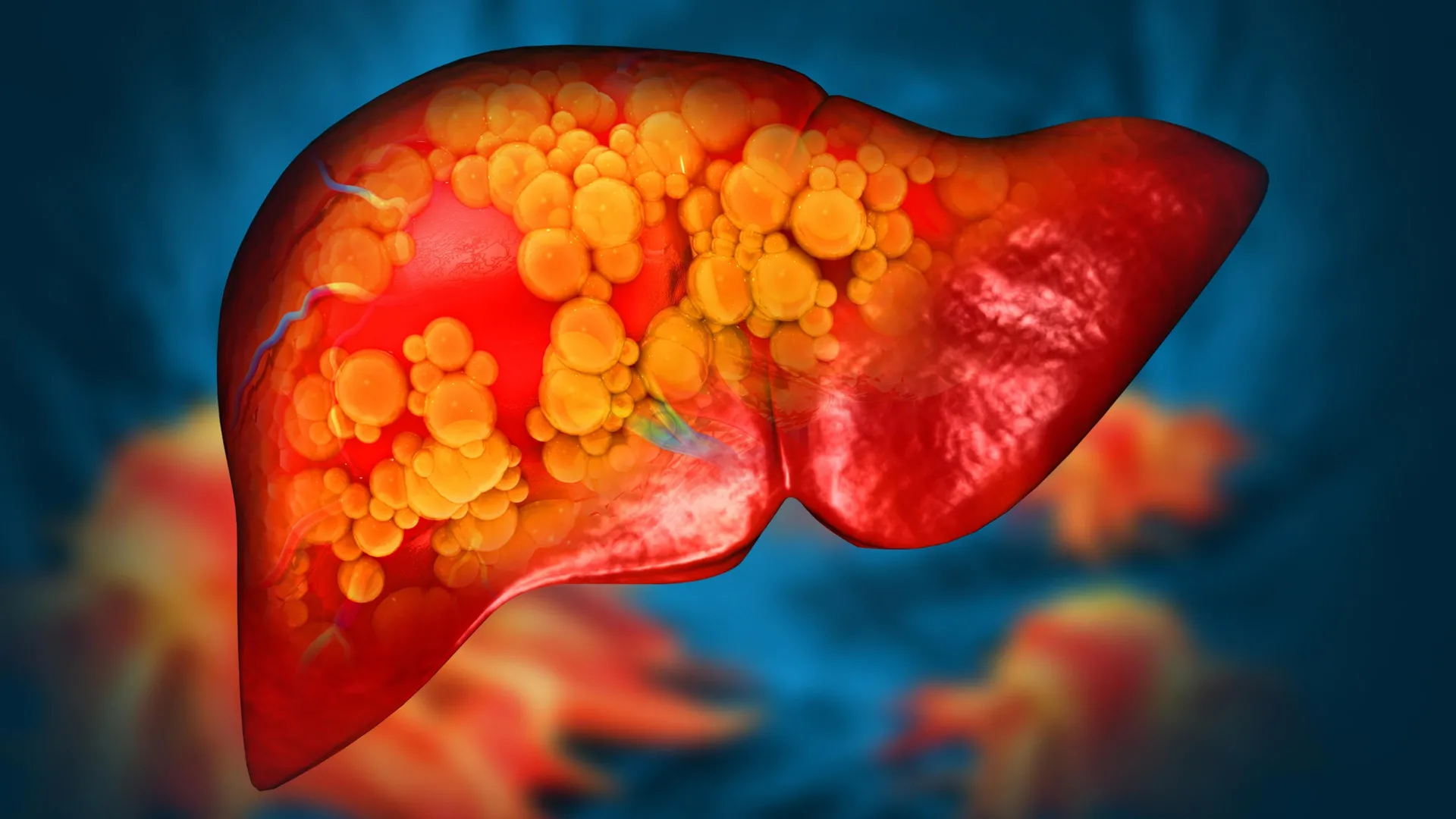
Pioneering research conducted by scientists at the Mayo Clinic’s Center for Individualized Medicine has led to the identification of a novel, rare genetic variant directly responsible for causing metabolic dysfunction-associated steatotic liver disease (MASLD), previously referred to as nonalcoholic fatty liver disease. This groundbreaking discovery fundamentally shifts the understanding of the disease’s etiology, revealing that in specific instances, a singular inherited genetic alteration can serve as the primary driver, rather than the long-held belief of a complex interplay between multiple genetic predispositions and environmental or lifestyle factors.
For decades, medical consensus largely attributed the development of MASLD to a confluence of metabolic risk factors, including obesity, type 2 diabetes, dyslipidemia, and hypertension, alongside a polygenic genetic susceptibility. The findings, meticulously documented in the esteemed journal Hepatology, introduce a compelling counter-narrative, demonstrating that in a subset of patients, a highly penetrant, single inherited mutation can unilaterally initiate and propel the disease process. This paradigm shift holds profound implications for diagnostic approaches, risk stratification, and the potential development of targeted therapeutic interventions.
The identified genetic alteration resides within the MET gene, a critical regulator involved in diverse cellular processes, most notably liver regeneration, cellular proliferation, and the intricate pathways governing lipid metabolism. Under normal physiological conditions, the MET gene, through its encoded receptor tyrosine kinase, plays a vital role in maintaining hepatic homeostasis, facilitating tissue repair following injury, and ensuring the efficient processing and distribution of fats within the liver. However, when compromised by the newly discovered mutation, its functionality is severely impaired, leading to a pathological accumulation of triglycerides and other lipids within hepatocytes – the primary cells of the liver. This aberrant fat buildup initiates a cascade of cellular stress responses, culminating in chronic inflammation, a condition known as metabolic dysfunction-associated steatohepatitis (MASH), the more aggressive form of MASLD. Unchecked, this inflammation progressively induces fibrosis, characterized by the deposition of excessive connective tissue, which eventually stiffens and distorts the liver architecture. In its advanced stages, MASH can culminate in cirrhosis, a irreversible scarring that severely compromises liver function, potentially leading to liver failure, portal hypertension, and significantly elevating the risk of hepatocellular carcinoma, a deadly form of liver cancer. The global health burden of MASLD is substantial, affecting approximately one-third of the adult population worldwide, with its severe manifestation, MASH, projected to soon surpass viral hepatitis as the leading indication for liver transplantation globally.
Dr. Filippo Pinto e Vairo, M.D., Ph.D., who served as the lead author of the study and currently directs the Program for Rare and Undiagnosed Diseases at Mayo Clinic’s Center for Individualized Medicine, underscored the significance of this revelation. "This discovery serves as a crucial window into the intricate mechanisms by which rare, inherited genetic variants can exert a disproportionate influence, acting as primary drivers of conditions previously considered common and multifactorial," stated Dr. Pinto e Vairo. "It not only provides unprecedented insights into the fundamental pathogenesis of this pervasive liver disease but also illuminates novel, specific therapeutic targets that warrant rigorous investigation in future research endeavors, paving the way for truly personalized medicine."
The genesis of this pivotal discovery was rooted in a comprehensive genomic analysis performed on a specific family presenting with an atypical clinical picture. Both a woman and her father were diagnosed with advanced metabolic dysfunction-associated steatohepatitis (MASH). What made their cases particularly compelling and perplexing was the striking absence of conventional metabolic risk factors, such as type 2 diabetes or hypercholesterolemia, which are typically robustly associated with hepatic fat accumulation. This unusual presentation defied standard diagnostic explanations and prompted the research team to delve deeper into the family’s genetic blueprint.
Confronted with a medical mystery that conventional diagnostic pathways could not unravel, researchers embarked on an extensive genomic expedition. They undertook a meticulous analysis of the entire coding regions of the patients’ DNA, scrutinizing over 20,000 genes for any subtle, yet potentially pathogenic, alterations. It was during this exhaustive search that a minute but highly significant alteration was pinpointed within the MET gene. This particular variant had never been documented in scientific literature or existing public genetic databases, underscoring its rarity and the specialized nature of its discovery.
To rigorously validate their initial findings and elucidate the functional consequences of this novel mutation, the Mayo Clinic team forged a collaborative partnership with scientists from the Medical College of Wisconsin’s John & Linda Mellowes Center for Genomic Sciences and Precision Medicine, under the leadership of Dr. Raul Urrutia. Through sophisticated experimental methodologies, the joint research team definitively confirmed that the identified single nucleotide polymorphism (SNP) within the MET gene directly impaired a critical biological process. Genes are comprised of precise sequences of nucleotide bases – often referred to as chemical letters – that encode the instructions for synthesizing proteins essential for bodily functions. In this instance, a single swapped "letter" within the DNA sequence of the MET gene resulted in a misfolded or dysfunctional protein, thereby disrupting the liver’s capacity to efficiently metabolize and clear fats. This singular genetic error initiated the pathological accumulation of lipids, setting the stage for the progressive liver damage observed in the affected family members.
Dr. Urrutia emphasized the broader implications of such discoveries within the framework of genomic medicine: "This compelling study powerfully illustrates that ‘rare diseases’ are not necessarily rare in incidence, but rather frequently lie hidden and unaddressed within the vast and complex landscape of common, multifactorial disorders. It profoundly underscores the transformative power of individualized medicine in not only identifying these elusive genetic underpinnings but also, crucially, enabling the rational design of advanced diagnostic tools and highly targeted therapeutic interventions tailored to a patient’s unique genetic profile."
To ascertain whether this newly identified MET gene mutation, or similar rare variants within the same gene, might contribute to MASLD in a broader patient population, researchers subsequently leveraged data from Mayo Clinic’s extensive Tapestry study. The Tapestry project represents a monumental exome sequencing initiative, designed to systematically identify germline genetic factors that influence the susceptibility to, and progression of, a wide spectrum of human diseases.
The Tapestry project has meticulously characterized the germline DNA from more than 100,000 participants across the United States, thereby constructing an unparalleled genomic database. This extensive repository serves as an invaluable resource, enabling researchers to investigate both well-established and emerging health conditions with unprecedented genomic resolution. Within this vast dataset, investigators specifically analyzed nearly 4,000 adults who had been diagnosed with metabolic dysfunction-associated steatotic liver disease. Their analysis revealed that approximately 1% of these individuals carried rare genetic variants within the same MET gene, suggesting a broader pathogenic role for this gene in MASLD. Crucially, nearly 18% of these rare variants were found to reside within the identical key functional region of the MET gene initially identified in the index family, significantly strengthening the evidence for this gene’s direct involvement in the pathogenesis of progressive liver disease.
Dr. Konstantinos Lazaridis, M.D., a lead author of the study and the Carlson and Nelson Endowed Executive Director for the Center for Individualized Medicine, highlighted the potential reach of these findings. "This discovery carries the potential to impact hundreds of thousands, if not millions, of individuals globally who are currently living with, or are at elevated risk for, metabolic dysfunction-associated steatotic liver disease," Dr. Lazaridis asserted. He further underscored the strategic importance of large-scale genomic initiatives like the Tapestry study in unraveling previously hidden genetic contributions to common ailments. "Once a pathogenic variant is meticulously discovered through targeted family studies, the interrogation of our comprehensive Tapestry data repository provides an extraordinarily clearer lens into the hidden, underlying layers of complex diseases. This particular discovery represents one of the foundational demonstrations of its profound scientific significance and clinical utility. It profoundly highlights the intrinsic value of rigorously studying familial diseases and the immense merit of large-scale genomic datasets, which collectively possess the power to reveal rare genetic variations with far-reaching implications for broader population health and precision medicine strategies."
These seminal findings further underscore the accelerating and increasingly indispensable role of genomic medicine in contemporary clinical practice at Mayo Clinic. Clinicians and researchers are progressively integrating advanced genetic sequencing technologies and sophisticated bioinformatics tools to systematically unravel the intricate etiologies of complex and often elusive diseases. Since its inception in 2019, the Program for Rare and Undiagnosed Diseases at Mayo Clinic has been instrumental in providing over 3,200 patients with access to state-of-the-art, comprehensive genomic testing. This specialized program operates through a highly collaborative network involving nearly 300 clinicians spanning 14 distinct divisions across Mayo Clinic, meticulously delivering precision diagnostics for patients grappling with notoriously difficult-to-diagnose conditions, including a diverse array of rare liver disorders.
Looking ahead, researchers anticipate that this transformative discovery involving the MET gene and its role in metabolic dysfunction-associated steatotic liver disease will serve as a critical compass, guiding the trajectory of future research endeavors. These will undoubtedly focus on the development of highly targeted therapeutic agents specifically designed to modulate the dysfunctional MET pathway, alongside refining diagnostic methodologies to more precisely identify individuals at risk or those already affected by this monogenic form of MASLD. Ultimately, the goal is to revolutionize how the disease is diagnosed, stratified, and managed, ushering in an era of truly personalized and effective interventions for a condition that continues to pose a significant global health challenge.




 Lisa Mariana
 Aura Kasih
 Safa Marwah