Ayu Aulia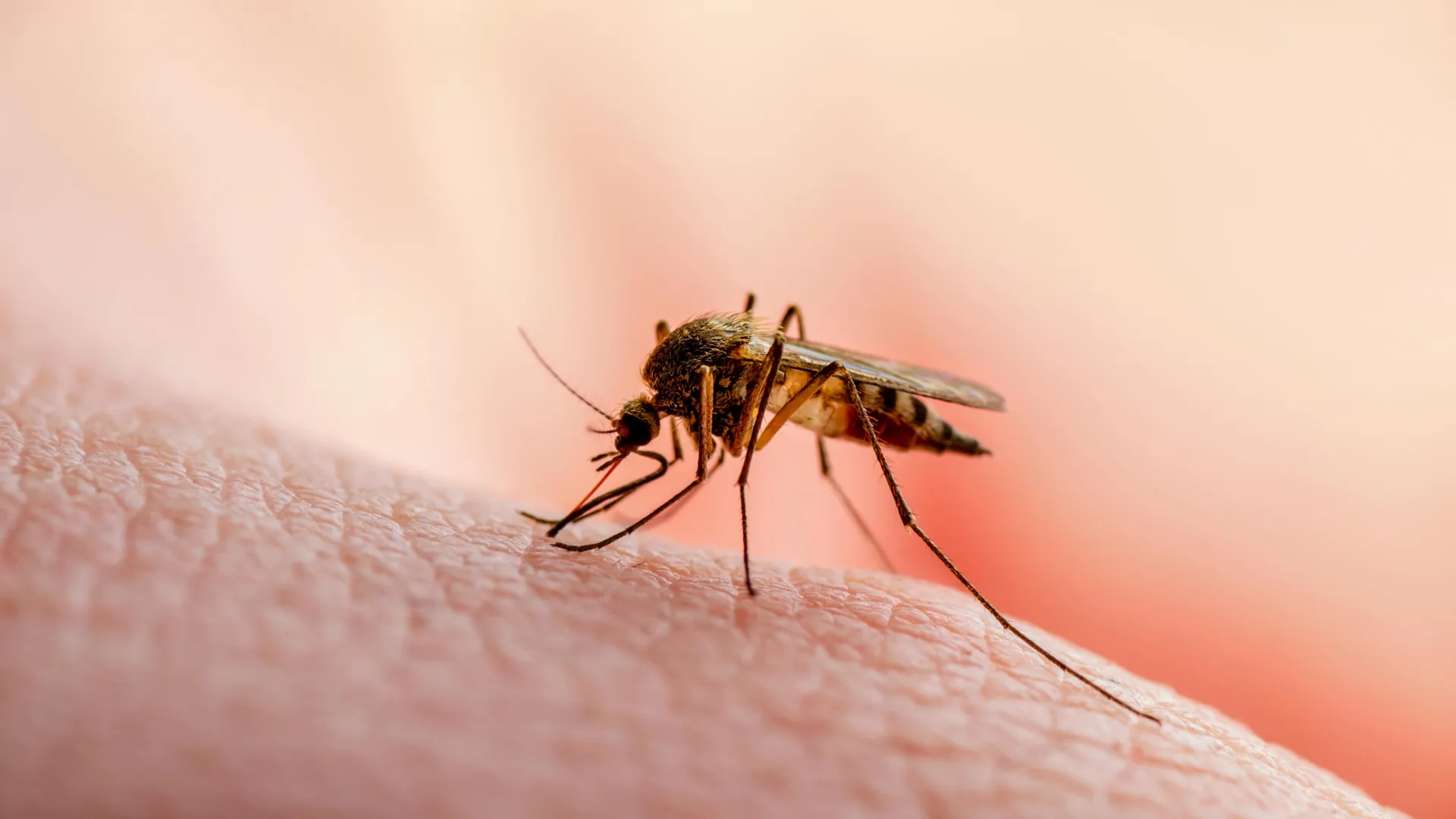
An international consortium of researchers has unveiled a pivotal molecular mechanism vital for the survival and propagation of the Plasmodium parasite, the causative agent of malaria. Their collaborative investigation pinpointed a specialized protein, designated Aurora-related kinase 1 (ARK1), as indispensable for the parasite’s intricate growth and the successful transition between its human and mosquito hosts, thereby presenting a compelling new target for the development of desperately needed antimalarial pharmaceuticals.
The Enduring Global Health Challenge Posed by Malaria
Malaria remains one of the most formidable and persistent global health crises, exacting a devastating toll on human populations, particularly in sub-Saharan Africa. The World Health Organization (WHO) estimates hundreds of millions of cases annually, leading to hundreds of thousands of deaths, predominantly among young children. Beyond the tragic loss of life, malaria perpetuates a cycle of poverty, stifles economic development, and places immense strain on healthcare systems in endemic regions. Despite significant progress in recent decades, the fight against malaria faces formidable obstacles, including the increasing emergence of drug-resistant Plasmodium strains, insecticide-resistant mosquito vectors, and the lack of a universally effective vaccine. These challenges underscore the urgent necessity for innovative therapeutic strategies that target novel aspects of parasite biology, moving beyond existing mechanisms of action to overcome resistance and achieve sustained control, with the ultimate goal of eradication.
Deciphering the Intricate Biology of Plasmodium Parasites
The Plasmodium parasite exhibits a remarkably complex life cycle, involving distinct developmental stages within both human and mosquito hosts. Humans become infected when an infected female Anopheles mosquito injects sporozoites into the bloodstream. These sporozoites rapidly travel to the liver, where they multiply asexually, forming merozoites. Upon rupture of liver cells, merozoites are released into the bloodstream, invading red blood cells. This erythrocytic stage is responsible for the clinical symptoms of malaria, as parasites multiply exponentially within red blood cells, causing their lysis. Some merozoites differentiate into male and female gametocytes, which, when ingested by a feeding mosquito, initiate the sexual stage of the life cycle. Within the mosquito gut, gametocytes mature into gametes, fuse, and form a zygote, which develops into an ookinete. The ookinete invades the mosquito gut wall, forms an oocyst, and undergoes further multiplication to produce thousands of new sporozoites, which migrate to the mosquito’s salivary glands, completing the cycle.
A critical aspect of Plasmodium‘s success lies in its highly unusual and efficient methods of cellular division and replication, particularly during the asexual proliferation phases in both the liver and red blood cells, and also during sporogony in the mosquito. Unlike the well-understood binary fission or mitotic processes observed in most eukaryotic cells, Plasmodium parasites employ divergent mechanisms, such as schizogony (in the liver and blood stages) and sporogony (in the mosquito), where multiple nuclear divisions occur prior to cytokinesis, resulting in the simultaneous formation of numerous daughter cells. Understanding the molecular machinery that orchestrates these unique divisions is paramount for identifying vulnerabilities that could be exploited therapeutically.
The Discovery of Aurora-related Kinase 1 (ARK1): A Central Regulator
The groundbreaking research, published in Nature Communications, illuminated the indispensable role of a specific molecule, Aurora-related kinase 1 (ARK1), in coordinating these atypical growth and division processes. Kinases are a class of enzymes that catalyze the transfer of phosphate groups from high-energy donor molecules (like ATP) to specific substrate proteins, a process known as phosphorylation. This phosphorylation acts as a molecular switch, regulating the activity, localization, or interaction of target proteins, thereby controlling a vast array of cellular processes, including cell growth, metabolism, differentiation, and division. Aurora kinases, a well-conserved family of serine/threonine protein kinases, are universally recognized for their fundamental roles in orchestrating mitosis and meiosis in eukaryotes, particularly in the regulation of spindle formation, chromosome segregation, and cytokinesis.
The international research team, comprising scientists from institutions including the University of Nottingham, the National Institute of Immunology (NII) in India, the University of Groningen in the Netherlands, and the Francis Crick Institute, revealed that Plasmodium‘s ARK1 functions as a crucial cellular "traffic controller" within the parasite. Specifically, ARK1 was found to be instrumental in organizing the spindle apparatus – the intricate microtubule-based structure responsible for segregating genetic material during cell division. In typical eukaryotic mitosis, the spindle ensures that each daughter cell receives a complete and identical set of chromosomes. However, given the Plasmodium parasite’s divergent division mechanisms, ARK1’s role in coordinating the formation and function of this spindle apparatus is particularly complex and critical for its multi-nucleated developmental stages. The discovery thus sheds new light on the fundamental cell biology of these notoriously difficult-to-study pathogens.
Experimental Validation: Disabling ARK1 Halts Parasite Development
To ascertain the precise function of ARK1, the researchers employed advanced genetic manipulation techniques, including gene knockout strategies, to disable or inhibit the protein’s activity in laboratory experiments. The results were stark and definitive: abrogation of ARK1 function led to a rapid and catastrophic breakdown in parasite development. Without the functional ARK1 protein, Plasmodium parasites were incapable of properly constructing the spindle structures essential for nuclear division. This deficiency directly impeded their ability to divide correctly and complete their replication cycles.
The experimental findings demonstrated that parasites lacking functional ARK1 failed to progress through critical developmental stages in both human and mosquito hosts. In the absence of ARK1, parasites were unable to proliferate effectively within red blood cells, nor could they undergo the necessary transformations and multiplications within the mosquito vector. This systemic failure in division effectively severed the chain of transmission, preventing the parasite from completing its life cycle and thus blocking its ability to spread. The inability to form viable daughter cells across multiple life cycle stages underscores ARK1’s universal importance for Plasmodium survival and propagation, making it an exceptionally attractive target for therapeutic intervention. The comprehensive nature of these experimental validations provides robust evidence for ARK1’s indispensable role and its potential as a broad-spectrum antimalarial target.
The Therapeutic Advantage of Molecular Divergence
One of the most compelling aspects of this discovery lies in the significant molecular divergence between the Plasmodium parasite’s ARK1 complex and its functional equivalents found in human cells. This distinction represents a critical advantage for rational drug design. A major challenge in developing antiparasitic agents is achieving selective toxicity – designing compounds that effectively eliminate the pathogen without causing undue harm to the human host. Many existing antimalarial drugs have faced limitations due to off-target effects, leading to adverse side effects or a narrow therapeutic window.
The research team emphasized that the parasite’s ARK1 system is structurally and functionally distinct enough from human Aurora kinases to allow for highly specific targeting. This molecular differentiation creates a promising "therapeutic window" where drugs can be engineered to precisely inhibit Plasmodium ARK1 while sparing host cellular machinery. As articulated by Professor Tewari, a leading researcher involved in the study, this divergence means that it is theoretically possible to develop drugs that "turn out the lights" on the malaria parasite without causing significant collateral damage to the patient’s cells. This principle of selective inhibition is a cornerstone of modern pharmaceutical development, and its applicability to ARK1 significantly enhances its appeal as a drug target, minimizing the potential for host toxicity and improving drug safety profiles.
Implications for Novel Antimalarial Drug Development
The identification of ARK1 as an Achilles’ heel for Plasmodium parasites opens a promising avenue for the development of entirely new classes of antimalarial drugs. Given that kinases are highly druggable targets – a fact demonstrated by the success of numerous kinase inhibitors in cancer therapy – ARK1 presents a clear opportunity for targeted drug discovery. The strategy would involve designing small molecule inhibitors specifically tailored to bind to and inactivate the Plasmodium ARK1 protein.
The drug development pipeline typically involves several stages:
- Target Validation: This research firmly establishes ARK1 as a validated target.
- Lead Identification: High-throughput screening campaigns can be initiated to screen vast libraries of chemical compounds for their ability to inhibit ARK1 activity in vitro.
- Lead Optimization: Promising compounds (leads) would then undergo medicinal chemistry optimization to enhance their potency, selectivity, pharmacokinetic properties (absorption, distribution, metabolism, excretion), and reduce potential toxicity.
- Pre-clinical Development: Optimized compounds would be tested in relevant animal models of malaria to assess efficacy and safety in vivo.
- Clinical Trials: Successful candidates would then progress to human clinical trials (Phases I, II, III) to confirm safety, dosage, and efficacy.
A drug that effectively targets ARK1 could disrupt the parasite’s life cycle at multiple points within both the human and mosquito hosts. This multi-stage efficacy would be a significant advantage, potentially preventing clinical disease, reducing the parasitic load, and importantly, blocking transmission to mosquitoes, thereby interrupting the entire infection chain. Such a drug could be invaluable in combination therapies, offering a new mechanism of action to combat drug-resistant strains and extend the lifespan of existing antimalarials.
The Power of Collaborative Research and Future Outlook
The complex nature of Plasmodium biology, with its diverse stages across two distinct hosts, necessitates a highly collaborative and interdisciplinary research approach. The success of this study underscores the immense value of international cooperation, bringing together expertise from diverse fields such as molecular biology, parasitology, biochemistry, and structural biology. Researchers from the Biotechnology Research and Innovation Council (BRIC)-NII, New Delhi, highlighted the necessity of such team efforts to appreciate the multifaceted role of ARK1 simultaneously in both host environments, revealing novel aspects of parasite biology that single-institution studies might miss.
Looking ahead, the next critical steps involve translating this fundamental discovery into tangible therapeutic solutions. This includes intensifying efforts in drug discovery programs, focusing on the rational design of ARK1 inhibitors. Further research will also aim to fully elucidate the structural details of Plasmodium ARK1 and its interaction with substrate proteins, which can guide structure-based drug design. Beyond direct drug development, this research contributes significantly to our foundational understanding of Plasmodium cell biology, potentially unveiling other unexpected vulnerabilities that could be exploited in the ongoing global effort to control and ultimately eradicate malaria. The promise of this discovery lies not only in a new drug target but also in the deeper insights it provides into the life of one of humanity’s most persistent foes.




 Lisa Mariana
 Aura Kasih
 Safa Marwah