Ayu Aulia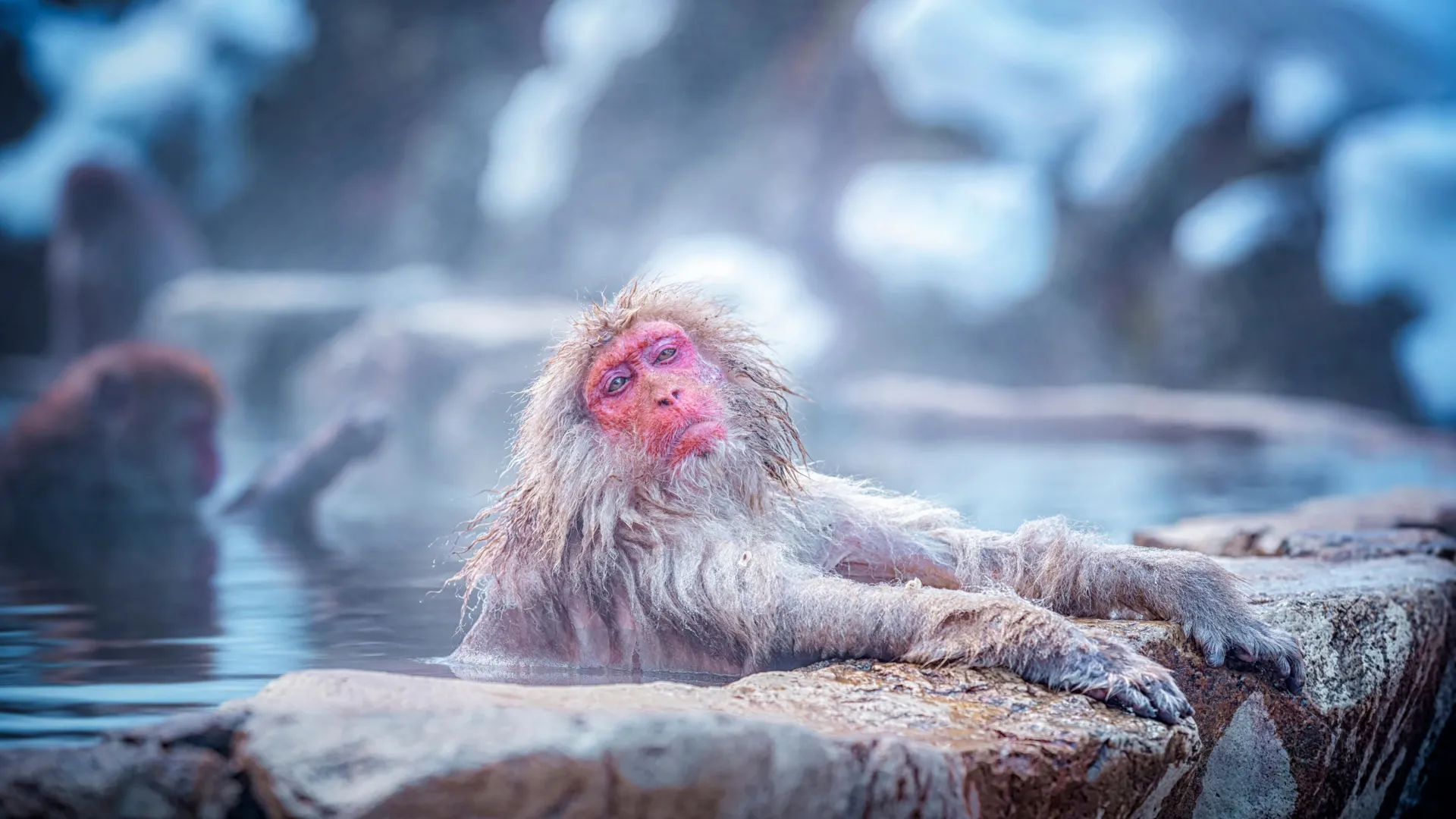
Japanese macaques, widely recognized as "snow monkeys," are an iconic symbol of adaptation, renowned for their distinctive practice of immersing themselves in natural hot springs amidst the harsh conditions of winter. While the immediate physiological benefits of these thermal baths in mitigating extreme cold are evident, groundbreaking research from Kyoto University now reveals that this extraordinary behavior exerts far more intricate influences, subtly yet significantly altering the complex biological ecosystem comprising the monkeys and their associated microorganisms and parasites.
The Enigma of Primate Hydrotherapy
The sight of Japanese macaques luxuriating in steamy volcanic pools has captivated naturalists and the public alike for decades, presenting one of the most singular behavioral phenomena observed in non-human primates. This peculiar adaptation, primarily documented in the Jigokudani Snow Monkey Park in Nagano Prefecture, Japan, raises fundamental scientific questions beyond simple thermoregulation. The core inquiry driving recent investigations has centered on whether this regular exposure to geothermal waters impacts the symbiotic and parasitic microbial communities residing on and within these remarkable animals, thereby shaping their overall health and ecological interactions.
Deconstructing the Holobiont: An Integrated Biological Perspective
Central to this contemporary research is the concept of the "holobiont," which posits that any organism, from a simple plant to a complex mammal, should be viewed as an integrated biological entity encompassing the host and all its associated microorganisms. This includes bacteria, fungi, archaea, protists, and viruses that inhabit the skin, gut, and other bodily niches, as well as ectoparasites and endoparasites. These microbial communities, collectively termed the "microbiome," are increasingly recognized as fundamental to host physiology, immunity, and even behavior. Understanding the dynamics of the holobiont is crucial for comprehending health and disease in both wild populations and captive environments, providing a holistic lens through which to examine complex ecological relationships.
Methodological Rigor: Unveiling Hidden Connections
To systematically investigate the profound implications of hot spring bathing, researchers embarked on an intensive two-winter observational study at the aforementioned Jigokudani park. The investigation meticulously tracked a defined cohort of female macaques, categorizing them based on their frequency of hot spring utilization – distinguishing between those that regularly sought the thermal waters and those that rarely or never engaged in the practice. This comparative approach was pivotal for isolating the effects of bathing from other environmental variables.
The scientific methodology employed was multifaceted, integrating direct ethological observations with advanced biological sampling techniques. Behavioral data provided precise quantification of bathing duration and frequency. Concurrently, non-invasive methods were utilized for parasite screening, involving careful examination for ectoparasites such as lice, and the collection of fecal samples for comprehensive gut microbiome analysis. The latter involved sophisticated genomic sequencing techniques, specifically targeting the 16S rRNA gene, which serves as a molecular fingerprint for identifying and quantifying bacterial species within the gut. This integrated data collection strategy allowed the research team to construct a detailed picture of how a specific, culturally transmitted behavior might modulate the intricate biological system of the macaque holobiont.
Subtle Modulations within the Microbial Landscape
The empirical data yielded compelling insights, demonstrating that consistent engagement with hot spring bathing induced nuanced alterations in the macaques’ interactions with both their ectoparasites and their internal gut microbiota. Specifically, individuals that frequently immersed themselves in the warm waters exhibited distinct patterns of ectoparasitic lice infestation compared to their non-bathing counterparts. While the study did not definitively establish a direct reduction in lice numbers, the altered distribution suggests that the thermal environment or associated behavioral changes might disrupt the parasites’ life cycle, their preferred habitats on the host, or their reproductive strategies.
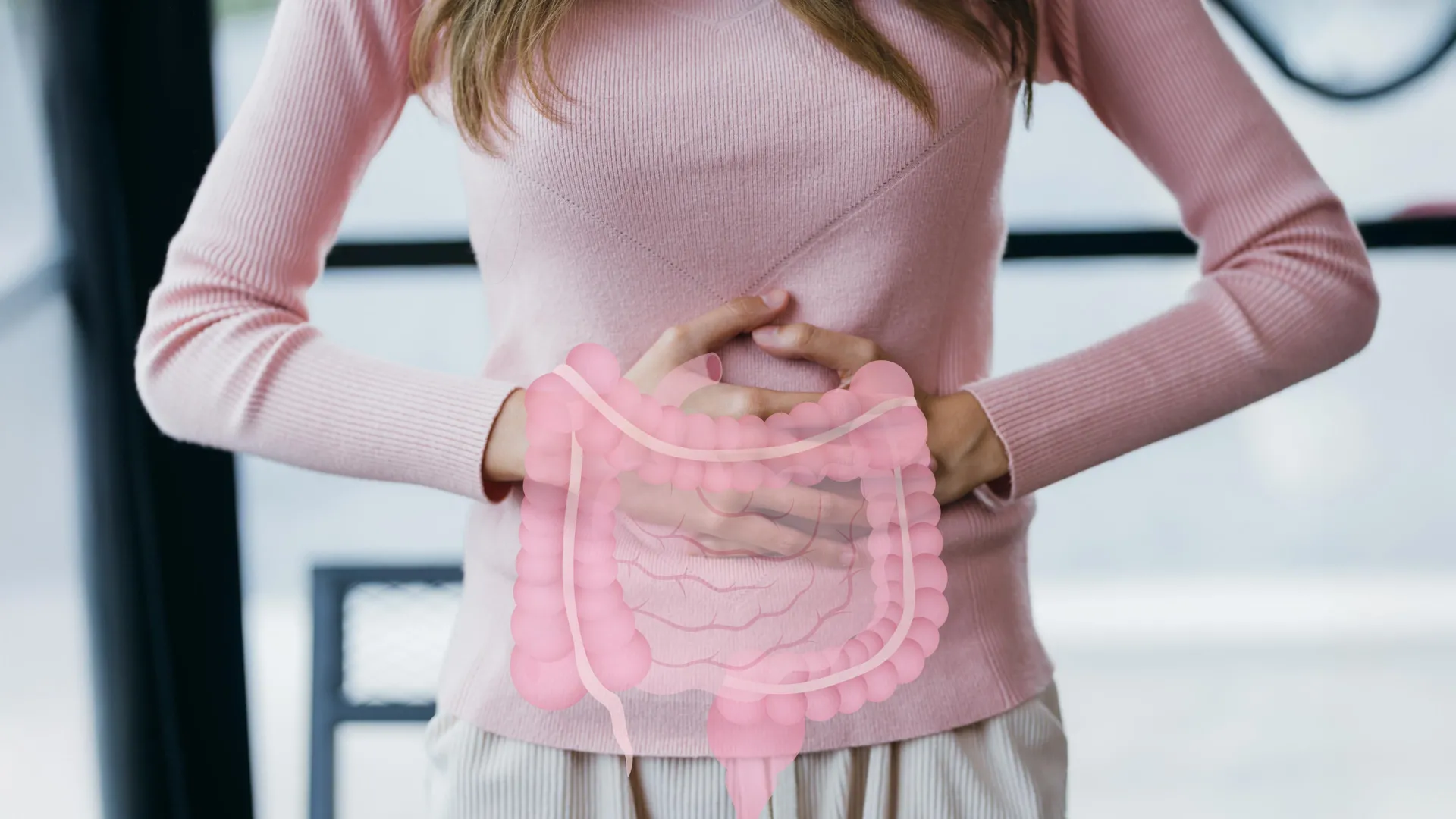
Furthermore, the analysis of gut microbial communities revealed modest yet discernible differences. While the overall diversity of gut bacteria remained largely consistent between the two groups, certain bacterial genera were found to be more prevalent in macaques that refrained from hot spring bathing. This finding indicates that while the core microbial ecosystem might be stable, specific populations within it are responsive to external behavioral influences. Crucially, the study found no evidence that sharing the communal hot springs led to an elevated risk of intestinal parasite infections, nor did it increase the severity of any existing parasitic burdens. This absence of increased pathogen transmission is a significant finding that challenges conventional assumptions about shared water sources in natural settings.
Mechanistic Hypotheses: Probing the "How"
The observed changes in ectoparasite patterns invite several mechanistic hypotheses. The elevated temperatures of the hot springs could directly affect lice, potentially by disrupting their physiological processes, denaturing proteins, or making the macaque’s fur a less hospitable environment for egg-laying. Alternatively, the act of bathing itself might alter the monkeys’ grooming behaviors or skin microbiome, indirectly influencing ectoparasite populations. For instance, softened skin or altered sebaceous secretions could create a less favorable surface for lice attachment or movement.
Regarding the gut microbiome shifts, the mechanisms are likely more indirect. Hot spring bathing is known to reduce stress levels in macaques, a phenomenon observed behaviorally and through physiological markers like glucocorticoid levels. Chronic stress is a well-documented modulator of the gut microbiome in many species, including primates. Thus, stress reduction resulting from regular bathing could lead to beneficial or adaptive shifts in gut bacterial composition. Other possibilities include subtle changes in diet due to improved comfort, or altered metabolic rates influencing nutrient availability for gut microbes. While direct ingestion of microbes from the hot spring water cannot be entirely ruled out, the lack of increased intestinal parasite risk suggests that this route might not be a primary driver of pathogenic transmission in this specific context.
Broader Ecological and Evolutionary Significance
This research offers a profound contribution to our understanding of adaptive behavior and its far-reaching consequences within ecological frameworks. It underscores that behaviors typically categorized by their primary function, such as thermoregulation, often possess a complex web of secondary effects that profoundly impact an animal’s health and its relationship with its microbial inhabitants. From an evolutionary perspective, this suggests that behaviors like hot spring bathing might have been selected for not only due to their immediate thermal benefits but also for their subtle, long-term contributions to host fitness through microbial modulation and parasite management.
The study also touches upon the concept of zoopharmacognosy, where animals self-medicate using natural resources. While not a direct instance of consuming medicinal plants, the purposeful use of a geothermally active environment to influence ectoparasites and internal microbial balance could be seen as a sophisticated form of environmental self-management, potentially passed down through social learning within macaque troops, thus forming a cultural tradition.
Interdisciplinary Parallels with Human Health and Hygiene
The findings hold compelling parallels for understanding human health and behavior. Human practices such as bathing, showering, and the use of saunas and hot tubs are ubiquitous across cultures, often pursued for reasons ranging from hygiene and relaxation to perceived health benefits. This research suggests that such habits may also exert subtle, yet significant, influences on the human holobiont, affecting both external microbial communities (skin microbiome) and internal ones (gut microbiome), potentially through direct exposure, temperature effects, or indirect physiological responses like stress reduction.
Furthermore, the study’s observation that shared water sources did not elevate the risk of intestinal parasites in macaques challenges the generalized assumption that communal water use inherently increases disease transmission. This nuance is crucial; while vigilance regarding pathogen transmission in shared human aquatic environments (e.g., swimming pools) remains paramount, it suggests that natural systems, with their dynamic water flow, unique chemical compositions, and diverse microbial populations, may operate under different ecological rules that mitigate certain risks, at least under specific conditions. Understanding these ecological mitigations could inform public health strategies and environmental engineering.
Charting Future Research Trajectories
While shedding significant light on the intricate relationship between behavior and the holobiont, this pioneering research also opens numerous avenues for future investigation. Long-term studies are essential to understand the cumulative effects of hot spring bathing on macaque health over their entire lifespan, potentially revealing further subtle adaptations or trade-offs. Future research could also move beyond microbial composition to investigate the functional consequences of the observed gut microbiome shifts using advanced techniques like metagenomics and metabolomics, which could elucidate how these bacterial differences translate into physiological impacts.
Exploring the immunological responses of bathing versus non-bathing macaques would provide deeper insights into how these behavioral and microbial changes influence host defense mechanisms. Additionally, expanding the study to include male macaques, as well as macaques in other hot spring locations, would determine the generalizability of these findings across different demographics and environmental contexts. The complex interplay between social structure, cultural transmission of bathing behavior, and individual microbial profiles also represents a rich area for future interdisciplinary inquiry.
Conclusion: Behavior as an Ecological Architect
In summation, this innovative research fundamentally redefines our understanding of primate behavior, illustrating that actions like hot spring bathing are far more than simple physiological responses to environmental stimuli. Instead, they function as intricate ecological architects, subtly shaping the complex, interconnected biological systems of the host animal and its vast microbial inhabitants. By demonstrating that a natural behavior can selectively influence elements of the holobiont – impacting both ectoparasites and the gut microbiome without necessarily increasing pathogenic risk – the findings offer invaluable insights into the evolutionary underpinnings of health-related behaviors and the dynamic variability of microbiomes within social animal populations. This ongoing scientific endeavor continues to unravel the profound complexity and interconnectedness of life, revealing the subtle yet powerful ways in which behavior orchestrates the intricate dance between hosts, microbes, and their shared environment.


 Lisa Mariana
 Aura Kasih
 Safa Marwah