
 Ridwan Kamil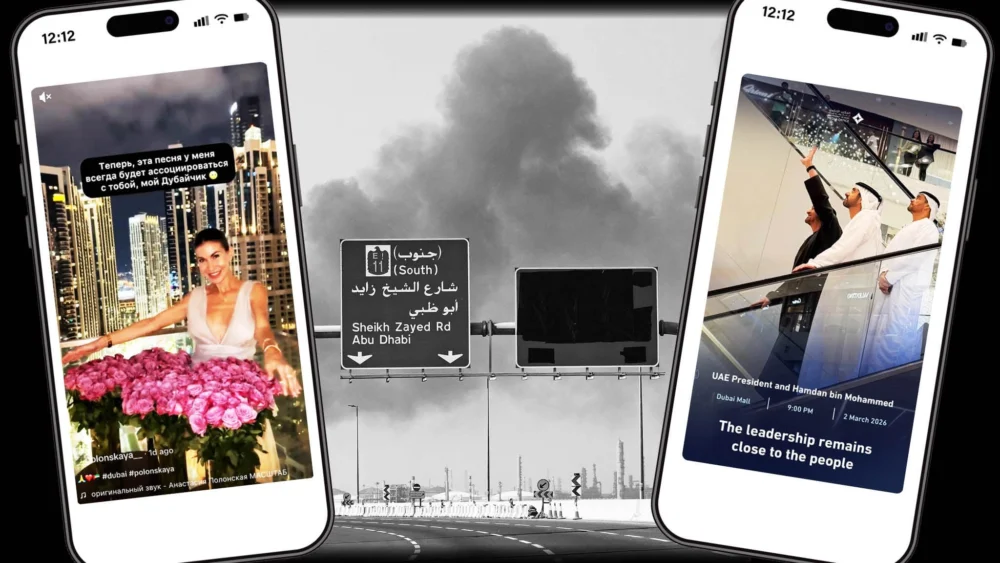
In a concerted effort to counter burgeoning international scrutiny, a cohort of prominent social media personalities has strategically deployed their vast online reach to champion Dubai’s narrative, focusing on its economic dynamism, modern infrastructure, and perceived social openness. This surge in digital advocacy represents a sophisticated response to critical reporting and commentary that has, in recent times, cast a shadow over the emirate’s carefully cultivated global persona.
The phenomenon of influencers actively defending a nation’s image on a global stage is a relatively new, yet increasingly potent, facet of modern public relations and soft power projection. Dubai, a city-state that has meticulously engineered its reputation as a hub for business, tourism, and innovation, finds itself in a position where its established narrative is being challenged. This has prompted a proactive digital counter-offensive, leveraging the established trust and vast followings of individuals who have themselves benefited from and contributed to Dubai’s growth story. These influencers, often presenting aspirational lifestyles and showcasing the emirate’s opulent offerings, are now tasked with reframing the discourse, emphasizing aspects of Dubai that align with its strategic objectives.
The core of this influencer-driven defense appears to revolve around several key themes. Firstly, there is a strong emphasis on Dubai’s economic vibrancy and its role as a global business nexus. Influencers highlight the ease of doing business, the diverse range of industries thriving within the emirate, and the opportunities it presents for entrepreneurs and investors. This narrative often includes showcasing modern office spaces, successful business ventures, and interviews with expatriate business leaders, painting a picture of a dynamic and forward-thinking commercial environment. The aim is to reinforce Dubai’s image as a place where ambition is rewarded and economic growth is a tangible reality.
Secondly, the modern infrastructure and cosmopolitan lifestyle of Dubai are consistently showcased. Posts and videos frequently feature the city’s iconic skyscrapers, luxury hotels, world-class shopping destinations, and pristine beaches. This visual testament to Dubai’s material progress and its ability to offer a high standard of living is intended to appeal to a broad international audience, particularly potential tourists and residents. The curated content often emphasizes a sense of exclusivity, luxury, and unparalleled experiences, positioning Dubai as a premier global destination.
Furthermore, a recurring element of this digital defense is the portrayal of Dubai as a tolerant and open society, particularly in contrast to some of its regional neighbors. Influencers often highlight the diverse expatriate population, the presence of various religious communities, and the general atmosphere of cultural coexistence. This narrative seeks to assuage concerns among international visitors and potential residents about social freedoms and the integration of diverse cultures. By showcasing individuals from various backgrounds living and working harmoniously, the aim is to present Dubai as a welcoming and inclusive environment.
The strategic deployment of influencers in this manner is not merely a spontaneous act of digital advocacy; it represents a calculated approach to public diplomacy and image management in the 21st century. Traditional media outlets and official government spokespersons, while important, often carry a perceived layer of inherent bias. Influencers, by contrast, can cultivate an aura of authenticity and personal endorsement, making their messages more resonant with their followers. This "earned media" approach, where positive sentiment is generated through organic-feeling content, can be highly effective in shaping public perception.
The selection of influencers for this task is also likely to be a strategic decision. Those chosen often have a significant following among demographics that Dubai seeks to attract – affluent individuals, young professionals, entrepreneurs, and families. Their content is typically aspirational, aligning with the desires and ambitions of these target audiences. Moreover, many of these influencers are themselves expatriates who have established successful lives and careers in Dubai, lending credibility to their positive portrayals. Their personal journeys and achievements serve as anecdotal evidence supporting the emirate’s promise of opportunity and success.
However, this influencer-led defense operates within a complex information ecosystem where critical perspectives also hold sway. Reports concerning labor rights, human rights, and political freedoms in the UAE, including Dubai, continue to circulate in international media and among human rights organizations. The effectiveness of influencer advocacy in fully counteracting these narratives remains a subject of ongoing debate. While influencers can effectively promote the positive aspects of Dubai, they may face challenges in addressing or refuting more substantive criticisms without appearing to downplay or dismiss them.
The broader implications of this trend extend beyond Dubai’s specific image management efforts. It signals a growing recognition among nation-states and major cities of the power of digital influencers as instruments of soft power. As the global media landscape continues to fragment and traditional gatekeepers lose some of their influence, entities seeking to shape international opinion are increasingly turning to individuals who command significant attention and trust within specific online communities. This shift presents both opportunities and challenges for international relations and public discourse.
For Dubai, this strategy is rooted in its long-term vision of establishing itself as a leading global city. The emirate has consistently invested heavily in its physical infrastructure, its economic diversification, and its international branding. The digital realm is now an essential frontier in this ongoing effort. By mobilizing influencers, Dubai is not only seeking to defend its current image but also to proactively shape future perceptions, attracting talent, investment, and tourism in a highly competitive global marketplace.
The success of such campaigns often hinges on the perceived authenticity of the influencers and the credibility of their endorsements. When influencers share genuine experiences and insights, their messages are more likely to resonate. However, the line between genuine advocacy and paid promotion can sometimes blur, leading to skepticism among audiences. Transparency regarding sponsored content and partnerships is crucial for maintaining trust.
Looking ahead, it is likely that this trend of nation-states and cities employing influencers for image management will continue to evolve. As social media platforms and their algorithms change, so too will the strategies employed. The emphasis may shift towards micro-influencers with highly engaged niche audiences, or towards more interactive and immersive content formats. The challenge for Dubai, and for other similar entities, will be to adapt these strategies while maintaining credibility and effectively addressing the complexities of their global image.
In conclusion, the concerted efforts of influencers to defend Dubai’s image highlight a significant development in the intersection of digital media, public relations, and international relations. By leveraging their extensive reach and perceived authenticity, these personalities are actively engaged in shaping the global narrative surrounding the emirate. While this approach offers a powerful tool for soft power projection, its long-term effectiveness will depend on its ability to navigate critical perspectives and maintain the trust of increasingly discerning online audiences. The ongoing discourse surrounding Dubai’s global standing underscores the evolving nature of international perception and the critical role of digital diplomacy in the contemporary world.



 Aura Kasih
 Safa Marwah
 Ayu Aulia


