Ayu Aulia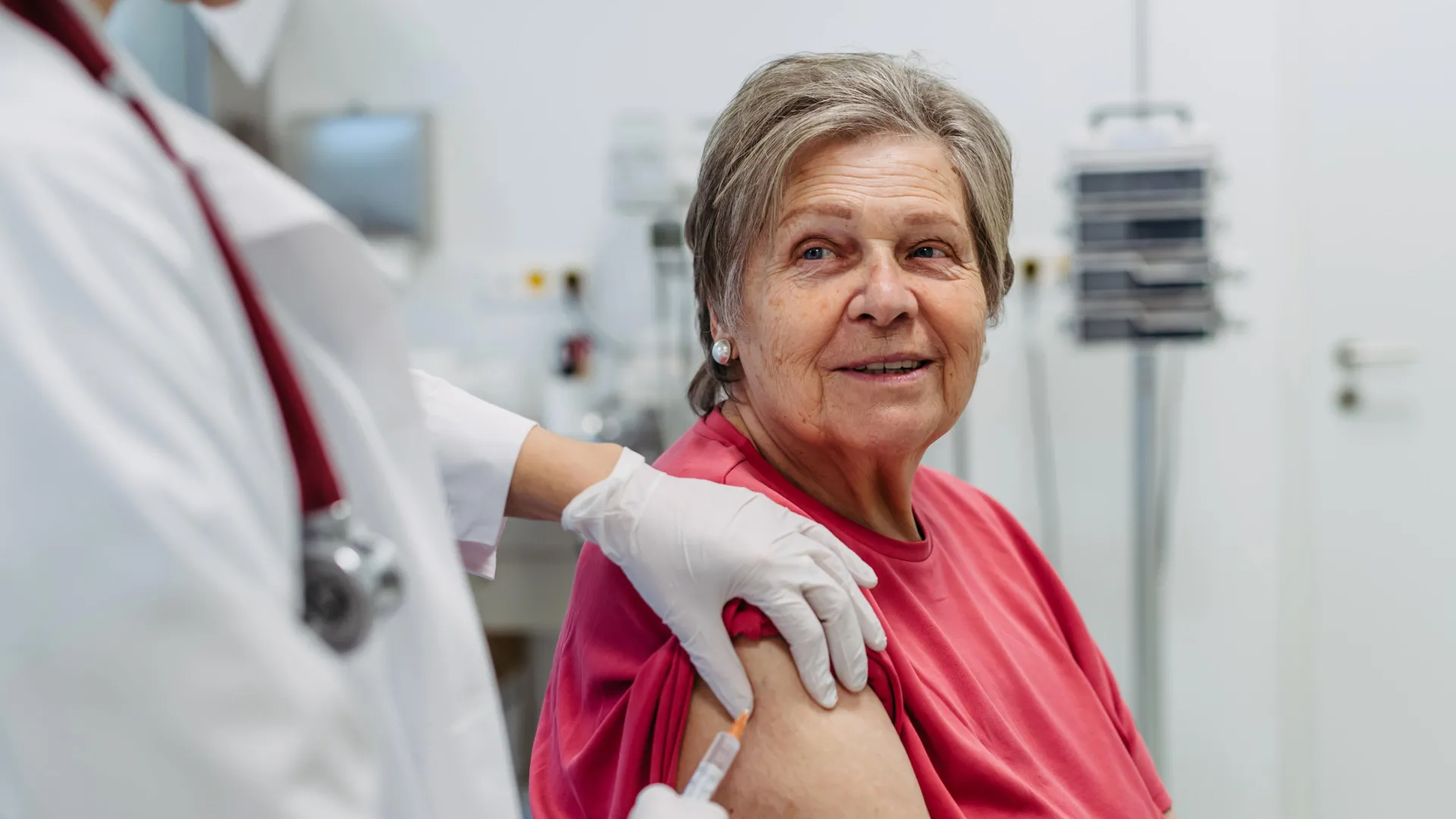
Groundbreaking research offers new insights into the multifaceted benefits of the shingles vaccine, suggesting its protective influence extends beyond preventing viral reactivation. A recent study indicates that adults inoculated against herpes zoster exhibit quantifiable markers of slower biological aging and lower inflammatory burdens, potentially positioning vaccination as a novel strategy in the pursuit of healthy longevity. This emergent understanding challenges conventional perceptions of vaccine utility, proposing a significant role in modulating fundamental physiological processes associated with the aging trajectory.
The human lifespan is conventionally measured by chronological age, a simple count of years lived. However, a more profound metric, biological age, reflects the functional integrity and health status of an individual’s tissues, organs, and cellular systems. Two individuals of the same chronological age can possess vastly different biological ages, influenced by genetics, lifestyle, and environmental factors. Those with an accelerated biological age often face a higher risk of age-related diseases, including cardiovascular conditions, neurodegenerative disorders, and metabolic syndromes. Consequently, identifying interventions that can decelerate biological aging is a central focus of geroscience and preventive medicine. The implications of such interventions are profound, extending to enhanced quality of life, reduced healthcare burdens, and an extended period of healthy, independent living.
This recent investigation leveraged extensive data from the nationally representative U.S. Health and Retirement Study, focusing on a cohort of over 3,800 adults aged 70 and above as of 2016. The meticulous analysis, which carefully controlled for pre-existing health conditions and various demographic variables, revealed a compelling correlation: participants who had received the shingles vaccination exhibited a measurably slower rate of overall biological aging compared to their unvaccinated counterparts. This finding introduces a novel dimension to the discussion surrounding vaccine efficacy, moving beyond direct disease prevention to encompass broader systemic health improvements. The robustness of the study’s methodology, utilizing a large, diverse, and well-characterized population, lends considerable weight to its conclusions, suggesting a potentially widespread benefit across the older adult demographic.
To objectively quantify biological aging, the researchers employed a sophisticated analytical framework. They assessed a comprehensive panel of biological markers, which, while not explicitly detailed in the provided information, typically include indicators reflecting cellular senescence, telomere length, epigenetic modifications (such as DNA methylation patterns), metabolic health, and systemic inflammation. These individual measurements were then synthesized into a composite biological aging score, providing a holistic snapshot of each participant’s physiological age relative to their chronological age. This integrative approach allows for a more nuanced understanding of the complex interplay of factors contributing to the aging process, moving beyond single biomarkers to a more comprehensive assessment.
A cornerstone of the study’s findings was the observation of significantly reduced inflammation among vaccinated individuals. Chronic, low-grade systemic inflammation, often termed "inflammaging," is a pervasive hallmark of aging. This persistent inflammatory state is not merely a symptom but a key driver of numerous age-related pathologies, including atherosclerosis, type 2 diabetes, sarcopenia, frailty, and cognitive decline. Inflammaging is characterized by elevated levels of pro-inflammatory cytokines and other mediators, creating a hostile cellular environment that impairs tissue repair, accelerates cellular damage, and contributes to the decline of immune function. The study posits that by potentially preventing the reactivation of the varicella zoster virus (VZV), the causative agent of shingles, the vaccine may mitigate a source of immunological stress that otherwise contributes to this chronic inflammatory burden. By dampening this persistent inflammatory milieu, the vaccine could indirectly foster a more resilient physiological state, thereby slowing the progression of biological aging.
Shingles, medically known as herpes zoster, manifests as a painful vesicular rash. It arises from the reactivation of the varicella zoster virus, the same pathogen responsible for chickenpox, which lies dormant in nerve ganglia after the primary infection. While anyone who has had chickenpox carries the risk of shingles, its incidence and severity increase dramatically with advancing age, typically after 50, and are particularly elevated in immunocompromised individuals. The rash can be excruciatingly painful and is often accompanied by debilitating complications, most notably postherpetic neuralgia (PHN), a chronic nerve pain that can persist for months or even years after the rash has cleared, severely impacting quality of life. Vaccination against VZV has been a standard recommendation for older adults precisely because it significantly reduces both the likelihood of developing shingles and the risk of PHN, thus preventing substantial morbidity. This established efficacy in disease prevention now appears to be complemented by broader systemic benefits.
The current findings resonate with a growing body of evidence suggesting that vaccines, beyond their primary role in preventing specific infectious diseases, may exert broader immunomodulatory and health-promoting effects. Previous investigations have hinted at associations between adult vaccinations, including those for influenza and shingles, and reduced risks of neurodegenerative conditions such as dementia. This emerging concept of "vaccine pleiotropy" underscores the potential for immunizations to influence biological systems in ways not immediately apparent from their direct anti-pathogen mechanisms. The study’s first author highlighted that this research contributes significantly to the understanding that vaccines could be instrumental in promoting healthy aging by favorably modulating biological systems that extend far beyond acute infection prevention.
Distinguishing between chronological and biological age is crucial for understanding the nuances of the aging process. While chronological age is an unalterable factor, biological age is malleable, influenced by genetics, lifestyle, and environmental exposures. An individual’s biological age reflects the cumulative damage and functional decline experienced by their cells and tissues. The study’s ability to assess diverse markers of biological aging, including those related to epigenetic and transcriptomic processes, offers a sophisticated lens through which to view these differences. Epigenetic clocks, for instance, measure age-related changes in DNA methylation patterns, which are highly correlated with physiological decline and mortality risk. Transcriptomic aging, on the other hand, refers to changes in gene expression profiles over time, reflecting alterations in cellular function and stress responses. The observation that vaccinated participants exhibited slower epigenetic and transcriptomic aging, alongside lower inflammation, suggests a multi-pronged beneficial effect on cellular and molecular aging pathways.
Crucially, the study also investigated the durability of these observed effects. The analysis indicated that individuals vaccinated four or more years prior to providing a blood sample still demonstrated slower epigenetic aging, transcriptomic aging, and better overall biological aging scores compared to their unvaccinated counterparts. This persistence of benefit over several years is particularly noteworthy, suggesting that the protective effects against accelerated biological aging are not transient but potentially long-lasting. Such sustained benefits would amplify the public health significance of shingles vaccination, offering prolonged health dividends beyond the immediate prevention of acute illness.
The implications of these findings are substantial. If confirmed by further research, shingles vaccination could become a recognized component of comprehensive healthy aging strategies, complementing existing recommendations for diet, exercise, and chronic disease management. While the exact biological mechanisms underlying these broader benefits require further elucidation, the potential for vaccination to mitigate systemic inflammation represents a promising avenue for intervention. Future research should prioritize longitudinal and experimental designs, such as randomized controlled trials, to establish causality definitively and explore the precise molecular pathways through which the vaccine exerts its effects on biological aging. Such studies could involve detailed analyses of immune cell populations, cytokine profiles, and cellular senescence markers pre- and post-vaccination.
Ultimately, this study contributes to a paradigm shift in how vaccines are perceived, moving from mere disease prevention tools to potential modulators of the fundamental aging process. By influencing key domains linked to the aging trajectory, such as inflammation and cellular aging, the shingles vaccine could offer an accessible and effective means to foster resilience against age-related decline. The ongoing advancements in geroscience, coupled with these intriguing findings, underscore the exciting potential for leveraging immunological interventions to promote healthier, longer lives for aging populations worldwide. This research serves as a compelling call for continued investigation into the pleiotropic effects of vaccines, recognizing their potential as vital instruments in the global pursuit of healthy longevity.
The study, titled "Association between shingles vaccination and slower biological aging: Evidence from a U.S. population-based cohort study," was published in the Journals of Gerontology, Series A: Biological Sciences and Medical Sciences in January 2026. This work received support from the National Institute on Aging at the National Institutes of Health, and the underlying Health and Retirement Study is also funded by the National Institute on Aging.



 Lisa Mariana
 Aura Kasih
 Safa Marwah