Ridwan Kamil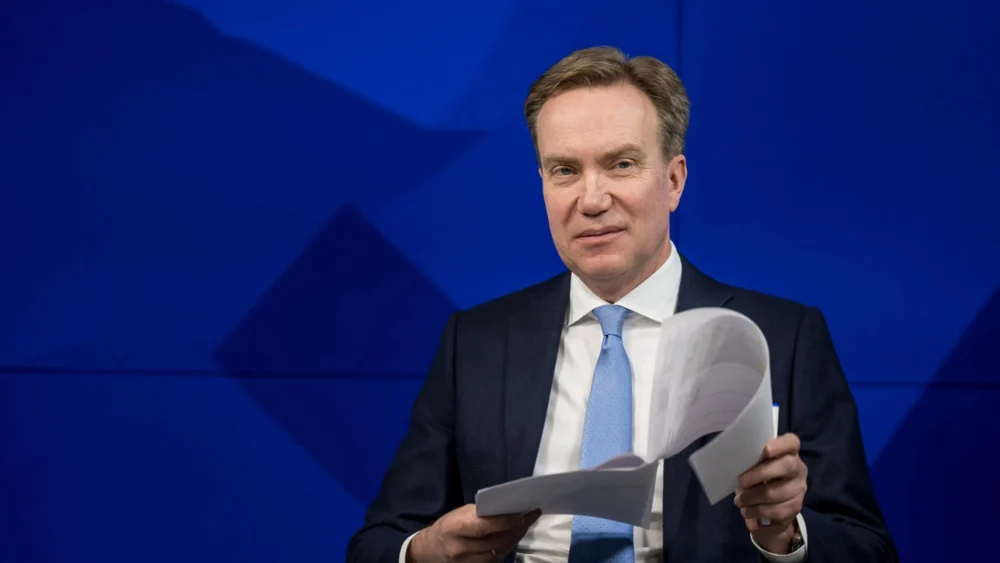
The highest echelons of global economic diplomacy are experiencing a significant upheaval as Børge Brende, the esteemed President of the World Economic Forum (WEF), has tendered his resignation. This unexpected departure, announced amidst a growing storm of controversy surrounding his past interactions with the late financier and convicted sex offender Jeffrey Epstein, sends ripples through the international policy and business community. Brende’s exit marks a critical juncture for the WEF, an organization synonymous with fostering dialogue and collaboration among global leaders on pressing economic and societal challenges.
The immediate catalyst for Brende’s resignation appears to be the escalating public scrutiny and internal pressure stemming from previously undisclosed connections to Jeffrey Epstein. While the precise nature and extent of these associations are still being pieced together by investigative journalists and, presumably, by the WEF’s own internal review processes, the mere existence of links to an individual implicated in such egregious criminal activity has proven untenable for a figurehead of a prestigious global institution. The WEF, which positions itself as a vanguard of ethical leadership and corporate responsibility, finds itself in a precarious position, forced to confront the implications of its president’s past associations.
Børge Brende, a Norwegian politician and former Minister of Foreign Affairs, has helmed the WEF since 2017. During his tenure, he has been instrumental in shaping the organization’s agenda, guiding discussions on critical issues such as climate change, technological innovation, and inclusive growth. His leadership has been characterized by a commitment to multilateralism and a belief in the power of public-private partnerships to address complex global problems. The WEF, under his stewardship, has maintained its status as a premier platform for world leaders, business magnates, and academics to convene annually in Davos, Switzerland, to debate the future of the global economy.
However, the revelations regarding Brende’s interactions with Epstein have cast a long shadow over his otherwise distinguished career. Reports have emerged suggesting that Brende, prior to his WEF presidency and even during his time as Foreign Minister, engaged in interactions with Epstein that have now come under intense scrutiny. While the specific details remain subject to ongoing investigation and reporting, the core of the concern lies in the perceived judgment and the potential ethical compromises inherent in associating with an individual whose criminal activities were well-documented. For an organization that champions transparency and accountability, these associations present a significant reputational challenge.
The implications of Brende’s resignation extend far beyond the immediate leadership vacuum at the WEF. It signals a broader reckoning within elite global institutions regarding due diligence, ethical vetting, and the imperative to maintain the highest standards of conduct, especially for those in positions of immense influence. The Epstein scandal, which has previously ensnared numerous prominent figures across finance, politics, and academia, continues to unravel, exposing a disturbing network of influential individuals who, for reasons yet fully understood, maintained ties with Epstein.
The World Economic Forum, in particular, operates on a foundation of trust and credibility. Its influence stems from its ability to convene powerful individuals and shape global discourse. Any perceived compromise of these principles, whether through direct involvement or associations with problematic individuals, can significantly erode that influence. Brende’s departure, therefore, is not merely a personnel change but a strategic imperative for the WEF to reaffirm its commitment to integrity and to demonstrate its capacity for self-correction.
The process of selecting a successor will be a critical test for the WEF’s board and its stakeholders. The new leader will inherit the challenge of navigating the fallout from this controversy while simultaneously steering the organization through an increasingly complex and volatile global landscape. The ideal candidate will not only possess the diplomatic acumen and strategic vision necessary to lead the WEF but will also embody an unimpeachable ethical compass, capable of restoring and reinforcing public trust. This individual will need to demonstrate a clear understanding of the organization’s mission and a robust commitment to upholding its values.
Furthermore, Brende’s resignation will likely prompt a deeper examination of the WEF’s own vetting processes and its engagement protocols. Questions will arise about how such associations were not identified or addressed earlier. The organization will need to implement more stringent due diligence measures to ensure that all individuals associated with its events and leadership are beyond reproach. This could involve more thorough background checks, enhanced ethical review committees, and a more proactive approach to monitoring public information and investigative reporting concerning its key figures.
The broader context of the Epstein scandal cannot be overstated. The ongoing investigations have illuminated a disturbing pattern of alleged exploitation and abuse, and the repercussions continue to be felt across various sectors. The fallout for the World Economic Forum underscores the interconnectedness of global influence and the inescapable scrutiny that accompanies it. Institutions that operate at the nexus of power and policy must be exceptionally vigilant in safeguarding their reputation and ensuring that their leadership embodies the highest ethical standards.
The World Economic Forum’s mission to improve the state of the world hinges on its ability to foster trust and facilitate constructive dialogue. The recent events, however unfortunate, present an opportunity for the organization to emerge stronger and more resilient. By addressing this challenge head-on, with transparency and decisive action, the WEF can reaffirm its commitment to its core principles and continue to play a vital role in shaping a more equitable and sustainable global future. The coming months will be crucial in determining how the WEF navigates this leadership transition and what lessons it draws from this challenging period. The eyes of the global community will be watching closely as the organization embarks on this path of renewal and recommitment. The future of the WEF’s influence and its standing on the world stage will depend significantly on the choices it makes in the wake of this unprecedented leadership departure.


 Aura Kasih
 Safa Marwah
 Ayu Aulia