Ayu Aulia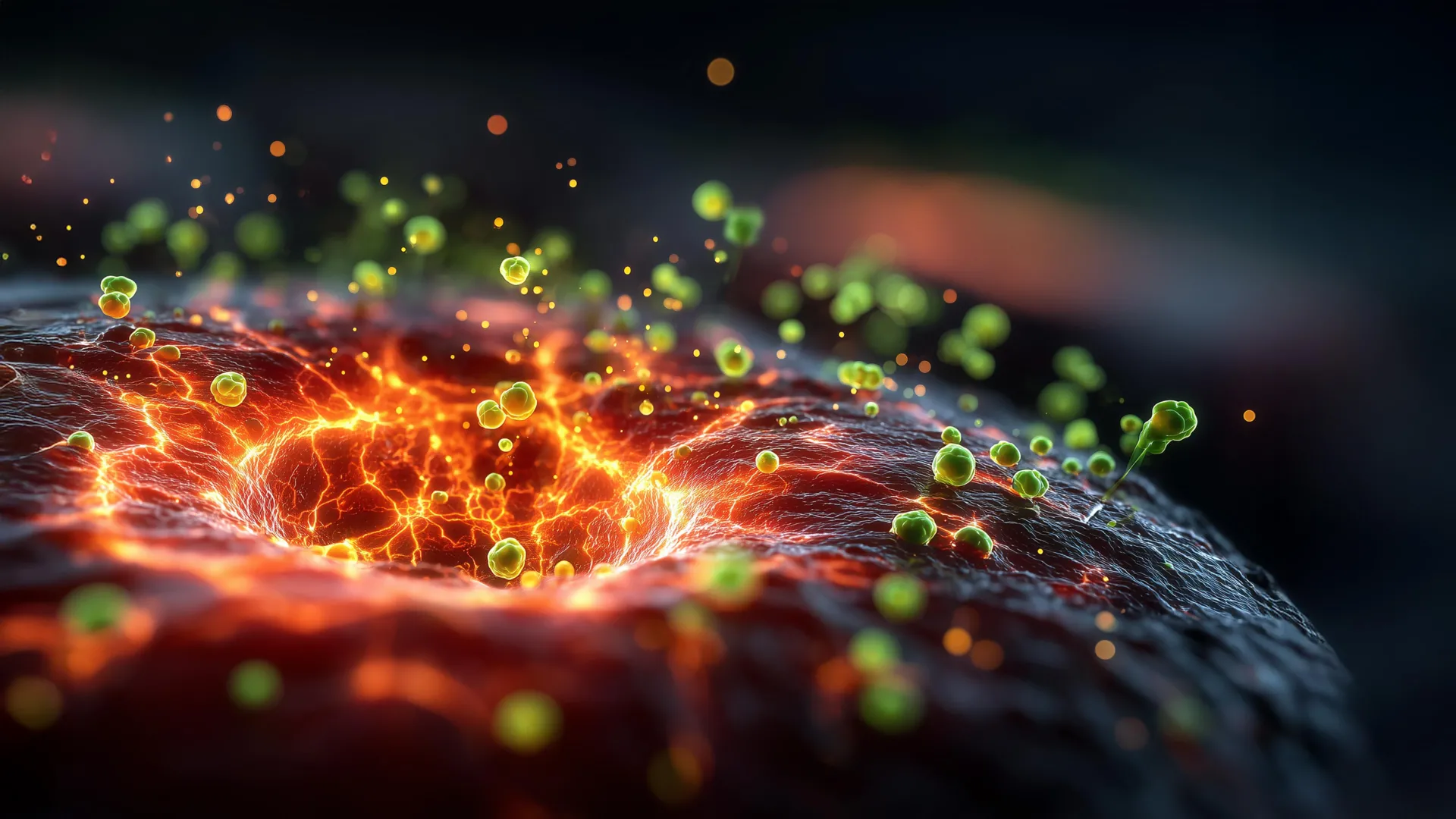
A groundbreaking therapeutic paradigm is emerging from advanced biological engineering, where scientists are meticulously designing microbial agents to precisely target and dismantle cancerous tumors internally, offering a novel strategy against formidable solid malignancies.
The persistent global challenge posed by cancer, particularly solid tumors, often stems from their complex architecture and resistance to conventional treatments. While chemotherapy, radiation, and surgical interventions have formed the bedrock of oncology for decades, their efficacy is frequently hampered by systemic toxicity, the emergence of drug resistance, and the sheer difficulty in accessing deeply embedded or highly metastatic tumor sites. Immunotherapies represent a significant leap forward, yet even they face limitations in certain tumor types or patient populations. This intricate landscape underscores the urgent need for innovative, highly specific, and less invasive treatment modalities. In this context, the strategic deployment of genetically modified microorganisms represents a burgeoning frontier in oncological research, promising a new era of precision medicine where the body’s own microbial residents are repurposed as sophisticated therapeutic agents.
At the vanguard of this research is a highly specialized bacterium, Clostridium sporogenes, a ubiquitous soil inhabitant now being re-engineered as an internal demolition crew for tumors. The intrinsic biological characteristics of Clostridium sporogenes make it an ideal candidate for this ambitious task. Crucially, it is an obligate anaerobe, meaning it can only survive and proliferate in environments completely devoid of oxygen. This stringent requirement aligns perfectly with the unique microenvironment found within many solid tumors. The core of these malignant masses is often characterized by severe hypoxia—a state of extremely low oxygen—and even extensive necrosis, resulting from rapid, uncontrolled cell growth that outstrips the blood supply. This creates a nutrient-rich, oxygen-deprived sanctuary, an ecological niche that Clostridium sporogenes is naturally predisposed to colonize. Once introduced, these bacterial spores selectively germinate within the anoxic tumor core, commencing a proliferation phase where they actively consume the available nutrients, effectively disrupting the tumor’s internal architecture and diminishing its mass from the inside out. This targeted internal assault minimizes collateral damage to healthy, oxygenated tissues, a significant advantage over many systemic cancer therapies.
However, the inherent physiological constraints of Clostridium sporogenes present a substantial hurdle to its full therapeutic potential. While the inner sanctum of a solid tumor provides an ideal anaerobic haven, the tumor periphery, particularly regions bordering healthy tissue or vasculature, often exhibits varying levels of oxygenation. As the bacterial population expands outward from the hypoxic core, reaching these marginally oxygenated zones, the obligate anaerobic nature of C. sporogenes becomes a critical limitation. The bacteria begin to perish, unable to sustain their metabolic processes in the presence of oxygen, thus preventing the complete eradication of the tumor. This challenge necessitates a sophisticated bioengineering solution to extend the therapeutic reach of these microbial agents, ensuring they can persist and function effectively across the heterogeneous oxygen gradients within a tumor.
To surmount this critical oxygen barrier, researchers have implemented a precise genetic modification strategy. They have integrated a gene derived from a related bacterial species known for its enhanced tolerance to oxygen into the Clostridium sporogenes genome. This genetic augmentation bestows upon the engineered microbes a significantly increased capacity to endure and even thrive in conditions that would ordinarily be lethal to their unmodified counterparts. The introduction of this "oxygen-tolerance" gene is a pivotal step, transforming C. sporogenes from a strictly anaerobic agent into a more versatile therapeutic tool capable of penetrating and dismantling a broader spectrum of tumor tissue. This intricate process of gene insertion requires advanced molecular biology techniques, ensuring the stable integration and functional expression of the new genetic material without compromising the bacterium’s fundamental therapeutic properties.
Beyond merely equipping the bacteria with enhanced oxygen tolerance, the scientists recognized an even more critical requirement: the precise temporal and spatial control over this newly acquired trait. Activating the oxygen-tolerance mechanism prematurely, for instance, while the bacteria are still in the bloodstream or other oxygen-rich healthy tissues, would pose a significant safety risk, potentially leading to systemic bacterial proliferation and infection. To circumvent this danger and ensure the bacteria’s activity remains strictly confined to the tumor environment, the team ingeniously harnessed a natural bacterial communication system known as quorum sensing.
Quorum sensing is a sophisticated intercellular communication process employed by many bacterial species to coordinate their behavior in response to population density. It operates through the release and detection of specific chemical signaling molecules, often referred to as autoinducers, into the environment. As the bacterial population grows, the concentration of these signaling molecules increases commensurately. Once these signals reach a critical threshold, they trigger a coordinated transcriptional response within the bacterial community, activating specific genes or pathways that govern collective behaviors such as biofilm formation, virulence factor production, or, in this therapeutic context, the expression of the engineered oxygen-tolerance gene. By integrating this quorum-sensing mechanism, the researchers have created an elegant biological switch. The oxygen-resistant gene remains dormant until a sufficient density of Clostridium sporogenes has accumulated within the confined, nutrient-rich environment of the tumor core. Only then does the escalating concentration of autoinducers activate the oxygen-tolerance mechanism, allowing the bacteria to expand into the more oxygenated peripheral regions of the tumor with enhanced survivability and therapeutic efficacy, all while maintaining a crucial safety margin by preventing premature activation in healthy tissues.
This intricate design is a testament to the power of synthetic biology, an interdisciplinary field that applies engineering principles to biological systems. Just as electrical engineers construct circuits from wires and components, synthetic biologists design and build novel biological functions using "DNA circuits"—modular genetic elements that can be assembled and programmed to perform specific tasks within living cells. Each piece of DNA in such a circuit has a defined function, analogous to a resistor or a transistor. When these genetic modules are correctly arranged, they form a predictable system that can sense environmental cues, process information, and execute desired biological outputs. In this case, the DNA circuit integrates the quorum-sensing input with the output of activating the oxygen-tolerance gene, ensuring a precise, context-dependent response.
The developmental pathway for this advanced bacterial therapy involved several critical validation steps. An earlier investigation had already established the feasibility of genetically modifying Clostridium sporogenes to improve its resilience to oxygen. Building upon this foundational work, a subsequent experiment meticulously tested the functionality of the integrated quorum-sensing control system. In this pivotal study, the researchers programmed the engineered bacteria to produce a green fluorescent protein (GFP) as a reporter molecule. The GFP was placed under the control of the quorum-sensing circuit, meaning it would only be expressed—and thus glow green—once the bacterial population reached the critical density required to activate the system. This elegant visual confirmation allowed the team to precisely verify that the quorum-sensing mechanism was indeed activating at the intended moment and under the specified conditions, providing compelling proof-of-concept for the sophisticated control system. The success of these initial validation experiments paves the way for the next crucial phase: combining both the enhanced oxygen-tolerance gene and the refined quorum-sensing control system into a single, unified bacterial strain. This fully integrated therapeutic agent will then be rigorously evaluated in pre-clinical trials, typically involving advanced animal models, to assess its safety, efficacy, and overall therapeutic potential against actual tumors.
The successful progression of such a complex and ambitious research endeavor is inherently reliant on robust interdisciplinary collaboration, a hallmark of cutting-edge scientific innovation. This particular project exemplifies the synergy achieved by bringing together diverse expertise from seemingly disparate fields. The initial conceptualization and foundational work were significantly advanced by PhD candidate Bahram Zargar, operating under the expert guidance of Dr. Brian Ingalls, a professor of applied mathematics, and Dr. Pu Chen, a distinguished retired professor of chemical engineering. This confluence of chemical engineering, which provides the expertise in designing and optimizing biological processes, and applied mathematics, which offers the sophisticated modeling and analytical tools necessary to understand and predict complex biological systems, was instrumental in shaping the early stages of the research.
The project highlights the University of Waterloo’s strategic emphasis on fostering interdisciplinary health innovation, bridging the gap between fundamental scientific discoveries and their tangible application in medical solutions. Furthermore, the research trajectory has benefited from key partnerships beyond the academic walls. The Waterloo team is actively collaborating with CREM Co Labs, a specialized research entity based in Toronto, co-founded by Dr. Zargar himself. This academic-industry interface facilitates the translation of laboratory breakthroughs into practical, scalable solutions. The collaborative ecosystem also extends to include vital contributions from individuals like Dr. Sara Sadr, a former doctoral student from Waterloo, whose leading role in advancing the research underscores the critical impact of dedicated scientific talent at every stage of discovery. Such multifaceted collaborations are indispensable for navigating the complexities of modern biomedical research, pooling resources, knowledge, and perspectives to accelerate the pace of innovation and address pressing global health challenges.
Looking ahead, the potential implications of this bacterial engineering approach are profound. If successful in advanced pre-clinical and subsequent human clinical trials, this technology could offer a paradigm shift in the treatment of solid tumors, particularly those that are resistant to current therapies or are difficult to reach. The specificity of bacterial targeting to hypoxic tumor cores, combined with the precision-engineered control mechanisms, promises a therapy with potentially reduced systemic toxicity and enhanced efficacy compared to many conventional treatments. Furthermore, this platform opens avenues for future enhancements, such as engineering bacteria to deliver additional therapeutic payloads—like anti-cancer drugs, immune-stimulating agents, or enzymes that degrade tumor matrix—directly into the tumor microenvironment. This combinatorial approach could amplify the therapeutic effect, offering a truly personalized and multifaceted attack against cancer. While the journey from laboratory discovery to widespread clinical application is long and fraught with regulatory, safety, and efficacy hurdles, the progress achieved in engineering bacteria to consume tumors from within represents a beacon of hope, pushing the boundaries of what is possible in the relentless fight against cancer. The meticulous fusion of synthetic biology, microbial physiology, and oncology is poised to redefine therapeutic strategies, offering a powerful, living medicine capable of precisely navigating the intricate landscape of disease.




 Lisa Mariana
 Aura Kasih
 Safa Marwah