Lisa Mariana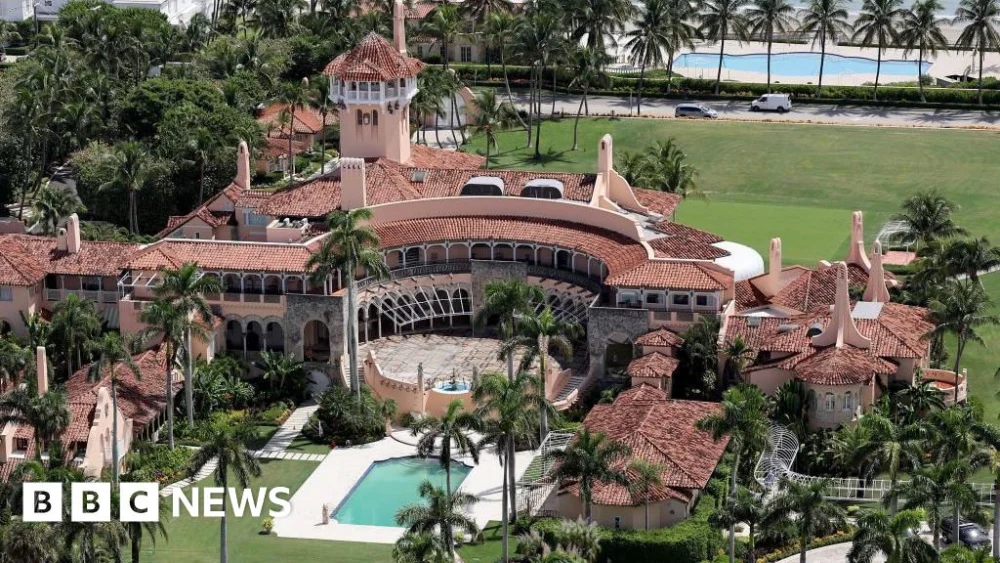
A critical security incident unfolded at the meticulously guarded Mar-a-Lago residence in Palm Beach, Florida, resulting in the fatal shooting of an armed individual who had successfully penetrated the estate’s secure perimeter. The pre-dawn confrontation involved a coordinated response from U.S. Secret Service agents and deputies from the local sheriff’s office, highlighting the inherent dangers faced by protective services guarding prominent political figures, even in their absence. The deceased, reportedly carrying a shotgun and a container of fuel, posed an immediate and severe threat, leading to a swift and decisive response from law enforcement personnel.
The events transpired around 1:30 AM Eastern Time on a recent Sunday morning, a period when former President Donald Trump, the primary resident of the estate, was situated in Washington D.C. This temporal detail underscores that the breach, while grave, did not directly endanger the former president. The individual has since been identified as Austin T. Martin, a 21-year-old resident of Cameron, North Carolina. Disturbingly, Martin’s family had reported him missing just hours prior to the incident, according to statements released by the Moore County Sheriff’s Office in North Carolina. This information, including details surrounding his disappearance, has since been transferred to federal investigative authorities now spearheading the inquiry into the Mar-a-Lago breach.
Local law enforcement officials in Moore County have indicated that Martin possessed no prior criminal record known to their department, adding a layer of complexity to understanding his motivations for the perilous journey to Florida and the subsequent actions. Investigators are currently scrutinizing the logistics of his travel, including whether the firearm he possessed was acquired en route from North Carolina to the South Florida locale. This line of inquiry aims to establish a clearer timeline and potential premeditation for his actions.
According to an official statement disseminated via social media by Secret Service spokesman Anthony Guglielmi, agents observed the suspect "unlawfully entering the secure perimeter at Mar-a-Lago early this morning." The initial sighting placed Martin near the north gate of the expansive property, where he was conspicuously armed with what appeared to be a shotgun and, critically, a fuel can. This combination of items suggested a potential intent beyond mere trespass, raising immediate concerns about arson or a more destructive act.
Palm Beach County Sheriff Ric Bradshaw provided a detailed account of the escalating encounter during a subsequent news conference. He affirmed that the Secret Service agents and the accompanying sheriff’s deputy issued explicit verbal commands to the intruder, specifically ordering him to "drop the items." However, the suspect reportedly failed to comply. Instead, after placing the fuel can on the ground, Martin allegedly raised the shotgun into a firing position. This action triggered an immediate and proportionate response from the protective detail. Sheriff Bradshaw clarified that agents, facing an imminent and lethal threat, discharged their weapons to "neutralize the threat," resulting in Martin’s instantaneous incapacitation. The entire engagement was captured on body cameras worn by the responding officers, providing crucial evidence for the ongoing investigation. Importantly, no law enforcement personnel sustained injuries during the tense standoff.
A critical aspect of the post-incident investigation involves determining whether the shotgun carried by Martin was loaded at the time of the confrontation. This detail, alongside a comprehensive forensic analysis of the scene and the suspect’s belongings, will be a central focus of the joint investigation, which the Federal Bureau of Investigation (FBI) is actively assisting. The involvement of the FBI underscores the federal nature and gravity of a security breach at a location designated for presidential protection.
In the immediate aftermath, U.S. Secret Service Director Sean Curran promptly traveled to Florida. His presence on-site was intended to oversee "after-actions" protocols and to personally engage in reviewing and potentially "reinvigorating operational communication and agency response to critical incidents," as stated by the agency. This high-level intervention signifies the Secret Service’s unwavering commitment to assessing and refining its protective strategies in the face of evolving threats. Such incidents serve as critical learning opportunities for an agency tasked with protecting some of the nation’s most vital assets.
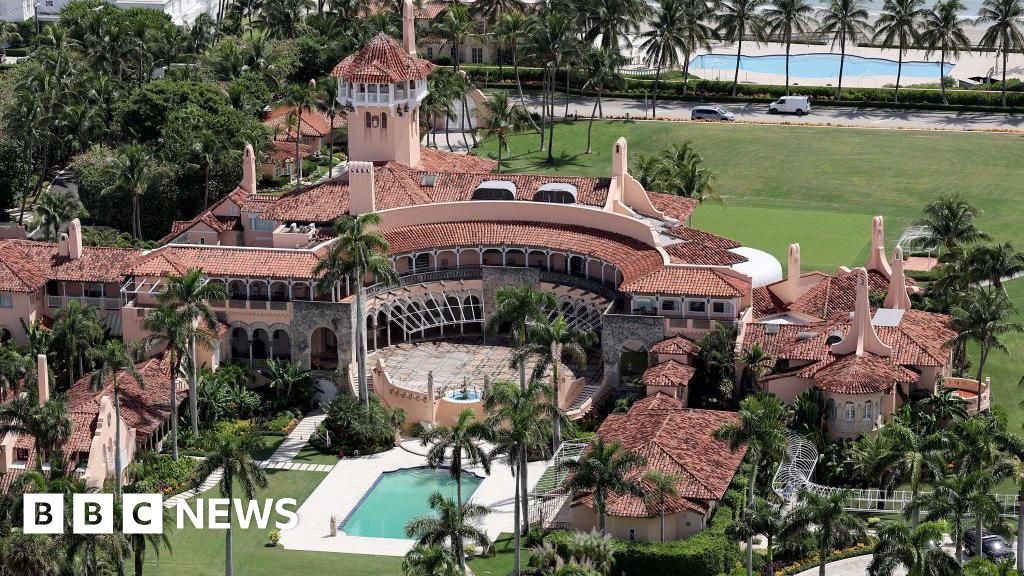
The Mar-a-Lago estate itself is renowned for its stringent security architecture, a necessity given its status as a frequent residence for a former U.S. president. The protective schema typically involves a multi-layered approach: an outer cordon managed by local Palm Beach sheriffs establishes the initial barrier, while an inner, more intensive perimeter is maintained directly by Secret Service personnel. Access to the property is severely restricted, involving comprehensive searches of visitors, along with canine units and metal detectors employed to screen vehicles and personal belongings. This robust security framework is designed to detect and deter a wide array of threats, yet the recent incident demonstrates the persistent vulnerability to determined individuals.
This event also resonates within a broader context of heightened political tensions and a documented history of threats and attempts against former President Trump. The past year alone witnessed two other significant security incidents directly targeting him. In July of the preceding year, while addressing a rally in Butler, Pennsylvania, Trump was struck in the ear by a projectile during a shooting incident. This attack tragically claimed the life of one bystander and injured two others. The perpetrator, 20-year-old Matthew Crooks, was immediately neutralized by security forces, though his specific motivations for the assault remain officially undetermined.
Just months following the Pennsylvania shooting, another serious threat emerged. A Secret Service agent, demonstrating vigilance, discovered a rifle conspicuously protruding from bushes near the Trump International Golf Club in West Palm Beach. The individual associated with the weapon, later identified as 59-year-old Ryan Routh, initially evaded capture but was subsequently apprehended. Routh was later convicted and sentenced to life imprisonment for his attempt to assassinate the former president, underscoring the severe legal repercussions for such actions.
In the wake of these successive incidents, public discourse has often veered into discussions regarding the tenor of the national political environment. Treasury Secretary Scott Bessent, in an appearance on Fox Business following the recent Mar-a-Lago shooting, offered pointed commentary. Bessent attributed what he perceived as a "normalizing" of political violence to the political left, explicitly referencing the two prior attempts on Trump’s life in the preceding year. "Two would-be assassins dead, one in jail for life, and this venom coming from the other side," Bessent stated, adding, "They are normalising this violence. It’s got to stop." This statement highlights the deeply partisan interpretations that frequently accompany such high-profile security events, where incidents of violence are often framed within broader political narratives, contributing to an already polarized public sphere.

The implications of the Mar-a-Lago breach are far-reaching. For the Secret Service, it necessitates an exhaustive internal review of protocols, intelligence gathering, and response mechanisms, particularly concerning lone actors whose motives may be obscure or rapidly developed. While the existing security at Mar-a-Lago is substantial, any successful penetration, even by a single individual, prompts a re-evaluation of vulnerabilities and potential enhancements to physical and technological safeguards. This could involve bolstering perimeter defenses, refining surveillance technologies, or augmenting intelligence sharing with local law enforcement to identify potential threats earlier.
Furthermore, this incident contributes to the ongoing national conversation about political extremism, mental health, and gun violence. The fact that the suspect was reported missing by his family prior to the event raises questions about the potential role of mental distress or psychological instability in driving such dangerous actions. While no direct link has been established in this particular case, the intersection of mental health crises with access to firearms and radicalized ideologies represents a persistent challenge for law enforcement and public health authorities alike.
From a future outlook perspective, such events inevitably influence campaign trail security for presidential candidates and former presidents alike. As the nation approaches another election cycle, the specter of political violence looms large, requiring protective agencies to remain exceptionally vigilant. The psychological impact on the public, and indeed on political figures themselves, cannot be underestimated, potentially fostering an environment of fear or distrust that further fragments civil discourse. The ongoing FBI investigation into Austin T. Martin’s actions and motivations will be crucial in understanding the precise nature of the threat he posed and in informing future strategies to prevent similar occurrences at sites of national significance. The Mar-a-Lago incident serves as a stark reminder of the enduring, complex, and often unpredictable challenges inherent in safeguarding the nation’s leadership and critical infrastructure in an increasingly volatile world.



 Aura Kasih
 Safa Marwah
 Ayu Aulia