Ayu Aulia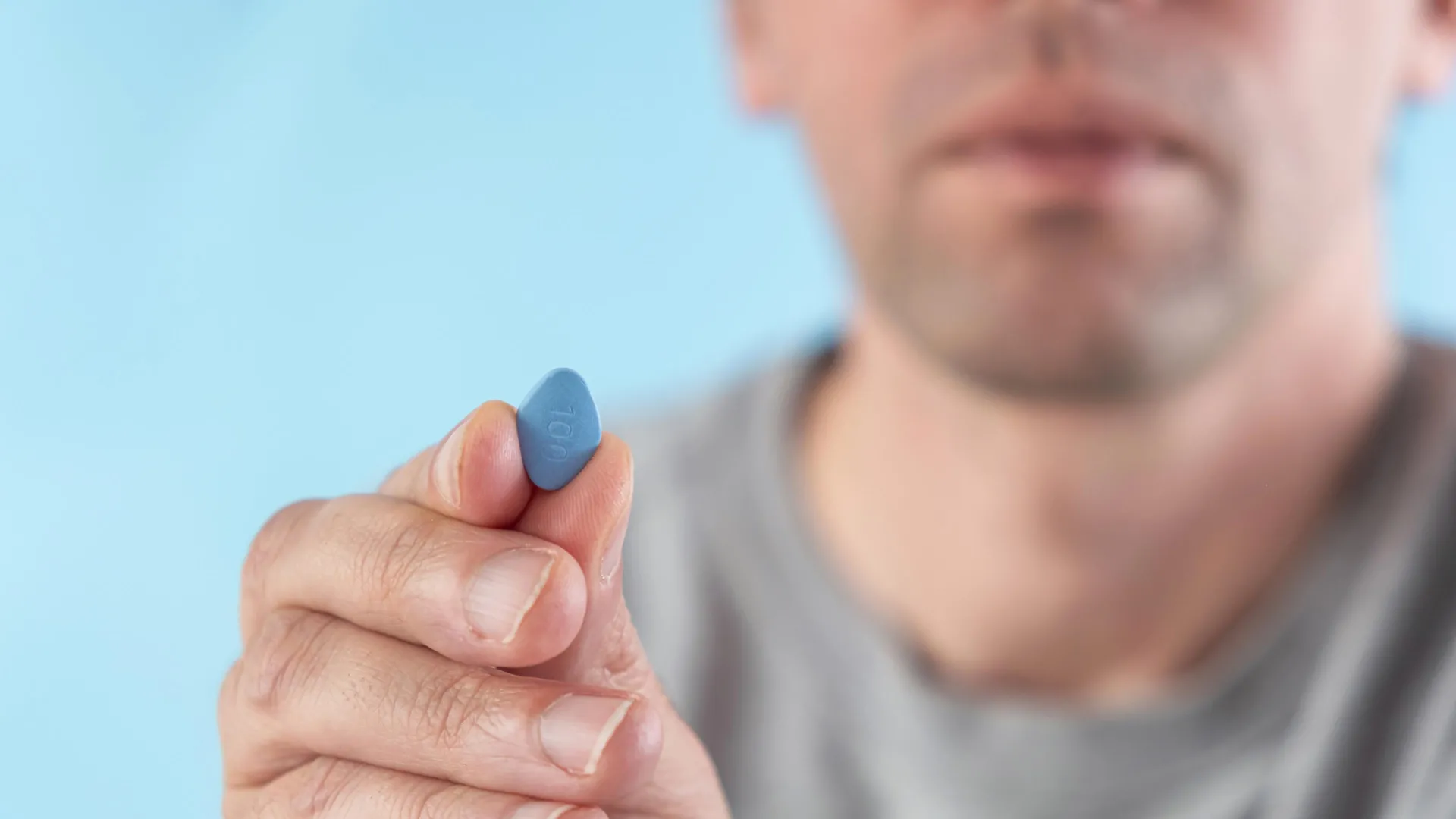
A groundbreaking investigation has identified three existing pharmaceutical compounds, including a common shingles vaccine and a medication for erectile dysfunction, that exhibit significant potential for intervention against Alzheimer’s disease. This strategic pivot towards drug repurposing, rather than de novo drug discovery, represents a paradigm shift in the pursuit of effective therapies for neurodegenerative conditions, offering a potentially accelerated pathway to clinical application by leveraging agents with established safety profiles.
The global burden of Alzheimer’s disease continues to escalate, presenting an urgent public health crisis. Affecting millions worldwide, this relentless neurodegenerative disorder gradually erodes memory, cognitive function, and ultimately, independence. Despite decades of intensive research, the development of truly curative or preventative treatments has remained elusive, largely due to the immense complexity of its pathology, the late stage at which symptoms typically manifest, and the formidable challenges associated with developing new molecules capable of safely crossing the blood-brain barrier and modifying disease progression. Traditional pharmaceutical development is an arduous and financially exorbitant endeavor, often spanning 10 to 15 years and costing billions, with a success rate that remains discouragingly low, particularly within the neurosciences.
In this context, the strategic repurposing of existing medications emerges as a compelling alternative. By identifying drugs already approved for other indications, researchers can bypass many of the initial, high-risk phases of drug development, significantly reducing timelines and expenditures. These compounds have undergone rigorous testing for safety and pharmacokinetics in human populations, providing a substantial advantage over novel chemical entities. The recent study, spearheaded by researchers at the University of Exeter with crucial funding from the Alzheimer’s Society and supplementary support from the National Institute for Health and Care Research (NIHR), meticulously reviewed a broad spectrum of currently approved pharmaceuticals, aiming to identify those with mechanisms of action that could theoretically interfere with the complex cascade of events leading to Alzheimer’s pathology.
The rigorous selection process involved an international consortium of 21 preeminent dementia specialists, encompassing experts from academia, clinical practice, and the pharmaceutical industry, alongside individuals directly impacted by dementia. This multidisciplinary panel systematically evaluated 80 existing medications. The objective was to distill this extensive list down to the most promising candidates for either treating or preventing Alzheimer’s, which accounts for over half of all dementia diagnoses. Following multiple intensive rounds of review and deliberation, the panel reached a consensus on three "priority candidates" that warranted immediate and focused further investigation. The criteria for selection were stringent: each drug had to demonstrate a plausible biological mechanism linked to Alzheimer’s pathogenesis, exhibit encouraging results in preliminary cell and animal models, and possess a well-established safety profile, particularly in older adult populations who represent the primary demographic for Alzheimer’s.
Among the selected compounds, the shingles vaccine, Zostavax, garnered the most substantial interest. Administered typically in one or two doses, this vaccine boasts an extensive record of safety and widespread clinical use. The rationale for its potential efficacy against Alzheimer’s stems from intriguing epidemiological observations. Prior population-level research has indicated that individuals who received the shingles vaccine exhibited a statistically significant reduction—approximately 16%—in their likelihood of developing dementia. While such observational data cannot definitively prove causation, it strongly suggests a protective association that warrants deeper mechanistic exploration and rigorous clinical validation.
The mechanism by which a shingles vaccine might confer protection against Alzheimer’s is a subject of active scientific inquiry. One prevailing hypothesis revolves around the potential link between viral infections, particularly those caused by herpes viruses like Varicella Zoster Virus (VZV), which causes shingles, and the exacerbation of neuroinflammation or acceleration of amyloid-beta plaque formation in the brain. Some theories posit that dormant viruses, reactivated in later life, could contribute to chronic low-grade inflammation or directly damage neuronal cells, thereby increasing vulnerability to neurodegeneration. By preventing shingles, the vaccine might indirectly mitigate these inflammatory triggers or reduce the overall viral load and associated immune responses that could otherwise contribute to Alzheimer’s pathology. Another perspective suggests that the vaccine’s ability to bolster the immune system more broadly could enhance the brain’s capacity to clear pathological proteins or dampen maladaptive inflammatory responses.
Beyond the shingles vaccine, two other agents were identified as high-priority candidates: sildenafil, widely known by its brand name Viagra, and riluzole, a medication primarily used in the management of motor neurone disease (amyotrophic lateral sclerosis, or ALS). Sildenafil’s potential against Alzheimer’s is particularly surprising given its primary indications for erectile dysfunction and pulmonary arterial hypertension. Its therapeutic action involves inhibiting phosphodiesterase-5 (PDE5), an enzyme that regulates cyclic guanosine monophosphate (cGMP). Elevated cGMP levels can lead to vasodilation, improving blood flow. In the context of Alzheimer’s, this could translate to improved cerebral blood flow, a factor often compromised in neurodegenerative states and linked to vascular contributions to dementia. Furthermore, sildenafil has been explored for its potential neuroprotective effects, including anti-inflammatory properties and modulation of protein aggregation pathways, which are central to Alzheimer’s pathology. Its established safety profile in older male populations makes it an attractive candidate for repurposing.
Riluzole, on the other hand, is an established neuroprotective agent known for its ability to modulate glutamate neurotransmission. Glutamate is the brain’s primary excitatory neurotransmitter, and its dysregulation, particularly excessive excitatory signaling (excitotoxicity), is implicated in various neurodegenerative disorders, including ALS and potentially Alzheimer’s. By reducing glutamate release and enhancing its reuptake, riluzole could protect neurons from excitotoxic damage. It also exhibits anti-inflammatory and antioxidant properties, which are relevant given the role of oxidative stress and neuroinflammation in Alzheimer’s progression. The shared neurodegenerative mechanisms across different brain disorders make riluzole a plausible candidate for cross-disease application.
The identification of these priority candidates marks a critical inflection point, but researchers are quick to emphasize the necessity of robust clinical trials to validate these findings in human populations. Dr. Anne Corbett, Professor of Dementia Research at the University of Exeter, underscored this imperative, stating that "Beating dementia will take every avenue of research — from using what we already know, to discovering new drugs to treat and prevent the condition. Drug repurposing is a vital part of that mix, helping us turn today’s medicine for one condition, into tomorrow’s treatment for another." She further cautioned that "it’s important to stress that these drugs need further investigation before we will know whether they can be used to treat or prevent Alzheimer’s. We now need to see robust clinical trials to understand their true value and know for certain if they are effective to treat or prevent Alzheimer’s."
In response to this urgent need for clinical validation, researchers are actively planning a large-scale UK clinical trial for the shingles vaccine. This prospective study intends to leverage the PROTECT online registry, a sophisticated platform where volunteers annually complete questionnaires on their health and lifestyle and actively participate in brain health research. This infrastructure offers an efficient and cost-effective means to recruit and monitor a large cohort, facilitating the robust assessment of the vaccine’s potential protective effects against Alzheimer’s in a real-world setting. Such a trial would move beyond observational associations to provide stronger evidence of causality and quantify the degree of benefit.
While these three drugs emerged as priority candidates, the expert panel also shortlisted five additional medications that, while not meeting the stringent criteria for immediate priority, still warrant attention for future exploration. These included fingolimod, an immunomodulator used in multiple sclerosis; vortioxetine, an antidepressant for major depressive disorder; microlithium, a form of lithium used for depression; dasatinib, a tyrosine kinase inhibitor used in leukemia; and cytisine, a nicotinic acetylcholine receptor agonist used in anesthetics and smoking cessation. Each of these compounds possesses distinct mechanisms that could potentially influence aspects of Alzheimer’s pathology, underscoring the vast untapped potential within the existing pharmacopoeia.
Prof Fiona Carragher, Chief Policy and Research Officer at Alzheimer’s Society, eloquently framed the potential impact of this research by drawing parallels to historical medical breakthroughs. "Years ago, we saw aspirin being repurposed from being a painkiller to helping people reduce their risk of heart attack or stroke. This is what we want to see in the field of dementia, and why we believe drug repurposing is one of the most exciting frontiers in dementia research." Her sentiment encapsulates the cautious optimism surrounding this approach, recognizing its transformative potential for a disease that has long defied effective treatment.
The implications of successfully repurposing even one of these medications are profound. Beyond the immediate benefit to patients, it would validate a strategic shift in research methodology, potentially opening floodgates for similar investigations across the spectrum of neurodegenerative and other complex diseases. The speed at which such therapies could be brought to market, coupled with their likely affordability compared to novel drugs, could fundamentally alter the landscape of Alzheimer’s care. However, the scientific community remains steadfast in its call for rigorous clinical trials, emphasizing that initial promise, while exciting, must always be substantiated by robust evidence before new treatment paradigms can be adopted. The journey from observational data and preclinical findings to established clinical practice is long and exacting, but the current findings inject a renewed sense of hope and strategic direction into the relentless global fight against Alzheimer’s disease.




 Lisa Mariana
 Aura Kasih
 Safa Marwah