Aura Kasih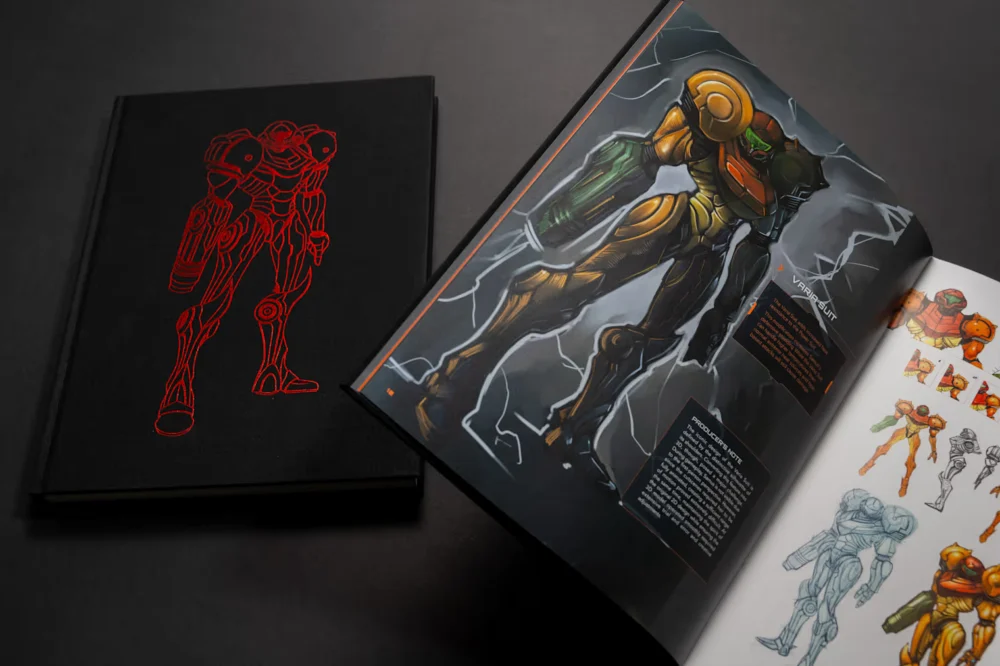
For enthusiasts of intergalactic exploration and the iconic bounty hunter Samus Aran, a significant opportunity has arisen to acquire a comprehensive visual chronicle of the Metroid Prime saga. Piggyback’s meticulously crafted hardcover art book, "Metroid Prime 1-3: A Visual Retrospective," is currently available at a notable discount, representing a compelling proposition for fans seeking to delve deeper into the artistic and developmental intricacies of the beloved Nintendo franchise. This publication, originally priced at $49.99, can now be secured for approximately $41.08 from major online retailers, marking one of the first substantial price reductions since its release.
The enduring appeal of the Metroid Prime series, a cornerstone of Nintendo’s expansive gaming library, lies not only in its innovative gameplay mechanics and atmospheric world-building but also in the rich visual design that has captivated players for over two decades. As the franchise continues to evolve, with the recent advent of Metroid Prime 4: Beyond on the Nintendo Switch and its anticipated successor, the demand for deeper engagement with its lore and artistic heritage remains robust. This art book serves as an indispensable resource for such engagement, offering an unparalleled glimpse into the creative processes that brought the alien worlds and formidable adversaries of Metroid Prime 1, 2: Echoes, and 3: Corruption to life.
Published in collaboration with Nintendo and the development studio Retro Studios, "Metroid Prime 1-3: A Visual Retrospective" is a testament to the enduring legacy of this science-fiction epic. Spanning an impressive 210 pages, the book is more than just a collection of images; it is a carefully curated journey through the conceptualization and execution of one of gaming’s most celebrated first-person adventures. The physical presentation of the book itself is noteworthy, featuring a stitched binding and a durable, canvas-like cloth hardcover. This tactile quality enhances the user’s experience, imbuing the artifact with a sense of permanence and prestige befitting its subject matter. The cover art, a subtle yet striking embossed outline of Samus Aran, serves as an immediate identifier for fans and an elegant design choice for any collector’s shelf.

Within its pages, the art book unfolds as a veritable treasure trove of creative output. It meticulously documents the evolution of the Metroid Prime universe through an extensive array of concept drawings and sketches. These visuals cover every facet of the game worlds, from the sprawling, alien landscapes of Tallon IV to the claustrophobic interiors of various research facilities and ancient ruins. Players will recognize detailed illustrations of the diverse ecosystems, the myriad of common enemies that pose constant threats, and the imposing, memorable bosses that punctuate the narrative progression. The inclusion of concept art that ultimately did not make it into the final game versions offers a fascinating counterpoint, revealing alternative design directions and the iterative nature of game development. This section alone provides invaluable insight into the artistic vision and the rigorous selection process that shaped the final aesthetic of the games.
Beyond the visual feast, the true depth of "Metroid Prime 1-3: A Visual Retrospective" lies in its illuminating behind-the-scenes narratives. The book transcends mere aesthetic appreciation by offering a rare and candid look into the challenges and triumphs faced by the development teams. It bravely addresses significant periods of intense work and potential burnout experienced by Retro Studios, particularly in the aftermath of shipping Metroid Prime 2: Echoes, a testament to the demanding nature of AAA game development. Furthermore, the publication delves into the notoriously secretive development processes at Nintendo, providing context for the strategic decisions and creative leaps that characterized the Metroid Prime trilogy. These narratives are crucial for understanding the holistic creation of these games, moving beyond the player’s experience to the creators’ reality.
A particularly engaging element of the book is the inclusion of margin notes from Kensuke Tanabe, a pivotal figure in the Metroid series as its producer. These annotations, penned over two decades ago, offer direct, unfiltered glimpses into the design debates and creative discussions that occurred during the development of the original titles. Such personal insights are invaluable, humanizing the development process and providing a unique historical record of the collaborative effort required to bring Samus Aran’s adventures to the gaming public. They highlight the nuanced decision-making involved in everything from enemy placement to the precise feel of Samus’s movement and weaponry. These anecdotal records serve as a powerful reminder that groundbreaking games are built on a foundation of countless creative discussions and problem-solving sessions.
The significance of this art book extends beyond its immediate appeal to dedicated fans. For aspiring game developers, artists, and designers, it serves as an exceptional case study in conceptual art, world-building, and narrative integration within a video game context. The detailed breakdown of character designs, environmental layouts, and mechanical elements offers practical lessons in visual storytelling and the creation of immersive gaming experiences. The inclusion of early sketches and discarded ideas demonstrates the importance of iteration and experimentation in the creative process, encouraging a flexible and adaptive approach to design challenges. The book underscores how a cohesive artistic vision, executed with technical prowess, can elevate a game from a mere entertainment product to a cultural phenomenon.

The Metroid Prime series itself holds a significant place in the pantheon of video game history. Originally launched in 2002 for the Nintendo GameCube, Metroid Prime revolutionized the first-person perspective by seamlessly blending exploration, puzzle-solving, and combat within a richly detailed 3D environment. It successfully translated the core tenets of the 2D Metroid formula into a new dimension, earning critical acclaim and a dedicated fanbase. The subsequent installments, Metroid Prime 2: Echoes (2004) and Metroid Prime 3: Corruption (2007), continued to innovate, exploring new gameplay mechanics, narrative themes, and technological advancements. The recent release of Metroid Prime Remastered on the Nintendo Switch further solidified the series’ relevance, introducing its groundbreaking gameplay to a new generation of players with modernized visuals and controls. This art book effectively encapsulates the visual evolution and artistic consistency across these pivotal entries.
The current discount on "Metroid Prime 1-3: A Visual Retrospective" presents a strategic opportunity for collectors and enthusiasts to acquire a premium piece of gaming memorabilia at a more accessible price point. In an era where digital content often dominates, the tangible nature of this hardcover art book offers a distinct value. It provides a permanent, physical connection to the Metroid Prime universe, allowing fans to engage with its artistry in a way that digital platforms cannot replicate. The opportunity to examine the intricate details of concept art, the evolution of character models, and the atmospheric environmental designs up close is a distinct pleasure for those who appreciate the craft behind their favorite games.
Furthermore, the context of Metroid Prime 4: Beyond‘s anticipated release amplifies the relevance of this retrospective. As players prepare to embark on a new adventure with Samus Aran, revisiting the visual and thematic foundations of the series through this art book offers a deeper appreciation for the franchise’s rich history and its consistent commitment to artistic excellence. It allows for a more informed understanding of the narrative threads, thematic elements, and design philosophies that have defined Metroid Prime and are likely to influence future installments. The book acts as a bridge between the past glories of the trilogy and the exciting, yet to be revealed, future of the series.
In conclusion, Piggyback’s "Metroid Prime 1-3: A Visual Retrospective" is an essential acquisition for any serious fan of the Metroid Prime franchise. The current promotional pricing makes this comprehensive exploration of the series’ visual artistry and developmental journey more attainable than ever. It is not merely a book of pictures; it is a historical document, an artistic analysis, and a testament to the enduring power of creative vision in the realm of interactive entertainment. The discount represents a fleeting window to secure an artifact that will undoubtedly continue to be cherished by fans for years to come, offering endless hours of discovery and appreciation for one of gaming’s most iconic sagas.



 Safa Marwah
 Lisa Mariana