Ayu Aulia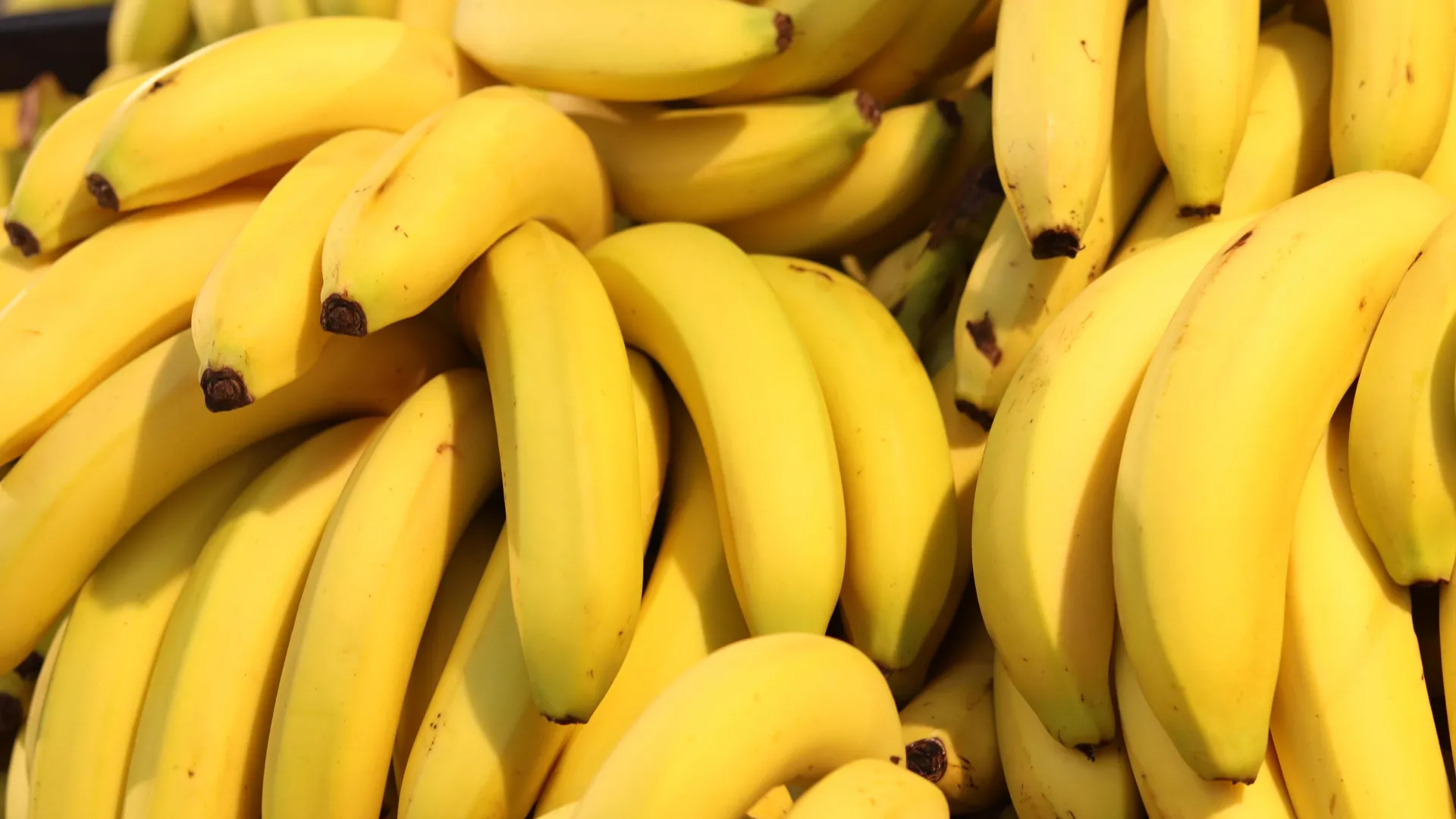
A groundbreaking study has revealed that essential food crops, particularly bananas, cultivated in regions impacted by Brazil’s catastrophic Fundão dam collapse in 2015, contain elevated levels of potentially toxic metals, presenting a significant health hazard, especially for young children. This multi-institutional research, spearheaded by experts from the University of São Paulo (USP), the Federal University of Espírito Santo (UFES), and Spain’s University of Santiago de Compostela, meticulously investigated the pathways of contamination from mining waste into the food supply chain along the Doce River estuary.
The Cataclysmic Event and Its Enduring Legacy
The Fundão tailings dam failure on November 5, 2015, near Mariana, Minas Gerais, remains one of the most devastating environmental and humanitarian disasters in Brazilian history. Owned by Samarco Mineração S.A., a joint venture between Vale S.A. and BHP Billiton, the dam’s collapse unleashed an estimated 60 million cubic meters of iron ore tailings – a sludge of mining waste containing a complex mix of minerals and potentially toxic elements – that swept through valleys, destroyed communities, and irrevocably altered the landscape. The toxic plume traveled over 600 kilometers down the Doce River, ultimately reaching the Atlantic Ocean. Beyond the immediate loss of life and displacement, the event initiated a prolonged ecological crisis, contaminating soil, water, and aquatic ecosystems with heavy metals and other deleterious substances. The long-term implications for human health, particularly for communities reliant on agriculture and fishing within the affected basin, have been a subject of urgent scientific inquiry since the immediate aftermath.
A Deep Dive into Contamination Pathways
Motivated by the pressing need to assess the safety of local food sources, researchers from diverse scientific disciplines – including soil science, environmental engineering, and public health – embarked on a comprehensive investigation. Their focus was directed towards identifying whether crops cultivated in the Linhares region of Espírito Santo, an area profoundly exposed to the iron mining waste, were safe for human consumption. Bananas, cassava, and cocoa pulp were selected as representative crops due to their prevalence in local diets and their differing physiological mechanisms for nutrient and contaminant uptake. The team systematically analyzed the presence and concentrations of cadmium, chromium, copper, nickel, and lead – metals commonly associated with iron oxides, the predominant constituent of the released tailings.
Professor Tiago Osório, an agronomist and soil science expert at ESALQ-USP, highlighted the research group’s sustained commitment to understanding the disaster’s multifaceted impacts. "Our team began collecting samples mere days after the accident, immediately recognizing the imminent threat of widespread contamination across various environmental compartments – soil, water, vegetation, and aquatic life. The paramount question, however, remained: what are the concrete risks to human health?" This long-term monitoring strategy underscores the proactive approach taken by the scientific community to track the evolving consequences of such an immense environmental catastrophe.
Unraveling the Bioaccumulation Process
The study, published in the esteemed journal Environmental Geochemistry and Health, provides critical insights into the intricate mechanisms through which plants absorb potentially toxic elements (PTEs) from mining waste-laden soil and subsequently store them within their edible tissues. This research, forming a core component of Amanda Duim’s doctoral work at ESALQ, has been recognized for its exceptional contribution to the field, garnering prestigious accolades such as the USP Thesis Award in Sustainability and the CAPES Thesis Award.
Duim, the lead author, emphasized the study’s innovative contribution by establishing a direct correlation between the movement of PTEs from contaminated soil into agricultural crops and the resultant human health risks. "A significant finding was the direct relationship between the iron oxide content in the soil – the primary component of the tailings – and its concentration within the plant tissues. Our investigation meticulously traced the translocation of these constituents from the tailings in the soil, through the water, and ultimately into various plant parts, including leaves and fruits." This detailed understanding of the biogeochemical cycling of contaminants is crucial for effective risk assessment and mitigation strategies.
The doctoral research, initiated in 2019, initially explored the potential of plants from flood-prone areas for environmental restoration, examining both cultivated and native species. This broader context allowed researchers to understand differential PTE accumulation. "We assessed how various species interact with iron oxides, specifically observing how this interaction might facilitate the entry of associated PTEs into the plant system, given that different species exhibit distinct accumulation patterns," Duim explained. While identifying native species with phytoremediation potential, the parallel investigation into cultivated crops aimed to ascertain the extent of PTE transfer into their edible components.
The analytical methodology employed was rigorous. Researchers collected soil and plant samples, which were then meticulously prepared: washed, weighed, dried, and reweighed. Roots, stems, leaves, and peeled fruits were ground separately into a fine powder. "This ‘plant powder’ was then dissolved using a series of strong acids, transforming it into a solution. The concentration of PTEs in this solution was then precisely determined, and through a comparative calculation against the initial dry biomass, we obtained the PTE concentration in milligrams per kilogram of dry biomass," Duim detailed. This meticulous approach ensures accuracy and reliability in the reported contaminant levels.
Significant variations in PTE distribution were observed across the tested crops. In bananas and cassava, nearly all PTEs, with the exception of chromium, were found in higher concentrations in the subterranean parts – roots and tubers. Cocoa, however, displayed a different pattern, with elevated levels detected in its stems, leaves, and fruits. Notably, the concentrations of copper and lead in cocoa pulp were found to exceed the permissible limits established by the Food and Agriculture Organization of the United Nations (FAO), underscoring a potential risk for consumers of this crop as well. The discovery of these elevated levels in edible portions necessitated a formal and comprehensive health risk assessment.
Quantifying the Human Health Risk: A Focus on Vulnerable Populations
To translate the observed contaminant levels into tangible health implications, the scientific team undertook a detailed health risk assessment. This involved calculating the risk quotient (RQ), risk index (RI), and total risk index (TRI) for individuals consuming bananas, cassava rhizomes, and cocoa pulp from the affected region. A critical aspect of this assessment was the distinct evaluation of risk for children (under six years of age) and adults (over 18 years of age), acknowledging the heightened vulnerability of younger populations. The RQ serves as a comparative metric, juxtaposing an individual’s estimated daily intake of a specific substance against a reference dose deemed safe for human consumption. The TRI, aggregating the risks from multiple PTEs, provides an overarching indicator of potential non-carcinogenic health risks, with a value below 1 generally signifying a low risk.
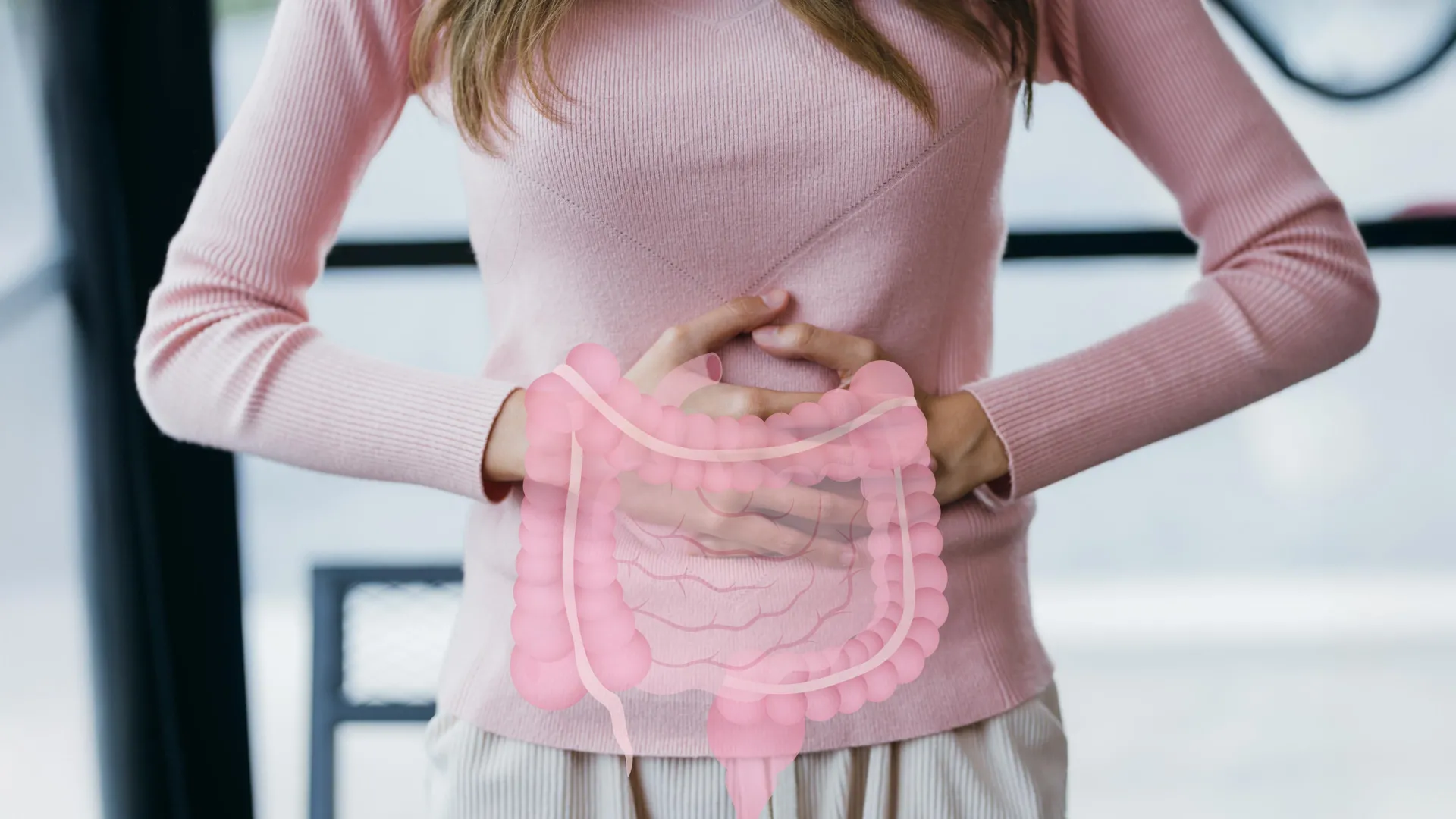
Tamires Cherubin, a health sciences Ph.D. and co-author, emphasized the inherent presence of these elements in the natural environment and the importance of vigilance in disaster-affected areas. "While these elements are naturally occurring, their concentrations typically remain low. However, in the context of an industrial disaster like the Mariana dam collapse, where exposure is anticipated to significantly increase, an elevated level of caution is absolutely essential." The assessment utilized standard methodologies to evaluate the bioavailability of these elements, recognizing that specific concentrations can trigger a range of adverse health effects, including renal and cardiovascular complications, gastrointestinal distress, and pulmonary damage if inhaled. Acute exposures can also manifest as skin irritation and ocular issues.
To ensure the relevance and accuracy of the risk assessment, researchers incorporated local food consumption patterns, utilizing data from the Brazilian Institute of Geography and Statistics (IBGE). Other critical factors considered included the potential duration of exposure, the physiological differences in body weight between children and adults, and the latency period required for harmful effects to manifest.
Cherubin provided a detailed breakdown of the reference daily intake doses for key contaminants, as guided by established literature: "We considered limits of 0.05 mg/kg⁻¹ for cadmium in fruits and 0.1 mg/kg⁻¹ in tubers; 0.5-1.0 mg/kg⁻¹ for chromium; 20.0 mg/kg⁻¹ for copper; 0.5-1.0 mg/kg⁻¹ for nickel; 0.8-2.3 mg/kg⁻¹ for lead; and 50.0 mg/kg⁻¹ for zinc."
The findings of the health risk assessment were largely reassuring for adults, with TRI values for most metals falling below 1, indicating no significant non-carcinogenic risk from consuming these foods from the Doce River estuary. However, a critical alarm was raised regarding bananas: the TRI for this fruit exceeded 1 for children, unequivocally signaling potential health concerns. This heightened risk was primarily driven by elevated lead levels, although cadmium concentrations in bananas also surpassed FAO recommendations. The researchers underscored the severe and irreversible consequences of long-term lead exposure, even at low levels, on neurodevelopment in children, which can manifest as reduced IQ and contribute to attention and behavioral disorders.
Persistent Exposure and Carcinogenic Potential
Beyond the immediate non-carcinogenic risks, the research team issued a cautionary note regarding the cumulative effects of consuming contaminated food over extended periods. "Considering the average life expectancy in Brazil, around 75 years, prolonged exposure could lead to a carcinogenic risk due to the potential for both direct and indirect DNA damage," Cherubin cautioned. Such genotoxic effects can elevate the likelihood of developing cancers affecting the central nervous system, the digestive tract, and the hematopoietic (blood-forming) system. The manifestation of these risks, she added, is ultimately contingent upon the human body’s capacity to absorb, metabolize, and excrete these persistent environmental contaminants.
Mitigation, Policy Implications, and the Path Forward
The findings of this comprehensive study carry profound implications for public health policy, environmental remediation, and regulatory oversight in Brazil. The enduring presence of toxic metals in staple crops years after the Fundão dam collapse underscores the long-term environmental legacy of such industrial disasters.
Key policy considerations emanating from this research include:
- Enhanced Regulatory Frameworks: A critical re-evaluation and strengthening of environmental regulations governing mining operations, particularly concerning tailings dam construction, maintenance, and emergency response protocols, are imperative to prevent future catastrophes.
- Sustained Environmental Monitoring: The establishment and funding of robust, long-term monitoring programs for soil, water, and the entire food chain within affected regions are essential. This continuous surveillance is vital for tracking contaminant levels, understanding their movement, and assessing the effectiveness of any remediation efforts.
- Public Health Advisories and Education: Local health authorities must issue clear, science-based advisories to communities residing near the Doce River estuary, particularly targeting parents and caregivers of young children. Educational campaigns should inform residents about potential risks, safe food handling practices, and potentially alternative food sources if local produce is deemed unsafe.
- Support for Affected Communities: Governments and responsible corporations must provide comprehensive support to affected agricultural communities, which may include financial aid, access to safe food alternatives, and investment in sustainable, contaminant-free farming practices or alternative livelihoods.
- Investment in Remediation Technologies: Continued research and investment in environmental remediation technologies, such as phytoremediation (using plants to extract or stabilize contaminants), are crucial for restoring affected agricultural lands and reducing the bioavailability of PTEs in the soil.
- Precautionary Principle: The study reinforces the importance of applying the precautionary principle in environmental management, particularly when dealing with substances known to be harmful, especially to vulnerable populations.
The recognition received by Amanda Duim’s doctoral work, through prestigious awards like the USP Thesis Award and the Capes Thesis Award, highlights the critical importance of academic research in addressing complex environmental challenges and informing evidence-based policy decisions. This study serves as a stark reminder of the devastating, protracted consequences of industrial accidents and underscores the urgent, ongoing need for rigorous scientific investigation to safeguard public health and environmental integrity in the face of such indelible legacies. The contamination of staple foods like bananas, particularly with risks to children, represents a profound challenge that demands sustained attention and concerted action from all stakeholders.


 Lisa Mariana
 Aura Kasih
 Safa Marwah