Ayu Aulia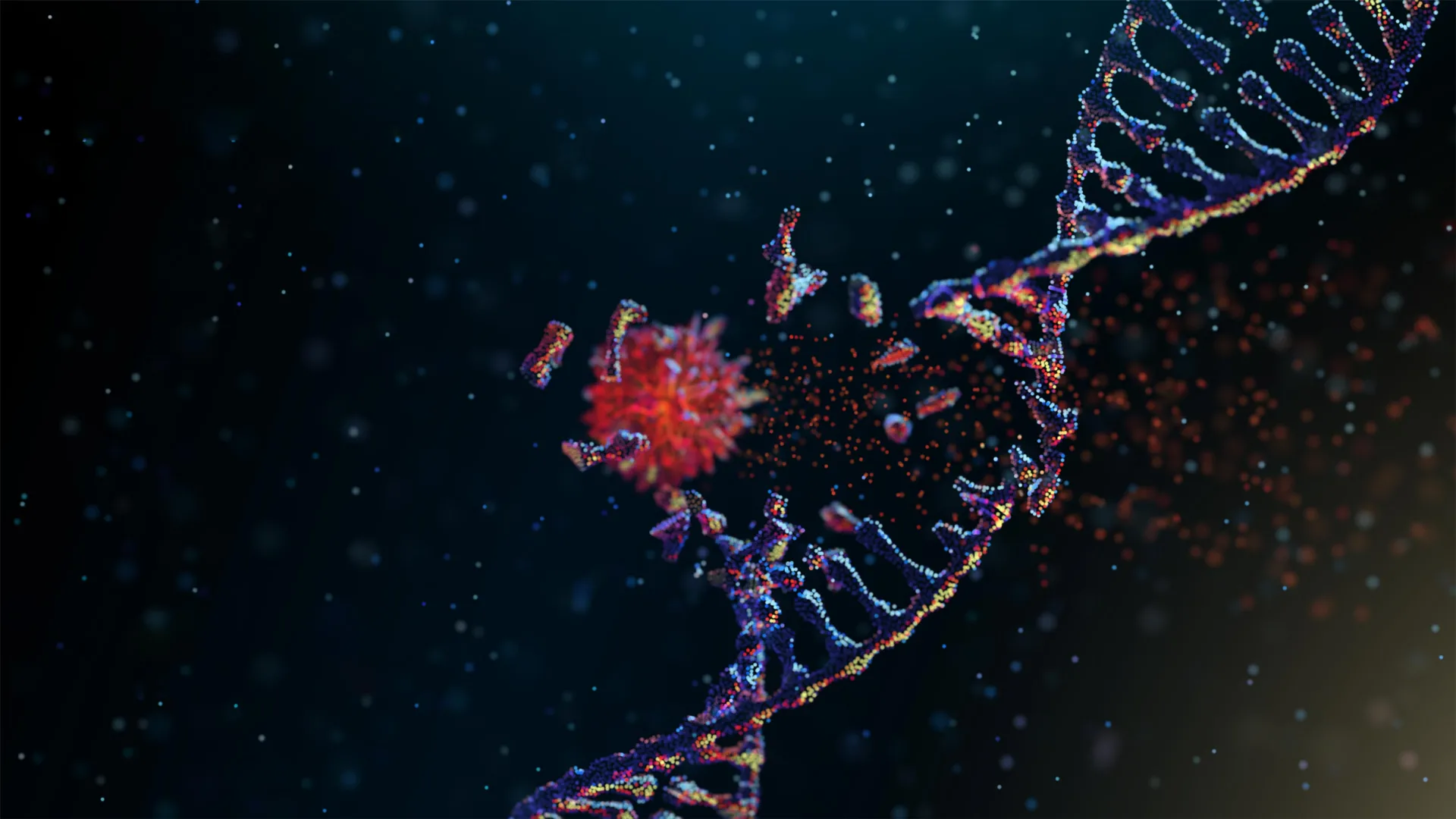
Researchers at the University of California San Diego have made a pivotal discovery in oncology, identifying a specific enzyme, N4BP2, as the molecular catalyst for chromothripsis—a profound genetic restructuring event in which chromosomes fragment extensively and are subsequently reassembled incorrectly. This breakthrough illuminates a long-standing mystery surrounding the rapid evolutionary leaps observed in aggressive cancers, offering a critical understanding of how these malignancies accelerate their progression and evade therapeutic interventions. The findings, published in a leading scientific journal, not only pinpoint the elusive trigger for this genomic catastrophe but also establish a novel strategic target for developing advanced cancer treatments.
Chromothripsis represents one of the most dramatic forms of genomic instability encountered in cancer biology. Unlike the gradual accumulation of minor genetic mutations that typically characterize tumor development, chromothripsis involves a single, cataclysmic event where a chromosome shatters into dozens or even hundreds of pieces, which are then haphazardly ligated back together. This process results in an instantaneous, massive reorganization of the genome, providing cancer cells with an accelerated pathway to acquire new functionalities, including enhanced proliferation, metastatic potential, and, critically, resistance to chemotherapy and radiation. The sheer scale and rapidity of these genetic alterations distinguish chromothripsis as a particularly formidable mechanism driving tumor evolution.
The clinical relevance of chromothripsis is substantial and increasingly recognized. Epidemiological and genomic studies indicate that evidence of this chromosomal damage is present in approximately one-quarter of all human cancers. This prevalence underscores its widespread impact on oncogenesis. Furthermore, in certain highly aggressive cancer types, the incidence is markedly higher. Nearly all osteosarcomas, a particularly virulent bone cancer, exhibit clear genomic signatures of chromothripsis. Similarly, many brain cancers, including glioblastomas, frequently display elevated levels of this catastrophic chromosomal rearrangement, correlating with their notoriously poor prognoses and rapid progression. Understanding the initiation of such a pervasive and aggressive phenomenon has been a paramount challenge for cancer researchers for over a decade since its initial recognition.
The scientific community has long been aware of chromothripsis as a significant force in cancer progression, yet the precise molecular mechanisms initiating this dramatic genomic reshuffling remained enigmatic. This knowledge gap posed a substantial barrier to developing targeted therapeutic strategies. Senior author Don Cleveland, Ph.D., a distinguished professor of cellular and molecular medicine at UC San Diego School of Medicine and a member of UC San Diego Moores Cancer Center, articulated the significance of this breakthrough, stating that it "finally reveals the molecular ‘spark’ that ignites one of the most aggressive forms of genome rearrangement in cancer." He emphasized that by identifying the primary agent responsible for chromosomal breakage, a novel and actionable point of intervention has been established to potentially impede cancer’s rapid evolutionary trajectory.
The journey to uncover the culprit began with a detailed examination of the known cellular events preceding chromothripsis. It was understood that chromothripsis frequently originates from errors during cell division. Specifically, these errors can lead to the missegregation of chromosomes, causing individual chromosomes to become sequestered within small, aberrant nuclear compartments known as micronuclei. Micronuclei are notoriously fragile structures, prone to rupture. When a micronucleus disintegrates, the chromosome enclosed within it becomes exposed to the cytoplasmic environment. In this exposed state, the DNA is highly vulnerable to degradation by nucleases—enzymes specifically designed to cleave DNA strands. While the general vulnerability to nucleases was known, the specific nuclease responsible for initiating the large-scale fragmentation characteristic of chromothripsis had remained elusive, rendering the design of targeted therapies impossible.
To pinpoint this critical enzyme, the research team implemented an innovative, imaging-based screening methodology. This systematic approach allowed them to meticulously evaluate the behavior of virtually all known and predicted human nucleases within living cancer cells. Each enzyme was monitored for its ability to interact with and affect chromosomal integrity. Among the vast array of candidates, one enzyme, N4BP2, demonstrated unique characteristics that set it apart. N4BP2 exhibited an unparalleled capacity to penetrate micronuclei and, once inside, efficiently fragment the enclosed DNA. This distinct behavior immediately positioned N4BP2 as a prime candidate for the long-sought initiator of chromothripsis.
To rigorously confirm N4BP2’s direct role, the researchers conducted a series of targeted experiments. In one critical set of experiments, they genetically engineered brain cancer cells to remove or suppress the expression of N4BP2. The outcome was dramatic: the incidence of chromosome shattering, a hallmark of chromothripsis, plummeted significantly. Conversely, when N4BP2 was experimentally overexpressed and forced into the main cell nucleus of otherwise healthy cells, intact chromosomes began to break apart, mimicking the catastrophic fragmentation seen in chromothripsis. These compelling results provided unequivocal evidence of a direct causal link. Ksenia Krupina, Ph.D., the first author and a postdoctoral fellow at UC San Diego, underscored the significance of these findings: "These experiments showed us that N4BP2 isn’t just correlated with chromothripsis. It is sufficient to cause it. This is the first direct molecular explanation for how catastrophic chromosome fragmentation begins."
Beyond establishing causality, the team further investigated the broader clinical implications of N4BP2 activity. They conducted an extensive analysis of over 10,000 cancer genomes, encompassing a diverse range of tumor types. This large-scale genomic data revealed a clear and significant correlation: cancers exhibiting higher levels of N4BP2 activity consistently displayed a greater degree of chromothripsis and an increased frequency of large-scale structural rearrangements within their genomes. Furthermore, these N4BP2-driven tumors also showed elevated quantities of extrachromosomal DNA (ecDNA).
The link to ecDNA is particularly profound and adds another layer of significance to this discovery. Extrachromosomal DNA consists of circular DNA fragments that exist independently of the main chromosomes within the cell nucleus. These ecDNA elements are frequently found to carry multiple copies of cancer-promoting genes, or oncogenes. Their presence is strongly associated with highly aggressive tumor growth, rapid disease progression, and, crucially, a pronounced resistance to conventional cancer therapies. Tumors rich in ecDNA are notoriously difficult to treat, making them a major focus of contemporary cancer research. The critical importance of ecDNA in cancer has been acknowledged through its designation as one of the "Cancer Grand Challenges" by prominent funding bodies like the National Cancer Institute and Cancer Research UK.
The new findings from the UC San Diego team fundamentally reframe our understanding of ecDNA formation. Rather than being a separate or coincidental phenomenon, the study strongly suggests that ecDNA is a downstream consequence, a direct byproduct of chromothripsis. By placing N4BP2 at the very genesis of this catastrophic process, the research identifies a pivotal entry point for unraveling and potentially controlling some of the most unstable and dangerous forms of genomic instability that characterize aggressive cancers. This provides a unified model where N4BP2 initiates chromothripsis, which in turn generates the raw material for ecDNA, ultimately fueling rapid tumor evolution and therapeutic evasion.
The therapeutic implications of this discovery are substantial. Understanding the precise trigger for chromothripsis opens new avenues for intervention that were previously inconceivable. As Cleveland noted, "By targeting N4BP2 or the pathways it activates, we may be able to limit the genomic chaos that allows tumors to adapt, recur, and become drug-resistant." This paradigm shift suggests several potential strategies. One approach could involve the development of small molecule inhibitors specifically designed to block the enzymatic activity of N4BP2. By preventing N4BP2 from fragmenting DNA within micronuclei, it might be possible to significantly reduce the incidence of chromothripsis and, consequently, the formation of oncogene-rich ecDNA.
Another strategy could focus on modulating the pathways that regulate N4BP2 expression or its localization to micronuclei. Disrupting any step in this cascade could offer a therapeutic benefit. Furthermore, N4BP2 could serve as a valuable biomarker for identifying patients whose tumors are likely to exhibit high levels of chromothripsis and ecDNA, thereby indicating a more aggressive disease course and potentially guiding treatment selection. For instance, patients whose tumors show elevated N4BP2 activity might be candidates for therapies designed to counteract the effects of genomic instability, or future N4BP2-targeted drugs.
Looking forward, this discovery lays critical groundwork for future research. Scientists will now aim to further characterize the molecular structure and function of N4BP2, investigate its precise regulatory mechanisms, and explore the feasibility of developing potent and selective inhibitors. Preclinical studies will be essential to validate the therapeutic potential of N4BP2 inhibition in various cancer models, paving the way for eventual clinical trials. This research not only advances fundamental cancer biology but also offers a beacon of hope for patients battling some of the most intractable and rapidly evolving forms of cancer, by providing a novel vulnerability to exploit in the ongoing fight against the disease. The ability to control this "molecular spark" represents a significant step towards a future where cancer evolution can be slowed, and treatment resistance can be overcome.




 Lisa Mariana
 Aura Kasih
 Safa Marwah