Aura Kasih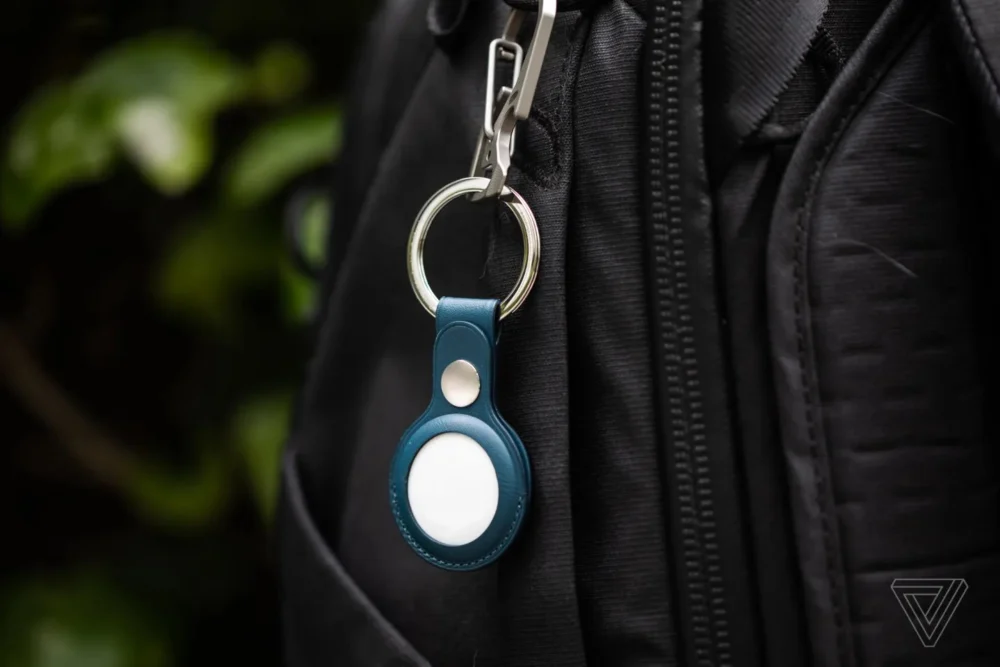
As the technology landscape evolves, the emergence of newer iterations often prompts a reassessment of their predecessors. In the case of Apple’s innovative item trackers, the introduction of the second-generation AirTag has spurred a notable price adjustment for the first-generation models, presenting a compelling opportunity for consumers seeking robust tracking capabilities without the premium cost. This shift in market dynamics underscores the enduring utility and value proposition of the original AirTag, even as its successor enters the fray.
The transition from the first to the second generation of Apple’s AirTag devices has predictably led to a recalibration of pricing for the earlier iteration. While the latest model boasts incremental improvements, the foundational technology and core functionality of the first-generation AirTag remain remarkably potent, particularly when factored into current market pricing. Retailers are actively adjusting inventory, with significant discounts now making these sophisticated tracking devices more accessible than ever before. This strategic pricing adjustment transforms the first-generation AirTag from a merely competent option into a potentially exceptional one for a broad spectrum of users.
The enduring appeal of the Apple AirTag lies in its seamless integration within the company’s expansive ecosystem, a factor that significantly differentiates it from many competing products. The "Find My" network, a proprietary infrastructure leveraged by AirTags, comprises hundreds of millions of Apple devices worldwide. This network creates a decentralized, crowdsourced system for locating lost items, offering an unparalleled reach and accuracy. Even when an AirTag is out of direct Bluetooth range of its owner, it can anonymously communicate its location through any nearby Apple device, relaying this information back to the owner’s Find My app. This sophisticated, albeit passive, tracking mechanism is a cornerstone of the AirTag’s effectiveness and a key differentiator that remains fully functional in the first-generation models.
Furthermore, the first-generation AirTag benefits from Apple’s pioneering use of Ultra Wideband (UWB) technology. This advanced radio frequency technology enables precise spatial awareness, allowing users to pinpoint the exact location of their AirTag with remarkable accuracy, especially when within close proximity. The Find My app transforms into an intuitive directional guide, utilizing visual cues, audible alerts, and haptic feedback to lead users directly to their misplaced belongings. This "Precision Finding" feature, powered by UWB, offers a level of granular tracking that many Bluetooth-only trackers simply cannot replicate. Whether it’s an item slipped between couch cushions or a bag left in a busy terminal, UWB technology significantly enhances the user’s ability to recover lost possessions quickly and efficiently.
Beyond its hardware capabilities, the software ecosystem surrounding the AirTag further amplifies its value. The ability to share an AirTag’s location with trusted contacts, a feature introduced with iOS 17, significantly enhances its utility for families and groups. This allows for collaborative tracking of shared items like luggage during travel or a pet’s carrier, fostering peace of mind and streamlining coordination. Moreover, the integration with select airlines, permitting the sharing of AirTag location data for checked baggage, addresses a persistent pain point for travelers, offering an additional layer of transparency and control over their belongings during transit. These software enhancements, available to all AirTag users regardless of generation, contribute to a holistic and user-centric tracking experience.
The operational longevity and maintenance of the first-generation AirTag also contribute to its sustained appeal. Equipped with a user-replaceable CR2032 coin cell battery, each AirTag offers approximately a year of service before requiring a simple battery swap. This contrasts with many trackers that necessitate discarding the entire unit once the battery depletes, thereby promoting a more sustainable and cost-effective approach to item tracking. Additionally, the AirTag boasts an IP67 rating, signifying its resilience against dust ingress and its ability to withstand submersion in water up to one meter for 30 minutes. This robust build quality ensures that the device can endure the rigors of everyday use and exposure to various environmental conditions, making it a reliable companion for a wide array of applications.

While the second-generation AirTag introduces advancements, such as an upgraded UWB chip for enhanced precision and an improved speaker for louder alerts, these enhancements do not negate the fundamental utility of the original model. For many users, the core functionalities of precise location tracking within the Find My network, intuitive guidance, and the ability to share location data are more than sufficient. The price differential, particularly in the current market with significant discounts on the first-generation models, often outweighs the marginal improvements offered by the newer iteration. The cost savings can be substantial, especially when purchasing multi-packs, allowing users to equip multiple items or distribute trackers among family members without a significant financial outlay.
The current pricing dynamics present a unique window of opportunity for consumers to acquire a sophisticated tracking solution at an unprecedented value. Retailers like Amazon, Walmart, and Best Buy are offering first-generation AirTag four-packs for approximately $64, a considerable reduction from their original launch price and only slightly above the historically lowest recorded price for this bundle. Individual units are also available at attractive price points, such as $17 at Walmart, making it feasible to experiment with the technology or equip specific high-value items. This aggressive pricing strategy by retailers signals a concerted effort to clear existing inventory of the first-generation models, a move that directly benefits budget-conscious consumers.
The strategic advantage of the first-generation AirTag at its current price point lies in its ability to leverage Apple’s robust and mature Find My network. This network, built over years and integrated into the daily lives of millions, provides a level of coverage and reliability that is difficult for competing technologies to match. The UWB technology also remains a significant advantage, offering a level of precision that is particularly valuable for locating items in cluttered environments or when hidden from direct view. While the second-generation model refines these capabilities, the core performance of the first generation remains highly competitive, especially when considering the cost-effectiveness.
The implications of these discounted prices extend beyond individual consumer savings. It democratizes access to advanced tracking technology, enabling a broader audience to benefit from the peace of mind and convenience that AirTags provide. For individuals who may have hesitated due to the initial cost, the current pricing makes the decision to invest in an AirTag far more palatable. This accessibility can be particularly impactful for those who frequently misplace personal items, travelers concerned about luggage security, or parents seeking to keep track of children’s belongings.
Looking ahead, while the second-generation AirTag represents the latest iteration of Apple’s item tracking technology, the first-generation models are poised to remain a relevant and highly valuable option for a considerable period. The ongoing support for the Find My network ensures that these devices will continue to function effectively, benefiting from the collective presence of millions of Apple devices. Furthermore, the inherent durability and user-replaceable battery contribute to a long service life, maximizing the return on investment for consumers who purchase them at these reduced prices. The availability of accessories, such as keyrings and holders, further enhances the versatility of the AirTag, allowing users to seamlessly integrate them into their daily routines and attach them to a wide array of items.
In conclusion, the current market conditions, characterized by significant price reductions on first-generation Apple AirTags, present an exceptional opportunity for consumers. The foundational technology, including access to the expansive Find My network and the precision of UWB, remains highly effective and superior to many alternatives. Coupled with robust software features and durable hardware, the original AirTag continues to offer a compelling blend of functionality, reliability, and value. As retailers continue to transition their inventory, prospective buyers would be prudent to capitalize on these attractive pricing opportunities, securing a sophisticated item tracking solution that continues to deliver outstanding performance. The first-generation AirTag, now more affordable than ever, stands as a testament to Apple’s ability to offer enduring technology that remains relevant and highly desirable in a rapidly evolving market.



 Safa Marwah
 Lisa Mariana