
 Ridwan Kamil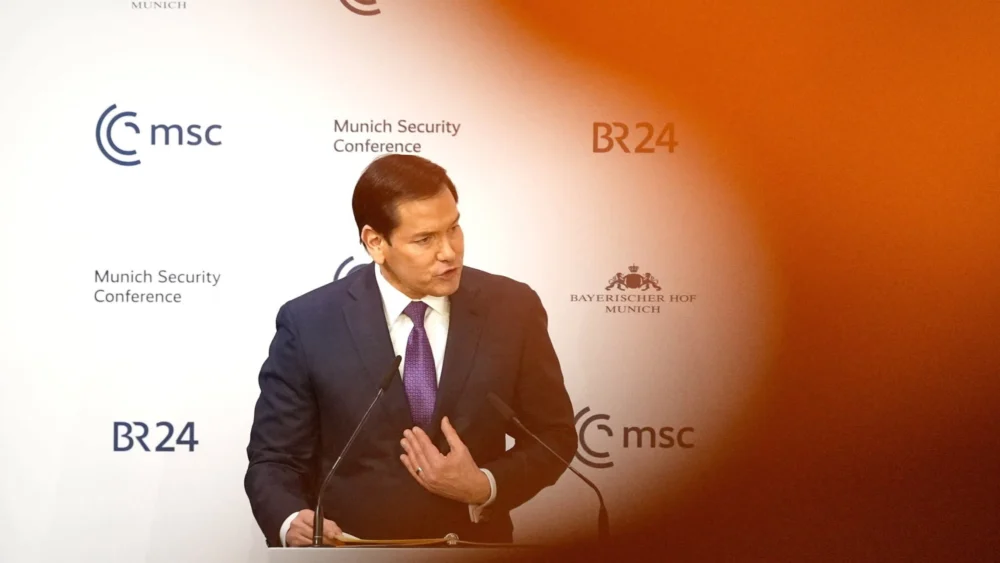
In a clear and emphatic statement aimed at bolstering transatlantic ties, Senator Marco Rubio has articulated the United States’ steadfast commitment to its European allies, assuring them that the foundational alliance will not be eroded or abandoned. This declaration comes at a critical juncture, addressing lingering concerns and reaffirming the enduring strategic importance of the partnership in navigating a complex and evolving global landscape. Rubio’s message seeks to underscore the continuity of American foreign policy principles and the deep-seated understanding that collective security and shared prosperity are intrinsically linked to the strength of the transatlantic bond.
The senator’s remarks, delivered in a context underscoring the persistent challenges and opportunities facing both sides of the Atlantic, serve as a potent reassurance against any potential wavering of American resolve. In an era marked by resurgent geopolitical rivalries, economic uncertainties, and the imperative to address global threats ranging from climate change to cyber warfare, the United States’ commitment to its allies in Europe is presented not merely as a matter of historical precedent, but as a vital strategic necessity for mutual security and global stability. Rubio’s emphasis on the unshakeable nature of this alliance highlights a core tenet of American foreign policy, one that prioritizes robust diplomatic, economic, and security cooperation with its democratic partners. This assurance is intended to provide a stable foundation for joint action, encouraging continued investment in shared defense capabilities, coordinated economic policies, and collaborative approaches to international challenges. The underlying message is one of continuity and reliability, aiming to dispel any perceptions of isolationism or a diminished American engagement in European security affairs.
The strategic importance of the transatlantic alliance has been a cornerstone of global security architecture for over seven decades, dating back to the establishment of the North Atlantic Treaty Organization (NATO) in the wake of World War II. This enduring partnership has not only been instrumental in maintaining peace and stability in Europe but has also served as a bulwark against authoritarian expansionism and a platform for promoting democratic values and free markets worldwide. Senator Rubio’s affirmation of this commitment is therefore situated within a historical continuum of bipartisan support for strong trans-Atlantic relations, reflecting a broad consensus within the United States regarding the indispensable value of these partnerships.
In his pronouncements, Rubio aimed to address a spectrum of contemporary challenges that necessitate a unified approach. The resurgence of aggressive geopolitical postures from certain states, coupled with the proliferation of hybrid threats and the persistent specter of terrorism, underscores the ongoing relevance of collective defense. The alliance provides a framework for burden-sharing, interoperability of military forces, and the development of common strategies to counter evolving threats. Furthermore, economic interdependence between the United States and Europe, characterized by significant trade flows and investment, creates a shared interest in maintaining a stable and prosperous global economic order. Coordinated policies on trade, investment, and regulatory frameworks are crucial for fostering innovation, creating jobs, and ensuring a level playing field in the international marketplace.
The senator’s message also implicitly acknowledges the internal dynamics within European nations and the broader international community, where narratives of shifting global power balances and the rise of populism have at times cast a shadow of uncertainty over the future of established alliances. By unequivocally stating that the U.S. will not abandon its European partners, Rubio sought to counter any perceptions of American withdrawal or a prioritization of bilateral relationships over multilateral commitments. This assurance is vital for fostering confidence and encouraging sustained investment in joint initiatives, whether in defense modernization, energy security, or the development of new technologies.
The implications of Rubio’s statement extend beyond immediate security concerns. A strong and unified transatlantic alliance is a critical factor in addressing global challenges that transcend national borders. Climate change, for instance, demands coordinated international action, and the technological and economic capabilities of the United States and European nations are essential for driving the transition to a sustainable future. Similarly, the management of global health crises, the fight against pandemics, and the establishment of robust international norms in areas such as cyber security all benefit immeasurably from a cohesive transatlantic front.
Moreover, the alliance serves as a powerful symbol of democratic solidarity in an increasingly multipolar world. It demonstrates that like-minded nations can effectively collaborate to uphold international law, promote human rights, and foster democratic governance. This collective influence is crucial for shaping the international agenda and for responding effectively to instances of human rights abuses or challenges to the rules-based international order.
From an analytical perspective, Rubio’s articulation of unwavering commitment can be interpreted as a strategic signal designed to deter potential adversaries and reassure allies. In the realm of geopolitics, clear and consistent signaling is paramount. By leaving no room for ambiguity regarding the United States’ enduring dedication to its European partners, the senator contributes to a predictable and stable international environment. This predictability is essential for diplomatic engagement, investment decisions, and long-term strategic planning by all actors on the global stage.
The future outlook for the transatlantic alliance, while robust, will continue to be shaped by a dynamic interplay of global events and domestic priorities within both the United States and European nations. Senator Rubio’s statement serves as a foundational affirmation, but the continued vitality of the alliance will depend on sustained engagement, adaptive strategies, and a shared willingness to confront emerging challenges collaboratively. The emphasis on continuity and commitment by a prominent U.S. policymaker provides a crucial anchor in an often turbulent international environment, reinforcing the understanding that the strength of the transatlantic partnership is not merely a matter of historical legacy but a vital prerequisite for navigating the complexities of the 21st century. The ongoing dialogue and cooperation between the U.S. and its European allies will undoubtedly continue to evolve, addressing new threats and seizing emergent opportunities, all underpinned by this fundamental assurance of unwavering mutual support.
The senator’s message also resonates with the ongoing efforts to modernize and adapt NATO to the evolving security landscape. As new threats emerge, from sophisticated cyber-attacks to disinformation campaigns and the challenges posed by state-sponsored aggression, the alliance must continually reassess its strategies and capabilities. Rubio’s affirmation of commitment implies a dedication to supporting these adaptation processes, including investments in advanced defense technologies, enhanced intelligence sharing, and coordinated responses to hybrid warfare tactics. This forward-looking perspective is crucial for ensuring that the alliance remains relevant and effective in the face of future challenges.
Furthermore, the economic dimension of the transatlantic relationship cannot be overstated. The United States and the European Union represent the largest economic bloc in the world, and their trade and investment ties are a significant driver of global prosperity. Maintaining and strengthening these economic linkages is essential for fostering innovation, creating jobs, and promoting economic resilience in the face of global headwinds. Rubio’s assurance of commitment can be seen as a signal that the U.S. values these economic ties and is committed to working with its European partners to address trade disputes, promote fair competition, and facilitate investment. This economic partnership is not just about commercial exchange; it is about shared values and a commitment to a rules-based global economic order that benefits all nations.
The geopolitical landscape is characterized by increasing complexity and the rise of new centers of power. In this environment, the strength and unity of the transatlantic alliance serve as a crucial counterweight, promoting a global order based on democratic principles and international law. Rubio’s statement reinforces the idea that the U.S. and Europe, working together, can effectively address global challenges and uphold the values that they share. This collective influence is vital for ensuring that international institutions remain effective and that global norms are respected.
The continuity of American foreign policy, particularly regarding its alliances, is a critical factor for global stability. Senator Rubio’s clear articulation of this continuity provides a sense of reassurance to allies and a clear signal to potential adversaries. It underscores the bipartisan nature of support for the transatlantic alliance within the United States, suggesting that this commitment is not contingent on the political party in power. This bipartisan consensus is a significant strength that allows for consistent and predictable engagement with allies.
In conclusion, Senator Rubio’s emphatic reassurance to Europe regarding the unwavering commitment of the United States to the transatlantic alliance is a significant diplomatic statement. It serves to reinforce the enduring strategic importance of this partnership, addressing contemporary challenges and solidifying the foundation for future cooperation. The message underscores the shared values, mutual interests, and collective security imperatives that bind the United States and its European allies, affirming that this foundational relationship remains a critical pillar of global stability and prosperity. The continued strength and adaptability of this alliance will be crucial in navigating the complexities of the 21st century and shaping a more secure and prosperous world.



 Aura Kasih
 Safa Marwah
 Lisa Mariana


 Ayu Aulia