Ayu Aulia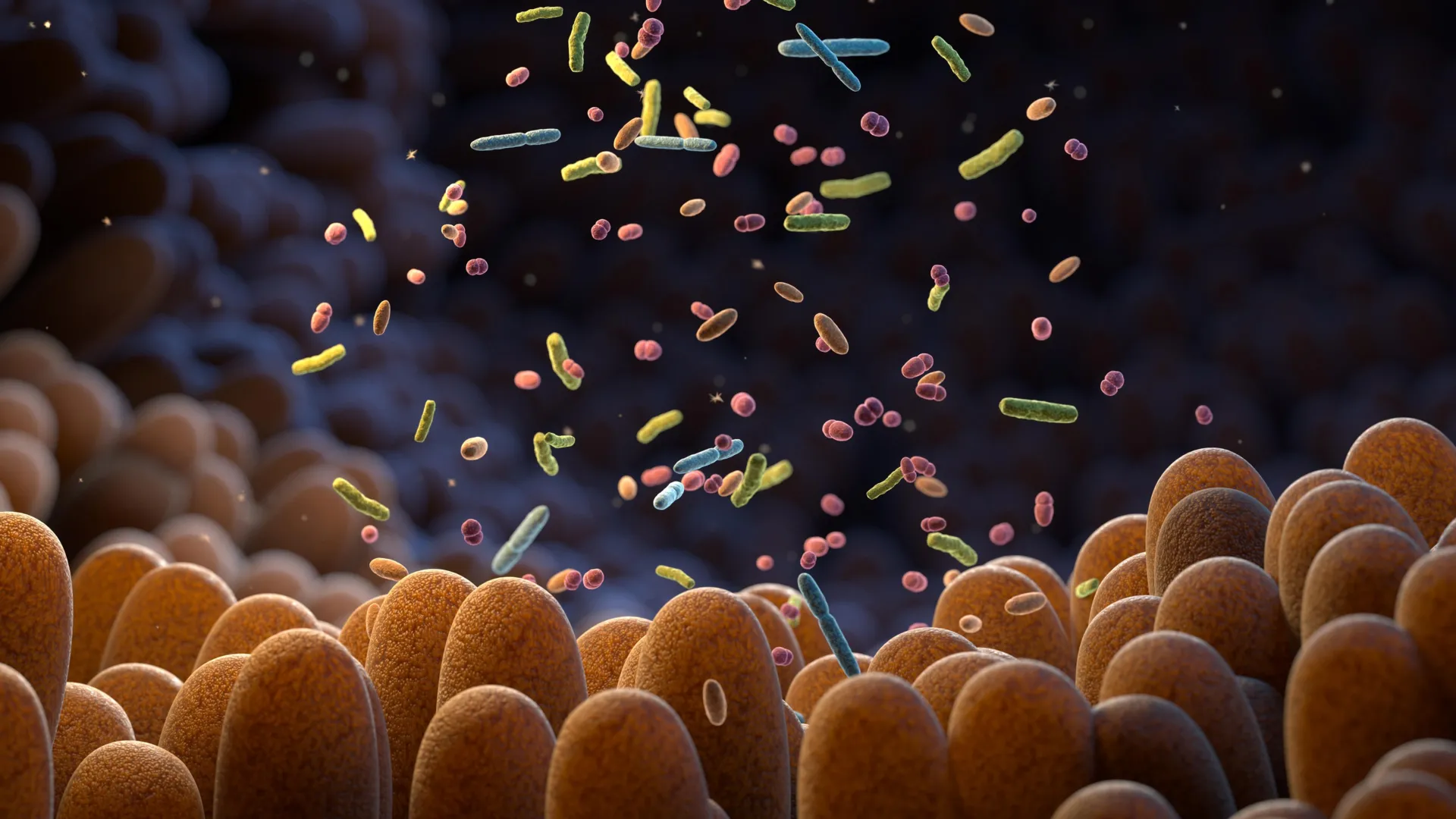
A groundbreaking scientific endeavor has unveiled a novel strategy to enlist the resident microbial communities within an organism’s digestive tract to synthesize compounds intrinsically linked to extended health and lifespan. This paradigm-shifting discovery posits a potent new avenue for pharmaceutical development, focusing on modulating the gut ecosystem to produce therapeutic agents rather than directly intervening with host physiology. The implications extend far beyond traditional drug design, suggesting a future where our own internal microbial partners become crucial allies in the fight against age-related decline.
The intricate biology of aging remains one of humanity’s most profound challenges. While significant strides have been made in understanding cellular senescence, metabolic pathways, and genetic predispositions, translating these insights into practical, safe, and universally applicable anti-aging interventions has proven exceptionally difficult. Many conventional pharmaceutical approaches carry the risk of systemic side effects due to their broad impact on human cells and biochemical processes. This inherent limitation has spurred researchers to explore unconventional targets, with the vast and influential gut microbiome emerging as a compelling frontier.
At the forefront of this innovative research is a team led by a prominent figure whose laboratory has dedicated considerable effort to unraveling the fundamental mechanisms of biological aging. Their long-standing objective has been to bridge the gap between theoretical understanding of longevity-related molecules and the practical application of such knowledge to enhance healthy lifespan beyond the confines of experimental settings. Recognizing the pervasive influence of the gut microbiome on host health, they posited whether this complex microbial community could be leveraged as a dynamic, living pharmaceutical factory.
The concept hinges on the understanding that the gut microbiota—a diverse consortium of trillions of bacteria, fungi, viruses, and other microorganisms—is not merely a passive inhabitant of the digestive tract. It actively participates in myriad physiological processes, ranging from nutrient metabolism and immune system modulation to neurodevelopment and even mood regulation. Crucially, these microbes produce an astonishing array of biochemical compounds, many of which exert profound effects on the host. The research team specifically investigated whether they could direct this microbial capacity to synthesize substances known to bolster health and promote longevity.
Their investigative focus coalesced around colanic acid, a polysaccharide naturally generated by certain gut bacteria. Prior studies, conducted in simpler model organisms such as the nematode Caenorhabditis elegans (roundworms) and Drosophila melanogaster (fruit flies), had already demonstrated that increased levels of colanic acid correlated with significant extensions in lifespan. This pre-existing evidence provided a strong rationale for exploring colanic acid as a prime candidate for targeted microbial production within a living system.
The subsequent experimental phase involved a series of controlled investigations designed to manipulate colanic acid production. The researchers observed that when gut bacteria were exposed to carefully calibrated, low concentrations of the antibiotic cephaloridine, they responded by producing significantly elevated levels of colanic acids. This finding was then directly linked to longevity outcomes: roundworms administered cephaloridine exhibited a demonstrably longer lifespan, thereby establishing a direct correlation between the chemically induced increase in this bacterial compound and improved longevity. This critical step validated the potential for external modulation to trigger beneficial microbial activity.
Encouraged by the robust results in invertebrate models, the team advanced their research to mammalian systems, specifically utilizing mice. The methodology involved administering low doses of cephaloridine to the mice, and subsequent analysis revealed a precise and targeted effect on the gut bacteria. The antibiotic activated specific gene expression pathways within the microbial population that are directly involved in the biosynthesis of colanic acids. This genetic upregulation translated into discernible and beneficial shifts in the animals’ age-related metabolism. Notably, male mice exhibited higher levels of high-density lipoprotein (HDL), often referred to as "good cholesterol," and lower levels of low-density lipoprotein (LDL), or "bad cholesterol." Concurrently, female mice displayed reduced insulin levels, an indicator of improved insulin sensitivity and metabolic health, which is frequently associated with extended lifespan and reduced risk of age-related diseases like type 2 diabetes.
A pivotal aspect of this discovery lies in the pharmacological profile of cephaloridine itself. Unlike many antibiotics that are readily absorbed into the bloodstream and distributed throughout the body, orally administered cephaloridine possesses a unique advantage: it exhibits minimal systemic absorption. This characteristic is profoundly significant for the proposed therapeutic strategy. By acting almost exclusively within the gastrointestinal tract, cephaloridine can exert its influence on the gut microbiome without affecting the host’s systemic physiology. This localized action dramatically mitigates the risk of off-target toxicity and undesirable side effects that often plague traditional drug development, particularly for chronic conditions like aging where long-term administration is anticipated.
The researchers assert that these compelling results illuminate a highly promising and potentially transformative strategy for promoting healthy longevity. This approach distinguishes itself by focusing on pharmaceutical agents that operate on the resident bacterial populations rather than directly modifying human cells or host biochemistry. The work carries profound implications for the future architecture of medicine, suggesting a fundamental reorientation in drug design. It advocates for a shift away from compounds that directly impact human cellular machinery towards those that skillfully guide the endogenous microbiota to produce a sustained supply of health-supporting molecules for their host.
This innovative paradigm holds significant promise for circumventing many of the limitations inherent in current anti-aging research. For instance, interventions targeting specific aging pathways often require precise systemic delivery and can lead to unintended consequences in other tissues. By contrast, leveraging the gut as a bioreactor, with its vast surface area and rich microbial community, offers a localized and potentially safer delivery mechanism for beneficial compounds. This strategy represents a distinct departure from generalized probiotic supplementation, which often introduces new strains with uncertain long-term integration, or prebiotic interventions that broadly feed existing microbes. Instead, it offers a more targeted, pharmacologically induced manipulation of existing microbial functions to produce specific, desired therapeutic outcomes.
The broader implications for drug development are substantial. This proof-of-concept opens the door to identifying other microbial-produced compounds with therapeutic potential and developing analogous small molecules to stimulate their production. Such an approach could accelerate the discovery process by focusing on the rich metabolic diversity of the microbiome, which far exceeds the synthetic capabilities of traditional chemistry. Moreover, by reducing the systemic burden of drugs, it could lead to interventions with improved safety profiles, critical for preventive or long-term treatments for chronic conditions associated with aging, such as metabolic syndrome, cardiovascular disease, and potentially even neurodegenerative disorders, given the established gut-brain axis.
Looking ahead, the translation of these findings into clinical applications will involve rigorous investigation. Future research will need to address the long-term safety and efficacy of such interventions in human populations, carefully determining optimal dosages and administration protocols. Understanding inter-individual variability in microbiome composition will also be crucial, as responses to microbial-modulating agents may differ based on an individual’s unique gut ecosystem. This paves the way for a more personalized approach to longevity medicine, where interventions are tailored to an individual’s specific microbial profile. The success of this strategy could also inspire investigations into whether the gut microbiota can be coaxed to produce a wider array of therapeutic compounds beyond colanic acid, potentially addressing other diseases or deficiencies by harnessing the body’s internal biological factories. This pioneering work underscores the profound and largely untapped potential of the human microbiome as a partner in maintaining health and extending the period of vitality throughout life.




 Lisa Mariana
 Aura Kasih
 Safa Marwah