Ayu Aulia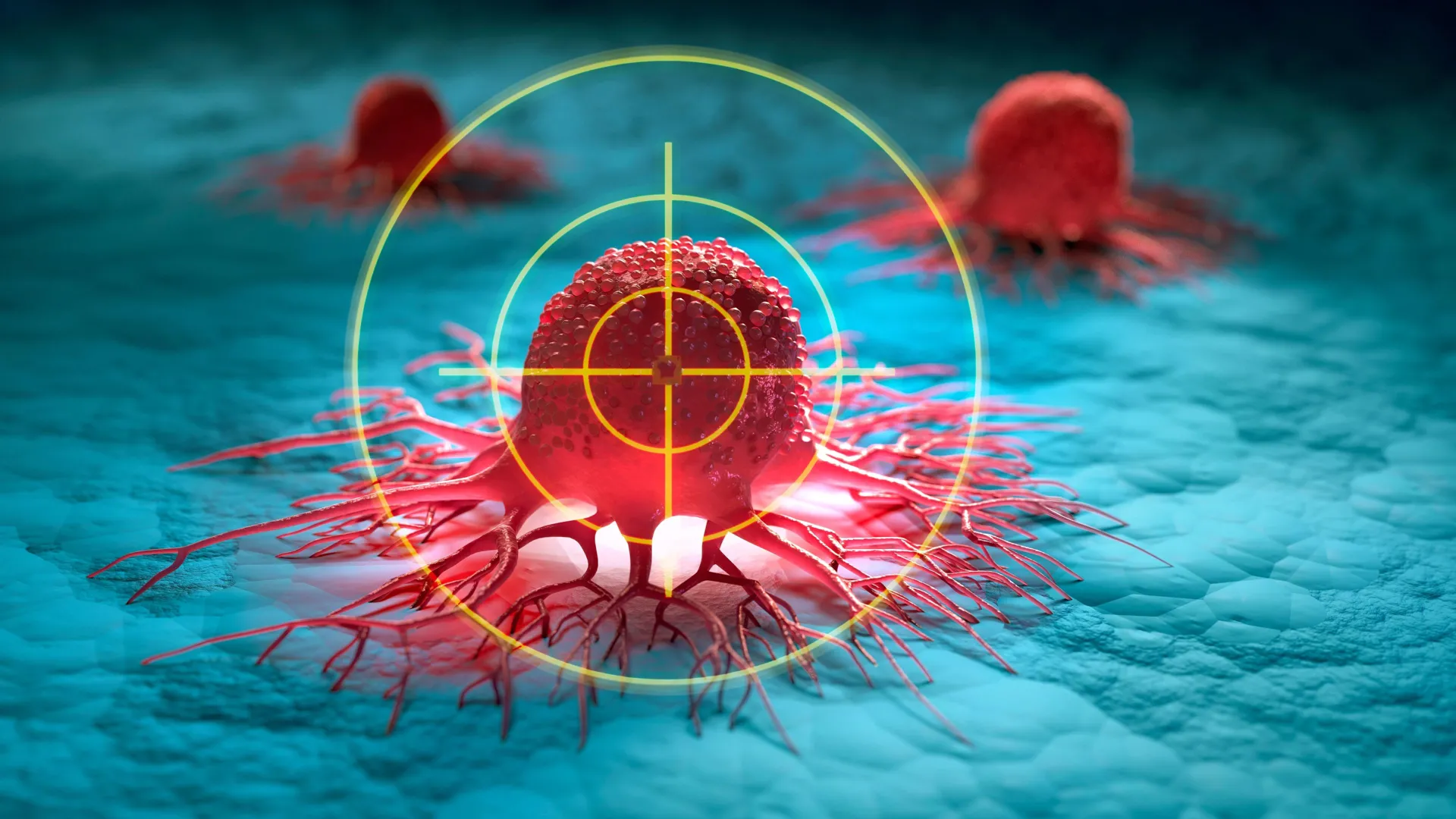
A groundbreaking experimental immunotherapy, developed by scientists, is redefining the battle against metastatic cancer by shifting its focus from directly attacking malignant cells to dismantling the protective ecosystem surrounding them. This innovative approach, drawing inspiration from the ancient "Trojan Horse" strategy, targets the very immune cells that shield tumors, effectively transforming them from formidable guardians into unwitting conduits for destruction. The research, rigorously tested in aggressive preclinical models of metastatic ovarian and lung cancer, signals a profoundly promising new trajectory for treating advanced solid tumors that have historically proven recalcitrant to existing therapeutic modalities.
Metastatic cancer, characterized by the spread of malignant cells from their primary site to distant organs, remains the predominant cause of cancer-related mortality. Despite significant advancements in oncology, solid tumors, particularly those that have metastasized, present formidable challenges to treatment. Conventional immunotherapies, which harness the body’s own immune system to combat cancer, often encounter a critical impediment: the tumor microenvironment (TME). This complex milieu of cells, extracellular matrix, and signaling molecules actively suppresses immune responses, creating a virtually impenetrable "fortress" that shields cancer cells from immune surveillance and attack. This immune-suppressive barrier is a primary reason why many patients with advanced solid tumors do not respond adequately to current immunotherapies, leading to persistent disease and poor prognoses.
Central to this defensive barrier are tumor-associated macrophages (TAMs), a type of immune cell that, in healthy tissues, plays crucial roles in pathogen clearance, wound healing, and tissue maintenance. However, within the pathological context of a tumor, these macrophages undergo a profound reprogramming. Instead of executing their beneficial immune functions, TAMs are co-opted by the cancer to promote tumor growth, angiogenesis (formation of new blood vessels to feed the tumor), metastasis, and, critically, to suppress anti-tumor immune responses. They effectively act as the "guards" of the tumor fortress, creating an immunosuppressive shield that renders the cancer cells invisible or untouchable by the immune system’s effector cells, such as cytotoxic T lymphocytes.
The architects of this novel therapy recognized this fundamental paradox. Instead of attempting to breach the fortress walls head-on, their strategy was to subvert the guards themselves. As Dr. Mateus-Tique, a lead study author, articulated, the conventional immunotherapy paradigm often struggled to overcome this protective barrier. The conceptual breakthrough involved targeting these protective macrophages, aiming to disarm them and, crucially, to repurpose them as a pathway for delivering therapeutic payloads directly into the heart of the tumor. This represents a significant paradigm shift from directly cytotoxic approaches to one that focuses on reshaping the tumor’s supportive environment, thereby rendering the cancer vulnerable.
The ingenuity of this approach lies in its precision. The Mount Sinai team engineered a therapy designed to selectively eliminate these detrimental tumor-associated macrophages while meticulously preserving healthy macrophages throughout the rest of the body. This selective depletion is paramount, as widespread macrophage elimination could lead to severe systemic immune dysregulation. By precisely removing TAMs, the treatment orchestrates a profound transformation of the tumor microenvironment, shifting it from a state of immune suppression to one of robust immune activation. This transformation is not merely about removing an obstacle; it’s about actively fostering an environment conducive to immune attack.
The technological backbone of this therapy is Chimeric Antigen Receptor (CAR) T-cell technology. CAR T cells are a form of adoptive cell therapy where a patient’s own T cells are genetically modified in a laboratory to express a synthetic receptor (the CAR) that enables them to recognize and bind to specific proteins (antigens) on cancer cells. Once infused back into the patient, these engineered T cells can then specifically target and destroy cancer cells. While CAR T-cell therapy has achieved remarkable successes in hematological malignancies (blood cancers), its application to solid tumors has been significantly hampered by several factors, including the heterogeneity of tumor antigens, the physical barriers within solid tumors, and the highly immunosuppressive TME.
To circumvent the challenge of identifying suitable and universally expressed cancer-specific targets on solid tumors, the researchers ingeniously redirected the CAR T cells. Rather than engineering them to recognize cancer cells directly, they were designed to specifically identify and bind to an antigen expressed on tumor macrophages. This novel targeting strategy allows the CAR T cells to infiltrate the tumor by engaging with its most abundant and protective stromal cells.
The innovation did not stop there. The team further armored these CAR T cells by genetically modifying them to secrete interleukin-12 (IL-12), a potent cytokine known for its powerful immune-stimulating properties. IL-12 acts as a critical signaling molecule that activates a cascade of immune responses, particularly stimulating the proliferation and differentiation of killer T cells (cytotoxic T lymphocytes) and natural killer (NK) cells, which are crucial for eradicating cancer cells. By having the CAR T cells locally release IL-12 upon engaging with tumor macrophages, the therapy ensures that this powerful immune activator is delivered directly into the heart of the tumor microenvironment, where it can exert its effects most efficiently and with potentially reduced systemic toxicity compared to intravenously administered IL-12.
The preclinical results from this "armored" macrophage-targeted CAR T-cell therapy were nothing short of dramatic. In aggressive mouse models of metastatic lung and ovarian cancer, the animals treated with these engineered cells exhibited significantly extended survival, living months longer than their untreated counterparts. Remarkably, a substantial proportion of the treated mice achieved complete remission, indicating a profound and durable therapeutic effect. These outcomes underscore the immense potential of this strategy to overcome the established resistance of advanced solid tumors to existing immunotherapies.
To unravel the intricate mechanisms underlying these impressive therapeutic effects, the researchers employed advanced spatial genomics techniques. These cutting-edge analytical tools allowed them to map the molecular and cellular landscape within the tumors with unprecedented resolution, providing insights into how the therapy reshaped the tumor microenvironment. The spatial genomics analyses confirmed that the treatment effectively depleted the immune-suppressing macrophages and, crucially, concurrently orchestrated a robust infiltration of immune cells capable of identifying and destroying cancer cells. This detailed molecular profiling provided tangible evidence of the TME reprogramming, validating the core hypothesis of the "Trojan Horse" strategy.
A particularly significant implication of this approach is its "antigen-independent" nature. Because the therapy targets macrophages, which are ubiquitous components of the tumor microenvironment across various cancer types, rather than specific antigens on cancer cells themselves, it is not reliant on the presence of specific cancer cell markers. This broad applicability represents a major advantage, as it could potentially extend the benefits of immunotherapy to a wide spectrum of cancers, including those that have traditionally proven challenging to target due to their molecular heterogeneity or lack of suitable surface antigens. The successful application of the same therapeutic strategy in both lung and ovarian cancer models provides strong evidence for its potential as a broadly applicable treatment modality, offering hope for patients suffering from diverse, hard-to-treat solid tumors.
Dr. Brian Brown, the senior author of the study, emphasized the universal presence and critical role of macrophages in tumors, often outnumbering the malignant cells themselves. His statement, "What’s so exciting is that our treatment converts these cells from protecting the cancer to killing it. We’ve turned foe into ally," succinctly encapsulates the revolutionary nature of this therapeutic design. It’s a testament to the power of understanding and manipulating the complex cellular dynamics within the tumor microenvironment to achieve therapeutic gain.
While the preclinical results are unequivocally promising and establish a compelling proof-of-concept, the researchers judiciously emphasize that extensive studies in human patients are an indispensable next step to ascertain the safety, efficacy, and optimal dosing of this therapy. The transition from preclinical models to human clinical trials is a complex and highly regulated process, fraught with challenges. The current findings, while stunning, should be viewed as a foundational discovery paving the way for future clinical development rather than an immediate cure.
The team is actively engaged in refining the approach, with a particular focus on precisely controlling the spatiotemporal release of IL-12 within the tumor microenvironment in subsequent mouse models. The objective is to maximize the localized immune-stimulating effects of IL-12 while mitigating any potential systemic toxicities, thereby optimizing the therapeutic window as the therapy progresses towards potential human testing. Beyond the initial focus on lung and ovarian cancers, the researchers envision this innovative strategy forming the bedrock for future generations of CAR T-cell therapies that fundamentally reshape tumors by targeting their supportive stromal cells, rather than solely focusing on the cancer cells themselves. This approach heralds a new era in cancer immunotherapy, one that seeks to dismantle the tumor’s defenses from within, ultimately empowering the immune system to eradicate even the most formidable malignant fortresses. The study, titled "Armored macrophage-targeted CAR-T cells reset and reprogram the tumor microenvironment and control metastatic cancer growth," represents a significant intellectual and technological leap in the ongoing quest to conquer cancer.




 Lisa Mariana
 Aura Kasih
 Safa Marwah