Aura Kasih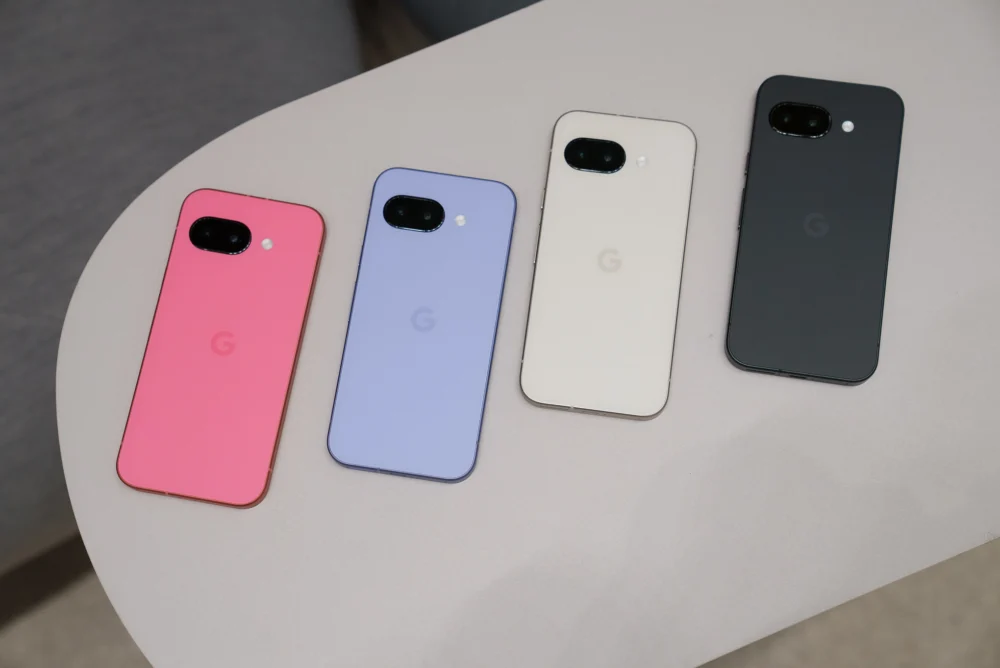
The Android operating system, a titan in the mobile technology landscape, champions unparalleled user choice, offering a vast array of hardware configurations and feature sets that cater to diverse needs and preferences. Unlike its more constrained counterpart, the Android ecosystem presents a spectrum of devices, from sleek, minimalist smartphones to innovative foldable form factors, each engineered to push the boundaries of mobile functionality. This comprehensive analysis delves into the current premier Android devices, examining their strengths, weaknesses, and the underlying technological advancements that position them as leaders in the competitive smartphone arena.
The journey to identify the best Android phones involves rigorous testing and a deep understanding of user priorities. Factors such as build quality, display technology, processing power, camera capabilities, battery longevity, and software support are meticulously evaluated. In an era increasingly defined by artificial intelligence, the integration and practical application of AI features within these devices are also under close scrutiny. While AI promises to revolutionize user interaction and device functionality, its current implementation often falls short of transformative potential, with many features offering incremental improvements rather than groundbreaking shifts.

Foundational Pillars of Excellence: Key Criteria for Premium Android Devices
The selection of top-tier Android devices is predicated on a rigorous set of criteria designed to ensure long-term value, exceptional performance, and a superior user experience. Durability is paramount, with a strong emphasis placed on robust build materials and comprehensive ingress protection. A minimum IP68 rating for dust and water resistance, coupled with resilient glass panels and sturdy metal frames, signifies a commitment to longevity and reliable everyday use. Furthermore, the extended software support offered by manufacturers is a critical consideration. Leading brands are now extending their operating system and security update commitments to seven years, a significant leap that enhances the device’s lifecycle and safeguards user data. A minimum of three years of major Android OS version upgrades and a corresponding period of security patches are considered essential for a device to remain competitive and secure.
Display technology represents another crucial benchmark. The best Android phones typically feature high-resolution displays, often exceeding 1440p, which contribute to crisp and detailed visuals. A high refresh rate, ideally 120Hz or greater, is crucial for delivering fluid animations and seamless scrolling, significantly enhancing the perceived responsiveness of the device. Variable refresh rate technology, which can dynamically adjust the refresh rate down to 1Hz, is also highly valued for its ability to optimize power consumption without compromising visual quality.

Camera systems are a primary differentiator in the premium smartphone market. While all devices can capture adequate photos in optimal lighting conditions, the truly exceptional phones excel in challenging scenarios. This includes robust low-light performance and the ability to handle high-contrast scenes with grace. Features such as optical image stabilization (OIS) and sensor-shift stabilization are vital for counteracting hand shake, enabling the use of slower shutter speeds to capture more light and detail in dim environments. The inclusion of a versatile telephoto lens further enhances photographic capabilities, offering optical zoom without sacrificing image quality. However, advancements in high-resolution sensors are increasingly enabling effective digital zoom through intelligent cropping, blurring the lines between optical and digital zoom.
Wireless charging has transitioned from a luxury feature to a near-essential convenience. The ability to effortlessly charge a device without the need for cables enhances user experience and aligns with the trend towards integrated charging solutions for various electronic devices. While its absence is not an absolute disqualifier, a phone that lacks wireless charging is at a disadvantage in the premium segment.
The US Market Landscape: Navigating Availability and Acquisition Strategies

The availability of Android devices within the United States is subject to certain market dynamics, often influenced by global supply chains and strategic partnerships. Consequently, consumers in the US may not have access to the same breadth of brands and models found in other regions, with manufacturers like Huawei, Xiaomi, Honor, and Oppo facing limited or no direct availability. This guide focuses on devices that have undergone thorough testing and are readily accessible within the US market.
A significant portion of smartphone acquisitions in the US occurs through wireless carriers, often presented as part of bundled plans or with attractive subsidies. While this can lead to the perception of acquiring a device "for free," opting for an unlocked model provides unparalleled flexibility, allowing users to switch carriers without device compatibility issues. Furthermore, manufacturers often provide direct financing options and attractive trade-in programs, making premium devices more attainable. Prospective buyers are encouraged to carefully evaluate these options, understanding the terms and conditions, especially when promotional offers are tied to specific service plans.
Premier Android Devices: A Deep Dive into Current Leaders

The Pinnacle of Android: Google Pixel 10
The Google Pixel 10 represents a refined iteration of Google’s vision for an accessible yet powerful Android smartphone. Priced at $799, it strikes a compelling balance between advanced features and user-friendly design. Key upgrades include a vibrant 6.3-inch OLED display with a 120Hz refresh rate, the capable Tensor G5 processor (shared with its Pro sibling), and the convenience of Qi2 wireless charging, eliminating the need for specific alignment with charging pads. The device’s construction prioritizes stability and ease of use, eschewing ostentatious design for practical elegance.
This year’s model introduces a dedicated telephoto lens, a significant addition to the non-Pro lineup. While the primary and ultrawide cameras represent a slight downgrade from the previous generation, the overall photographic performance remains strong for everyday use. The Pixel 10 consistently delivers clean, well-exposed images and exhibits reliable performance, making it an excellent choice for the average user seeking versatility and quality.

Beyond hardware, the Pixel 10 excels in its software experience. Features like Magic Cue, an AI-driven tool that proactively surfaces relevant information, enhance user efficiency. For instance, it can automatically display a restaurant’s address or reservation details from emails or search history as plans are being finalized. The device also benefits from improved thermal management, ensuring smooth operation even under demanding workloads, and boasts robust IP68 water and dust resistance. For those seeking a streamlined and intuitive Android experience, the Pixel 10 stands out as a clear recommendation.
Exceptional Value: Google Pixel 9A
For users prioritizing budget-conscious choices without sacrificing essential functionality, the Google Pixel 9A emerges as a compelling option. This device encapsulates the core strengths of the Pixel experience at an accessible price point of $499. It features a bright 6.3-inch OLED display with a 120Hz refresh rate, IP68 water and dust resistance, wireless charging capabilities, and the efficient Tensor G4 chipset. The Pixel 9A offers a polished and dependable user experience, characterized by consistent performance and a battery that reliably lasts throughout the day, even with continuous usage.

A significant advantage of the Pixel 9A is its extended support lifecycle, promising seven years of OS updates, a rarity in the budget segment. This commitment significantly enhances the long-term value proposition of the device. While it does introduce some compromises compared to higher-end Pixel models, such as a less advanced AI feature set and slightly less capable cameras in low-light conditions, its overall package represents outstanding value. The primary and ultrawide cameras, while not class-leading, are more than adequate for capturing everyday moments with clarity. For individuals seeking a high-quality Android smartphone that punches above its weight class in terms of features and longevity, the Pixel 9A is an undeniable frontrunner.
The Ultimate Powerhouse: Samsung Galaxy S25 Ultra
The Samsung Galaxy S25 Ultra continues its reign as the definitive "maximalist" Android phone, embodying a comprehensive suite of advanced features. This device is engineered for users who demand the utmost in functionality and versatility. It boasts a dual telephoto lens system, an integrated S Pen stylus, and a large, immersive display, a combination that remains largely unmatched in the market. The Ultra’s premium positioning is reflected in its substantial price point, positioning it at the apex of the smartphone hierarchy.

Recent iterations have introduced subtle refinements, including rounded corners and flatter edges for improved ergonomics. However, the core advancements for this generation are largely software-centric, with an emphasis on AI-driven features. While Samsung’s AI capabilities are notable, they do not fundamentally alter the user experience in the way the company suggests, representing evolutionary rather than revolutionary changes. Despite this, the Galaxy S25 Ultra remains the benchmark for feature-rich Android devices, offering an unparalleled array of tools for productivity and creativity.
The Compact Contender: Samsung Galaxy S25
For a segment of users who prefer a more manageable device size without compromising on core Android functionality, the Samsung Galaxy S25 emerges as a standout choice. This device represents one of the few remaining full-featured smartphones with a more compact footprint, featuring a 6.2-inch display. While not conventionally "small," its dimensions offer a more comfortable grip and pocketability compared to larger alternatives.

The Galaxy S25 delivers a reliable and durable user experience, complete with ample RAM and a capable telephoto lens, features often absent in smaller-screened devices from other manufacturers. Its enduring appeal lies in its balanced approach, offering a premium Android experience in a more accessible form factor. The device also benefits from Samsung’s commitment to seven years of software updates, ensuring its relevance and security for an extended period. For those seeking a device that prioritizes a comfortable user experience and pocketability, the standard Galaxy S25 is an excellent recommendation within the Samsung ecosystem.
The Lightweight Large Format: Samsung Galaxy S25 Edge
Addressing the preference for larger displays without the associated bulk, the Samsung Galaxy S25 Edge offers a compelling proposition. This device distinguishes itself through its slim and lightweight construction, providing a welcome departure from the often unwieldy nature of large-screen smartphones. Its reduced thickness and weight make it significantly more pocketable and manageable in hand compared to its larger counterparts, such as the Galaxy S25 Plus.

While the S25 Edge excels in design and portability, its battery life represents a compromise. It offers adequate endurance for a full day of moderate use but may require more frequent charging for power-intensive tasks. The device also omits a dedicated telephoto lens, though it incorporates the same high-resolution 200-megapixel main camera found in the S25 Ultra. Despite these concessions, the S25 Edge remains a capable performer, delivering a premium Android experience with a focus on user comfort and a high-quality main camera. Its unique blend of a large display and a lightweight design makes it an appealing option for those who prioritize ergonomics.
The Endurance Champion: OnePlus 15
For users who prioritize uninterrupted mobile usage and minimal charging anxiety, the OnePlus 15 stands out with its exceptional battery performance. Building upon the long-standing battery innovations of its predecessors, the OnePlus 15 features a substantial 7,300mAh silicon-carbon battery, engineered to deliver up to two days of real-world usage. This remarkable endurance is achieved even when utilizing power-intensive features like the always-on display and consistent network connectivity.

The device supports rapid charging through its included 80W wired charger and proprietary cable, capable of replenishing a full day’s battery in approximately 20 minutes. While the silicon-carbon battery technology may offer a faster charge, its long-term degradation characteristics might differ from traditional lithium-ion batteries, though OnePlus claims significant capacity retention over four years. The absence of built-in Qi2 magnets necessitates precise alignment for wireless charging. Nevertheless, for users prioritizing maximum battery uptime and rapid recharging capabilities, the OnePlus 15 offers unparalleled performance in this critical area.
The Foldable Frontier: Google Pixel 10 Pro Fold
The Google Pixel 10 Pro Fold represents a significant advancement in foldable smartphone technology, particularly concerning durability. As the first foldable device to achieve an IP68 rating for dust and water resistance, it addresses a key concern that has historically limited the appeal of this form factor. This enhanced resilience makes the device more suitable for use in diverse environments, including outdoor settings.

The integration of Qi2 wireless charging with magnetic compatibility further enhances the device’s utility, enabling seamless attachment of accessories like Google’s magnetic ring stand. Performance is consistently smooth, and the slightly wider cover display provides a more conventional smartphone experience when the device is closed. However, the camera system, while capable, does not quite match the performance of Google’s other flagship models. Furthermore, the Pixel 10 Pro Fold is notably heavier than some of its competitors. Despite these considerations, its robust build quality and improved hinge design offer peace of mind for those venturing into the foldable market.
Emerging Trends and Future Outlook
The Android landscape is continuously evolving, with manufacturers exploring new technologies and form factors. The increasing integration of artificial intelligence, while still in its nascent stages, promises to further personalize and enhance the mobile experience. Innovations in battery technology, display efficiency, and camera capabilities will continue to shape the market, offering users more powerful, versatile, and durable devices. The foldable segment, in particular, is expected to see continued innovation, with advancements in hinge design and display technology aimed at improving durability and user experience. As these trends mature, users can anticipate an even wider array of sophisticated and capable Android devices to choose from, catering to an ever-expanding range of user needs and preferences.



 Lisa Mariana
 Safa Marwah
 Ayu Aulia