
 Lisa Mariana
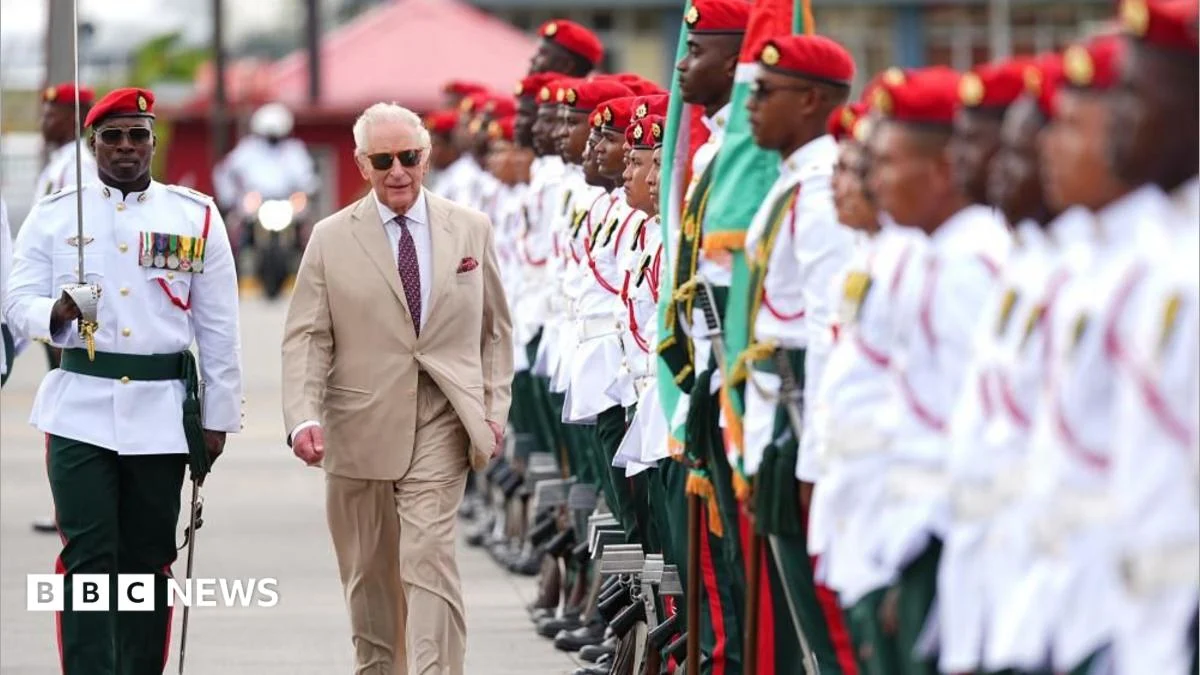
The British sovereign has embarked on a pivotal tour of Caribbean nations, commencing with a meticulously orchestrated engagement in the Bahamas, which Buckingham Palace has characterized as a nuanced diplomatic achievement, preceding his arrival in the cooperative republic of Guyana.
The monarch’s itinerary through the diverse tapestry of the Caribbean archipelago represents a delicate calibration of historical legacy, contemporary geopolitical realities, and future-oriented partnerships. His recent visit to the Commonwealth realm of the Bahamas, described by royal communicators as a "sensitive balancing act," underscored the evolving dynamics between the Crown and its associated nations. This characterization points to the complex interplay of factors inherent in such high-level diplomatic endeavors, including historical redress, the growing discourse around republicanism within several Caribbean states, and the imperative to forge modern, mutually beneficial relationships. The Palace’s assertion of "diplomatic success" suggests that the objectives of reinforcing bilateral ties, engaging with a broad spectrum of civil society, and projecting an image of enduring commitment to the region were largely met.
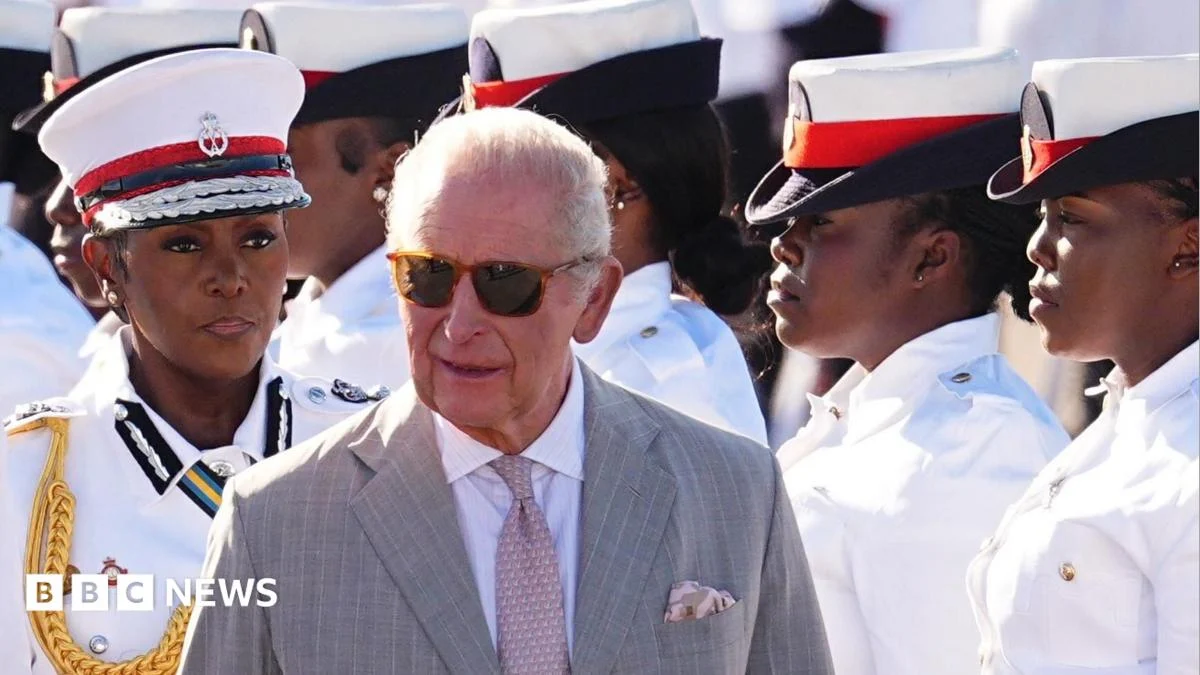
During his two-day sojourn in the Bahamian islands, King Charles III engaged with a wide array of stakeholders, reflecting a concerted effort to connect beyond traditional governmental protocols. Meetings with emerging athletes, prominent environmental advocates, and key political figures demonstrated a comprehensive approach to understanding and acknowledging the nation’s priorities. A particularly notable engagement involved the King’s participation in a Junkanoo parade, a vibrant cultural celebration deeply embedded in Bahamian identity. Such cultural immersions serve as critical instruments of soft power, fostering goodwill and demonstrating respect for local traditions, thereby strengthening intangible bonds. The reported "great wall of cheers" from public interactions highlights the continued resonance of the monarchy among segments of the population, even as discussions around constitutional reform persist across the region. A royal spokesperson underscored the personal connection, stating the islands hold "a special place in the King’s heart," a sentiment designed to reinforce affection and historical continuity.
Following the Bahamian leg, the monarch’s focus shifted to Guyana, a nation undergoing a profound economic transformation. The core themes slated for this two-day state visit are intrinsically linked: environmental stewardship, sustainable development, and the burgeoning commercial linkages between the United Kingdom and Guyana. These thematic pillars are particularly pertinent given Guyana’s unique global position. Over four-fifths of its landmass is enveloped by pristine rainforest, making it a critical global carbon sink and a biodiversity hotspot with one of the lowest rates of deforestation worldwide. This ecological significance aligns directly with King Charles’s long-standing advocacy for environmental protection and climate action, offering a powerful platform for collaborative initiatives.
Simultaneously, Guyana has ascended to the status of the world’s fastest-growing economy, a trajectory catalyzed by the significant discovery of vast offshore oil reserves in 2015. This economic surge presents both unprecedented opportunities and complex challenges. The UK’s emphasis on "growing commercial ties" signals an intent to participate in and contribute to this economic expansion, potentially through investment in energy infrastructure, technology transfer, and diversification efforts beyond the hydrocarbon sector. The visit includes a significant audience with Guyana’s President, Dr. Irfaan Ali, providing a crucial forum for high-level discussions on these multifaceted bilateral interests. Furthermore, a state reception will commemorate the six-decade enduring bilateral relationship between the two nations, providing an occasion to reflect on shared history, current cooperation, and future aspirations.
The historical context of Guyana, formerly British Guiana, adds another layer of significance to this royal engagement. The transition from colonial rule to independent nationhood, and its subsequent membership within the Commonwealth, underscores the evolutionary journey of these relationships. The Commonwealth, often referred to as a "family of nations," provides a framework for ongoing dialogue and collaboration among its 56 member states, many of which share a colonial past with the UK. The King’s role as Head of the Commonwealth places him at the nexus of these diverse relationships, requiring a nuanced approach to diplomacy that acknowledges historical grievances while fostering forward-looking partnerships.
The economic implications of Guyana’s oil boom are profound, not only for the nation itself but also for regional and international stakeholders. While offering immense potential for national development and poverty reduction, the rapid influx of petrodollars also carries inherent risks, including the "Dutch disease" phenomenon, which can lead to overreliance on a single sector and neglect of others. The King’s emphasis on "sustainability" within this context is therefore critically important, signaling a desire to support Guyana in managing its new wealth responsibly, ensuring equitable distribution, and investing in long-term diversified growth and environmental protection. This aligns with broader global efforts to transition towards greener economies, even as resource-rich nations leverage their natural endowments for development. The UK’s engagement can play a role in advocating for best practices in resource governance and environmental safeguards.
Beyond Guyana, King Charles’s tour will extend to Antigua and Bermuda, culminating in his opening of a major Commonwealth leaders’ summit. This gathering will provide a crucial platform for addressing pressing global issues, including climate change, economic resilience, sustainable development goals, and democratic governance. As Head of the Commonwealth, the King’s presence and address will reinforce the institution’s relevance and its collective capacity to tackle shared challenges. The summit also serves as a strategic opportunity for member states to reaffirm their commitment to multilateralism and cooperation in an increasingly complex global landscape.
The tour also features elements of cultural diplomacy, exemplified by the inclusion of a group of bagpipers from the National Piping Centre in Scotland. Such cultural exchanges serve as powerful expressions of soft power, transcending political boundaries and fostering deeper understanding and appreciation between nations. The bagpipers’ participation not only adds a unique cultural dimension to the royal visit but also subtly reinforces the diverse cultural heritage of the United Kingdom within its diplomatic outreach.
The strategic rationale behind this extensive Caribbean tour extends beyond mere ceremonial duties. In a post-Brexit geopolitical environment, the United Kingdom is actively seeking to redefine and strengthen its global alliances. Engagements with Commonwealth nations, particularly those with significant economic potential like Guyana or strategic importance like the island states, are integral to this broader foreign policy objective. The monarchy, through such high-profile visits, acts as a potent instrument of soft power, facilitating diplomatic dialogue, encouraging trade and investment, and reinforcing cultural ties in a manner that traditional governmental channels might find more challenging.
Furthermore, these tours contribute to the ongoing process of defining the future role and relevance of the British monarchy in the 21st century. As debates surrounding republicanism gain traction in some Commonwealth realms, particularly in the Caribbean, royal visits become critical opportunities for demonstrating the monarchy’s adaptability, its commitment to contemporary issues, and its capacity to act as a unifying force. The careful articulation of "diplomatic success" and the emphasis on engagement with diverse societal groups are indicative of a strategic effort to cultivate goodwill and secure the institution’s long-term viability and popularity.
In conclusion, King Charles III’s extensive Caribbean tour, commencing with its "sensitive" and "successful" Bahamian chapter and continuing into the economically dynamic and ecologically vital nation of Guyana, represents a multi-faceted diplomatic endeavor. It meticulously balances historical ties with modern imperatives, addressing environmental sustainability, fostering commercial growth, and reinforcing the cohesive fabric of the Commonwealth. The subsequent engagements in Antigua and Bermuda, leading to the Commonwealth leaders’ summit, will further underscore the strategic importance of this region to the United Kingdom and the enduring, albeit evolving, role of the monarchy in global diplomacy. These visits are not merely ceremonial but are carefully calibrated interventions designed to project influence, foster cooperation, and navigate the intricate geopolitical currents of a rapidly changing world.


 Aura Kasih


 Ayu Aulia
