Safa Marwah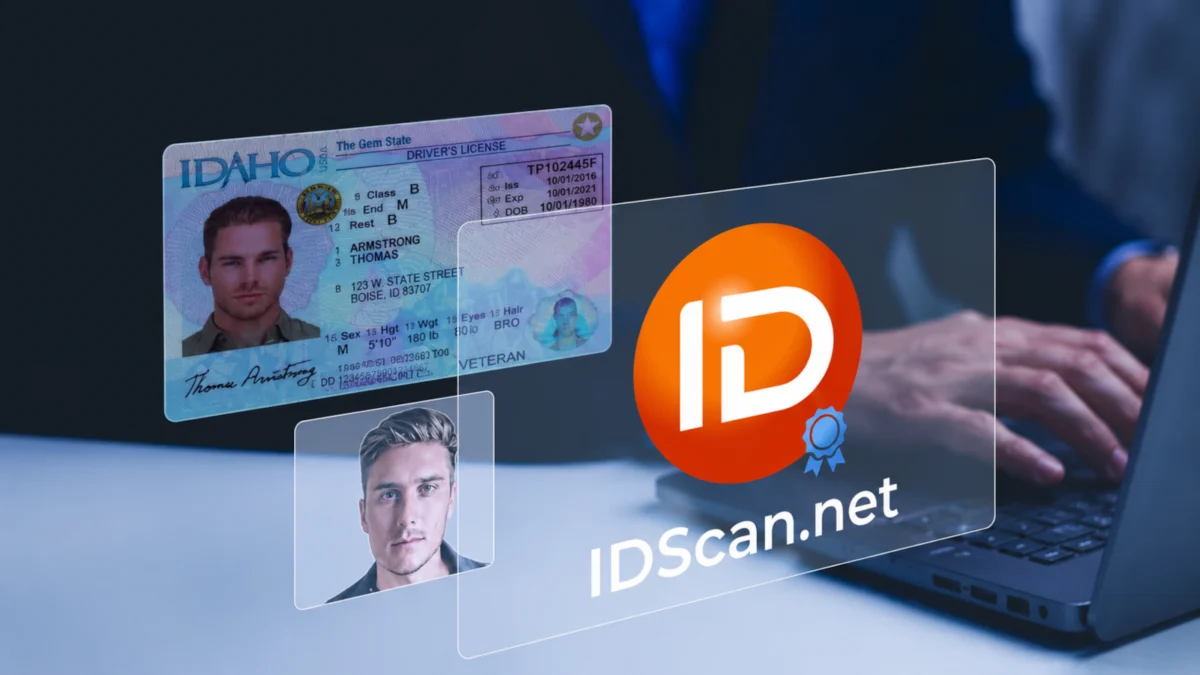
A wave of legal challenges has engulfed IDScan, a prominent identity verification technology provider, following claims that its systems were compromised, leading to the potential exposure of highly sensitive personal data belonging to more than 153 million individuals. This significant cybersecurity incident has triggered multiple lawsuits and a high-level federal investigation, casting a stark spotlight on the vulnerabilities inherent in the digital infrastructure underpinning modern identity authentication.
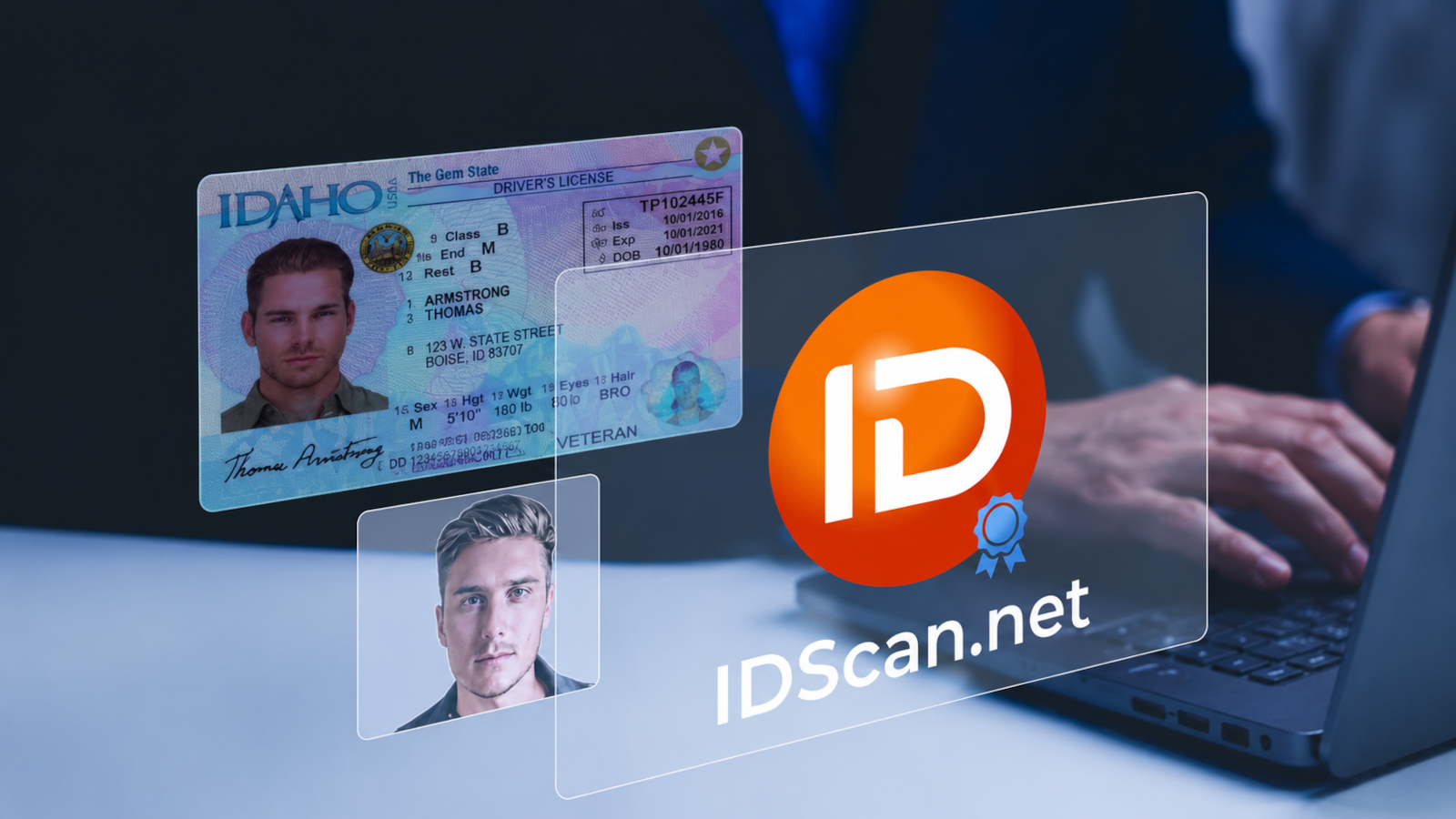
At the core of the unfolding crisis are allegations that IDScan’s network, which processes and stores scans of government-issued identification documents, became the target of a cyberattack. The purported breach subsequently led to a clandestine offering on a dark web marketplace, where a service named "Nexus" advertised access to a vast repository of driver’s licenses and other identification records. The scale of the alleged exposure is staggering, encompassing an estimated 153 million U.S. and Canadian driver’s license scans, alongside millions of other sensitive documents, including ID cards, travel documents, and medical identification. This incident underscores the profound risks associated with centralizing vast quantities of personally identifiable information (PII) and the imperative for robust data security protocols.
The initial revelation of this extensive data cache emerged through investigative reporting, which independently corroborated the existence and authenticity of the leaked data by cross-referencing samples with publicly available records and confirmed identities. The trail of evidence reportedly led back to IDScan, a company whose technological solutions are deeply embedded across a wide spectrum of commercial sectors. From automotive rental agencies and retail establishments to firearms dealers, financial institutions, and the rapidly expanding cannabis industry, IDScan’s systems are utilized to scan, authenticate, and extract information from official identification documents. This pervasive integration means that a compromise of IDScan’s infrastructure could have cascading implications across numerous industries and for a substantial segment of the North American populace.
In response to these grave allegations, several legal entities, including prominent law firms specializing in class-action litigation, have initiated investigations. These firms are actively seeking potential claimants to join prospective class-action lawsuits, asserting that IDScan failed to implement adequate security measures to protect the sensitive information entrusted to it by its business clients and, by extension, the public. The legal actions, primarily filed in Louisiana where IDScan maintains its operational base, contend that the company’s alleged security deficiencies directly resulted in the unauthorized disclosure of private data. While IDScan has yet to issue a public statement addressing the claims, reports indicate that the company commenced notifying some of its corporate customers around the time the allegations first surfaced.
The federal government has also swiftly become involved. The Federal Bureau of Investigation (FBI), through its New Orleans field office, has launched an official inquiry into the incident. This federal engagement signals the serious nature and potential national security implications of a breach affecting such a vast number of official identification documents. While the FBI has confirmed its active investigation, it has refrained from providing further details, citing the ongoing and sensitive nature of its proceedings. Concurrently, the illicit "Nexus" service, which initially facilitated the sale of the compromised data, has reportedly ceased its online operations. However, the discontinuation of the marketplace does not mitigate the threat; the stolen database likely remains in circulation among cybercriminal networks, posing a persistent risk of identity theft and various forms of fraud.
The alleged exposure of such a massive trove of driver’s licenses and other identity documents presents a critical juncture for both individual privacy and corporate accountability. Driver’s licenses, in particular, are foundational documents used for a multitude of verification processes, both online and offline. The data contained within them typically includes names, addresses, dates of birth, license numbers, physical characteristics, and often photographs. In the hands of malicious actors, this information can be leveraged for a wide array of illicit activities, including:
- Identity Theft: Cybercriminals can use this data to open fraudulent bank accounts, apply for credit cards, obtain loans, or even secure employment under false pretenses.
- Synthetic Identity Fraud: Combining real PII with fabricated elements to create new, entirely synthetic identities that are difficult for financial institutions to detect.
- Account Takeovers: Using leaked credentials to gain unauthorized access to existing online accounts.
- Phishing and Social Engineering: The detailed personal information can be used to craft highly convincing phishing attacks, tricking individuals into revealing even more sensitive data or installing malware.
- Fraudulent Document Creation: The scans themselves could potentially be used to create high-quality forged documents, further enabling criminal enterprises.
The legal landscape surrounding data breaches of this magnitude is complex and continuously evolving. Class-action lawsuits, such as those being pursued against IDScan, aim to consolidate claims from numerous affected individuals into a single legal action. These lawsuits typically seek monetary damages for the harm suffered by victims, which can include financial losses, emotional distress, and the ongoing costs of identity theft protection. Beyond financial compensation, they may also demand injunctive relief, compelling the defendant company to implement enhanced security measures to prevent future breaches. The potential for these individual cases to be consolidated into multidistrict litigation (MDL) is high, especially given the national scope of the alleged breach, allowing for more efficient management of discovery and pretrial proceedings.
Moreover, the incident is likely to attract significant attention from state attorneys general and federal regulatory bodies. Drawing parallels to previous high-profile data breaches involving companies like Equifax, Marriott, and 23andMe, it is highly probable that IDScan could face separate investigations and enforcement actions. Regulatory agencies such as the Federal Trade Commission (FTC) and state consumer protection divisions possess broad authority to investigate unfair or deceptive practices, including failures to protect consumer data. These investigations can result in substantial fines, consent decrees mandating specific security improvements, and ongoing oversight. The patchwork of state data breach notification laws further complicates the regulatory environment, requiring companies to adhere to varying reporting requirements across different jurisdictions.
For IDScan, the implications extend far beyond immediate legal and financial penalties. The company’s reputation, built on trust and the assurance of secure identity verification, faces significant damage. In an industry where data integrity is paramount, a perceived failure to protect client and consumer information can have long-lasting effects on market share and client relationships. Businesses that rely on IDScan’s services will also need to assess their own exposure and potentially face scrutiny regarding their due diligence in selecting third-party vendors for sensitive data processing. This situation underscores the critical importance of robust vendor risk management programs, which include thorough security assessments and contractual obligations for data protection.
Looking ahead, this incident serves as another stark reminder of the persistent and escalating threat landscape in cybersecurity. Companies that collect, process, and store large volumes of PII are increasingly attractive targets for sophisticated cybercriminal organizations. The response to this alleged breach will likely influence future industry standards for identity verification services, potentially leading to demands for enhanced encryption, multi-factor authentication, stricter access controls, and more transparent incident response protocols. For individuals, heightened vigilance remains essential. Monitoring credit reports, enabling fraud alerts, and being wary of unsolicited communications are crucial steps in mitigating the risks posed by compromised personal information.
The unfolding situation surrounding IDScan represents a pivotal moment in the ongoing battle for digital privacy and security. The confluence of legal challenges, federal investigations, and the sheer scale of affected individuals highlights the critical need for companies to prioritize cybersecurity as a fundamental business imperative, not merely an IT function. The ultimate resolution of these allegations will undoubtedly shape future expectations for data custodians and reinforce the profound consequences of failing to safeguard the sensitive digital identities of millions.




 Lisa Mariana
 Aura Kasih
 Ayu Aulia