
 Ayu Aulia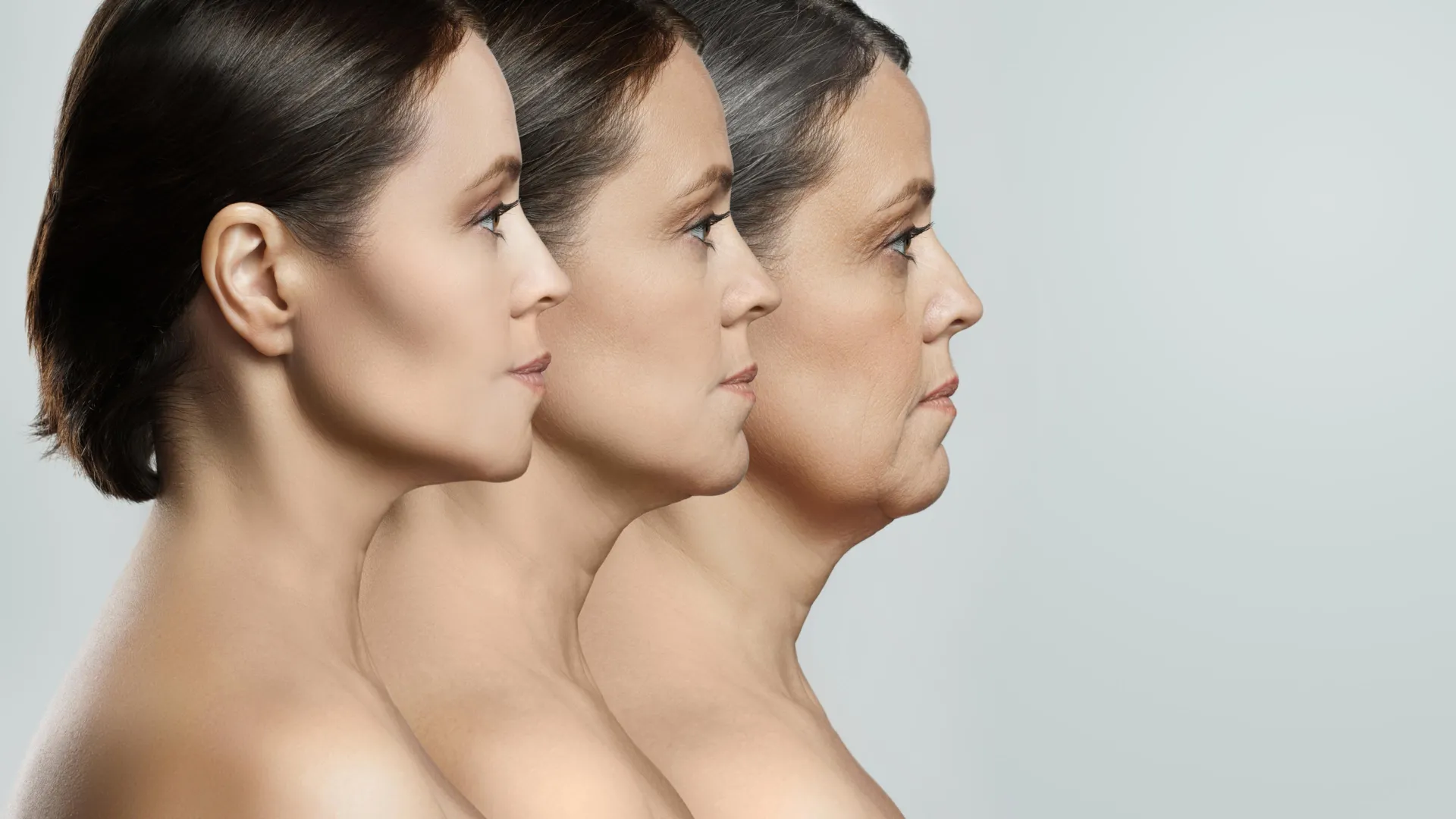
A significant shift in cancer epidemiology, marked by an increasing incidence among younger adults, is compelling researchers to explore novel explanations beyond conventional risk factors, with recent findings pointing to the acceleration of biological aging as a pivotal underlying mechanism. Traditionally regarded as a malady predominantly affecting older populations, cancer’s association with cellular damage accumulated over a lifetime has long been a cornerstone of oncological understanding. However, contemporary demographic trends reveal a troubling deviation: successive generations are confronting an elevated risk of cancer diagnoses at progressively younger ages. This counterintuitive phenomenon challenges established paradigms and necessitates a deeper investigation into the dynamic interplay between human biology and modern environments.
The burgeoning evidence suggesting that younger cohorts are experiencing a faster pace of biological deterioration, manifesting as an accelerated aging process at a cellular and systemic level, has become a focal point of intensive scientific inquiry. This provocative hypothesis posits that while chronologically young, the physiological systems of these individuals may be exhibiting characteristics typically associated with advanced age, thereby increasing their vulnerability to diseases like cancer. A landmark study conducted by researchers at Washington University School of Medicine in St. Louis has provided compelling empirical support for this theory, demonstrating that contemporary generations exhibit measurable markers of more rapid biological aging compared to their predecessors when assessed at comparable chronological ages.
Distinguishing between chronological age and biological age is fundamental to grasping the implications of these findings. Chronological age is a simple metric, denoting the duration of an individual’s existence since birth. Biological age, conversely, represents a more nuanced measure of the body’s physiological state, reflecting the cumulative impact of genetic predispositions, lifestyle choices, environmental exposures, and intrinsic biological processes on cellular and organ function. It quantifies how "old" the body truly is, irrespective of the number of years lived, by evaluating a spectrum of biomarkers related to cellular senescence, metabolic health, immune function, and organ integrity. This disparity, often termed the "age gap," is proving to be a critical indicator of health trajectories and disease susceptibility.
The research indicates a direct correlation between an enlarged gap—where biological age significantly surpasses chronological age—and a heightened propensity for early-onset cancers, defined as diagnoses occurring at or before the age of 55. This generational divergence suggests that individuals born in more recent decades tend to exhibit a more pronounced age gap, signifying bodies that appear biologically older than their actual years, thereby contributing to the observed surge in cancer cases among younger demographics. This insight represents a substantial advancement in understanding the complex etiology of early-onset malignancies, moving beyond a sole focus on individual risk factors to a more holistic view of systemic physiological changes.
Furthermore, the investigation revealed that the pace of aging does not uniformly affect all bodily systems. Instead, specific organ systems can exhibit accelerated aging independently, and these localized biological shifts are intimately linked to particular cancer types. For instance, an immune system displaying signs of advanced biological age was found to be significantly associated with an elevated risk of early-onset lung cancer. Similarly, adipose (fat) tissue that appeared biologically older correlated with an increased likelihood of early-onset colorectal cancer. These specific connections underscore the intricate and multifaceted nature of biological aging and its organ-specific consequences, offering crucial insights into potential pathways of carcinogenesis. The findings, published in the esteemed journal Nature Medicine, lay a robust foundation for future research and clinical applications.
The practical implications of these discoveries are profound, holding the potential to revolutionize early cancer detection and prevention strategies. By identifying individuals who exhibit accelerated biological aging profiles while they are still ostensibly healthy, clinicians could implement highly personalized and proactive interventions. This paradigm shift would enable the initiation of targeted screening protocols, lifestyle modifications, or preventative therapies long before symptomatic disease manifests, thereby maximizing the chances of preventing cancer development or detecting it at its most treatable stages. As articulated by Dr. Yin Cao, a molecular epidemiologist and associate professor of surgery and medicine at Washington University School of Medicine, the overarching objective is to decipher the mechanisms by which modern environmental factors embed themselves biologically to drive cancer risk, transitioning cancer prevention from generalized guidelines to precision-based, individualized strategies.
Prior research by Dr. Cao’s team has meticulously examined numerous established risk factors influencing cancer development across a lifespan, including factors such as obesity, metabolic dysregulation, alcohol consumption, sedentary lifestyles, suboptimal dietary quality, and even delivery methods like cesarean sections. While each of these elements offers valuable insights into the genesis of early-onset cancers, no single factor has been sufficient to comprehensively account for the observed pervasive upward trend. This realization prompted Dr. Cao and her collaborators, including researchers from the Siteman Cancer Center, to seek a broader, integrative framework for quantifying the cumulative impact of diverse influences on cancer susceptibility over time. The support garnered from Cancer Grand Challenges, a global initiative co-founded by the National Cancer Institute (NCI) and Cancer Research UK, has been instrumental in enabling Dr. Cao, as co-lead of Team PROSPECT, to pursue this complex inquiry on an unprecedented international scale.
To execute this ambitious study, researchers meticulously analyzed extensive datasets from two prominent biobanks. The first comprised data from over 154,000 young adults enrolled in the UK Biobank, a rich repository of biological, health, and lifestyle information. The second dataset involved more than 10,000 participants from the United States, drawn from the National Institutes of Health’s (NIH) All of Us Research Program, an ambitious initiative designed to construct a comprehensive health database encompassing over one million individuals across the U.S. These diverse and large-scale cohorts provided a robust platform for investigating subtle yet significant generational trends in biological aging.
The methodology employed to quantify biological aging involved a dual approach, evaluating both systemic and organ-specific aging. For systemic aging, which gauges the overall pace of aging across the entire body, the research team, led by first author Ruiyi Tian, a doctoral student in the Cao lab, utilized established computational models. These included PhenoAge, a widely recognized algorithm that leverages nine blood biochemistry markers—such as albumin (produced by the liver) and creatinine (a kidney waste product)—to estimate biological age. The Klemera-Doubal Method, another validated approach, was also applied. Furthermore, a metabolomic age score was incorporated, designed to capture age-related patterns within an individual’s metabolic profile, offering a comprehensive assessment of systemic biological wear and tear.
For assessing organ-specific aging, the researchers turned to blood proteomic data. This sophisticated technique involves measuring the levels of thousands of proteins circulating in the bloodstream, many of which are specifically associated with the function and health of particular organ systems. By analyzing these protein patterns, the team was able to derive estimates of the biological age of individual organs, providing granular insights into which systems were aging more rapidly than others. The systemic and organ-specific age metrics were then compared against chronological age to calculate the age gap for each participant. These differences were then aggregated by birth cohort, and standard deviation was used to quantify the generational shifts, illustrating how far each group diverged from the overall study average in terms of biological age.
The generational discrepancies in biological aging were strikingly consistent across both the UK and U.S. populations. Among UK participants, individuals born between 1965 and 1974 exhibited systemic aging profiles that were, on average, 23% of one standard deviation higher than those born between 1950 and 1954, even after meticulously controlling for chronological age. This statistically significant difference indicates a measurable acceleration in biological aging in the younger cohort. The U.S. data revealed an even more pronounced trend: participants born between 1990 and 1999 demonstrated systemic aging that was 92% of one standard deviation higher than those born between 1965 and 1969. Such substantial generational shifts underscore a pervasive and accelerating trend in biological age advancement.
Crucially, the researchers established a clear link between these accelerated biological aging profiles and cancer risk. A greater degree of systemic aging in the younger cohorts was associated with an 8% increased risk of developing early-onset solid cancers. The strongest associations were observed for lung, gastrointestinal, and uterine cancers, highlighting particular vulnerabilities. When the participants were stratified into three groups based on their level of systemic aging, a compelling pattern emerged: individuals in the group with the most advanced systemic aging faced a 15% increased risk of early-onset solid cancer compared to those exhibiting the least advanced aging. This association remained robust even after accounting for inherited genetic predispositions to cancer and genetic susceptibility to accelerated aging, reinforcing the independent predictive power of biological age.
The investigation into individual biological systems provided even more precise correlations. Accelerated aging of the immune system was specifically linked to a higher risk of early-onset lung cancer, suggesting that compromised immune surveillance or chronic inflammation might play a role in pulmonary carcinogenesis in younger individuals. Similarly, advanced aging of adipose tissue was strongly associated with an increased risk of early-onset colorectal cancer, pointing towards metabolic dysfunction and altered adipokine signaling as potential drivers. As Dr. Cao emphasized, the ability to identify younger individuals at exceptionally high cancer risk while they are still healthy presents an unparalleled opportunity for implementing highly focused prevention and early-detection strategies.
This extensive research is integral to Team PROSPECT, a Cancer Grand Challenges initiative co-led by Dr. Cao. Cancer Grand Challenges is a globally recognized research funding program, collaboratively established by Cancer Research UK and the NCI, designed to unite multidisciplinary scientists from around the world to address the most intractable problems in cancer research. Explaining the global rise of early-onset cancers stands as one of these formidable challenges. Dr. David Scott, director of Cancer Grand Challenges, highlighted that while a definitive answer to the drivers of early-onset cancer remains elusive, studies of this magnitude are crucial for assembling a comprehensive understanding. These findings suggest that cancer development is influenced not solely by intracellular changes but by broader, systemic physiological shifts across the entire organism.
Dr. Cao and her team are now meticulously exploring the underlying reasons for cancer’s increasing prevalence among younger generations. A primary area of focus is elucidating how contemporary environmental factors, lifestyle patterns, and societal influences collectively engrave long-lasting biological marks on the body. These biological imprints could manifest as accelerated aging or other vulnerabilities that predispose individuals to disease. By meticulously charting the accumulation of these risks throughout an individual’s life course, researchers aim to unveil the precise biological origins of early-onset cancers. The ultimate aspiration extends beyond mere comprehension: it is to identify individuals at elevated risk proactively, while they are still healthy, thereby enabling a transformative shift in cancer care toward proactive prevention and tailored interventions, stopping disease before it ever begins. This monumental endeavor promises to redefine the landscape of cancer prevention and treatment for future generations.



 Lisa Mariana
 Aura Kasih


 Safa Marwah