Aura Kasih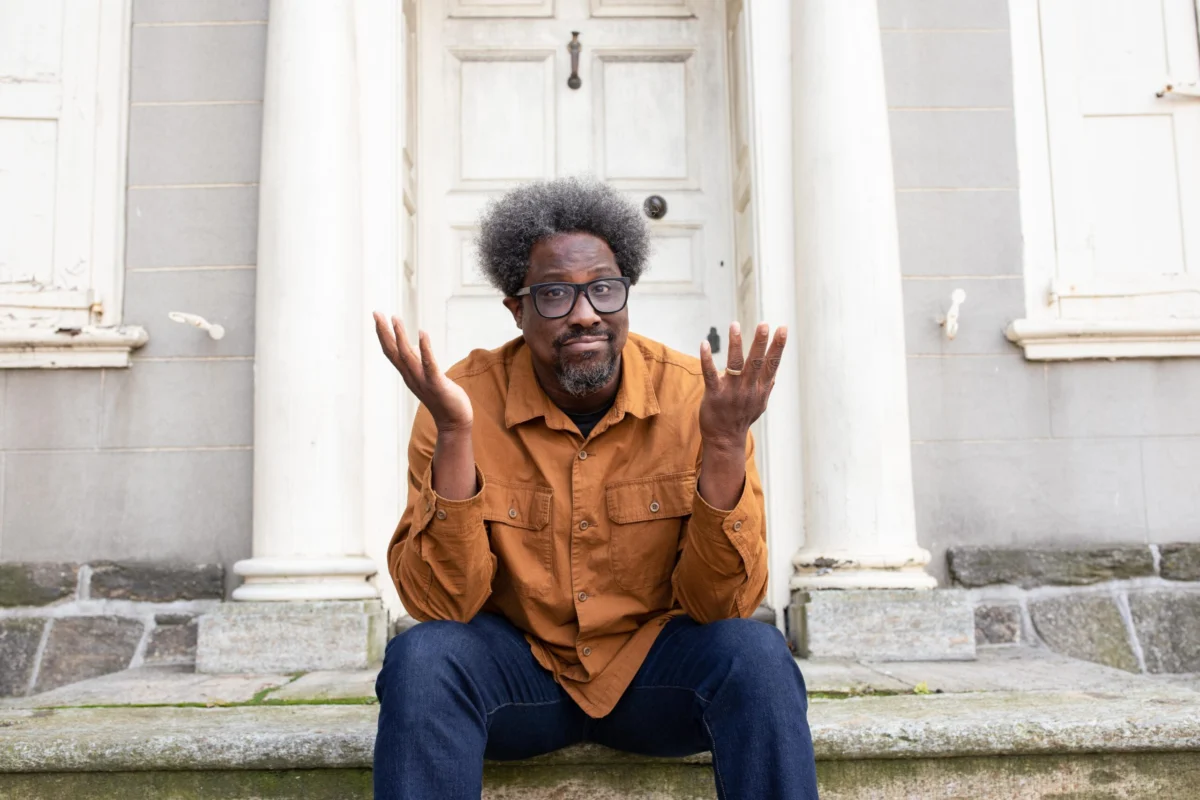
In the ever-evolving landscape of digital connectivity and content creation, comedian, host, and activist W. Kamau Bell identifies a surprisingly humble yet profoundly essential item as his most indispensable tool: a charger. This assertion, made amidst his multifaceted career encompassing acclaimed television series like "United Shades of America," impactful documentaries such as "We Need to Talk About Cosby," and his thriving podcast and Substack, "Who’s With Me," underscores a fundamental truth about our reliance on modern technology. Bell, a recipient of prestigious accolades including a Peabody Award and multiple Emmys, and a celebrated figure known for his astute blend of humor, social commentary, and political engagement, offers a perspective that transcends the allure of cutting-edge gadgets, grounding his technological needs in pure, unadulterated functionality.
Bell’s prolific output, which includes his podcast, a national comedy tour, a popular Substack newsletter, and the upcoming children’s book "Rock Paper Scissors Cheese," alongside the significant role of fatherhood, paints a picture of a perpetually engaged individual. It is within this demanding schedule that his choice of a charger as the paramount tool gains significant weight. His explanation – "All of this is just shiny paperweights without a charger" – is a stark reminder that even the most sophisticated devices are rendered inert without a consistent power source. This perspective is not merely anecdotal; it reflects a broader societal dependency on portable electronics, where battery life and the availability of charging infrastructure have become critical determinants of productivity and connectivity.
The Digital Ecosystem and the Indispensable Charger
The modern digital ecosystem is built upon a foundation of interconnected devices, each demanding a constant influx of energy. From smartphones and laptops to tablets and smartwatches, these instruments are the conduits through which individuals consume information, communicate, create content, and manage their daily lives. Bell’s identification of the charger as his most indispensable tool highlights the symbiotic relationship between these devices and their power sources. Without the charger, the vast potential of these technologies remains unrealized, transforming expensive, sophisticated hardware into mere decorative objects.
This reliance on chargers extends beyond individual convenience; it has significant implications for infrastructure and planning. The proliferation of charging stations in public spaces, the development of faster and more efficient charging technologies, and the ongoing research into battery longevity are all testaments to the central role of power accessibility in our technologically driven society. Bell’s straightforward acknowledgment of this fundamental need positions the charger not as a mere accessory, but as the linchpin of his digital engagement.
Navigating the Digital Landscape: Apps, Platforms, and Preferences
Bell’s engagement with technology is further illuminated by his thoughts on digital applications and platforms. He expresses a particular affinity for map applications, lamenting the perceived decline in quality from historical players like MapQuest and expressing disdain for what he characterizes as "Trump Billionaire guys’" apps, specifically citing their alleged inaccuracies in geographical labeling. This critique, while delivered with characteristic humor, touches upon the broader issues of data integrity, bias in digital interfaces, and the politicization of even seemingly neutral technologies. The accuracy and neutrality of mapping services are crucial for navigation, logistics, and even for a basic understanding of global geography, making Bell’s frustration a valid concern for many users.
When it comes to initial device setup, YouTube emerges as Bell’s immediate go-to. He humorously suggests that the constant influx of information and entertainment from the platform prevents him from being solely occupied with his own thoughts, a sentiment that resonates with the way many individuals use digital media to supplement or stimulate their cognitive processes. The ubiquity of user-generated content and professional productions on YouTube has cemented its position as a primary source of information, education, and entertainment, making it a logical first installation for anyone seeking to engage with the broader digital world.
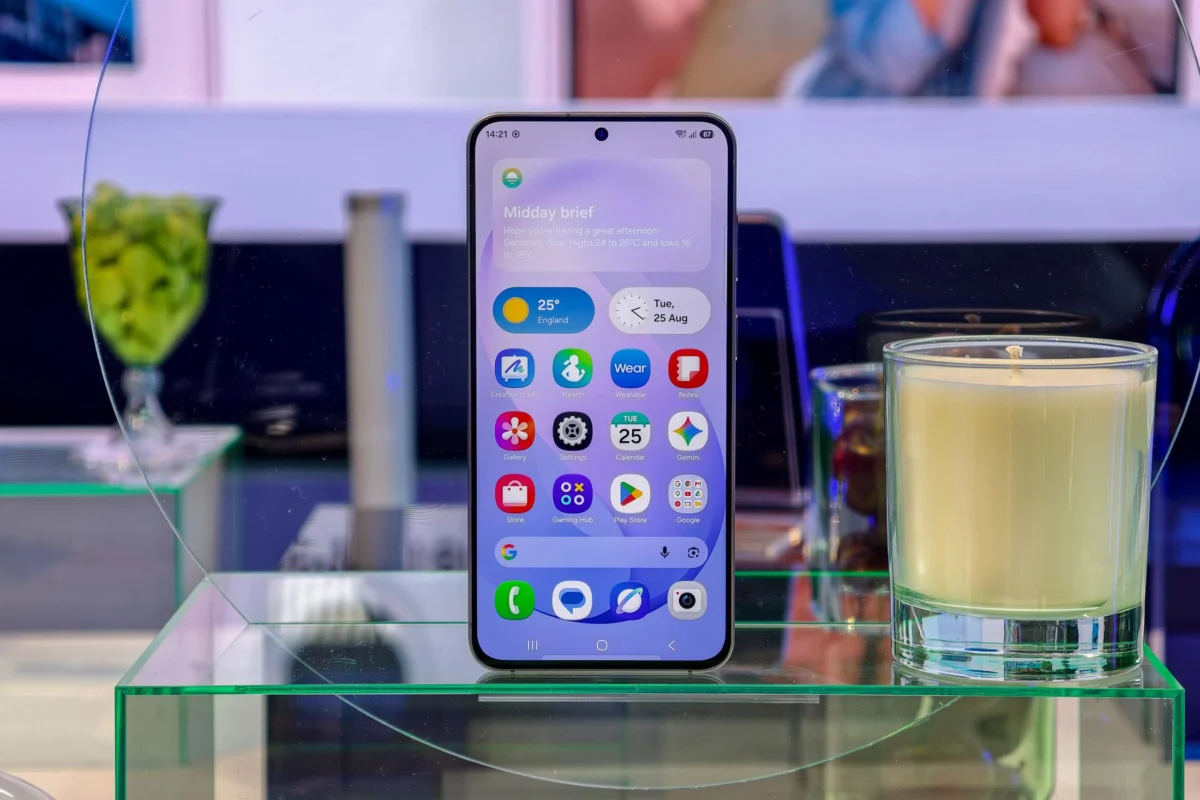
Bell’s desire for phones to come pre-equipped with protective cases and screen protectors speaks to a common user frustration with the perceived fragility of modern smartphones and the perceived complexity or hassle of aftermarket protection. His reluctance to engage with phone store employees for this service, and his suspicion of it being a "scam," reflects a broader trend of user autonomy and a desire for integrated, hassle-free solutions.
The sheer volume of open browser tabs – 17 across two windows, with the potential to reach 30 when writing – underscores Bell’s intensive research and content creation process. This habit, while potentially overwhelming for some, signifies a deep dive into various sources and information streams necessary for his work. The practice of only closing tabs after publishing an article suggests a methodical approach to information gathering and synthesis, where each open window represents an unresolved thought or a resource yet to be fully utilized.
Social Media’s Shifting Tides and Bell’s Calculated Engagement
Bell’s commentary on social media platforms offers a particularly incisive perspective on the current digital social sphere. He credits Elon Musk’s stewardship of Twitter with inadvertently freeing him from an unhealthy addiction, framing this disruption as a positive life improvement. This sentiment, while facetious, points to the potential for platform changes to disrupt user habits and encourage reevaluation of digital engagement. Bell’s current focus on Instagram and Threads, while acknowledging the role of Meta’s CEO, Mark Zuckerberg, highlights the pragmatic need for public-facing individuals to maintain a presence on these platforms. His generation’s history of abandoning platforms like MySpace and Friendster serves as a subtle warning, suggesting that user loyalty is not absolute and that platform evolution or perceived missteps can lead to significant user migration. This historical perspective offers valuable insight into the ephemeral nature of digital trends and the importance of user-centric design and ethical considerations in platform development.
His "happy place online" is found in the consumption of niche content – specifically, the latest Japanese videos on YouTube and shared viewing of "Lionfield" videos with his daughter on Instagram. These choices highlight a preference for engaging, often visually driven content, and the importance of shared digital experiences within family life. This indicates a deliberate curation of online experiences that blend personal interest with intergenerational connection.
Gadgets, Games, and the Ghosts of Tech Past
Reflecting on his relationship with gadgets, Bell’s fondest memory is of a distinctive Afro pick with an extra-long metal handle and a fist grip, a testament to a tool that served a specific cultural and personal need. Conversely, his most disappointing gadget experiences include an Afro comb that failed to live up to its claims, purchased via Shark Tank, and the nostalgic disappointment of "X-ray specs" from comic books. These anecdotes illustrate the gap that can exist between marketing promises and functional reality, and the lingering allure of novelty items that often fall short of expectations.

His fondest gaming memories are split between the strategic depth of "Civilization" on PC and the competitive sports simulation of "NBA Live" on Sega Genesis, specifically mentioning "NBA Live ’95." These choices reveal a dual appreciation for immersive, long-term engagement and nostalgic, early-era digital entertainment. The mention of his age in relation to these games is a lighthearted acknowledgment of generational shifts in technology and entertainment.
The Specter of AI and the Lingering Wish for "Flappy Bird"
Bell’s stark pronouncement that he wishes AI would "go away" places him in opposition to one of the most significant technological advancements of the current era. This sentiment, while potentially rooted in concerns about job displacement, ethical implications, or the perceived soullessness of artificial intelligence, represents a significant counterpoint to the pervasive enthusiasm surrounding AI development. His desire to have created "Flappy Bird" and to have allowed it to flourish, rather than be deleted, speaks to a fascination with viral phenomena and the potential for simple, engaging applications to achieve massive success. The hypothetical scenario of "eight Flappy Bird movies" and surpassing the cultural impact of the "Minions" franchise underscores his recognition of the power of successful digital products to transcend their origins and achieve broad cultural penetration.
The Ultimate Creation and the Wisdom of Experience
In a profound shift from technological artifacts, Bell identifies his three daughters as his most cherished creation, a collaborative project that transcends any material endeavor. This declaration underscores the prioritization of personal relationships and family over professional achievements or technological innovations.
The most impactful advice he has received, "Don’t think you are going to make it just by doing stand-up comedy. You need to learn how to write other things," from Kevin Kataoka, highlights the crucial importance of versatility and the development of diverse skill sets in a creative career. This advice is particularly relevant in the contemporary media landscape, where multi-platform engagement and the ability to adapt to evolving communication channels are paramount for sustained success.
Current Obsessions and Strategies for Focus and Flow
Bell’s current obsession with the NBA off-season, which he finds more engaging than the actual season even with the Knicks’ success, reveals a keen interest in sports strategy and the narratives that unfold beyond the immediate competition. This speaks to a fascination with the underlying dynamics and the broader context of athletic pursuits.
When seeking to focus, Bell relies on coffee and "extreme quiet," a need for uninterrupted solitude that allows him to engage with YouTube content while working. His preference for the middle of the night for focused work, tempered by the practical demands of co-parenting, illustrates the constant negotiation between personal productivity needs and familial responsibilities. The desire for his wife and children to share a synchronized awake schedule highlights the relational dynamics that shape his work habits.
When feeling stuck, Bell employs a dual strategy: changing his music or immersing himself in free mobile games available on YouTube for extended periods. This suggests an understanding that creative blocks can be overcome through shifts in sensory input or by engaging in low-stakes, diverting activities that allow the mind to reset.
The Unwavering Digital Tether and the Tangible Past
Bell’s emphatic response to the question of going somewhere without his phone – "Excuse me? EXCUSE ME??? WHY WOULD I DO THAT?" – unequivocally solidifies his position as a digitally integrated individual. This rhetorical question highlights the perceived impossibility, or at least extreme improbability, of him voluntarily disconnecting from his primary tool of communication, information, and connection.
His last purchase of physical media, Fishbone’s first EP from Mars Records in Oakland, signifies a deep appreciation for tangible music formats and a connection to his musical roots. The acknowledgment that he "should really buy a record player" suggests a desire to bridge the gap between his appreciation for vinyl and the practical means to experience it, a sentiment shared by many audiophiles.
Bell advises splurging on a new computer when the need arises, emphasizing the critical role of reliable hardware in facilitating productivity and creative output. The tagline for his hypothetical biopic, "Doing the best he can," offers a self-aware and humble summation of his life’s work, acknowledging the inherent challenges and ongoing efforts involved in navigating a complex world.
The final piece of digital ephemera shared is a GIF, the specific context of which is not elaborated upon, but its inclusion signifies the pervasive use of visual shorthand in contemporary digital communication. This final element reinforces the overarching theme of Bell’s deeply integrated, yet pragmatic, approach to the digital realm, where even the most fundamental tools like a charger are recognized as the bedrock of his expansive and impactful career.


 Lisa Mariana
 Safa Marwah
 Ayu Aulia