Aura Kasih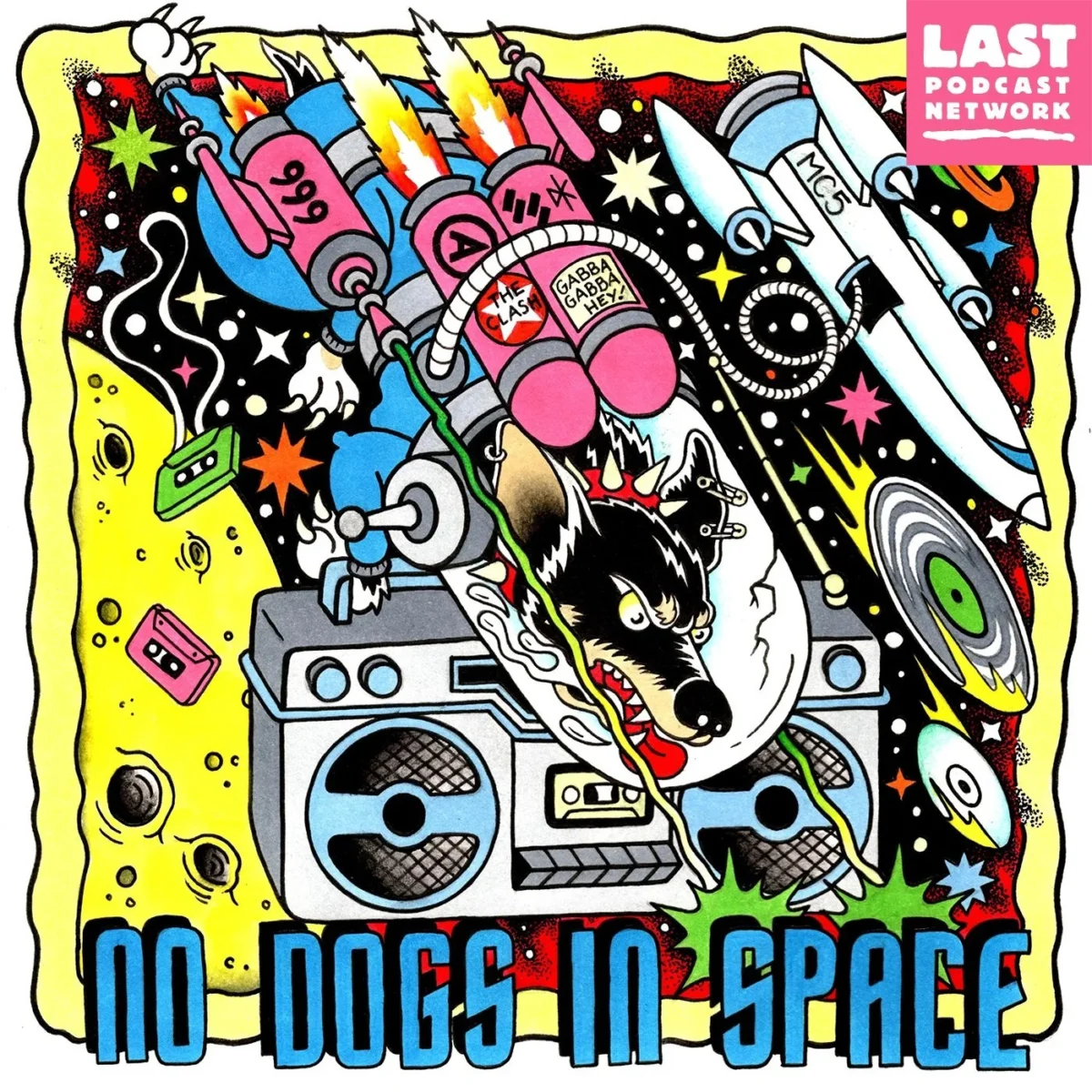
A groundbreaking podcast dedicated to the most fervent music aficionados, "No Dogs in Space" has carved a unique niche by meticulously dissecting the careers and cultural impact of influential artists and genres, leaving listeners with a profound understanding of music’s intricate tapestry.
The podcast, a brainchild of the accomplished duo Marcus Parks, known for his work on "The Last Podcast on the Left," and his wife, Carolina Hidalgo, has garnered a devoted following among those who possess an insatiable appetite for the minutiae of music history. "No Dogs in Space" transcends the typical biographical approach, instead opting for an exhaustive, multi-episode examination of its chosen subjects. This dedication to depth allows for an unparalleled exploration of sonic evolution, artistic intent, and the socio-cultural contexts that shaped groundbreaking musical movements.
Season three, which concluded in July 2024, offered a compelling, albeit truncated, exploration of experimental rock, with a particular focus on the groundbreaking work of Can. This series, while shorter than its predecessors, hinted at a broader immersion into the avant-garde soundscapes of Krautrock, a genre rich with innovation and often overlooked in mainstream historical narratives. The anticipation for a more extensive delve into this influential German music scene was palpable among the podcast’s dedicated listener base. However, the season’s conclusion left a void, with hosts Parks and Hidalgo signaling a potential return to the punk rock territory that formed the bedrock of the podcast’s inaugural season, leaving a lingering question mark over the future trajectory of their sonic investigations.
For the true music obsessive, "No Dogs in Space" represents an essential audio resource. Across its seventy-three episodes, the husband-and-wife team embarks on extensive journeys through the discographies and legacies of artists such as the Beastie Boys, The Velvet Underground, and Joy Division, among many others. Even for listeners who believe they possess a comprehensive understanding of iconic bands like The Stooges, the podcast consistently unearths novel insights and previously unexamined details. This commitment to thoroughness ensures that even the most seasoned music historian will find new avenues of discovery within its extensive catalog.
The podcast’s methodology is characterized by its commitment to extended, multi-part series dedicated to singular subjects. These deep dives are not mere superficial overviews; they are exhaustive explorations that can span multiple hours and numerous episodes. For instance, the podcast’s two-part introduction to Krautrock, which prominently features the seminal band Amon Düül II, extends beyond three hours, a relatively concise example within the show’s oeuvre. More expansive explorations, such as the nearly nine-hour series on The Replacements and an even longer deep dive into the Beastie Boys, exemplify the podcast’s dedication to providing an unparalleled level of detail and context.
Remarkably, despite the extensive duration of these sonic examinations, the narrative never falters in its ability to captivate. Parks and Hidalgo expertly weave together meticulously researched, script-driven segments with spontaneous, improvisational discussions. This dynamic interplay, a hallmark of their on-mic chemistry, fosters an engaging and dynamic listening experience. Their relationship as a married couple translates into an authentic and compelling rapport, making complex musical histories accessible and enjoyable. Furthermore, in a demonstration of journalistic integrity and a commitment to scholarly rigor, "No Dogs in Space" consistently provides comprehensive source citations at the conclusion of each episode. This practice empowers listeners to delve deeper into primary source materials, conduct their own independent research, and verify the factual underpinnings of the presented narratives.
While the official status of "No Dogs in Space" remains somewhat fluid, indications suggest that the podcast’s narrative arc is far from complete. Recent public statements by Carolina Hidalgo have expressed a strong desire to continue producing episodes, and discussions regarding the show’s potential revival have surfaced during live streaming events. However, as of the current writing, the highly anticipated "Punk Rock 2.0" series, a prospect that has generated considerable excitement among fans, has yet to materialize. This ongoing anticipation underscores the podcast’s significant impact and the loyal following it has cultivated.
The impact of "No Dogs in Space" extends beyond mere entertainment; it serves as a vital educational tool for aspiring musicians, music historians, and casual listeners alike. By dissecting the evolution of musical genres, the creative processes of artists, and the cultural forces that shaped sonic landscapes, the podcast offers invaluable insights into the complex and interconnected nature of music. The exhaustive research and detailed analysis presented in each episode provide a rich foundation for understanding not only the music itself but also the historical, social, and technological contexts that influenced its creation and reception.
The podcast’s exploration of Krautrock, for example, is not simply an academic exercise; it is an invitation to understand a genre that fundamentally altered the course of experimental music worldwide. Krautrock, emerging from post-war Germany, was characterized by its rejection of traditional rock structures, its embrace of electronic experimentation, and its often politically charged lyrical content. Bands like Can, Kraftwerk, and Neu! were pioneers, pushing the boundaries of what was considered possible within the rock idiom. "No Dogs in Space" meticulously unpacks the influences and innovations of these artists, revealing how their work laid the groundwork for subsequent genres such as post-punk, ambient, and electronic dance music. The podcast’s in-depth examination of Can, a band renowned for its improvisational prowess and its unique blend of rock, funk, and avant-garde elements, provides a compelling case study of artistic innovation and resilience.
Similarly, the podcast’s extensive coverage of punk rock, the subject of its first season, offers a nuanced perspective on a genre often oversimplified. While punk is frequently characterized by its raw energy and anti-establishment ethos, "No Dogs in Space" delves into the diverse regional scenes, the ideological underpinnings, and the lasting legacy of this influential movement. The detailed exploration of bands that defined the punk era, coupled with an analysis of the social and political climates in which they emerged, provides a comprehensive understanding of punk’s multifaceted impact. The anticipation for a potential "Punk Rock 2.0" series suggests a desire to explore the genre’s evolution, its influence on subsequent waves of music, and its enduring relevance in contemporary culture.
The success of "No Dogs in Space" can be attributed to several key factors. Firstly, the hosts’ genuine passion for their subject matter is infectious. Their enthusiasm for uncovering obscure details and sharing fascinating anecdotes makes even the most complex musical histories engaging. Secondly, the podcast’s commitment to rigorous research and factual accuracy lends it an air of authority. By providing source materials, Parks and Hidalgo encourage critical engagement and foster a deeper appreciation for the investigative nature of music history. Finally, the unique chemistry between Parks and Hidalgo creates a dynamic and relatable listening experience. Their conversational yet informed style allows listeners to feel as though they are participating in an engaging discussion with knowledgeable friends.
The implications of "No Dogs in Space" extend beyond the realm of music fandom. In an era where information is often consumed in bite-sized, superficial formats, the podcast’s dedication to in-depth exploration serves as a valuable counterpoint. It demonstrates the power of sustained attention and critical analysis in understanding complex subjects. By encouraging listeners to engage with music history on a deeper level, the podcast fosters a more informed and appreciative audience.
Looking ahead, the potential for "No Dogs in Space" to continue its sonic explorations remains a subject of keen interest. The podcast has established a proven formula for success, and the vast landscape of music history offers an endless supply of compelling subjects. Whether the focus shifts to other influential genres, overlooked artists, or thematic explorations of musical trends, the dedication to depth and authenticity that has defined the show thus far is likely to remain its guiding principle. The possibility of future seasons exploring the rich histories of genres such as hip-hop, jazz, or even more niche experimental movements holds immense promise for both the hosts and their dedicated audience. The return of a "Punk Rock 2.0" series, in particular, could offer a fresh perspective on the genre’s continued evolution and its impact on contemporary music, providing a vital bridge between the past and the present.
"No Dogs in Space" is readily accessible on a wide array of podcast platforms, ensuring that its extensive library of sonic explorations is available to a global audience. Prominent platforms such as Apple Podcasts, Pocketcasts, and Spotify are among the many avenues through which listeners can embark on their own journeys through the captivating world of music history as curated by Marcus Parks and Carolina Hidalgo. This widespread availability further solidifies the podcast’s position as a leading resource for serious music enthusiasts worldwide.




 Lisa Mariana
 Safa Marwah
 Ayu Aulia