Safa Marwah
A sophisticated and evolving wave of cyberattacks has been meticulously traced to UNC6671, a persistent and aggressive extortion syndicate. This group, which previously operated under the "BlackFile" moniker, has been systematically targeting prestigious financial entities, including prominent hedge funds and private-equity firms, employing highly deceptive voice phishing (vishing) techniques to breach robust corporate defenses. The meticulous coordination and advanced tactics observed underscore a significant escalation in the threat landscape for high-value financial sector organizations.
The latest intelligence, corroborated by leading financial news outlets and cybersecurity researchers, confirms that several top-tier financial players, such as Point72 Asset Management, Millennium Management, Two Sigma Investments, and Citadel, have fallen victim to these targeted intrusions. These incidents highlight a critical vulnerability at the intersection of human factors and increasingly complex cloud-based infrastructures. The modus operandi involves social engineering employees to inadvertently grant threat actors unauthorized access to sensitive internal systems, primarily by exploiting multi-factor authentication (MFA) mechanisms through an "adversary-in-the-middle" (AiTM) phishing framework.
The Genesis and Evolution of UNC6671’s Operational Framework
Google’s Threat Intelligence Group (GTIG), a leading authority in tracking sophisticated cyber threats, has formally attributed these coordinated vishing campaigns to UNC6671. This designation reflects a distinct and unified intrusion group, despite its operational fluidity and strategic rebranding. Initially gaining notoriety under the "BlackFile" banner in February 2025, the group’s early activities focused predominantly on the retail and hospitality sectors. This initial phase, characterized by data theft and subsequent extortion, established a foundation for the group’s financial motivations and technical capabilities.
However, a notable and strategic pivot occurred in July 2026, when UNC6671 shifted its crosshairs dramatically towards more lucrative targets within the financial and legal domains. This strategic redirection encompassed private-equity firms, hedge funds, major law firms, and financial-rating agencies, moving away from its previous engagements in manufacturing, healthcare, real estate, technology, transportation, and hospitality. This calculated evolution in targeting reflects a clear intent to maximize financial returns, recognizing the immense value inherent in the proprietary data, intellectual property, and market-sensitive information held by these elite institutions.

The group’s operational versatility is further evidenced by its adoption of multiple public brands beyond "BlackFile," including "Redact," "Pink," "Helix," and "Falcon." This diversification is not merely a cosmetic change but a tactical maneuver aimed at obfuscating their singular identity, potentially to evade detection, compartmentalize their operations, or even to create a perception of a broader, more fragmented threat landscape. Despite these various public-facing aliases, GTIG maintains a confident assessment that a singular, cohesive core intrusion group is orchestrating the sophisticated helpdesk vishing and subsequent cloud data exfiltration across all these distinct brands. This unified intelligence underscores the formidable and persistent nature of UNC6671 as a singularly focused threat entity.
The Vishing Vector: A Deep Dive into Social Engineering and Technical Sophistication
The cornerstone of UNC6671’s successful intrusions lies in its highly effective vishing methodology, a refined form of social engineering. Operators meticulously target individual employees, often contacting them on their personal mobile devices, creating an immediate sense of urgency and legitimacy by spoofing corporate helpdesk numbers and identities. The pretext typically involves a fabricated requirement for employees to enroll in new passkey systems or update their multi-factor authentication (MFA) settings, leveraging common organizational IT procedures to lend credibility to their deception.
Once contact is established and trust is momentarily gained, victims are artfully directed to meticulously crafted imposter domains. These malicious websites are designed to mimic legitimate corporate login portals but are, in fact, hosting advanced "adversary-in-the-middle" (AiTM) phishing kits. Unlike traditional phishing, which merely attempts to steal static credentials, AiTM attacks operate in real-time. They act as proxies, intercepting credentials and, critically, session cookies as the victim attempts to log in. This allows UNC6671 operators to bypass even robust MFA implementations, as they effectively "steal" the authenticated session itself, not just the username and password.
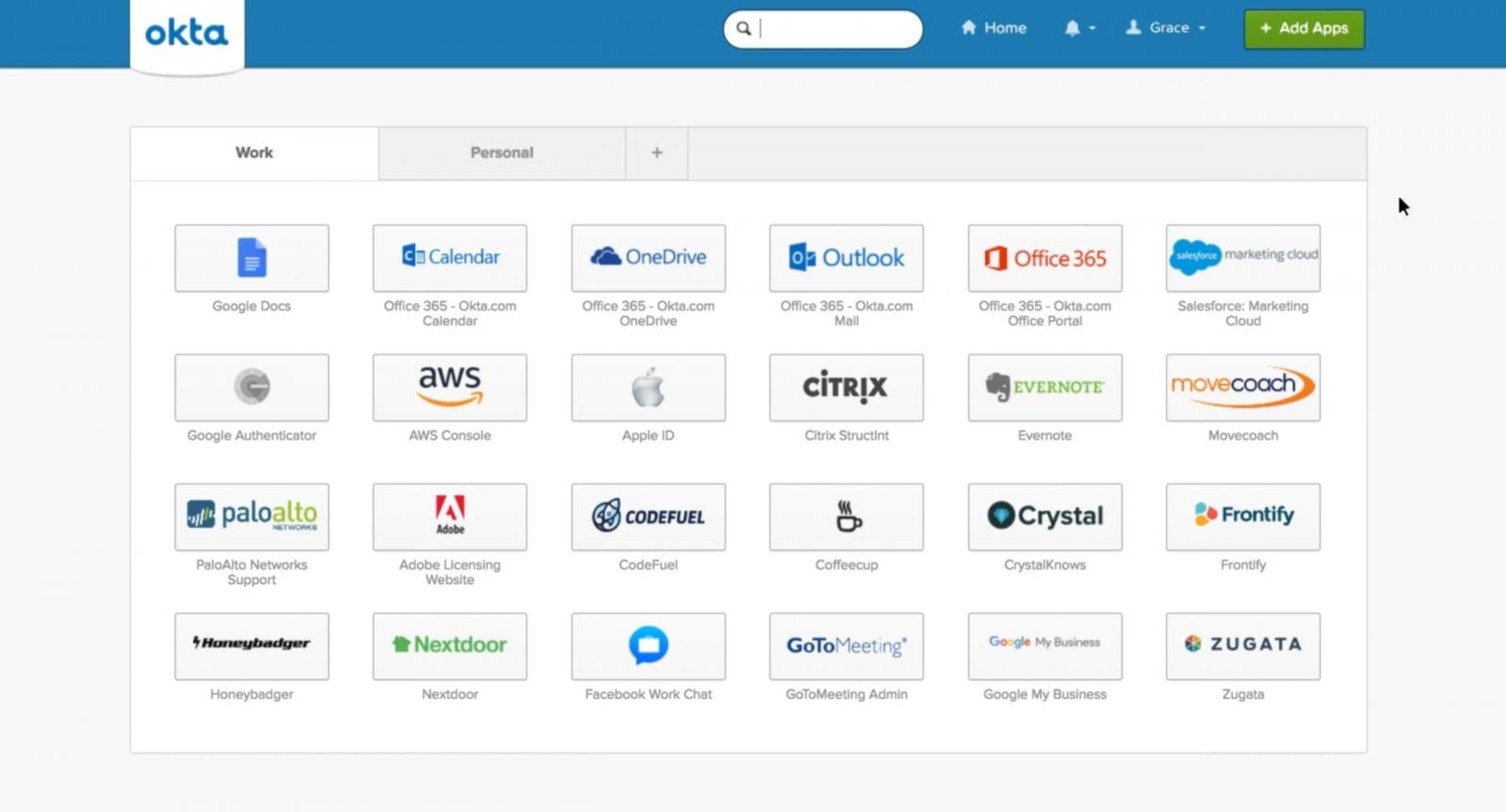
The immediate objective following the successful compromise is to gain unauthorized access to an employee’s single sign-on (SSO) account, typically within platforms like Microsoft 365 or Okta. The compromise of an SSO dashboard represents a critical chokepoint, providing threat actors with a consolidated gateway to a myriad of interconnected cloud platforms and services linked to that account. This can include email, document repositories, collaboration tools, and other mission-critical applications, effectively unraveling an organization’s cloud security posture from a single point of entry.

Upon gaining access, UNC6671 utilizes automated tools to swiftly exfiltrate vast quantities of data from all accessible cloud services. To maximize their operational stealth and prolong their dwell time, the group also employs techniques to erase their digital footprints. This includes systematically deleting security notifications and password-reset emails from compromised inboxes, thereby delaying detection and hindering immediate incident response efforts. This combination of sophisticated social engineering, real-time credential theft, and post-exploitation stealth mechanisms highlights the group’s advanced capabilities and deep understanding of enterprise cloud environments.
Financial Ramifications and Sector Vulnerabilities
The financial impact of UNC6671’s operations is substantial. GTIG’s tracking reveals that between January and May 2026 alone, the group successfully extorted over $10.6 million USD in Bitcoin payments. While initial ransom demands can reach as high as $3 million for a single incident, the group demonstrates a pragmatic approach to negotiations, routinely settling for approximately $750,000 USD. This flexibility suggests a well-oiled extortion machine focused on maximizing consistent revenue streams rather than holding out for maximal, potentially unattainable, demands.
The pivot towards hedge funds, private equity firms, and other elite financial institutions is a calculated move driven by several factors. These entities possess vast amounts of highly sensitive and proprietary data, including investment strategies, client portfolios, unannounced mergers and acquisitions, and market-moving intelligence. The compromise of such information not only carries immense financial value for illicit sale or insider trading but also poses significant reputational damage, regulatory penalties, and a severe erosion of client trust. The perceived ability of these organizations to pay higher ransoms, coupled with the critical nature of their data, makes them exceptionally attractive targets.
Industry Response and Mitigation Strategies
In the wake of these persistent attacks, organizations like Mandiant are actively assisting dozens of entities compromised by UNC6671, underscoring the widespread nature of the threat. The distinctive infrastructure, domain registration patterns, and multi-brand extortion network employed by UNC6671 differentiate it from other prominent social engineering groups, such as Scattered Spider (UNC3944), despite some tactical overlaps in helpdesk social engineering. This distinction is crucial for threat intelligence professionals to accurately map threat actor profiles, predict future behaviors, and develop tailored defensive strategies.
To counter the sophisticated tactics of UNC6671, a multi-faceted approach to cybersecurity is imperative:
- Enhanced Employee Training: Continuous and dynamic security awareness training is critical, specifically emphasizing the dangers of vishing, imposter scams, and the importance of verifying unsolicited requests through official, pre-established channels. Employees must be educated on the nuances of AiTM attacks and how to identify suspicious login prompts or urgent requests for credential updates.
- Robust MFA Implementation: While MFA is essential, organizations must move beyond less secure forms like SMS-based OTPs. Hardware security keys (e.g., FIDO2/WebAuthn tokens) or certificate-based authentication offer significantly stronger protection against AiTM phishing by cryptographically binding the login to the legitimate domain.
- Proactive Threat Detection: Deploying advanced endpoint detection and response (EDR) solutions, alongside security information and event management (SIEM) systems with sophisticated correlation rules, can help detect anomalous login attempts, unauthorized data access, and suspicious network activity indicative of an intrusion.
- Cloud Security Posture Management (CSPM): Continuous monitoring and hardening of cloud environments are vital. This includes regular audits of access controls, configuration settings, and ensuring least privilege principles are rigorously applied across all cloud services linked via SSO.
- Incident Response Planning: Organizations must have well-defined and frequently tested incident response plans specifically tailored for social engineering and cloud breaches. This includes clear communication protocols, rapid containment strategies, and forensic capabilities to investigate the extent of a compromise.
- Threat Intelligence Integration: Leveraging up-to-date threat intelligence from sources like GTIG and Mandiant is crucial for understanding the latest tactics, techniques, and procedures (TTPs) of groups like UNC6671, enabling organizations to proactively strengthen their defenses.
Future Outlook
The persistent evolution of UNC6671 and similar extortion groups signals a continuing trend where social engineering will remain a primary vector for initial access, especially when combined with sophisticated technical exploits like AiTM phishing. As defensive technologies improve, threat actors will inevitably refine their human-centric attack methods. The financial sector, with its high-value data and substantial capital, will undoubtedly remain a prime target. The ongoing arms race between cyber defenders and attackers necessitates constant vigilance, proactive adaptation of security measures, and a commitment to fostering a strong cybersecurity culture within every organization. The distinction between a well-prepared entity and a vulnerable one will increasingly hinge on the effectiveness of its human firewall and the resilience of its cloud security architecture against ever-more cunning adversaries.




 Aura Kasih
 Ayu Aulia
 Lisa Mariana