Lisa Mariana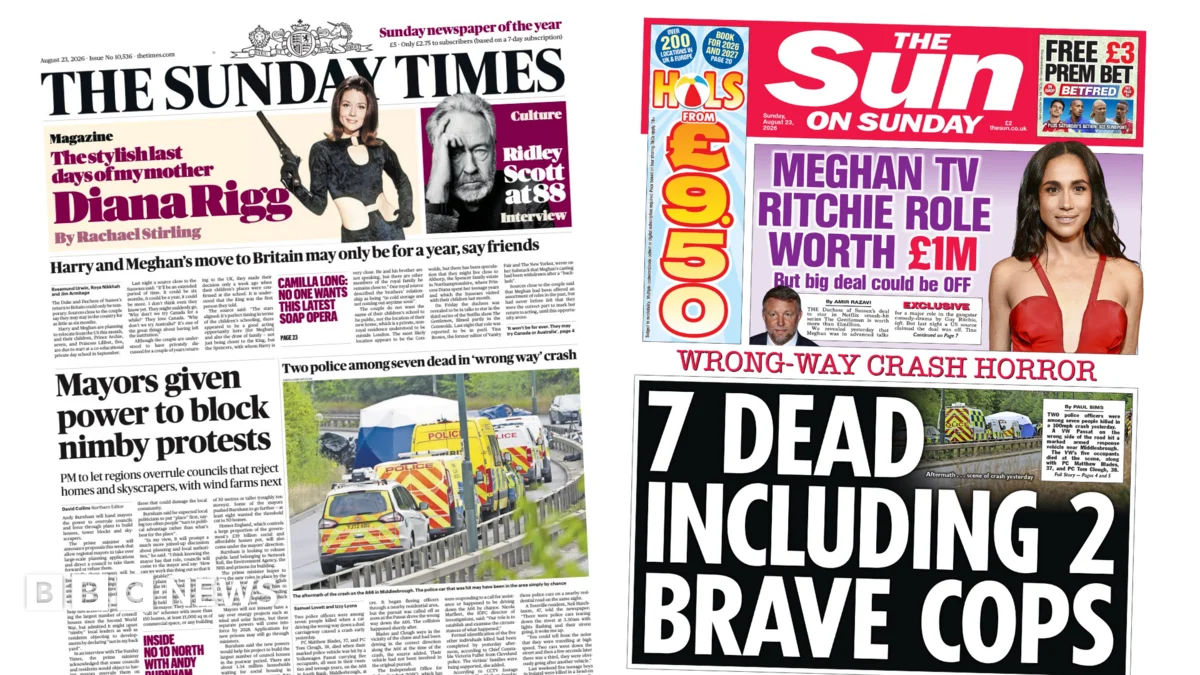
A multi-faceted landscape of critical national interests has come into sharp focus this week, encompassing a significant cyber incident affecting a UK power facility, proposed governmental reforms aimed at streamlining housing development, and evolving narratives within the British Royal Family, including a high-profile media project reportedly facing cancellation. These disparate events collectively underscore the complex challenges confronting the nation, from digital sovereignty and infrastructure resilience to social policy and the enduring influence of public sentiment on prominent figures.
Cyber Sovereignty Under Threat: A Precedent-Setting Infrastructure Attack
The United Kingdom’s critical national infrastructure has reportedly sustained an unprecedented cyberattack, attributed to state-sponsored actors with ties to Iran. A British power plant was rendered inoperable for a period of four days last month, an incident that, while seemingly contained and causing minimal disruption to the broader national energy grid, signals a concerning escalation in the global cyber threat landscape. Details regarding the specific facility remain undisclosed, yet its classification as a smaller entity within the extensive energy network has led some analysts to speculate on the nature of the intrusion – whether it constituted a reconnaissance mission, a test of capabilities, or a targeted demonstration of disruptive potential.
The implications of such an event extend far beyond immediate operational outages. State-sponsored cyber warfare represents a profound challenge to national security, capable of undermining economic stability, public confidence, and geopolitical standing. Iran has long been identified as a significant actor in the realm of advanced persistent threats (APTs), with a documented history of targeting critical infrastructure, often in retaliation for perceived aggressions or to project power. Previous attacks, while not always reaching the level of physical disruption, have aimed at data exfiltration, espionage, and system degradation across various sectors. The deliberate disablement of a physical plant, even a small one, marks a qualitative shift, demonstrating a capacity for kinetic impact through digital means.
Such an incident necessitates a robust re-evaluation of the nation’s cyber defence posture. Critical infrastructure sectors – including energy, water, telecommunications, and transport – are inherently vulnerable due to their interconnectedness and reliance on digital control systems. The challenge lies in defending against highly sophisticated adversaries who possess significant resources and a strategic imperative. Efforts to enhance resilience typically involve multi-layered security architectures, rigorous threat intelligence sharing, regular vulnerability assessments, and robust incident response protocols. Furthermore, the attribution of such attacks to specific state actors complicates international relations, potentially triggering diplomatic repercussions, sanctions, or even reciprocal cyber actions. The incident prompts a critical examination of the deterrence framework in cyberspace and the thresholds that define acts of aggression. Looking ahead, the imperative for both public and private sector collaboration in fortifying digital perimeters and developing proactive threat hunting capabilities will only intensify. This event serves as a stark reminder that the battle for national security is increasingly being fought in the digital domain, demanding continuous adaptation and strategic foresight.
Empowering Mayors: A Bold Approach to Housing Development
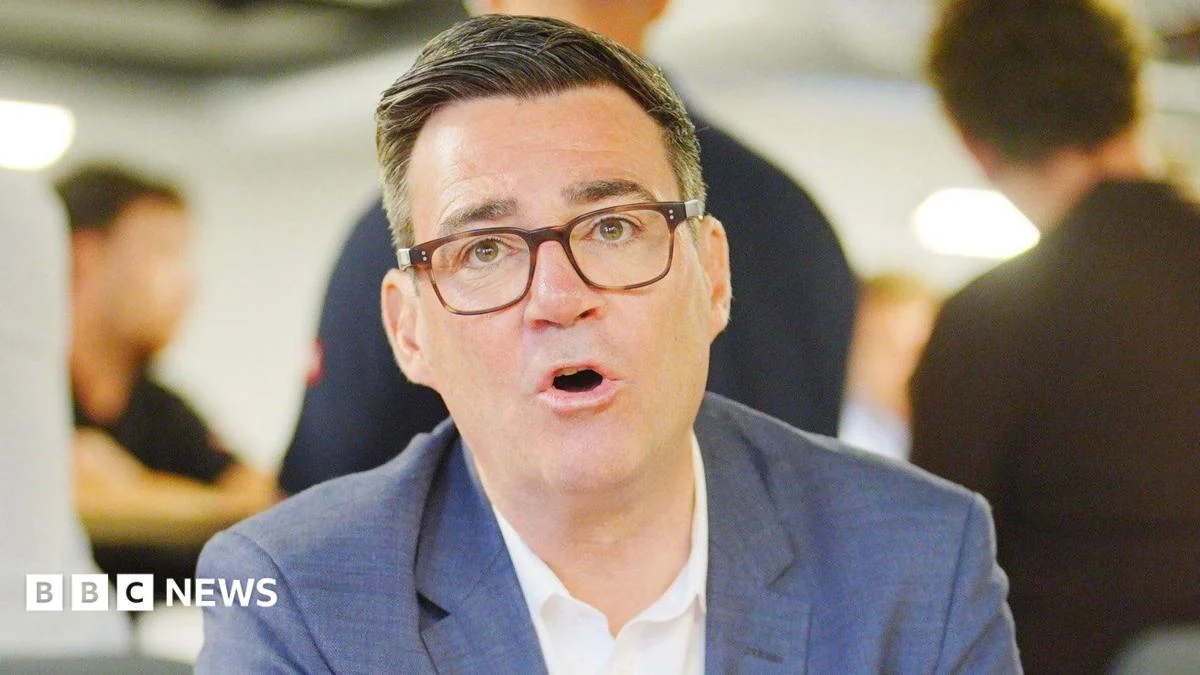
In a significant policy shift aimed at addressing the persistent housing crisis, regional mayors across England are poised to receive enhanced powers enabling them to override local council objections and fast-track the construction of new housing developments. This forthcoming announcement, anticipated from the Prime Minister this week, signifies a centralised effort to accelerate housing supply, particularly within urban areas designated for higher-density living, including the construction of tower blocks and skyscrapers. The Mayor of Greater Manchester, Andy Burnham, has been identified as a key proponent and beneficiary of these proposed legislative changes, reflecting a broader governmental strategy to empower metropolitan authorities in driving regional growth and development.
The United Kingdom has grappled with an acute housing shortage for decades, leading to escalating property prices, affordability crises, and significant social and economic repercussions. A primary impediment to increasing housing stock has been the complex and often protracted planning approval process, frequently compounded by local opposition, commonly referred to as the "Not In My Backyard" (NIMBY) phenomenon. Local residents and councils, citing concerns over infrastructure strain, loss of local character, environmental impact, or visual amenity, have often successfully blocked or significantly delayed development projects. While these concerns are valid and reflect legitimate community interests, their cumulative effect has been to stymie the delivery of much-needed homes.
The proposed mayoral powers seek to circumvent these bottlenecks by granting a higher-tier authority the capacity to make final decisions on strategic housing projects. This approach aims to streamline the planning process, reduce bureaucratic delays, and ensure that larger-scale developments, particularly those addressing regional housing targets, can proceed more efficiently. Proponents argue that this centralisation of power at the mayoral level will enable a more strategic, holistic approach to urban planning, aligning housing delivery with broader economic development goals and infrastructure investment. It could unlock land previously deemed unviable for development due to local resistance, thereby contributing significantly to meeting ambitious national housing targets.
However, this policy shift is not without its critics and potential drawbacks. Concerns have been raised regarding the erosion of local democracy and the potential for a disconnect between residents’ wishes and top-down development mandates. Local councils, representing the immediate communities, could see their planning authority significantly diminished, leading to feelings of disenfranchisement and increased public protests against developments perceived as imposed. There is also the risk that without adequate safeguards and robust public consultation mechanisms, developments could be pushed through without sufficient consideration for local infrastructure, environmental sustainability, or the long-term well-being of existing communities. The effectiveness of this policy will depend heavily on how these new powers are exercised, the level of transparency in decision-making, and the mechanisms for appeal or redress. The long-term implications for urban landscapes, community cohesion, and the balance between regional strategic planning and local democratic input will be a critical area of observation.
Royal Reconciliation: Public Opinion and the Path Forward
The persistent estrangement between Prince William and Prince Harry continues to command significant public and media attention, particularly as the Duke and Duchess of Sussex prepare for an imminent return to the United Kingdom. Against this backdrop, a recent public opinion survey commissioned by a prominent publication reveals a striking sentiment among Britons regarding the initiation of peace talks between the estranged brothers: a mere 4% believe that Prince William should be the one to extend the first olive branch. This statistic offers a compelling insight into the public’s perception of the dynamics within the Royal Family and the onus of responsibility for reconciliation.
The rift, which became acutely apparent following the Duke and Duchess of Sussex’s decision to step back from their roles as senior working royals in 2020, has been extensively documented and debated. Public narratives have often focused on divergent perspectives regarding duty, privacy, and media scrutiny. The subsequent relocation of Prince Harry and Meghan to the United States, coupled with candid interviews and published memoirs, has further entrenched the divide, creating an enduring narrative of a family at odds. The public, through its consumption of media and participation in polls, actively shapes the discourse surrounding the monarchy, often assigning blame or sympathy based on presented information and perceived behaviours.
The poll’s finding that an overwhelming majority of Britons do not view Prince William as the primary party responsible for initiating reconciliation efforts is highly significant. It suggests a prevailing public sentiment that perhaps places the burden of mending relations more squarely on Prince Harry, or at least indicates a reluctance to see the heir to the throne take a potentially subservient role in the process. Such a sentiment could stem from various factors, including perceptions of duty, the impact of public statements made by the Sussexes, or a general desire for stability within the core institution of the monarchy. For Prince William, maintaining a dignified distance while focusing on his responsibilities as the Prince of Wales might be seen as upholding the integrity of the institution.
The return of Prince Harry and Meghan to the UK inevitably intensifies scrutiny on the possibility of a rapprochement. Every public appearance, every potential interaction, will be dissected for signs of thawing relations. The Royal Family, as an institution, operates within a delicate balance of tradition, public expectation, and personal dynamics. The long-term stability and popular appeal of the monarchy are intertwined with its ability to project an image of unity and resilience, even amidst internal challenges. The outcome of any potential peace talks, and indeed the public’s perception of who facilitates them, will undoubtedly influence future narratives surrounding the monarchy’s enduring relevance and its capacity to adapt to modern societal expectations while upholding its historical gravitas.
Meghan Markle’s Media Ventures: The Impact of Public Sentiment
In a development that underscores the profound influence of public perception on high-profile careers, reports indicate that Meghan Markle’s prospective television comeback in a Guy Ritchie-helmed Netflix series has been withdrawn. This alleged cancellation of a significant acting opportunity is reportedly linked to an "intense backlash" against the Duchess of Sussex within the United Kingdom, according to claims attributed to a prominent showbiz commentator. This event highlights the precarious nature of maintaining a public-facing career, particularly for individuals navigating the complexities of royal association and intense media scrutiny.
Prior to her marriage to Prince Harry, Meghan Markle had established a successful acting career, most notably with her role in the popular television series "Suits." Following her departure from official royal duties, a significant part of her post-monarchy strategy involved re-engaging with media production, exemplified by her lucrative content deals with platforms like Netflix and Spotify. These ventures were widely seen as a pathway for the Duchess to leverage her global profile while pursuing her creative and philanthropic interests. A role in a high-profile series by a director of Guy Ritchie’s calibre would have represented a significant step in re-establishing her acting credentials and potentially reshaping her public image.
The reported withdrawal of the casting offer, purportedly due to an "intense backlash" in the UK, illustrates the powerful and often unpredictable impact of public sentiment on commercial decisions. For production companies and streaming platforms, the commercial viability of a project is paramount. While Meghan Markle commands a vast global audience and considerable media interest, negative public perception, particularly within a key market like the UK, can translate into potential viewership challenges, brand association risks, and adverse media coverage that could overshadow the project itself. Entertainment executives are acutely sensitive to these dynamics, often prioritising a positive and broadly appealing public image for their talent to ensure maximal commercial success.
This development raises broader questions about the pressures faced by public figures, especially those with royal connections, in navigating the entertainment industry. The interplay between personal life, public scrutiny, and professional opportunities becomes incredibly complex. For Meghan Markle, this incident could necessitate a re-evaluation of her career strategy, potentially leading to a greater focus on production roles behind the camera, voice acting, or projects that align more closely with her advocacy work, thereby mitigating direct exposure to public opinion as an actress. The challenge for high-profile individuals in the current media landscape is to find authentic and commercially viable pathways that are resilient to the often-volatile currents of public sentiment and media commentary.
Conclusion
The confluence of these distinct but equally impactful narratives—a sophisticated cyberattack on national infrastructure, a transformative shift in urban planning authority, the ongoing saga of royal family dynamics, and the commercial ramifications of public opinion on a global celebrity—paints a vivid picture of a nation grappling with both emergent and persistent challenges. From the imperative of safeguarding digital sovereignty and ensuring robust national security, to the critical need for effective governance in addressing societal demands like housing, and the intricate dance between public image and personal agency for prominent figures, these developments collectively underscore the multifaceted pressures on contemporary society. Each event, in its own domain, reflects a critical juncture, demanding strategic responses, careful navigation of public sentiment, and a forward-looking approach to national resilience and progress.


 Aura Kasih
 Safa Marwah
 Ayu Aulia