Aura Kasih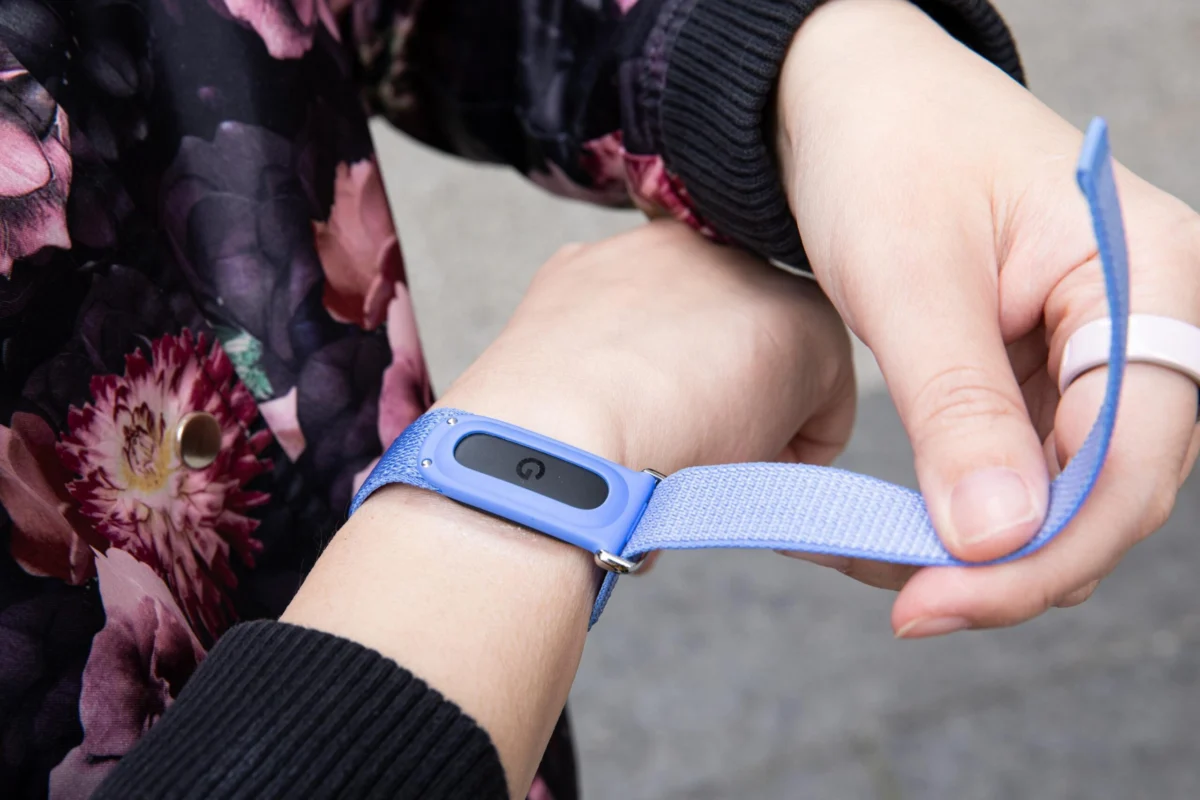
A significant advancement in personal health technology has arrived, enabling Fitbit users to directly synchronize their activity metrics, vital signs, and wellness data with Apple Health, fostering a more cohesive and comprehensive digital health landscape.
In a move that bridges a long-standing gap for many users, Google Health has introduced a direct, two-way data synchronization capability with Apple Health. This integration, detailed in the latest update to the Google Health app, finally allows Fitbit device owners to funnel their meticulously collected health information—spanning daily step counts, detailed workout logs, heart rate variability, sleep patterns, and more—directly into Apple’s centralized health data platform. Previously, achieving this level of data consolidation required cumbersome third-party applications or manual data entry, a process that often led to incomplete or outdated health profiles.
The evolution of digital health tracking has been characterized by a proliferation of devices and platforms, each aiming to capture a slice of the user’s wellness journey. Fitbit, a pioneer in the wearable fitness tracker market, has long been a dominant force, amassing vast amounts of user data related to physical activity and physiological metrics. Apple, on the other hand, has cultivated a powerful ecosystem with its Apple Watch and the integrated Apple Health application, which serves as a central repository for health information from a wide array of sources. For years, users who owned both Fitbit devices and Apple products found themselves navigating a fragmented data environment, unable to seamlessly integrate their Fitbit-generated insights into the broader health picture managed by Apple Health. This new development marks a pivotal moment, addressing a key user pain point and streamlining the experience for millions.
The integration process, as described, is remarkably straightforward. Within the Google Health app, users can navigate to their profile, locate the "Partner apps" section, and select Apple Health as a destination for their data. This direct connection eliminates the need for intermediary services, ensuring greater data integrity and a more fluid user experience. The implications of this seamless integration are far-reaching. For individuals who rely on both Fitbit for its comprehensive tracking capabilities and Apple Health for its aggregated view of their well-being, this update promises to unlock new levels of insight. Health professionals, too, may benefit from this enhanced data accessibility. Clinicians who utilize Apple Health to monitor patient progress could gain a more complete understanding of a patient’s lifestyle, including their activity levels and sleep habits, which are crucial components of overall health management.

This advancement comes at a time when the importance of holistic health data is increasingly recognized. As the digital health sector matures, the ability to aggregate and analyze diverse data streams becomes paramount for personalized medicine, preventative care, and the broader understanding of population health trends. By allowing Fitbit data to flow into Apple Health, Google is not only enhancing the user experience for its own product but also contributing to the growing interoperability of health data, a critical factor in the future of healthcare. The shift also signifies a strategic alignment between two major technology players in the health and wellness space. While Google acquired Fitbit in 2021, the integration of their respective health platforms has been a gradual process. This latest move underscores Google’s commitment to leveraging Fitbit’s strengths within its broader health strategy, while also acknowledging the pervasive influence of the Apple Health ecosystem.
The recent transition of the Fitbit app into the Google Health application represented a significant consolidation for Google’s health initiatives. While the rollout of the Google Health app itself faced some initial user feedback concerning its artificial intelligence features and interface, Google has demonstrated a responsiveness to user concerns, indicating an ongoing commitment to refining the platform. The introduction of direct Apple Health synchronization is a clear indication that user-centric improvements are a priority. This level of responsiveness is crucial in the fast-paced and highly personal domain of health technology, where user trust and satisfaction are paramount.
Beyond the direct health data synchronization, Google has also introduced Smart Health Links for US users. This feature allows individuals to securely share specific medical records with healthcare providers or family members via a time-limited URL or QR code. This capability further enhances the utility of the Google Health platform by providing a secure and convenient method for data sharing, which is a cornerstone of modern healthcare coordination. The ability to generate shareable links for selected medical information, such as lab results, medication lists, or vaccination records, empowers users to take a more active role in managing their health information and facilitating communication with their care teams. This feature aligns with broader trends in digital health towards patient empowerment and decentralized health record management.
The implications of this interoperability extend beyond individual users. For researchers and public health organizations, the increased availability of aggregated, anonymized health data can provide invaluable insights into lifestyle trends, disease prevalence, and the effectiveness of public health interventions. While privacy considerations remain paramount, the ability to draw from a wider pool of data can accelerate the pace of discovery and innovation in health and wellness. The seamless flow of data between platforms like Fitbit and Apple Health contributes to a richer, more nuanced understanding of human health, moving us closer to a future where personalized and proactive healthcare is the norm.
Looking ahead, the continued evolution of these integrations suggests a future where health data is increasingly fluid and accessible, breaking down the silos that have historically hindered comprehensive health management. As wearable technology becomes more sophisticated and the emphasis on preventative health grows, the ability to seamlessly connect and analyze data from diverse sources will be a defining characteristic of effective digital health solutions. Google’s integration of Fitbit data with Apple Health represents a significant step in this direction, empowering users and paving the way for more insightful and personalized health journeys. The ongoing development of features like Smart Health Links further solidifies the Google Health platform’s role as a central hub for managing and sharing vital health information, underscoring a commitment to a more connected and user-empowered healthcare ecosystem.




 Safa Marwah
 Ayu Aulia