Lisa Mariana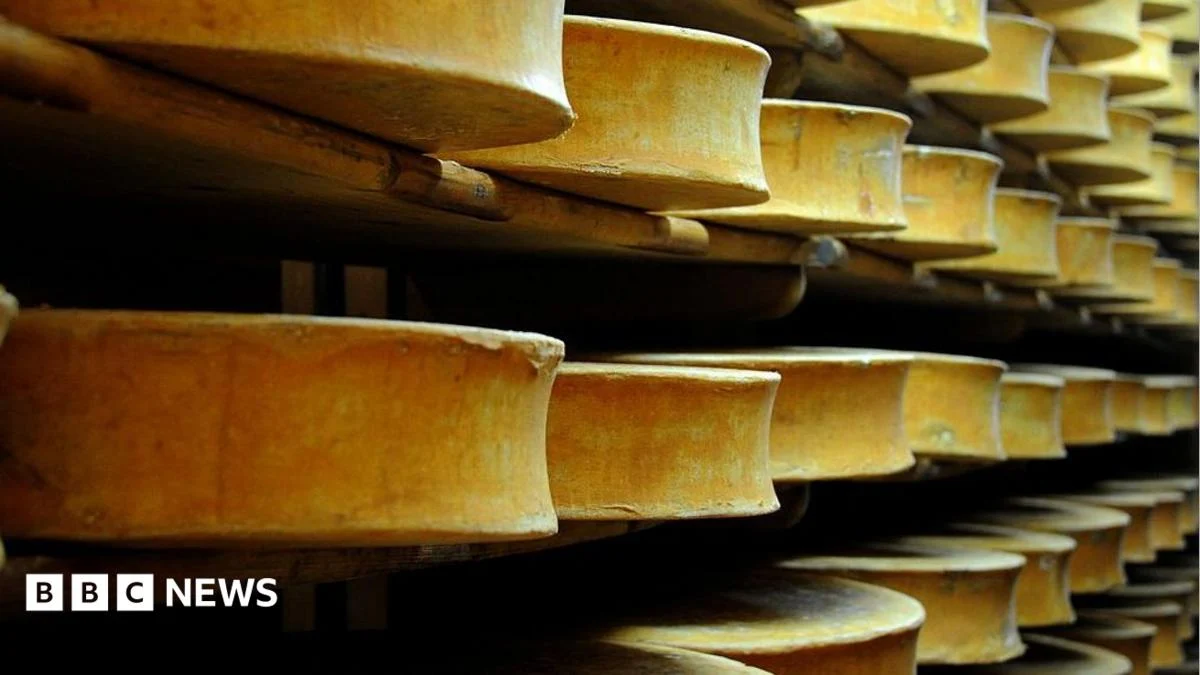
France, the global custodian of culinary heritage and strict geographical origin labels, finds itself navigating an existential dilemma as a protracted and severe drought, officially designated as "historic" by national authorities, compels a temporary but profound relaxation of the stringent regulations governing its most iconic protected foodstuffs. The National Institute for Origin and Quality (INAO), the formidable arbiter of France’s revered Appellation d’Origine Contrôlée (AOC) and European Protected Designation of Origin (PDO) systems, has reluctantly sanctioned unprecedented modifications to production protocols for a range of esteemed products, signaling a critical pivot in the face of escalating climatic pressures.
The meticulous framework of certificates of origin, designed to safeguard the unique identity and premium market value of France’s gastronomic treasures, traditionally imposes uncompromising rules on every aspect of production. These mandates encompass precise geographical boundaries, specified animal breeds, permissible feed regimens, cultivation techniques, and aging processes. The foundational principle underpinning this elaborate system is terroir, a multifaceted French concept that intricately links the distinctive characteristics of a food product to its specific locality, encompassing its climate, soil, topography, and the cumulative human expertise passed down through generations. However, the relentless grip of the 2026 drought, echoing similar challenges witnessed in 2022, has necessitated a radical, albeit temporary, re-evaluation of these sacrosanct tenets, raising profound questions about the long-term viability of traditional production methods in an era of accelerating climate change.
The Bedrock of French Gastronomy: Understanding AOC and PDO
To fully grasp the magnitude of these recent derogations, it is essential to appreciate the foundational role of the AOC/PDO system in French agriculture and identity. Established initially in the early 20th century to combat fraudulent wine production, the AOC system expanded to include cheeses, fruits, vegetables, and other agricultural products. Its European counterpart, the PDO, extends similar protections across the European Union. These labels are more than just marketing tools; they are legal instruments that guarantee a product’s authenticity, quality, and adherence to traditional methods, thereby distinguishing it from generic imitations.
The economic rationale behind these designations is compelling. Products bearing an AOC or PDO label consistently command higher prices in both domestic and international markets, providing vital economic stability and premium returns for often small-scale, traditional producers. Consumers, in turn, are assured of purchasing an item with a verifiable provenance and consistent quality, a testament to its unique "terroir." This symbiotic relationship between stringent regulation, producer premium, and consumer confidence forms the very bedrock of France’s esteemed culinary reputation. The regulatory body, INAO, acts as the vigilant guardian of this system, meticulously defining and enforcing the specifications for each appellation, ensuring that every stage of production, from the breed of cattle to the exact aging period, aligns with established traditions and geographical limitations.
Unprecedented Environmental Pressures and Specific Derogations
The 2026 drought, characterized by prolonged periods of minimal rainfall and soaring temperatures, has presented an existential threat to agricultural practices deeply reliant on specific local conditions. The scarcity of natural pastures and traditional feed crops has pushed farmers to the brink, making adherence to existing AOC/PDO rules physically impossible without jeopardizing animal welfare or causing widespread economic collapse. Recognizing the severity of the crisis, the INAO has invoked clauses within French and European law that permit temporary derogations during periods of "exceptional weather conditions."
Among the most significant adjustments are those impacting two of France’s most celebrated cheeses:
-
Abondance Cheese (Alps Region): Traditionally, the production of Abondance cheese, crafted in the high Alpine pastures, mandates that at least 50% of the dairy cows’ diet consist of fresh pastured grass. The severe drought, however, has decimated these crucial grazing lands. The INAO has now authorized Abondance producers to reduce the proportion of pastured grass in their animals’ diet to a mere 15%. Furthermore, they are now permitted to source forage from outside their designated geographical zone and to supplement their animals’ diets with other approved feedstuffs. This represents a drastic departure from the core principle of local, grass-fed nutrition that is intrinsically linked to Abondance’s flavor profile.
-
Comté Cheese (Jura Mountains): Comté, another PDO behemoth, is renowned for its specific production methods, including the feeding of cattle with locally grown green maize. The drought has severely impacted the cultivation and availability of this essential feed. Producers in the Jura mountains will now be allowed to substitute this local green maize with maize imported from other regions. While maize remains the feed type, the shift from local to external sourcing fundamentally challenges the "terroir" concept, as the nutritional inputs are no longer exclusively tied to the specific geological and climatic conditions of the Jura.
Beyond these prominent cheese examples, other protected products are also benefiting from these temporary relaxations. These include certain varieties of Calvados and cider from Normandy, where fruit yields and quality may be compromised; Crémant d’Alsace sparkling wine, which might see adjustments to grape sugar levels or acidity profiles; lamb from Poitou-Charentes, potentially facing changes in feed sources similar to dairy animals; and Reine-Claude plums, whose size, sweetness, and overall yield are highly susceptible to water stress. Each of these derogations, while seemingly technical, carries profound implications for the intricate balance of tradition, quality, and authenticity that defines these products.
The Terroir in Flux: Philosophical and Practical Challenges
The concept of terroir is more than just a marketing slogan; it is a philosophy deeply embedded in French culture and agriculture. It posits that the unique combination of soil, climate, topography, and human practices imparts an inimitable character to agricultural products. A cheese’s flavor, a wine’s bouquet, or a plum’s sweetness are believed to be direct expressions of its terroir. The current derogations, by permitting changes in feed sources and reducing reliance on local pastures, directly challenge this foundational principle.
If the feed for Abondance cattle comes from external regions, or if Comté cattle consume maize not grown in the Jura, how does this impact the "local" identity of the product? Does the flavor profile shift? Does the very essence of its terroir become diluted? These are not merely academic questions but concerns that resonate deeply with producers, connoisseurs, and consumers alike. The economic premium associated with AOC/PDO products is predicated on their unwavering authenticity. Any perceived deviation from this authenticity, even if temporary and necessitated by external factors, risks eroding consumer trust and, consequently, market value.
Detecting Change: Quality, Quantity, and Pricing
The immediate aftermath of these changes will be closely scrutinized. One of the most compelling questions is whether these modifications will lead to any detectable alteration in the taste, texture, or overall quality of the affected cheeses and other foodstuffs. The intricate biochemical processes involved in milk production, cheesemaking, or fruit development are highly sensitive to even subtle changes in environmental inputs, particularly diet. Expert tasters and consumers with discerning palates may well identify differences, potentially sparking debates about the long-term impact on product reputation.
Beyond sensory attributes, the derogations also raise questions about production quantities and pricing. By allowing farmers to adapt to adverse conditions, these measures aim to prevent a drastic reduction in supply, thereby stabilizing the market and mitigating price volatility. However, if the quality perception suffers, the premium pricing traditionally associated with these labels could come under pressure. This creates a delicate balancing act for the INAO and producers: maintaining production volume while safeguarding the revered quality and authenticity that justify the premium.
Long-Term Implications and the Future of Protected Designations
The recurring nature of these "exceptional" weather events—with similar measures enacted after the dry summer of 2022—forces a critical examination of the long-term viability of existing labels of origin. If climate change continues its trajectory, rendering traditional production methods increasingly untenable in their designated localities, the very concept of terroir will be stretched to its absolute limits, potentially beyond its breaking point.
This situation necessitates a broader discussion about adaptation strategies for the future. Options could include:
- Revising Specifications: A fundamental re-evaluation of AOC/PDO specifications might be required, incorporating more climate-resilient practices or allowing for greater flexibility in feed sources or cultivation methods, even in non-drought years. This would be a highly controversial undertaking, as it challenges the historical integrity of the appellations.
- Climate-Resilient Agriculture: Investing in research and development for drought-resistant forage crops, more efficient irrigation techniques, or new animal breeds better suited to warmer, drier conditions could offer long-term solutions.
- Geographical Relocation: In extreme scenarios, the unthinkable might be considered: shifting the geographical boundaries of certain appellations to areas where the climate remains conducive to traditional production. This would, however, entail a radical redefinition of terroir and face immense cultural and economic resistance.
- Technological Integration: Exploring innovations in precision agriculture, smart irrigation, and controlled environment farming could provide tools to mitigate some climate impacts, though integrating these into traditional, often artisanal, production methods presents its own set of challenges.
The French experience serves as a powerful microcosm for a global challenge. Across Europe and other regions reliant on geographical indications, similar questions are emerging. Italy’s Parmigiano Reggiano, Spain’s Jamón Ibérico, and numerous other iconic products face analogous threats from changing environmental conditions. The tension between preserving deeply rooted traditions and adapting to an undeniable new climatic reality is a defining characteristic of 21st-century agriculture.
Conclusion: A Culinary Crossroads
The temporary relaxation of France’s strict cheese-making rules, alongside similar measures for other protected produce, marks a significant moment in the ongoing battle between tradition and environmental exigency. While these derogations provide crucial short-term relief for struggling farmers, they simultaneously ignite profound debates about the essence of authenticity, the integrity of protected designations, and the very future of terroir in a rapidly warming world. The decisions made today, whether temporary or indicative of a deeper systemic shift, will undoubtedly shape the landscape of French gastronomy and potentially redefine what it means for a product to be truly "of its origin" in the decades to come. The world watches closely as France navigates this delicate culinary crossroads, seeking to preserve its heritage while confronting the undeniable imperatives of a changing climate.




 Aura Kasih
 Safa Marwah