Ayu Aulia
The complex interplay between nutrition and disease forms a perennial focus of biomedical inquiry, nowhere more controversially than in the realm of cancer therapy. For decades, the notion that high doses of vitamin C could combat malignancies was largely dismissed as pseudoscientific, fueled by the late-career advocacy of a scientific luminary whose pronouncements on health diverged sharply from conventional medical consensus. However, a resurgence of rigorous research is now compelling a nuanced re-evaluation, revealing that while the initial hypothesis was fundamentally flawed in its delivery method, the underlying principle – that supraphysiological concentrations of ascorbic acid can exert selective cytotoxicity against cancer cells – may hold significant therapeutic promise, albeit through mechanisms and applications far more intricate than originally conceived.
The narrative surrounding vitamin C and cancer is inextricably linked to Linus Pauling, a titan of 20th-century science whose groundbreaking work on chemical bonding and molecular structures earned him two unshared Nobel Prizes. Pauling’s intellectual prowess was undeniable, yet his fervent belief, articulated in the 1970s, that megadoses of ascorbic acid could cure or significantly ameliorate cancer, provoked widespread skepticism within the medical establishment. Critics frequently cited his case as an example of the "halo effect," where expertise in one domain is erroneously extrapolated to another. When Pauling himself succumbed to cancer at the age of 93, it seemingly provided conclusive evidence for his detractors, solidifying the perception of high-dose vitamin C as an unproven, even misguided, alternative therapy.
Pauling’s initial clinical forays into this area were collaborative, notably with Scottish surgeon Ewan Cameron. Their studies involved administering substantial quantities of vitamin C, initially via intravenous infusion and subsequently through oral supplementation, to patients diagnosed with advanced, often incurable, cancers. The reported outcomes were striking: an apparent prolongation of survival and a marked improvement in patient well-being compared to control groups. These findings, while compelling anecdotally, lacked the robust methodological rigor that contemporary oncology demands. The absence of blinding, randomization, and comprehensive controls made the results susceptible to bias and difficult to interpret definitively.
The medical community, seeking to validate or refute these claims, turned to more structured clinical investigations. The Mayo Clinic, a revered institution for medical research and practice in the United States, undertook two pivotal trials designed to rigorously test Pauling’s hypothesis. These studies, widely publicized, concluded unequivocally that high-dose vitamin C offered no discernable benefit to cancer patients, neither extending life nor improving clinical outcomes. For the vast majority of oncologists, these results served as the definitive verdict. Ascorbic acid was subsequently relegated to the periphery of cancer treatment, often grouped with other unproven "alternative" remedies, and Pauling’s late-career advocacy was largely viewed as a regrettable misstep, tarnishing an otherwise illustrious scientific legacy.
A critical oversight, however, characterized the debate and the Mayo Clinic trials themselves. Pauling and Cameron’s initial successes were primarily observed with intravenous administration, followed by oral maintenance. The Mayo Clinic, in contrast, exclusively utilized oral vitamin C tablets. This seemingly minor difference proved to be a profound determinant of therapeutic efficacy, rooted in fundamental principles of pharmacology. The human gastrointestinal tract possesses a finite capacity for vitamin C absorption. Beyond a certain daily intake threshold, typically in the range of a few hundred milligrams, the body’s absorptive mechanisms become saturated, and any additional oral intake is largely excreted. Consequently, even massive oral doses result in blood plasma concentrations that plateau at relatively modest levels, insufficient to exert the desired therapeutic effect.
Conversely, intravenous infusion bypasses the limitations of gastrointestinal absorption, enabling the direct delivery of ascorbic acid into the bloodstream. This method allows for the attainment of supraphysiological plasma concentrations, often tens to hundreds of times higher than those achievable through even maximal oral intake. It is at these extremely elevated concentrations that vitamin C undergoes a dramatic shift in its biological activity within the body, transitioning from a benign nutrient to a potent pharmacological agent with distinct mechanistic properties.
At typical physiological concentrations, vitamin C functions predominantly as a vital antioxidant. It scavenges harmful free radicals, mitigates oxidative stress, and protects cellular components from damage, thereby contributing to overall cellular health and immune function. However, when administered intravenously to achieve millimolar concentrations in the blood, particularly within the tumor microenvironment, ascorbic acid’s role can invert. Instead of acting as an antioxidant, it can behave as a pro-oxidant, generating reactive oxygen species (ROS), most notably hydrogen peroxide.
Cancer cells exhibit inherent vulnerabilities that render them particularly susceptible to this pro-oxidant insult. They are characterized by rapid proliferation, often leading to hypoxic regions and compromised blood supply within tumors. This metabolic dysregulation frequently results in elevated baseline levels of oxidative stress and a weakened capacity to neutralize ROS. Their internal "cleanup" systems, such as glutathione peroxidase and catalase, are often stretched thin or functionally impaired. The sudden influx of hydrogen peroxide generated by high-dose vitamin C can overwhelm these compromised defenses, leading to irreversible oxidative damage to critical cellular structures, including DNA, proteins, and mitochondria. This cascade of damage can trigger programmed cell death (apoptosis) or other forms of cellular demise. Crucially, healthy, non-malignant cells possess more robust antioxidant defenses and more efficient DNA repair mechanisms, allowing them to largely withstand the pro-oxidative challenge, thus conferring a degree of selective toxicity to high-dose intravenous vitamin C. This differential impact positions it less as a general health supplement and more as a selective chemotherapeutic agent.
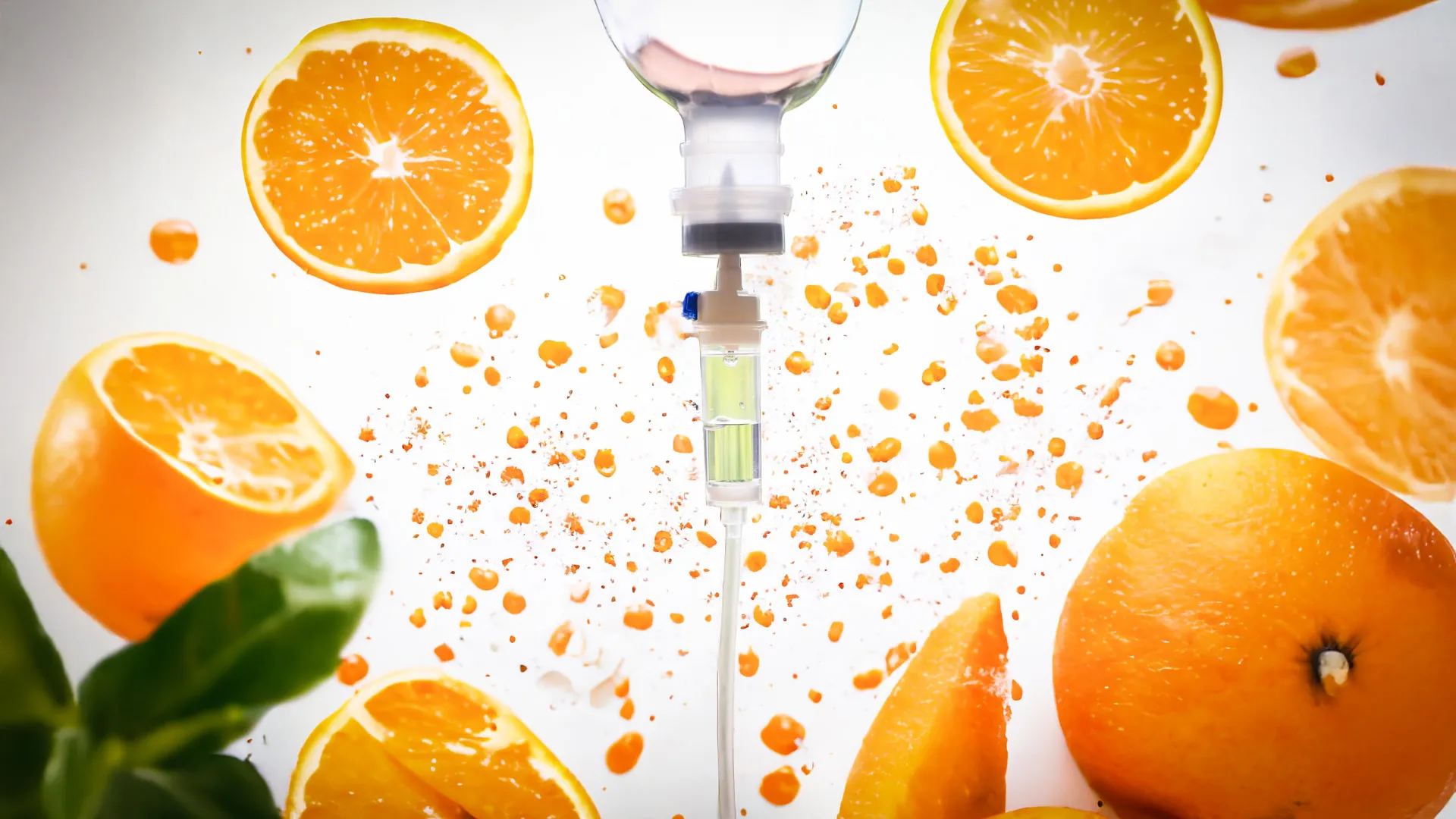
The current scientific landscape regarding high-dose intravenous vitamin C in oncology is characterized by cautious optimism and ongoing investigation. While Pauling’s initial claims were sweeping, contemporary research is focused on specific applications and patient populations. Small-scale clinical trials have explored the utility of high-dose intravenous vitamin C in patients with aggressive and hard-to-treat malignancies, including ovarian, pancreatic, and glioblastoma (brain) tumors. These early studies have generally indicated that such regimens are well-tolerated, with patients receiving multiple infusions weekly often experiencing minimal severe adverse effects. However, it is imperative to note that potential complications can arise, particularly in individuals with pre-existing conditions such as impaired kidney function or rare inherited metabolic disorders like glucose-6-phosphate dehydrogenase (G6PD) deficiency, where high doses of vitamin C can induce hemolytic anemia. This underscores the necessity for medical supervision and careful patient selection, distinguishing it sharply from unregulated "wellness drips" marketed to the general public.
Preliminary evidence from a subset of these trials suggests that intravenous vitamin C, when administered as an adjunct to conventional chemotherapy, may offer modest benefits. These include a potential, albeit not universally observed, prolongation of survival in certain patient cohorts, and more consistently, an improvement in the tolerability of standard treatments. Patients frequently report a reduction in chemotherapy-induced side effects such as fatigue, nausea, and pain, leading to an enhanced quality of life. For individuals grappling with advanced-stage cancer, where curative options may be limited, improvements in daily comfort and functional capacity represent a significant clinical outcome, even in the absence of a definitive survival advantage. However, the existing clinical data remains heterogeneous and often derived from small, non-randomized studies, precluding the drawing of definitive conclusions regarding overall survival benefits. Large-scale, rigorously designed randomized controlled trials are essential to solidify these findings and establish high-dose intravenous vitamin C as an evidence-based component of cancer therapy.
Beyond its direct cytotoxic effects, emerging laboratory research hints at more subtle, yet equally significant, roles for vitamin C in modulating cancer biology. Ascorbic acid acts as a crucial cofactor for various dioxygenase enzymes, which are intimately involved in epigenetic regulation. These enzymes play a critical role in modifying DNA and histone proteins, influencing gene expression patterns that can dictate cellular proliferation, differentiation, and response to therapeutic agents. By influencing these epigenetic marks, high levels of vitamin C may help to reprogram cancer cells, potentially reducing their aggressive growth characteristics and enhancing their sensitivity to conventional treatments. Furthermore, early investigations suggest a possible immunomodulatory role, where vitamin C might influence the tumor microenvironment or enhance the ability of the immune system to recognize and eliminate malignant cells. While these avenues are currently speculative and require extensive further validation, they open new frontiers for understanding the comprehensive impact of ascorbic acid in oncology.
Thus, the legacy of Linus Pauling regarding vitamin C and cancer is far more complex than a simple narrative of genius-turned-charlatan. He was, in essence, partially correct, though for reasons and through mechanisms he could not have fully comprehended with the scientific tools of his era. His advocacy for oral megadoses as a universal cure for established cancer was demonstrably erroneous, as validated by subsequent rigorous trials. He overstated the immediate promise and underestimated the physiological complexities. Yet, Pauling’s intuitive leap that vitamin C might possess a unique, powerful role in cancer treatment, particularly at very high concentrations administered systemically, has found a remarkable degree of vindication in modern research.
The scientific journey from Pauling’s bold hypothesis to today’s nuanced understanding illustrates the iterative and often circuitous nature of discovery. A controversial idea, initially supported by flawed studies, faced a fierce backlash and dismissal. Years later, a more sophisticated understanding of pharmacokinetics, cellular biology, and disease mechanisms allowed for a quiet, methodical return to the question, revealing a sliver of truth beneath the layers of initial misinterpretation.
Currently, high-dose intravenous vitamin C remains an experimental therapy, exhibiting sufficient promise to warrant continued rigorous investigation but not yet proven to replace established standard-of-care treatments. Its application is ethically confined to well-designed clinical trials or carefully supervised medical settings where potential benefits are weighed against risks, and patient safety is paramount. The distinction between an adjunctive therapy undergoing scientific validation and a panacea marketed for profit is crucial.
The evolving story of vitamins in cancer treatment, exemplified by ascorbic acid, underscores the importance of empirical evidence and the continuous refinement of scientific understanding. Pauling may not be fully vindicated in the maximalist sense of his original claims, but neither was he simply deluded. He possessed a visionary insight, glimpsing a potential therapeutic avenue long before the scientific community had the requisite tools and knowledge to explore it with the necessary precision and rigor. The ongoing research endeavors strive to precisely define this sliver of truth, potentially integrating high-dose vitamin C into the armamentarium of targeted, evidence-based cancer interventions.




 Lisa Mariana
 Aura Kasih
 Safa Marwah