Ayu Aulia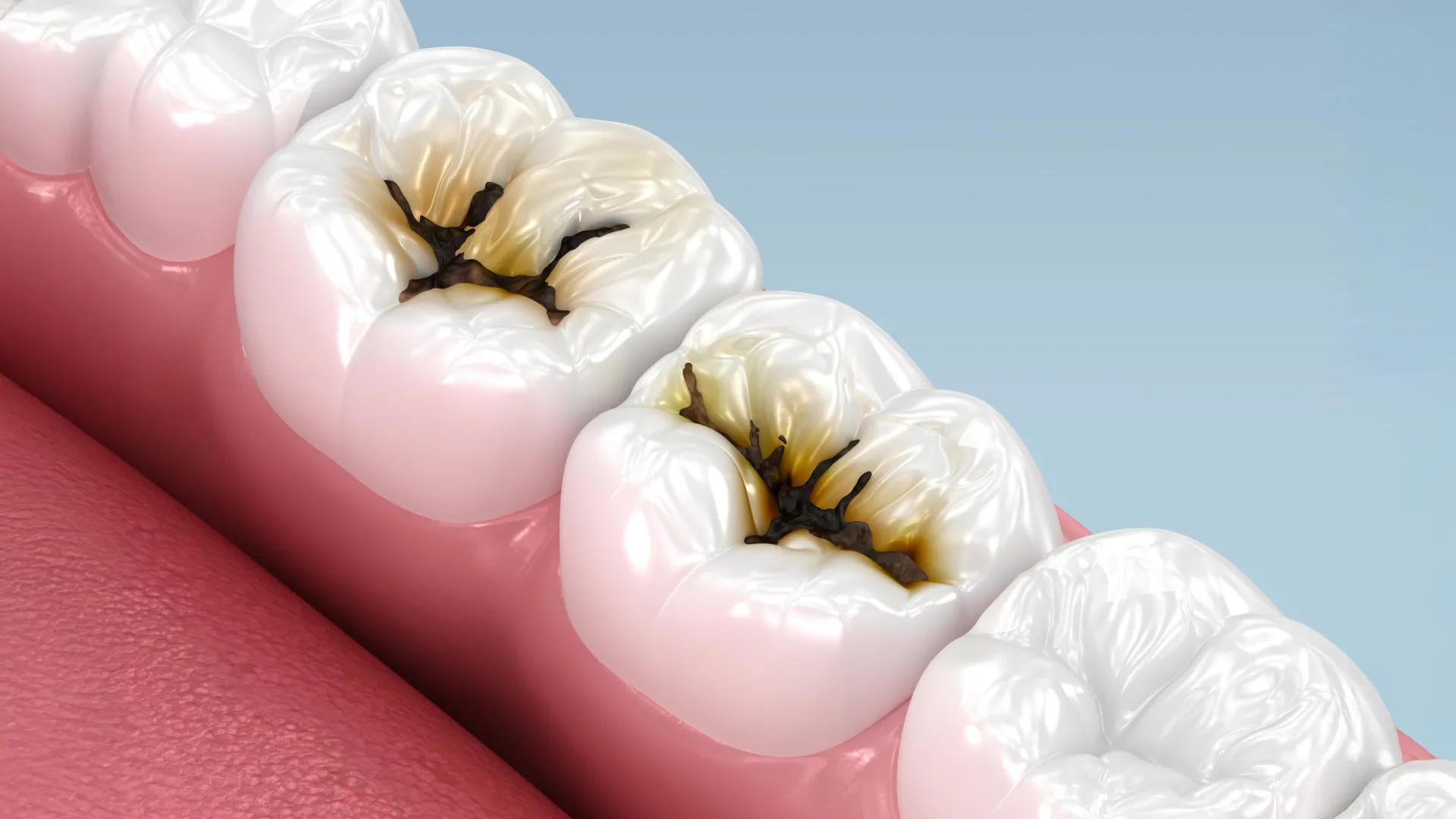
Untreated dental caries represents a significant public health challenge, particularly among children, often leading to acute pain, systemic infections, and recurrent emergency department visits. These visits frequently address symptoms rather than the underlying pathology, leaving many young patients vulnerable to continued suffering or necessitating invasive surgical procedures under general anesthesia, carrying inherent risks and substantial costs. A transformative approach to managing tooth decay is emerging, promising to revolutionize pediatric dental care and expand access to vital treatments without the traditional reliance on drilling or complex interventions.
A low-cost, topically applied liquid known as silver diamine fluoride (SDF) is poised to fundamentally alter the landscape of cavity management. This innovative solution, applied directly to carious lesions using a small, sponge-tipped applicator, offers a rapid, non-invasive method to halt the progression of decay. The entire process for a single tooth typically concludes within seconds, eliminating the need for local anesthetics, sedation, or the anxiety-inducing sounds of dental drills. This represents a significant paradigm shift from conventional restorative dentistry, which has long centered on the mechanical removal of diseased tooth structure followed by filling.
The Global Precedent and Domestic Regulatory Landscape
While SDF has been successfully employed in numerous countries for several decades, its widespread adoption in the United States has navigated a more intricate regulatory path. Since 2014, American dental practitioners have utilized SDF "off-label" following its approval by the Food and Drug Administration (FDA) as a medical device primarily for the reduction of tooth sensitivity. However, to secure FDA approval as a designated drug for the direct treatment of dental caries, robust clinical evidence from large-scale U.S. trials demonstrating both its safety and efficacy was a prerequisite. This critical evidentiary gap has now been addressed by a landmark clinical investigation spearheaded by the University of Michigan.
This pivotal Phase III study, whose findings were recently published in a prominent medical journal focusing on pediatrics, enrolled 830 children under the age of six. Participants were strategically recruited from a diverse array of settings, including established dental practices, pediatric medical offices, and community-based Head Start and Early Head Start programs across Michigan, New York, and Iowa. This broad recruitment strategy ensured a representative cohort, bolstering the generalizability of the study’s conclusions within the U.S. population. The meticulous design and execution of this trial provide the comprehensive data necessary to support a formal regulatory application for SDF as a primary treatment for dental decay.
Empirical Validation: Halting Decay in Primary Dentition
The findings from this extensive research are compelling, demonstrating that a 38% concentration of SDF effectively arrested the progression of tooth decay in over half of the affected primary teeth when administered biannually. This efficacy rate is particularly significant given the non-invasive nature of the treatment. In contrast to traditional methods requiring the excavation of decayed tissue and subsequent placement of a dental filling, SDF acts by chemically hardening the compromised tooth structure and inhibiting bacterial activity. The liquid is simply painted onto the affected area, circumventing any need for drilling or tissue removal.
A lead investigator from the University of Michigan School of Dentistry underscored the profound implications of these findings, stating that SDF presents an exceptionally effective and safe therapeutic option, even for children as young as one year old. This assertion highlights the broad applicability of the treatment across critical developmental stages. Dental caries remains the most prevalent chronic disease affecting children, impacting more than 40% of the pediatric population in the United States. Unmanaged cavities are a leading cause of severe pain, localized infections, disrupted sleep patterns, impaired nutritional intake, absenteeism from school, and a cascade of repeated medical and dental appointments, thereby imposing a considerable burden on affected families and the healthcare system.
Broadening Access: A Solution for Vulnerable Populations
The potential utility of SDF extends far beyond routine pediatric care, offering a particularly valuable solution for patient cohorts traditionally challenging to treat. Experts suggest that SDF could be immensely beneficial for very young children who struggle to cooperate with conventional dental procedures, as well as for older adults who may have difficulty accessing or tolerating invasive treatments. Individuals with developmental or physical disabilities, for whom prolonged chair time or complex interventions can be exceptionally difficult, stand to gain significantly. Furthermore, patients grappling with severe dental anxiety, a common barrier to consistent oral healthcare, could find SDF an appealing and manageable alternative. Critically, this treatment also holds promise for individuals residing in areas with limited access to conventional dental care or those facing financial constraints that render standard restorative procedures unaffordable or impractical.
While the therapeutic advantages of SDF are substantial, it is important to acknowledge a visible aesthetic consequence: the silver component of the solution permanently stains the decayed portion of the treated tooth a dark color. This discoloration, though purely cosmetic and indicative of successful treatment, represents a consideration for some patients and families. Despite this drawback, the public health imperative to expand access to effective and safe dental interventions remains paramount.
The principal investigator emphasized the necessity of rigorous, U.S.-population-specific evidence to drive broader implementation, particularly in non-dental medical settings. The completion of this study, despite disruptions caused by the global pandemic, provides the high-quality data clinicians require before modifying established practices. It is a critical step towards empowering pediatricians, who often see young children years before their first dental visit, to intervene early in the progression of cavities, thereby preventing pain, infection, and the need for more invasive surgical procedures.
Collaboration, Funding, and the Path to Regulatory Approval
The comprehensive research initiative was a collaborative endeavor, drawing expertise from leading institutions including New York University, the University of Iowa, and Indiana University. Significant financial backing for the study, totaling over $12 million, was provided by the National Institute of Dental and Craniofacial Research, part of the National Institutes of Health (NIH). This substantial investment underscores the national importance and potential impact of the research findings.
The clinical data generated by this trial are directly applicable for submission to the FDA as part of a dental caries drug application. The specific product tested in the study, Advantage Arrest 38% SDF, was supplied by Elevate Oral Care. This collaboration between academic research institutions, government funding bodies, and industry partners exemplifies the synergistic efforts required to bring innovative healthcare solutions to market.
A co-principal investigator from New York University College of Dentistry highlighted the transformative potential of these findings, asserting that the results strongly support FDA approval of SDF for the arrest of tooth decay in young children. Moving SDF from its current "off-label" status to an officially approved drug for caries management would represent a significant innovation. Such a change is anticipated to lead to increased utilization by healthcare providers, enhanced payment coverage by insurance entities, and greater consistency in product quality, ultimately expanding its reach and impact on oral health outcomes.
SDF: A Versatile Tool in Caries Management
The versatility of SDF suggests its utility as both a bridge therapy and a long-term solution. For many children, repeated applications of SDF at regular intervals can effectively control existing cavities until the primary tooth naturally exfoliates. In adult populations, SDF could serve as a durable, long-term treatment option, or it could provide essential temporary protection, arresting decay progression until a more comprehensive restorative procedure becomes financially feasible or practically accessible. The overarching sentiment among researchers is that SDF possesses the capability to halt decay, mitigate infection, and alleviate pain for a vast number of individuals across diverse demographics. This non-invasive approach stands to benefit countless patients by offering a simpler, more accessible, and less daunting pathway to improved oral health.
The implications of this research extend beyond immediate clinical application. It signals a broader shift in dental philosophy towards minimally invasive, preventive, and patient-centered care. Such an innovation could fundamentally reshape dental education, emphasizing early intervention and non-surgical approaches. Furthermore, it could empower a wider range of healthcare professionals, including medical doctors and nurses in primary care settings, to play a more active role in managing early dental caries, particularly in underserved communities. This could lead to a significant reduction in the burden of dental disease, diminishing the need for complex and costly treatments, and fostering better overall health outcomes for populations worldwide. The journey of SDF from an off-label agent to a potentially FDA-approved drug for caries treatment marks a pivotal moment in the ongoing efforts to combat one of humanity’s most prevalent chronic diseases.




 Aura Kasih
 Safa Marwah