Aura Kasih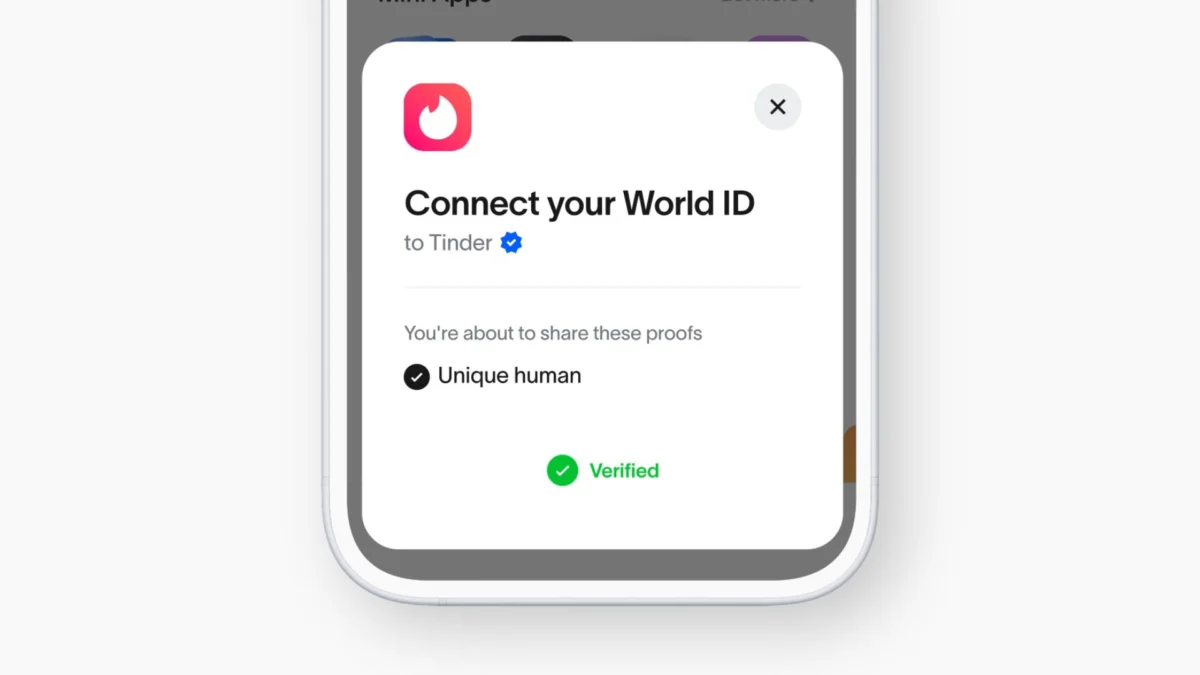
A groundbreaking shift is underway in the digital landscape, as services increasingly leverage advanced biometric verification to distinguish human users from artificial intelligence, with a prominent new initiative offering incentives for individuals to undergo identity authentication. This development, spearheaded by a consortium co-founded by OpenAI CEO Sam Altman, is expanding its reach, allowing individuals to prove their humanity through a unique physical process, thereby unlocking access to enhanced features and benefits across a growing network of integrated applications.
The core of this burgeoning ecosystem lies in a sophisticated biometric identification system that requires users to physically interact with specialized hardware. This system, initially piloted in select international markets, is now broadening its accessibility, aiming to establish a robust and verifiable standard for human presence in an increasingly automated world. The process involves more than a simple photograph; it delves into the intricate details of an individual’s unique physical characteristics, ensuring a level of authentication that is difficult for non-human entities to replicate.
At the heart of this innovation is the "orb," a device designed to capture high-resolution images of a user’s face and irises. This data, once acquired, undergoes a rigorous encryption process. Crucially, the encrypted information is then stored directly on the user’s personal device, granting them exclusive control over their biometric data by default. This decentralized approach to data management is a significant departure from traditional centralized databases, prioritizing user privacy and agency. Following the successful completion of this biometric scan, users are issued a verifiable "World ID," a digital credential that signifies their authenticated human status.
This World ID serves as a passport to a growing array of digital services. One of the most notable integrations is with a popular online dating platform, where users who have successfully verified their identity through the orb system are rewarded with a tangible benefit: five complimentary "boosts." These boosts, in the context of online dating, are designed to increase a user’s profile visibility, thereby enhancing their chances of making meaningful connections. While the dating platform offers alternative methods for profile verification, such as photo matching or government-issued identification, the incentive of free boosts is exclusively tied to the World ID verification, underscoring the platform’s commitment to this new paradigm of authentication. This limited-time offer highlights the strategic push to onboard users onto the World ID network.
Beyond its immediate application in social networking, the World ID system is being positioned as a foundational layer for a more secure and trustworthy digital future. The organization behind this initiative is also launching a dedicated World ID application. This app functions independently of a broader "super app" also in development, and is specifically engineered to facilitate the management of "proof of human" verifications across a diverse range of services. This strategic focus on a singular identity management tool aims to streamline the user experience and consolidate the control over their verified human status.
The implications of this technology extend far beyond mere dating app enhancements. By establishing a verifiable digital identity that is intrinsically linked to an individual’s unique biological markers, this system addresses a critical challenge facing the internet: the proliferation of bots and artificial intelligence. In an era where AI can generate convincing text, images, and even video, distinguishing between genuine human interaction and automated output is becoming increasingly difficult and critical. This biometric verification offers a potential solution, allowing platforms to ensure that their services are utilized by real people, thereby fostering more authentic online communities and mitigating the risks associated with large-scale bot activity.

The integration of World ID into enterprise-level solutions like Zoom and DocuSign further illustrates the ambitious scope of this project. In professional contexts, the ability to definitively confirm the human identity of participants in video conferences or signatories of important documents can significantly enhance security, reduce the potential for fraud, and streamline workflows. For instance, in legal or financial transactions, the assurance that all parties are indeed human individuals could bolster trust and compliance. This expansion into business applications suggests a long-term vision for World ID as a ubiquitous standard for human authentication across various sectors.
The underlying technology leverages advanced computer vision and machine learning algorithms to analyze the nuances of facial features and iris patterns. These are considered highly stable and unique biometric identifiers, less susceptible to spoofing than, for example, password-based systems or even simple photographic verification. The encryption and decentralized storage model are also key components, designed to address growing concerns about data privacy and security. By placing control of sensitive biometric data directly in the hands of the user, the system aims to build trust and encourage adoption in a landscape often wary of invasive data collection practices.
However, the widespread adoption of such a system is not without its challenges and potential ethical considerations. The concept of a universal, biometrically verified digital identity raises questions about surveillance, data security breaches, and the potential for misuse. While the current implementation emphasizes user control, future iterations or broader integrations could present new vulnerabilities. Furthermore, equitable access to the necessary hardware for verification could become a barrier for individuals in less technologically developed regions or those lacking consistent access to such infrastructure. The cost and logistical challenges of deploying and maintaining a global network of verification orbs are also significant considerations.
The development of World ID also intersects with the broader discourse surrounding artificial intelligence and its role in society. As AI capabilities advance, the need for robust mechanisms to differentiate human and machine interaction becomes paramount. This biometric verification system can be seen as a proactive response to this evolving landscape, aiming to preserve the integrity of human-centric digital spaces. It’s a technological arms race, in a sense, where advancements in AI necessitate parallel advancements in authentication.
From a market perspective, the partnership with established platforms like Tinder, Zoom, and DocuSign provides a critical pathway to user acquisition and demonstrates the tangible value proposition of World ID. The incentive of free boosts on a popular dating app serves as an immediate draw for a broad consumer base, while the integration into professional tools signals a commitment to enterprise adoption. This dual-pronged approach is likely to accelerate the growth and impact of the World ID ecosystem.
Looking ahead, the trajectory of biometric verification systems like World ID will be closely watched. The success of this initiative will depend not only on its technological robustness and user adoption but also on its ability to navigate the complex ethical and regulatory landscape surrounding digital identity. As the line between the physical and digital worlds continues to blur, the demand for reliable methods of proving one’s humanity is likely to intensify, making systems like the one pioneered by Sam Altman’s consortium increasingly relevant. The question is no longer if such systems will become commonplace, but rather how they will be implemented and regulated to ensure a future that is both technologically advanced and human-centric. The ambition is to create a foundational layer of trust in the digital age, one that allows for the unfettered enjoyment of online services by genuine human beings, free from the obfuscation of automated agents. The allure of a verified human badge on a dating profile is merely the tip of a much larger iceberg, hinting at a future where our digital selves are as undeniably real as our physical presence.




 Safa Marwah
 Ayu Aulia