Lisa Mariana
A collective of affluent British citizens, encompassing figures from sports, arts, and business, has formally appealed to the recently appointed Prime Minister, advocating for the implementation of more substantial taxation on the nation’s wealthiest individuals. This unusual petition, originating from a group of over 120 high-net-worth individuals, signals a growing internal pressure within the elite to address economic disparities through enhanced fiscal measures. Their proposition centers on the principle that those whose income primarily derives from accumulated capital, rather than daily labour, possess the capacity and, indeed, the civic responsibility to contribute a greater share to the public coffers.
This unprecedented initiative, spearheaded by an organisation known as Patriotic Millionaires, posits that a recalibration of the tax system, specifically targeting the apex of the wealth distribution, is not only economically viable but also morally imperative for fostering a more equitable societal structure. The open correspondence to the new head of government explicitly articulated the signatories’ conviction: "We can afford it." This statement underscores a significant shift in discourse, where a segment of the financial elite is actively endorsing policies traditionally championed by left-leaning political factions and social justice advocates. The proposed mechanism involves a modest levy on substantial fortunes, specifically a 2% tax on wealth exceeding £10 million, a measure they believe would unlock considerable capital for national investment without unduly burdening those who generate income through employment.
The roster of individuals endorsing this appeal features several recognisable public personalities, lending considerable weight and media attention to the campaign. Among them are celebrated former footballer and broadcaster Gary Lineker, acclaimed music producer Brian Eno, renowned film director Richard Curtis—known for his contributions to British cinema—and Ian Gregg, a scion of the eponymous bakery chain founder and former managing director. The collective public profile of these individuals amplifies the message, transcending traditional economic debate and injecting it into mainstream public consciousness. Their involvement suggests a strategic intent to normalise the concept of increased wealth taxation, framing it not as a punitive measure but as a constructive act of national solidarity.
The Patriotic Millionaires movement, which has orchestrated similar campaigns internationally, operates on the premise that extreme wealth concentration is detrimental to democratic societies and sustainable economic growth. Their philosophy advocates for a systemic approach to wealth redistribution, arguing that voluntary donations, while commendable, are insufficient to address the scale of current societal needs. The existing mechanism within the Treasury allowing individuals to voluntarily contribute money or stocks, while available, is seen by the group as an inadequate substitute for a comprehensive, mandatory tax framework. This distinction highlights a fundamental ideological divergence between individual philanthropy and state-mandated fiscal policy in addressing systemic economic challenges.
The economic rationale presented by the signatories is rooted in the belief that a significant reservoir of "untouched capital investment" resides within the portfolios of the ultra-wealthy. Tapping into this capital, they argue, could provide a vital injection of funds for critical public services, infrastructure development, and social programmes, thereby stimulating broader economic prosperity across all regions. This perspective directly challenges traditional supply-side economic theories, which often contend that high taxation on wealth disincentivizes investment and capital accumulation. Instead, the Patriotic Millionaires assert that strategic reinvestment of this wealth, facilitated by taxation, can yield greater collective benefits and foster a more robust, inclusive economy. They envision a "devolution of wealth and power" that empowers local communities and regions, moving beyond a concentrated financial elite.
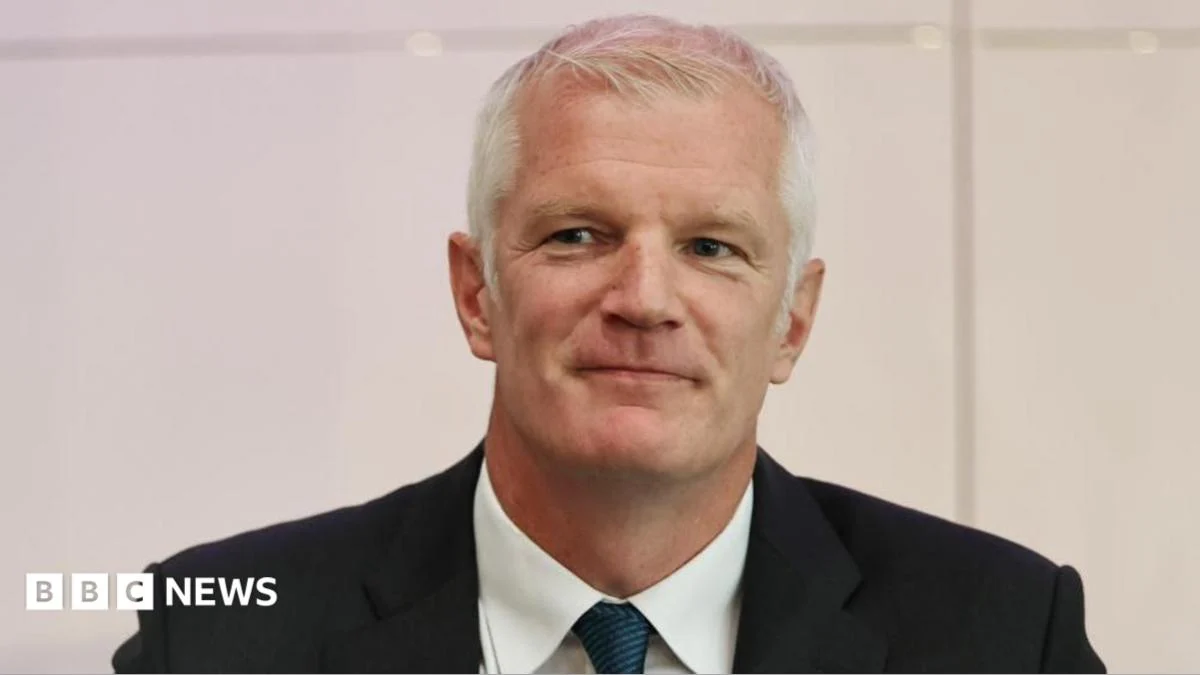
The political landscape surrounding this proposal is complex and multifaceted. The newly appointed Prime Minister, Andy Burnham, prior to assuming his premiership, had indicated a degree of openness to exploring such fiscal avenues. In a public exchange with Gary Lineker shortly before his elevation to the top office, Burnham did not explicitly rule out a wealth tax, suggesting that at some juncture, the nation might indeed "have to ask for a little more" from its citizens. This preliminary receptiveness from the new administration indicates a potential willingness to consider novel approaches to revenue generation, particularly in an era marked by significant national debt and demands for increased public spending. However, the practicalities of implementing such a policy, including potential economic ramifications and political feasibility, remain subject to rigorous debate and careful deliberation within government circles.
Conversely, the response from the political opposition has been notably critical, reflecting a more traditional conservative stance on taxation. Kemi Badenoch, a prominent figure within the Conservative party, dismissed the millionaires’ appeal by suggesting that Lineker and others were "very welcome to pay more tax" and could simply "write a cheque to the treasury." This retort encapsulates a core tenet of conservative fiscal philosophy: that taxation should be kept low to encourage wealth creation and that individual charitable giving, rather than mandatory state levies, is the appropriate mechanism for wealthy individuals to contribute to society. Such a response underscores the ideological chasm between those advocating for systemic wealth redistribution through taxation and those prioritising individual economic liberty and voluntary contribution.
The concept of a wealth tax itself carries a history of both implementation and abolition across various international jurisdictions. Countries like Switzerland have long maintained a wealth tax, albeit with varying rates and thresholds, demonstrating its long-term viability under specific conditions. Conversely, nations such as France and Germany have experimented with wealth taxes only to later abolish them, citing issues such as administrative complexity, capital flight, and constitutional challenges related to property rights. These historical precedents offer valuable lessons regarding the intricate design and potential pitfalls of such a fiscal instrument. Key challenges typically include the accurate valuation of diverse assets—ranging from real estate and private equity to art collections and intellectual property—as well as mitigating the risk of capital moving offshore to avoid taxation. The administrative burden on tax authorities to effectively implement and enforce a comprehensive wealth tax also represents a significant hurdle.
Despite these complexities, the call for increased taxation on the wealthy resonates with a growing global sentiment against rising wealth inequality. Data from numerous international bodies consistently highlights the widening gap between the ultra-rich and the rest of the population, fuelling public and political discourse on fairness and economic justice. The Patriotic Millionaires’ own internal polling, revealing that a majority of millionaires surveyed actually supported higher taxation on themselves, provides compelling evidence that this sentiment is not confined to less affluent segments of society but extends even to a portion of the elite itself. This finding challenges the conventional narrative that all wealthy individuals are inherently opposed to higher taxes, suggesting a more nuanced and potentially evolving perspective within this demographic.
The letter further critiques what it terms "outdated economic thinking" and those "desperate to hold onto every penny they can," asserting that such self-interest has "no place in designing a Britain for the future." This strong language frames the debate not merely as an economic one, but as a moral and visionary challenge concerning the future direction of the nation. It suggests that a failure to address wealth concentration risks undermining social cohesion and long-term national prosperity. This perspective positions the movement as advocating for a progressive vision of economic development, one that prioritises collective well-being over individual accumulation.
Looking ahead, the future of a potential wealth tax under the new administration remains uncertain but undoubtedly a significant point of discussion. The Prime Minister’s previous statements, while cautious, leave the door open for consideration. The sustained advocacy from groups like Patriotic Millionaires, coupled with public pressure and ongoing economic challenges, could exert considerable influence on policy formulation. Any move towards implementing such a tax would necessitate thorough economic modelling, careful legislative drafting, and robust public consultation to address the multifaceted challenges of valuation, enforcement, and potential economic repercussions. The broader implication of such a policy, if adopted, could signify a fundamental reorientation of the nation’s fiscal philosophy, shifting towards a more actively interventionist and redistributive approach to wealth management. It would also set a precedent for other nations grappling with similar issues of wealth disparity and public financing, potentially catalyzing a wider international debate on the role of progressive taxation in shaping future economies.



 Aura Kasih
 Safa Marwah
 Ayu Aulia