Aura Kasih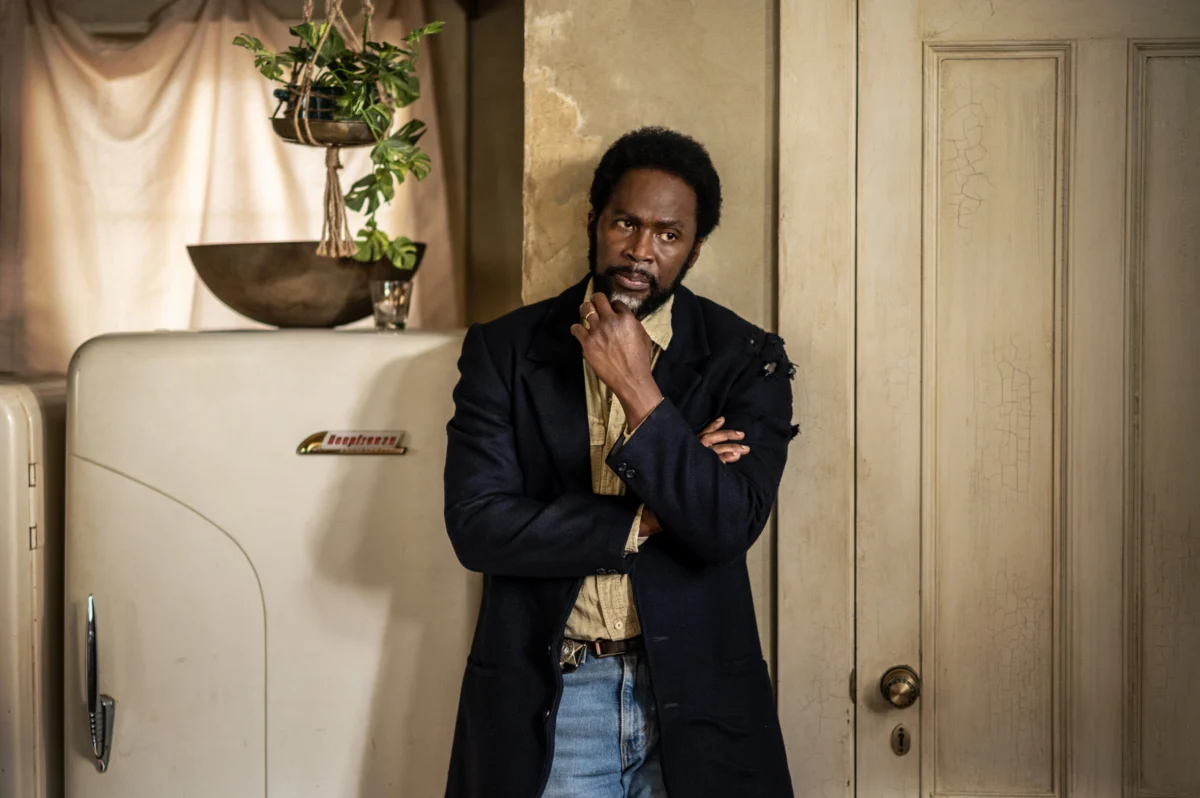
In the fractured landscape of modern television distribution, a compelling narrative with the intricate mystery, sprawling ensemble, and tantalizing secrets reminiscent of the groundbreaking series Lost has been quietly captivating audiences, yet has eluded widespread recognition for years. This analysis explores the rise of a particular science-fiction drama that has, against the odds of fragmented streaming platforms and a deluge of content, emerged as a spiritual successor, offering a profound sense of discovery and fostering the same fervent fan theorizing that defined its iconic predecessor.
The enduring legacy of Lost, which concluded its complex narrative in 2010, has left a void in the television landscape, a yearning for the specific brand of immersive storytelling that captivated millions. For over a decade, viewers have sought a series capable of replicating its potent blend of an expansive cast, deeply interwoven mysteries, and an ever-present undercurrent of secrets that fuels speculative discussion. While initial contenders like Yellowjackets showed promise before deviating from their core premise, and ambitious international productions such as 1899 were tragically cut short before realizing their full potential, the true heir to Lost‘s throne has been steadily unfolding, often obscured by the very fragmentation of the streaming services it inhabits.
The series in question, From, currently entering its fourth season on April 19th, presents a striking and undeniable resonance with the foundational elements of Lost. Set in a seemingly idyllic yet deeply unsettling American town, the premise centers on a community trapped by an inescapable supernatural phenomenon. Residents arrive, only to find themselves unable to depart, ensnared by an environment that actively resists their attempts to leave. Adding to the existential dread, the nights bring forth terrifying creatures that masquerade as human, posing a lethal threat to anyone caught outdoors after dusk or foolish enough to grant them entry. The inhabitants are thus forced into a precarious coexistence, striving to maintain a semblance of normalcy while relentlessly pursuing answers to their predicament: the "why" of their entrapment and the elusive "how" of their escape. The comparison to the island of Lost is apt, yet From amplifies the horror, introducing a visceral and frequently brutal level of violence that underscores the stakes.
The narrative architecture of From is meticulously designed to echo Lost‘s capacity for overwhelming mystery. Overheard conversations among fans would likely sound like a stream of consciousness, a jumble of bizarre elements such as arcane talismans, unsettling spectral ballerinas, inexplicable sources of power, and an abundance of cryptic dream sequences. The show boasts a considerable cast that expands as the story progresses, and it does not shy away from delivering shocking, impactful character deaths, a hallmark that kept Lost‘s audience on edge. Furthermore, From employs narrative devices that compel viewers to constantly re-evaluate their understanding of the unfolding events, mirroring Lost‘s genius in introducing pivotal elements like unexplained radio transmissions or spatially anomalous locations. The deliberate nod to its predecessor is further cemented by the opening "previously on" segments, which are narrated by Harold Perrineau, a beloved alum of Lost.

The question of how such a seemingly perfect successor could have gone largely unnoticed by a significant segment of the audience is intrinsically linked to the current state of the television industry. The proliferation of numerous streaming platforms, each vying for subscriber attention, has created a fragmented ecosystem where even critically acclaimed shows can struggle to achieve widespread visibility. From airs on MGM Plus, a service that, despite being under the broader Amazon corporate umbrella, operates as a distinct entity from the more dominant Prime Video. This bifurcation, coupled with a marketing strategy that has not significantly penetrated mainstream consciousness, has rendered MGM Plus a niche offering, easily overlooked by consumers overwhelmed by the sheer volume of available content. Titles that do not align with major intellectual property franchises or benefit from substantial promotional budgets often struggle to gain traction. The unassuming title of From itself did little to differentiate it in a crowded marketplace.
The competitive dynamics of the streaming sector are characterized by a few dominant players and a host of smaller entities vying for market share. Netflix established an early and formidable lead, while Disney has effectively leveraged its extensive catalog of established brands to attract and retain subscribers. Major players like Amazon and Apple are investing heavily in content, yet continue to trail behind the market leaders. In this environment, services like MGM Plus, while offering unique programming, are inherently positioned as niche providers. This classification makes it exceptionally challenging for their exclusive content to reach a broader audience, a phenomenon that can affect even seasoned industry observers. The task of keeping abreast of programming becomes exponentially more difficult when considering the aggressive expansion strategies of major platforms, such as Netflix’s venture into live events and sports, which diverts attention from their core scripted offerings. The sheer volume of content and the increasing demand for new subscription services make it a formidable challenge for consumers to maintain awareness of all available options.
The complexities of the contemporary streaming landscape present a significant challenge to both consumers and content creators. While the idea of a single, monolithic streaming service encompassing all content might seem appealing, it raises concerns about market consolidation and its potential impact on creative diversity and industry innovation. The current model, characterized by an ever-increasing number of specialized platforms, has led to subscription fatigue and escalating costs for consumers. Maintaining subscriptions across multiple services, in addition to traditional cable packages, has become the norm for many, yet the fragmentation still allows compelling shows like From to fall through the cracks. This decentralized distribution model, while offering choice, paradoxically impedes the discovery of high-quality, albeit less aggressively marketed, programming.
The delayed discovery of a show like From does, however, offer a distinct advantage: the opportunity for extensive binge-watching. The series’ episodic structure, with seasons comprising a manageable ten episodes, is perfectly suited for this viewing format. Its inherent cliffhangers and frequent revelations create a propulsive narrative that encourages continuous engagement. For viewers still experiencing a void left by Lost, From represents a compelling opportunity to immerse themselves in a similarly enigmatic and rewarding narrative. The primary prerequisite for this immersive experience, however, remains the acquisition of an additional streaming subscription, a testament to the ongoing economic realities of the current media consumption model.
The implications of From‘s quiet success, despite its distribution challenges, suggest a potential shift in how audiences discover and engage with television. As the novelty of endless content options begins to wane, the intrinsic quality of storytelling and the power of word-of-mouth recommendations may regain prominence. The ability of a show to foster genuine intrigue and encourage active participation in its mystery, as From has done, speaks to a persistent desire for narratives that engage the intellect and ignite the imagination. The future outlook for such shows may depend on innovative distribution strategies that transcend traditional platform barriers or a greater willingness from audiences to explore the periphery of the streaming universe, seeking out the hidden gems that can offer the most profound viewing experiences. The continued success of From could serve as a case study for how niche platforms can cultivate dedicated fanbases and achieve critical acclaim, even in the face of overwhelming competition.



 Lisa Mariana
 Safa Marwah
 Ayu Aulia