Aura Kasih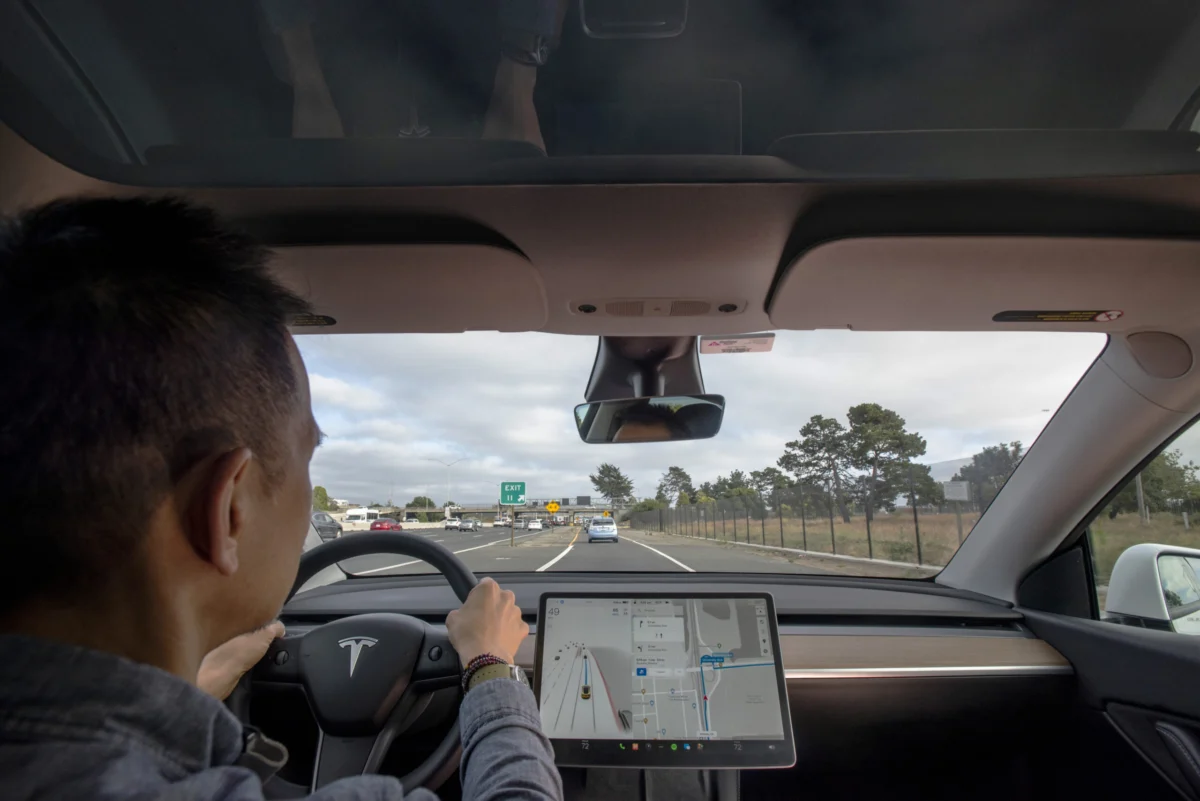
In a landmark decision that could reshape the future of autonomous driving in Europe, the Netherlands has become the inaugural European Union member state to grant official approval for Tesla’s Full Self-Driving (FSD) Supervised system. This regulatory milestone, following an extensive period of rigorous testing and evaluation by Dutch authorities, signifies a pivotal moment for advanced driver assistance technologies on the continent and positions Tesla’s European hub in Amsterdam at the forefront of this automotive evolution.
The approval, announced by the RDW (Netherlands Vehicle Authority), marks the culmination of over eighteen months of meticulous assessment. This governmental endorsement is not merely a procedural formality; it represents a cautious yet progressive embrace of sophisticated vehicle automation, underscoring the RDW’s commitment to enhancing road safety through technological integration. In their official statement, the RDW articulated their rationale, emphasizing that "Using driver assistance systems correctly makes a positive contribution to road safety because the driver is supported in their driving tasks; it is a supplement to the driver. Through continuous strict monitoring of the driver in the vehicle, the system is safer than other driver assistance systems." This statement highlights a crucial distinction: FSD Supervised, as approved, is positioned as an advanced assistance system, not a fully autonomous driving solution. The emphasis on continuous driver monitoring is a key factor in its regulatory acceptance, acknowledging the current limitations of the technology and the indispensable role of human oversight.
The implementation of FSD Supervised, specifically within version 2026.3.6 of Tesla’s software, has commenced with a phased rollout to a select group of users. Prior to gaining access to the system’s capabilities, drivers are required to complete a comprehensive tutorial and pass a knowledge assessment. This stringent onboarding process serves as a critical reminder that "FSD Supervised does not make your vehicle autonomous. Do not become complacent." This mandate underscores the regulatory framework’s insistence on driver responsibility and situational awareness, even when utilizing highly advanced assistance features. The system’s design, requiring active driver engagement and monitoring, is a direct response to the inherent complexities and ethical considerations surrounding autonomous technology.
The road to this European approval has not been without its challenges and scrutiny for Tesla’s FSD system. In the United States, the technology has been the subject of considerable debate and regulatory attention. Notably, the National Highway Traffic Safety Administration (NHTSA) has initiated investigations into incidents involving Tesla vehicles operating on FSD, which could potentially lead to recalls. These investigations often center on the system’s performance in complex driving scenarios, its interaction with other road users, and the clarity of its operational limitations to drivers. The contrast between the US regulatory environment and the Dutch approval highlights the varying approaches to autonomous driving technology across different jurisdictions. While the US has often seen a more dynamic and sometimes reactive regulatory stance, the Netherlands appears to have adopted a more proactive and deliberate evaluation process.
The RDW’s extensive testing protocol likely encompassed a broad spectrum of real-world driving conditions, including urban environments, highway driving, adverse weather, and interactions with diverse road users such as pedestrians, cyclists, and other vehicles. The thoroughness of this evaluation is crucial for building public trust and ensuring the safety of integrating such advanced systems into everyday traffic. The Dutch approach suggests a desire to establish a robust framework for the safe deployment of these technologies, potentially setting a precedent for other European nations considering similar approvals.

The implications of this Dutch approval extend far beyond the borders of the Netherlands. As the first EU member to grant authorization, the Netherlands is effectively paving the way for potential adoption across the entire European Union. The EU operates under a harmonized regulatory framework for vehicle type approval, meaning that once a system is approved in one member state, it can often be certified for use in others, provided it meets the general EU standards. This could significantly accelerate the deployment of FSD Supervised throughout the continent, allowing Tesla to offer its advanced driver assistance features to a much wider customer base. This expansion could also stimulate competition and innovation among other automotive manufacturers and technology providers looking to enter or expand their presence in the European market for autonomous and semi-autonomous driving solutions.
The strategic location of Tesla’s European headquarters in Amsterdam undoubtedly played a role in the Netherlands’ early engagement with the technology. Proximity to the company’s operations facilitates direct communication, technical support, and collaborative testing, allowing regulators to gain a deeper understanding of the system’s capabilities and limitations. This close working relationship between industry and regulatory bodies is often essential for navigating the complexities of emerging technologies.
The success of FSD Supervised in the Netherlands will likely be closely monitored by other national regulatory agencies and by the European Commission itself. The data gathered from its real-world operation, including accident rates, near misses, driver disengagement patterns, and overall impact on traffic flow and safety, will be invaluable for informing future policy decisions. If the system proves to be as safe and effective as the RDW’s initial assessment suggests, it could lead to a broader acceptance and a more streamlined approval process for similar technologies across the EU. Conversely, any significant safety concerns or operational failures could prompt a more cautious approach from other European nations.
From a technological perspective, FSD Supervised represents a significant advancement in Tesla’s pursuit of autonomous driving. While it falls short of full autonomy, it incorporates sophisticated algorithms for navigation, lane keeping, adaptive cruise control, automatic lane changes, and the ability to respond to traffic signals and stop signs. The "Supervised" aspect is critical, indicating that the system is designed to assist the driver, who remains ultimately responsible for the vehicle’s operation and must be ready to intervene at any moment. This reliance on driver supervision is a pragmatic approach that acknowledges the current limitations of artificial intelligence in handling the infinite variables of real-world driving.
The future outlook for FSD Supervised in Europe is contingent on several factors. Firstly, the continued performance and safety record of the system in the Netherlands will be paramount. Secondly, the willingness of other EU member states to adopt a similar regulatory approach will determine the speed of its broader rollout. Thirdly, ongoing advancements in AI and sensor technology, coupled with evolving regulatory frameworks, will shape the long-term trajectory of autonomous driving in the region. The Dutch approval, however, represents a clear signal that Europe is increasingly open to embracing these transformative technologies, albeit with a strong emphasis on safety and human oversight. This development is likely to spur further investment and research in the autonomous driving sector, with potential benefits for transportation efficiency, safety, and accessibility.


 Lisa Mariana
 Safa Marwah