Aura Kasih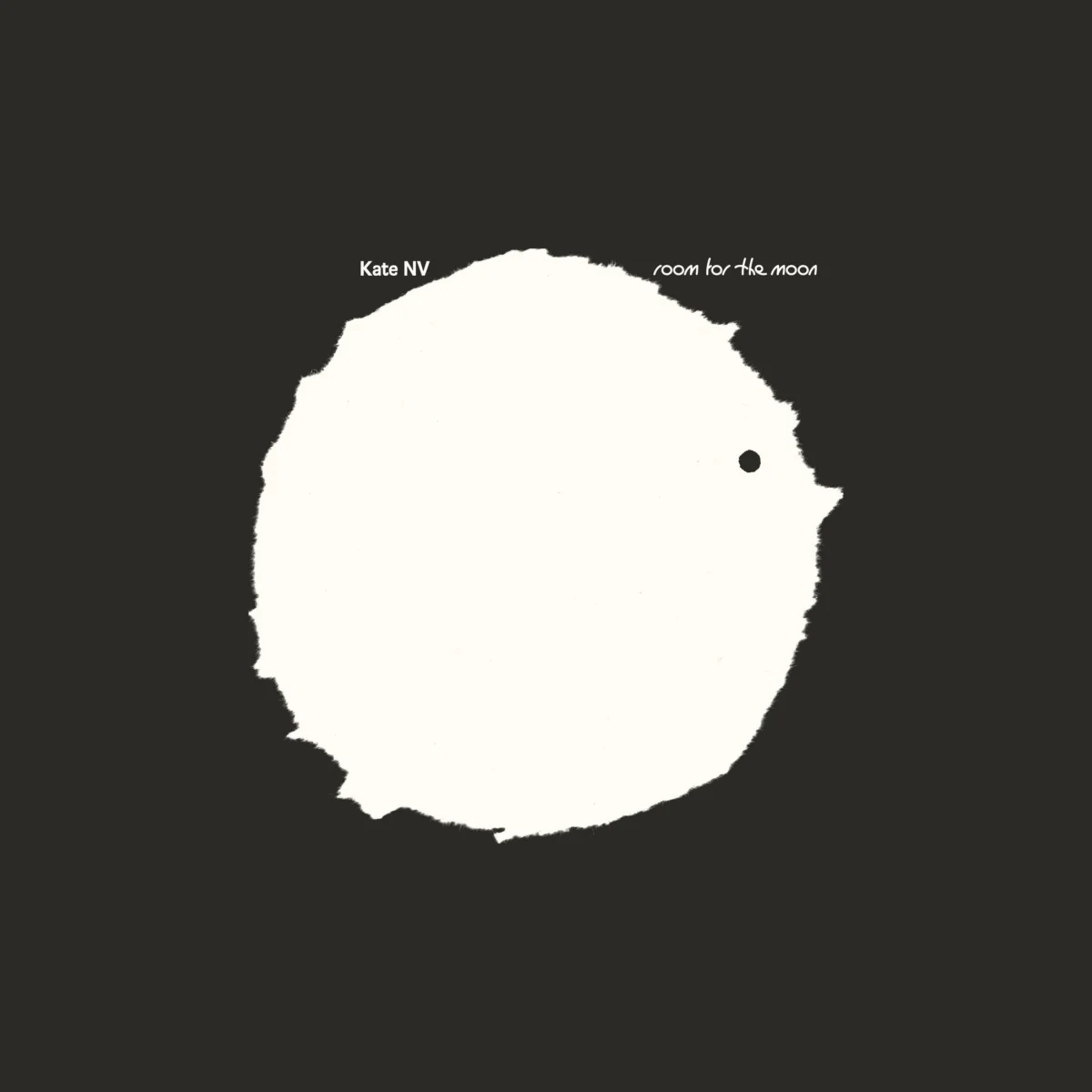
In an era where terrestrial concerns often dominate the cultural zeitgeist, Russian artist Kate Shilonosova, under the moniker Kate NV, delivers "Room for the Moon," a collection of eleven tracks that transcend conventional sonic boundaries, offering a profoundly imaginative and refreshingly unconventional exploration of experimental pop. This album, a vibrant tapestry woven from eclectic influences, serves as a compelling testament to the power of artistic alchemy, transforming seemingly disparate elements into a cohesive and utterly captivating listening experience.
The genesis of "Room for the Moon" can be traced to Shilonosova’s deep dive into the sonic landscapes of 1970s and 1980s Russian and Japanese popular music, a period characterized by bold experimentation and a burgeoning embrace of electronic instrumentation. This foundational influence is further enriched by her engagement with the fantastical narratives found in children’s cinema, a wellspring of imaginative storytelling that imbues the album with its signature whimsical, almost dreamlike quality. The result is a sound that defies easy categorization, a thrillingly weird synthesis that feels both familiar and exhilaratingly new.
Shilonosova’s approach to composition is akin to that of a sonic architect, meticulously constructing each track with an array of unconventional textures and unexpected melodic shifts. The album’s opener, "Not Not Not," immediately establishes this distinctive sonic signature. It is a track that playfully eschews traditional song structures, opting instead for a series of chaotic yet meticulously arranged melodies that engage in a perpetual dance, creating a sense of delightful disorientation. The rhythm section, propelled by a bassline reminiscent of the intricate, propulsive grooves of Talking Heads, anchors the track’s more avant-garde tendencies. Asymmetrical in its progression, "Not Not Not" possesses a unique momentum, a sort of off-kilter groove that draws the listener into its peculiar orbit. This initial sonic statement is a bold declaration of intent, signaling that "Room for the Moon" is not an album to be passively consumed, but an immersive journey into an artist’s singular vision.
Following this energetic introduction, the instrumental piece "Da Na" delves further into Shilonosova’s uncanny ability to conjure evocative soundscapes. The track presents a palette of sounds that are simultaneously recognizable and subtly unsettling. A clarinet, or perhaps an instrument with a remarkably similar timbre, drifts in and out of harmonic dissonance, lending the piece an almost spectral quality. This is complemented by the intricate interplay of tuned percussion, the source of which remains tantalizingly ambiguous. Whether it is the delicate rattle of a kenari seed shell shaker or the more abstract sound of fingers skittering across a comb, the sonic details are precisely rendered, contributing to the track’s rich, tactile texture. The inherent uncertainty surrounding these sonic elements is not a flaw but a deliberate artistic choice, enhancing the album’s ethereal and dreamlike atmosphere. This deliberate ambiguity invites the listener to engage actively with the sound, to decipher its layers and to draw their own interpretations.
The album’s exploration of fantastical themes reaches a zenith in "Sayonara (Full Moon Version)." This track functions as a vibrant counterpoint to the more macabre and theatrical inclinations of new wave bands like Oingo Boingo, offering a jubilant and otherworldly sonic daydream. While many tracks on "Room for the Moon" push the boundaries of conventional pop, "Plans" emerges as a relatively more accessible offering, fully embracing the infectious rhythms and shimmering synthesizers characteristic of 1980s dance-pop. Yet, even within this seemingly straightforward framework, Shilonosova retains her distinctive artistic flair. The song features an extended instrumental passage that veers into the unexpected, showcasing a bleating, almost atonal saxophone solo that injects a dose of avant-garde sensibility into the otherwise polished pop structure. This juxtaposition of familiar pop tropes with avant-garde experimentation is a hallmark of Kate NV’s artistry, demonstrating her capacity to create music that is both enjoyable and intellectually stimulating.
Despite the sonic strangeness, the uneasy textures, and the moments that might even induce a sense of mild disorientation, the overarching emotional tenor of "Room for the Moon" is one of lightness and fantastical wonder. Shilonosova’s lyrical content, predominantly in Russian, further contributes to this feeling. While direct comprehension may be elusive for non-Russian speakers, the vocal delivery and the melodic phrasing convey an undeniable sense of hope and innocence. "Room for the Moon" is not a melancholic, introspective meditation on the lunar landscape, but rather a vibrant and joyous evocation of the pleasant dreams and boundless imagination of a pure, untroubled mind. This sentiment elevates the album beyond mere musical novelty, positioning it as a work of genuine emotional resonance.
The artistic choices made by Kate NV on "Room for the Moon" reflect a broader trend within contemporary experimental music: a willingness to draw inspiration from a wide array of cultural sources and to subvert expectations of genre. The album’s success lies in its ability to synthesize these influences into something wholly original. The integration of retro-futuristic synth textures with elements of traditional Eastern musical scales, for example, creates a sonic dialogue that is both nostalgic and forward-looking. This cross-cultural pollination is a defining characteristic of modern artistic expression, and Shilonosova navigates these intersections with remarkable skill and creativity.
Furthermore, the album’s thematic connection to the moon, while perhaps initially sparked by current events, transcends a superficial conceptual link. The moon, as a celestial body, has long been a symbol of mystery, dreams, and the subconscious. By titling her album "Room for the Moon," Shilonosova invites listeners to consider the vastness of imagination and the unexplored territories of the human mind. The "room" she creates is not a physical space, but a mental and emotional one, a sanctuary for wonder and uninhibited creative thought. This conceptual depth adds another layer of richness to the listening experience, encouraging introspection and a broader appreciation of artistic interpretation.
The production on "Room for the Moon" is equally noteworthy. Shilonosova’s meticulous attention to detail is evident in the crisp, clear sound, which allows each sonic element to be appreciated in its full complexity. The use of reverb, in particular, contributes significantly to the album’s ethereal and expansive quality, creating a sense of sonic depth that draws the listener into its carefully crafted world. The dynamic range of the recordings is also expertly managed, ensuring that the subtle nuances of the arrangements are never lost, even during the more boisterous passages. This technical proficiency underscores the seriousness of Shilonosova’s artistic endeavor, even as the music itself embraces playfulness and whimsy.
In analyzing the implications of "Room for the Moon," one can observe its potential to influence a new generation of artists. By demonstrating the viability of merging seemingly disparate musical traditions and by prioritizing imaginative storytelling over conventional commercial appeal, Shilonosova offers a compelling blueprint for artistic innovation. The album serves as a powerful reminder that the most exciting artistic breakthroughs often occur at the fringes, where established norms are challenged and new sonic languages are forged. Its success also highlights the increasing global interconnectedness of music, where artists can draw inspiration from across continents and eras, creating a truly diverse and vibrant musical landscape.
The future outlook for artists like Kate NV is one of significant promise. As audiences become more receptive to experimental and genre-bending music, and as digital platforms continue to democratize music distribution, there is a growing space for artists who are not afraid to chart their own course. "Room for the Moon" stands as a significant contribution to this evolving musical ecosystem, a testament to the enduring power of creativity and the boundless potential of sonic exploration. It is an album that not only entertains but also inspires, encouraging listeners to embrace the weird, the wonderful, and the profoundly imaginative aspects of art.
Ultimately, Kate NV’s "Room for the Moon" is more than just a collection of songs; it is an invitation to embark on a journey into a world of vibrant imagination and unconventional beauty. It is a work that rewards repeated listening, revealing new sonic details and emotional nuances with each engagement. For those seeking an escape from the mundane and a dive into the extraordinary, this album offers a captivating and thoroughly unique experience, solidifying its place as a significant artistic achievement in the realm of experimental pop. Its intricate soundscapes, whimsical narratives, and profound emotional resonance ensure its lasting impact on the contemporary music scene.




 Lisa Mariana
 Safa Marwah