Aura Kasih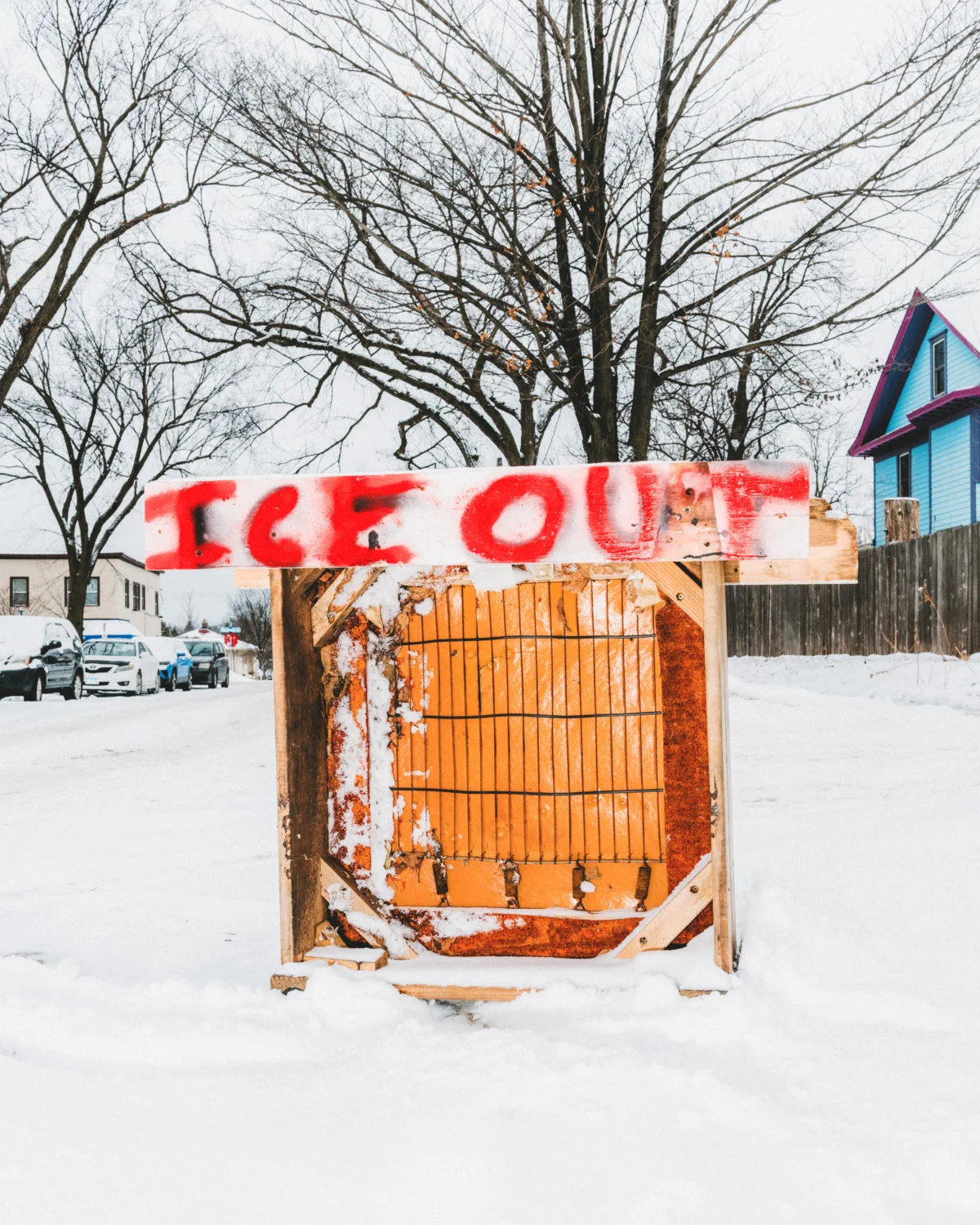
A landmark ruling by a federal judge has found that the Trump administration engaged in unconstitutional censorship by leveraging its authority to compel social media platforms and app stores to remove content critical of Immigration and Customs Enforcement (ICE) operations, a decision that echoes recent Supreme Court pronouncements on government coercion and the suppression of disfavored speech.
This pivotal judicial decree stems from a legal challenge brought forth by individuals and organizations targeted by the administration’s aggressive campaign to silence dissent and scrutiny of ICE. U.S. District Judge Jorge L. Alonso of the Northern District of Illinois, in granting a preliminary injunction, definitively stated that the actions taken by former Trump administration officials constituted a violation of the First Amendment’s guarantee of free speech. The ruling specifically addressed efforts to pressure technology giants like Meta (formerly Facebook) and Apple into deplatforming or removing applications and online groups dedicated to tracking and reporting on ICE activities.
The legal foundation for Judge Alonso’s decision is firmly rooted in a unanimous Supreme Court ruling from 2024, which addressed a case involving the National Rifle Association (NRA). In that instance, the high court articulated a clear principle: government officials are prohibited from attempting to coerce private entities for the purpose of punishing or suppressing viewpoints that the government finds objectionable. This precedent, established in the context of former New York Department of Financial Services Superintendent Maria Vullo’s actions against the NRA, provided a powerful framework for Judge Alonso’s analysis of the Trump administration’s conduct.
The judge meticulously detailed how former officials, including then-Attorney General Pam Bondi and Governor Kristi Noem, engaged in precisely the kind of coercive behavior that the Supreme Court had condemned. According to the ruling, these officials did not merely make requests but issued demands to Facebook and Apple, explicitly seeking the censorship of speech critical of ICE. This direct intervention, aimed at stifling public discourse and accountability, was deemed to be a clear overreach of governmental power and an affront to fundamental constitutional liberties.
The case highlights a concerning pattern of executive branch actions designed to control the narrative surrounding sensitive policy areas, particularly immigration enforcement. The Trump administration, from its inception, adopted a robust and often confrontational stance on immigration, and this extended to efforts to insulate ICE from public criticism. The use of government influence to target online platforms and applications represents a sophisticated, albeit constitutionally dubious, strategy to manage public perception and limit the dissemination of information that could undermine the administration’s agenda.
In the specific instance of the "ICE Sightings – Chicagoland" Facebook group, operated by plaintiff Kassandra Rosado, the administration’s pressure campaign led to its removal. Former Attorney General Pam Bondi publicly acknowledged on the social media platform X (formerly Twitter) that an unnamed group, which she characterized as being "used to dox and target" ICE agents, had been taken down following engagement from the Department of Justice. This public statement underscores the administration’s proactive approach to silencing critical voices and its willingness to leverage its authority to achieve this objective.
Similarly, applications designed to provide real-time information about ICE activities, such as "Eyes Up," "ICEBlock," and "Red Dot," faced removal from app stores. These removals were reportedly precipitated by pressure from the Department of Justice and implied threats of prosecution. The administration’s tactics extended to the media itself, with reports indicating that CNN faced pressure for its coverage of one of these applications, demonstrating a broad effort to control the flow of information and suppress any form of public scrutiny. This aggressive posture suggests a broader strategy of disincentivizing both the creation and dissemination of content deemed unfavorable to the administration’s immigration policies.

The implications of Judge Alonso’s ruling are far-reaching, extending beyond the immediate parties involved. It serves as a critical affirmation of the First Amendment’s protective reach in the digital age, reinforcing the principle that government entities cannot weaponize their influence over private platforms to suppress constitutionally protected speech. The decision signals a significant check on executive power and underscores the judiciary’s role in safeguarding civil liberties against potential overreach.
The legal precedent set by the Supreme Court in the NRA case is particularly significant here. The Court’s unanimous decision emphasized that government officials cannot use their power to indirectly censor speech by pressuring private actors. This principle is crucial because it addresses the nuanced ways in which governments can attempt to control discourse without direct, explicit censorship, which might be more readily challenged. By threatening regulatory action, withdrawing government contracts, or otherwise leveraging their official positions, officials can effectively coerce private companies into acting as censors. The Trump administration’s actions, as described by Judge Alonso, appear to fall squarely within this prohibited category.
The ruling also brings to the fore the complex relationship between government, technology companies, and civil liberties. Tech platforms often find themselves caught between competing pressures: government demands for content moderation, user expectations of free expression, and their own business interests. In this instance, the administration appears to have exploited this complex dynamic by using the threat of government action to compel compliance. The judge’s decision suggests that such coercion is impermissible, regardless of the perceived justification offered by the government.
Furthermore, the ruling has implications for the broader landscape of online activism and the ability of citizens to organize and share information about government actions. Groups and applications that monitor and report on law enforcement activities, including immigration enforcement, play a vital role in promoting transparency and accountability. The administration’s efforts to dismantle these initiatives represent a direct challenge to the public’s right to information and the ability to engage in informed civic discourse.
The precedent set by the Supreme Court, characterized by its unanimity, suggests that the Trump administration faces a considerable challenge in appealing Judge Alonso’s decision. The high court’s strong stance against government coercion in speech-related matters provides a robust legal shield for those who seek to express dissent or hold government agencies accountable. The administration’s reliance on pressure tactics rather than direct legal challenges to the content itself appears to have been a strategic misstep, as recognized by the federal court.
Looking ahead, this ruling is likely to embolden other groups and individuals who believe their speech has been unfairly targeted by government pressure campaigns. It may also prompt a re-evaluation of the methods employed by government agencies in their interactions with technology companies. The distinction between legitimate requests for information and unconstitutional coercion is a critical one, and this decision helps to delineate that boundary more clearly.
The future trajectory of this case will undoubtedly involve further legal proceedings, as government entities typically have the right to appeal such rulings. However, the strong judicial grounding of Judge Alonso’s decision, bolstered by the Supreme Court’s clear articulation of First Amendment principles, suggests that the administration’s efforts to control online discourse through coercive means will continue to face significant legal scrutiny. The case serves as a potent reminder that the digital realm, while presenting new challenges for free expression, is not beyond the purview of constitutional protections. The ongoing struggle to balance national security and law enforcement objectives with the fundamental right to free speech and assembly will remain a defining issue in the years to come, with this judicial ruling marking a significant milestone in that critical debate. The principles of transparency and accountability, central to a functioning democracy, are reinforced by this judicial intervention, ensuring that the government cannot arbitrarily silence its critics through indirect means.


 Safa Marwah
 Ayu Aulia