Aura Kasih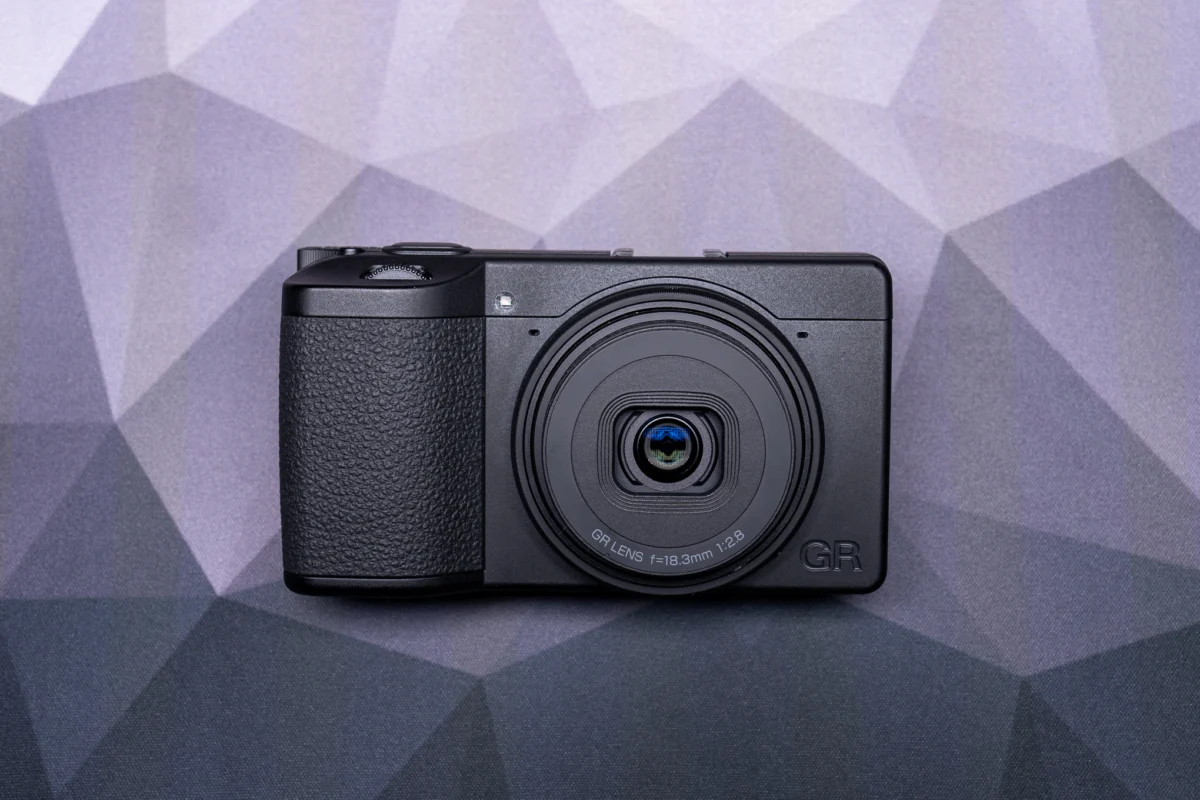
In a digital age saturated with vibrant hues and expansive zoom capabilities, a new contender emerges, challenging conventional notions of photographic excellence by deliberately stripping away the very elements many deem essential. The Ricoh GR IV Monochrome, a compact camera that eschews color capture and optical magnification, represents a bold statement in photographic philosophy, focusing instead on the fundamental elements of light, form, and texture. This analysis delves into the profound appeal of this specialized instrument, exploring its unique design, its impact on the photographer’s creative process, and its position within the broader landscape of contemporary imaging technology.
The Ricoh GR lineage has long been revered for its understated yet potent approach to photography. Originating in the film era, these cameras have consistently prioritized portability and an uncompromised shooting experience. In their digital iterations, GR models have established themselves as sophisticated, fixed-lens, compact cameras featuring a generous APS-C sensor. Unlike more ostentatious offerings that often double as fashion accessories, such as certain high-profile Fujifilm X100 variants or the iconic Leica range, the GR series remains resolutely focused on the act of image creation. Its design eschews external embellishments in favor of a functional, modern interface, prioritizing user-configurable modes and direct control over anachronistic design tropes.
The GR IV Monochrome is a deliberate evolution of the already capable GR IV, distinguished by a fundamental alteration to its sensor. By removing the color filter array, the camera is rendered incapable of recording color information, dedicating its processing power entirely to the nuances of monochrome. This modification yields significant technical advantages, including an expanded ISO sensitivity range from 160 to an impressive 409,600. This enhanced high-ISO performance is particularly beneficial in low-light conditions, as luminance noise, inherent to black-and-white capture, is often perceived as more aesthetically pleasing and less detrimental to image quality than the color artifacts that can plague high-ISO color photography. Beyond its monochromatic specialization, the GR IV Monochrome retains the significant upgrades introduced with the GR IV, such as an advanced autofocus system optimized for its 28mm-equivalent f/2.8 lens, a 26-megapixel APS-C sensor for exceptional detail, and an ample 53GB of internal storage, further complemented by a microSD card slot for expanded capacity.

Operational familiarity with the standard GR IV is largely maintained, with the Monochrome version excelling in spontaneous photographic scenarios. The camera boasts an exceptionally rapid startup time, becoming ready to capture an image in under a second. A key feature for its intended use case is the Snap Focus function, which allows users to pre-set a focus distance and then, with a decisive shutter press, bypass autofocus entirely. This enables a fluid, zone-focusing approach, a technique deeply embedded in the tradition of street photography, facilitating intuitive shooting from the hip. While the GR IV Monochrome incorporates face and eye detection, its true strength lies in its deliberate design that encourages a more engaged and mindful approach to focusing. The absence of an electronic viewfinder, a feature common in many contemporary cameras, is a conscious design choice that contributes to the camera’s remarkably compact form factor, a trade-off many enthusiasts have come to appreciate.
The true transformative power of the GR IV Monochrome lies in its imposed monochromatic perspective. While most digital cameras offer a black-and-white shooting mode, the inherent limitation of this camera compels a profound shift in visual perception. Photographers are encouraged to engage more deeply with the interplay of light and shadow, to meticulously observe tonality, and to seek out textural richness that might otherwise be overlooked in a color-rich scene. This enforced discipline fosters a more deliberate compositional approach, as the absence of color demands a heightened sensitivity to form and contrast. The knowledge that there is no possibility of reverting to color in post-production necessitates a complete mental recalibration, pushing creative boundaries and fostering a more focused artistic intent. For photographers who embrace such constraints, this limitation becomes a catalyst for deeper engagement and a more rewarding creative output, mirroring the allure of analog film photography and the resurgence of early digital cameras.
The GR IV Monochrome’s exceptional low-light capabilities are a significant draw, particularly given its f/2.8 maximum aperture, which, while not as wide as some premium alternatives, is more than sufficient when combined with the sensor’s remarkable high-ISO performance. Images remain remarkably usable even at ISOs exceeding 25,600, with substantial quality retained even at six-digit ISO values, even before any post-processing adjustments. This allows for creative freedom in challenging lighting conditions, opening up photographic opportunities that might be inaccessible with less capable equipment.
A critical differentiator for the Ricoh GR IV Monochrome, when compared to its high-end monochrome counterparts from brands like Leica, is its unparalleled portability. While cameras such as the Leica Q2 or M11 Monochrom are undoubtedly exceptional instruments, their size and cost often necessitate a dedicated approach to carrying them. The GR IV Monochrome, conversely, embodies true pocketability. It can be effortlessly slipped into a pocket, purse, or any small bag, transforming mundane outings and everyday errands into potential opportunities for creative exploration. This accessibility elevates the act of photography from a planned endeavor to an ingrained aspect of daily life, comparable to the spontaneous capture typically associated with smartphone photography, but with a significantly elevated level of image quality and artistic intent.

The profound aesthetic of black-and-white imagery imbues even the most ordinary subjects with a timeless quality, lending an air of significance and authenticity to the everyday. In an era where the proliferation of AI-generated imagery can sow seeds of doubt about the veracity of what we see, monochrome photography retains a unique gravitas. It stands as a counterpoint to the digitally fabricated, offering a tangible sense of reality. This inherent authenticity of grayscale imagery offers a compelling reason for its continued appreciation, particularly as the broader digital landscape grapples with issues of synthetic media.
Historically, cameras dedicated solely to monochrome capture are not a new phenomenon. Leica, for instance, has been producing its esteemed Monochrom series for well over a decade, offering specialized digital rangefinders and compacts that forgo color capture. However, these models typically command prices in the high thousands, placing them beyond the reach of most enthusiasts. The Ricoh GR IV Monochrome, priced at a more accessible tier, democratizes the monochrome photographic experience without compromising on its core principles. While not an inexpensive camera, its price point makes it a feasible acquisition for serious hobbyists and professionals seeking a specialized tool, rather than a prohibitive investment akin to a luxury automobile. This accessibility is a significant factor in its appeal, offering a taste of high-end monochrome imaging without the associated financial burden and social exclusivity often linked to premium brands.
The proposition of a specialized, high-performance camera at this price point generates a nuanced perspective. While the GR series has historically represented excellent value, recent iterations reflect advancements in sensor technology, processing power, and build quality. The $2,200 price tag, while substantial, must be contextualized within the broader camera market and the specific capabilities offered. It represents a significant investment, yet when juxtaposed with the astronomical costs of some professional-grade monochrome systems, it presents a compelling value proposition for those prioritizing a dedicated black-and-white shooting experience.
The GR IV Monochrome’s true value lies in its role as an everyday companion. Its ability to deliver exceptional image quality and impressive low-light performance from a pocketable form factor transforms any outing into a potential creative opportunity. It grants photographers the license to perceive and capture the world with a heightened sense of wonder and authenticity. While the standard GR IV offers the full spectrum of color, the GR IV Monochrome delves into the emotional resonance of grayscale, offering a potent blend of romanticism, gritty realism, and artistic magic. It is a camera that encourages a deeper connection with the photographic process, rewarding the user with images that transcend mere documentation, instead capturing the essence and mood of a moment.

The integration of such advanced monochrome capabilities into a compact, user-friendly design signifies a maturation of digital imaging technology. It underscores a growing recognition within the industry and among enthusiasts that specialized tools can unlock unique creative potential. The Ricoh GR IV Monochrome is not merely a camera; it is a philosophy made tangible, a testament to the enduring power of simplicity and the profound beauty found in the absence of color. Its success will likely pave the way for further innovation in specialized digital imaging, encouraging a more diverse and creative photographic landscape.




 Lisa Mariana
 Safa Marwah
 Ayu Aulia